
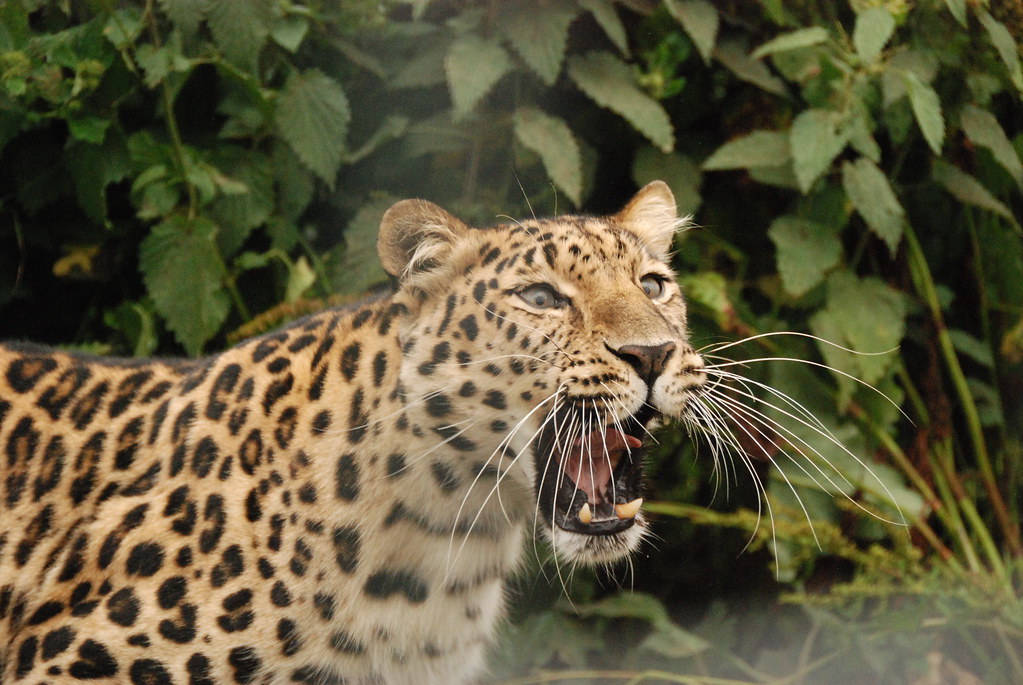
Leopards genuinely survive alongside lions and hyenas, both species considerably stronger in direct confrontation and willing to kill a leopard given the chance, primarily through a strategy of active avoidance built around solitary habits, tree-based feeding, and a genuinely different set of hunting hours than their larger competitors favour.
Why Direct Confrontation Is Something Leopards Genuinely Avoid
A leopard weighs considerably less than an adult lion and lacks the cooperative group defence a hyena clan can bring to a confrontation, meaning direct physical conflict genuinely favours both competitors in almost every scenario, and leopards that have been documented losing kills, territory, or their own lives to lion and hyena confrontation strongly reinforces why the species has evolved such a strong behavioural bias toward avoidance rather than defence.
How Solitary, Territorial Living Genuinely Reduces Detection Risk
Unlike lions, which hunt and rest in prides that are considerably harder to conceal, leopards live and hunt almost entirely alone, a solitary lifestyle that genuinely reduces the noise, scent trail, and visual footprint a leopard leaves behind, making it considerably easier to avoid drawing the attention of a nearby pride or hyena clan in the first place. This solitary strategy trades away the cooperative hunting and defensive benefits lions enjoy in exchange for genuinely superior stealth and reduced detectability.
Why Trees Are Central to Leopard Survival Strategy
Leopards genuinely possess considerably greater climbing strength relative to body size than lions or hyenas, both of which struggle to climb effectively, and this difference underlies one of the species’ most recognisable survival behaviours: hoisting a kill high into tree branches, well out of reach of ground-based competitors who would otherwise steal the carcass or, worse, threaten the leopard itself while it fed on the ground. A leopard can genuinely drag prey weighing considerably more than its own body weight vertically up a trunk, a feat of relative strength that essentially no other African predator can match.
How Nighttime Hunting Genuinely Reduces Overlap With Lion Prides
While lions do hunt at night, leopards genuinely lean even more heavily toward nocturnal and crepuscular activity, timing their movement to overlap as little as possible with periods when a resident pride is most actively patrolling shared territory, a scheduling strategy that functions almost like timezone avoidance between two competing predators forced to share the same physical ground.
Why Leopard Territory Selection Genuinely Factors in Competitor Density
Researchers studying leopard habitat use have found that individuals genuinely favour territory with denser vegetation, rocky outcrops, or riverine cover over open, easily patrolled savannah specifically because such terrain offers considerably more concealment from lion and hyena, meaning leopard distribution across a shared landscape isn’t just about prey availability but genuinely reflects an ongoing calculation about competitor avoidance built into where the species chooses to establish territory at all.
How Leopards Handle an Actual Confrontation When Avoidance Fails
When avoidance genuinely fails and a leopard is directly confronted, the species’ fallback strategy shifts to immediate tree-climbing retreat wherever possible, since a leopard up a tree is essentially safe from both lion and hyena, neither of which can follow effectively, meaning proximity to climbable trees genuinely factors into a leopard’s real-time movement decisions even outside of active feeding, functioning as a constant safety-net consideration built into how the species navigates open ground.
Why Cubs Face Genuinely Elevated Risk From Both Competitors
Leopard cubs are considerably more vulnerable to lion and hyena predation than adults, given their smaller size and inability to climb or flee as effectively, meaning mother leopards genuinely go to considerable lengths to conceal den sites in dense, hard-to-access cover and will relocate cubs entirely if a den location is discovered by a competing predator, a maternal strategy that treats competitor avoidance as genuinely as urgent a survival priority as direct predation risk from other species.
Where to Observe Leopard-Competitor Dynamics in East Africa
Destinations with strong resident populations of leopard, lion, and hyena together, including the Serengeti-Mara ecosystem and Queen Elizabeth National Park, offer the best chance of observing this genuine competitive tension, particularly a hoisted kill visible in a tree.
Best Time of Year for Leopard Viewing
Leopards are visible year-round given resident territories, though dry season concentrations around remaining water sources typically improve sighting odds. See our regional best-time guide for how seasonal patterns generally affect wider game viewing.
Photographing Leopard Behaviour
Capturing a leopard’s kill hoisted in a tree, direct visual evidence of the competitor-avoidance strategy at work, offers a genuinely distinctive photographic opportunity beyond a standard leopard portrait. See our camera gear guide for broader equipment recommendations.
What to Pack for Predator-Focused Game Drives
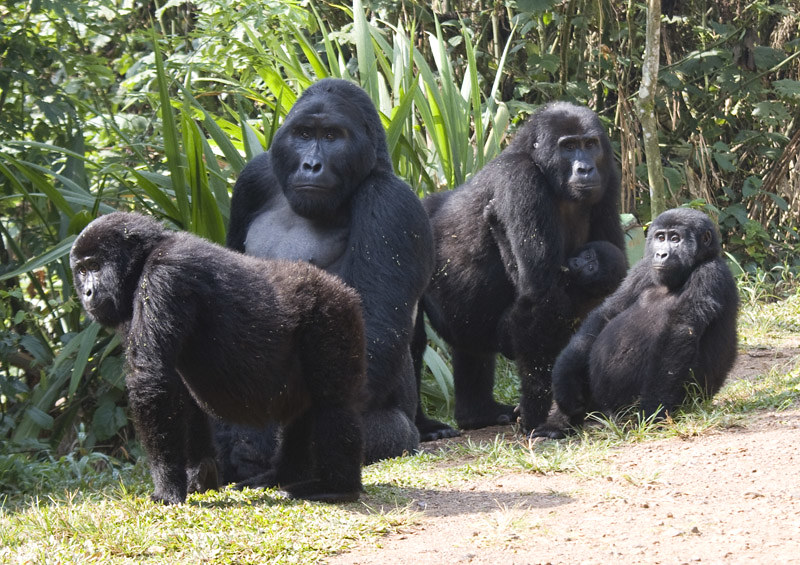
Standard game drive gear – neutral clothing, sun protection, and binoculars – covers most of what predator viewing requires. If your wider itinerary includes gorilla trekking, our gorilla trekking packing list covers that portion separately.
Why Hyena Clans Present a Genuinely Different Threat Than Lions
While a single hyena poses considerably less physical threat to an adult leopard than a lion does, a full hyena clan operating cooperatively can genuinely overwhelm and kill even a healthy adult leopard through sheer numbers, meaning leopards must factor in both an individual predator’s raw strength and a competing species’ group cooperative capability when assessing risk, a genuinely more complex calculation than simply avoiding whichever single animal looks most physically dangerous in the moment, since a clan capable of overwhelming numbers can pose a greater cumulative threat than a solitary lion despite the individual size difference.
How Scent Marking Helps Leopards Track Competitor Presence
Leopards genuinely use scent marking not just to communicate with other leopards but also to monitor where lion prides and hyena clans have recently passed through shared territory, reading competitor scent trails the same way they read prey trails, information that lets a leopard adjust its own movement and hunting schedule to minimise the odds of an unwanted encounter before one ever actually occurs.
Why Leopard-Lion Overlap Varies Considerably by Region
In areas with genuinely lower lion density, leopards can afford somewhat bolder daytime activity and ground-level feeding, while regions with dense, well-established prides force considerably stricter avoidance behaviour, meaning the intensity of a leopard’s competitor-avoidance strategy genuinely adjusts based on local lion and hyena population pressure rather than following one fixed, universal behavioural pattern across the entire species’ range.
Why Guides Value Explaining This Competitive Dynamic to Visitors
Given how much of a leopard’s daily behaviour is genuinely shaped by competitor avoidance rather than simple opportunistic hunting, experienced guides at destinations like Murchison Falls value explaining why a hoisted kill, a particular resting spot, or an unusually cautious approach to open ground reflects a much larger ongoing survival calculation than casual observation alone would reveal.
Combining Leopard Viewing With a Wider Predator Circuit
Leopard sightings pair naturally with a broader Big Five itinerary covering lion, hyena, and other predator viewing within the same overall trip, giving travelers genuine insight into East Africa’s full predator competitive landscape.
How This Avoidance Strategy Compares to Cheetah Behaviour
Cheetahs face a genuinely similar competitive pressure from lion and hyena but lack a leopard’s climbing ability, meaning cheetahs rely instead on hunting during the hottest part of the day when larger competitors are typically resting, and on eating a kill as quickly as possible before a hyena or lion can locate and steal it, a genuinely different avoidance strategy shaped by a fundamentally different physical toolkit than the one leopards use.
Why Buffalo Herds Sometimes Complicate a Leopard’s Avoidance Calculus
Leopards generally avoid confronting adult buffalo directly given the considerable injury risk involved, meaning a leopard’s territory and movement planning must genuinely account for at least three separate sources of risk simultaneously, competing predators, dangerous prey species, and the practical challenge of finding suitable climbable cover within reach of wherever a hunt happens to unfold.
Frequently Asked Questions
Why do leopards hoist their kills into trees?
To keep the carcass safely out of reach of lions and hyenas, both of which would otherwise steal the kill or threaten the leopard itself.
Can lions or hyenas climb trees to reach a leopard’s kill?
Generally not effectively – both species struggle considerably with climbing compared to a leopard’s superior relative strength and agility.
Why do leopards live and hunt alone rather than in groups?
Solitary living reduces the noise, scent, and visual footprint that would otherwise draw unwanted attention from lion prides or hyena clans.
Are leopard cubs at higher risk from lions and hyenas?
Yes, genuinely so – mother leopards go to considerable lengths to conceal den sites and will relocate cubs if a den is discovered.
Where can I see this predator dynamic on safari?
The Serengeti-Mara ecosystem and Queen Elizabeth National Park both offer strong resident populations of all three competing predators.
Ready to Plan Your East Africa Safari?
Whether observing leopard behaviour firsthand, the wider predator dynamic, or a full East Africa itinerary is your priority, our team can build a trip matched to your interests. Get in touch with our team below today and let’s start planning your complete safari itinerary together.

No comment