
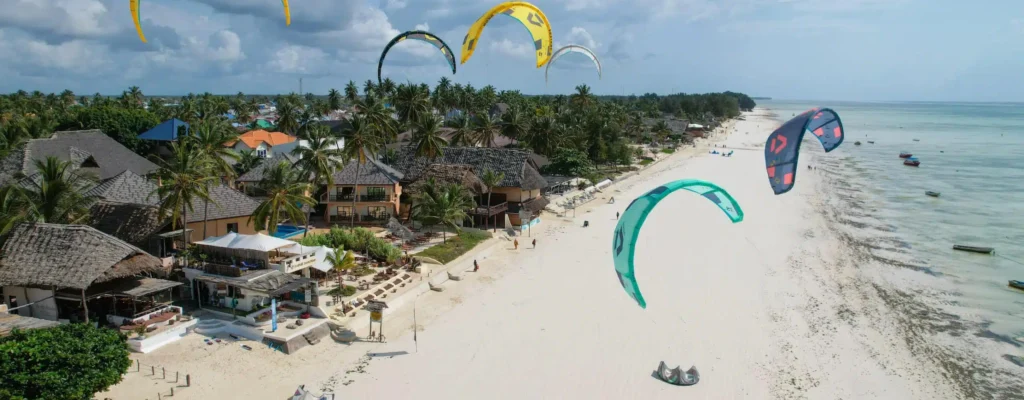
6 Day Tour to Zanzibar Holiday
Overview
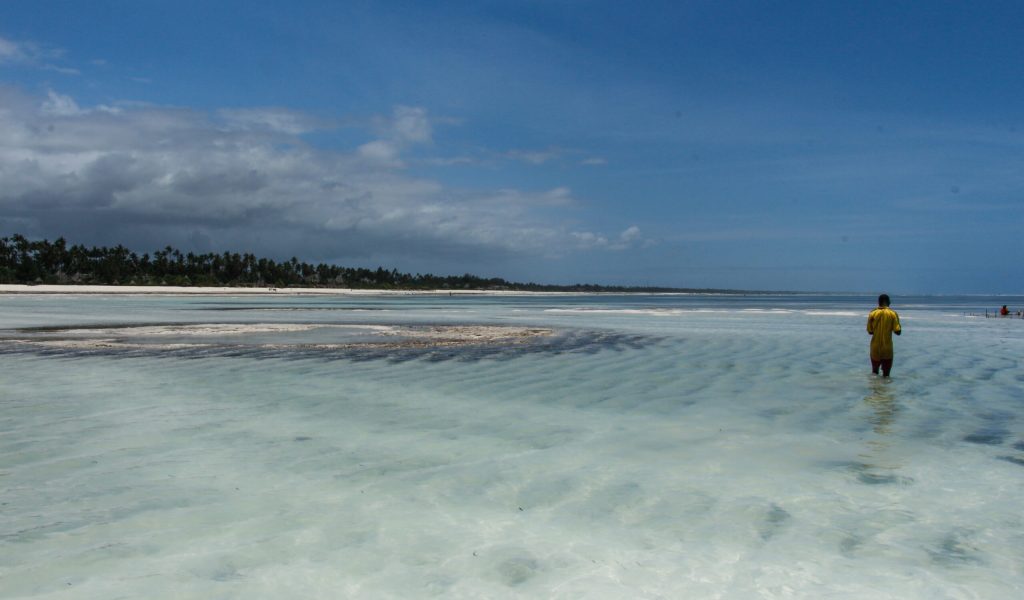
Escape to the breathtaking island of Zanzibar on this 6 Day Tour to Zanzibar Holiday. Famous for its white sandy beaches, crystal-clear turquoise waters, rich Swahili culture, and fascinating history, Zanzibar offers the perfect tropical getaway. Relax on pristine beaches, explore the historic Stone Town, discover the island’s famous spice plantations, and enjoy exciting marine adventures in the warm waters of the Indian Ocean.
Whether you are celebrating a honeymoon, family holiday, or simply looking for a peaceful beach escape, this tour combines relaxation, culture, and adventure for an unforgettable experience.
Safari Highlights
- snorkeling
- Nature walks
Detailed Itinerary
Day 1: Arrival in Zanzibar
Upon arrival at Abeid Amani Karume International Airport, you will be welcomed by your driver and transferred to your beach resort.
After checking in, spend the rest of the day relaxing on the beach or enjoying the resort facilities while taking in the beautiful views of the Indian Ocean.
Accommodation Options
Budget: Amaan Beach Bungalows
Mid-range: My Blue Hotel Zanzibar
Luxury: Zuri Zanzibar
Meals: Dinner
Day 2: Stone Town and Spice Tour
After breakfast, drive to historic Stone Town for a guided walking tour.
Visit the House of Wonders, Old Fort, Sultan’s Palace Museum, Freddie Mercury Museum, and Darajani Market while learning about Zanzibar’s rich history and Swahili culture.
In the afternoon, continue to one of Zanzibar’s famous spice farms where you will discover how cloves, cinnamon, vanilla, nutmeg, turmeric, and black pepper are grown.
Return to your resort for dinner and overnight.
Accommodation
As Above
Meals: Breakfast and Dinner
Day 3: Prison Island and Nakupenda Sandbank
After breakfast, board a traditional boat for an excursion to Prison Island.
Visit the sanctuary of giant Aldabra tortoises and explore the island’s fascinating history before continuing to Nakupenda Sandbank.
Spend the afternoon swimming, snorkelling, relaxing on the white sand, and enjoying a freshly prepared seafood lunch.
Return to your resort in the late afternoon.
Accommodation
As Above
Meals: Breakfast, Lunch and Dinner
Day 4: Dolphin Tour and Beach Relaxation
After an early breakfast, travel to the southern coast for a dolphin watching excursion.
Depending on weather and sea conditions, you may have the opportunity to swim and snorkel in the clear waters of the Indian Ocean.
Return to your resort in the afternoon and spend the remainder of the day relaxing on the beach or by the swimming pool.
Accommodation
As Above
Meals: Breakfast and Dinner
Day 5: Leisure Day and Sunset Dhow Cruise
Enjoy a leisurely breakfast before spending the day at your own pace.
Relax on the beach, enjoy the resort facilities, or participate in optional water sports and island excursions.
In the evening, board a traditional dhow for a sunset cruise along the Zanzibar coastline while enjoying spectacular ocean views.
Return to the resort for dinner and overnight.
Accommodation
As Above
Meals: Breakfast and Dinner
Day 6: Departure
After breakfast, enjoy your final moments on the beach before checking out.
Depending on your flight schedule, you will be transferred to Abeid Amani Karume International Airport for your departure flight.
Meals: Breakfast
Optional Activities
- Mnemba Atoll snorkelling excursion
- Scuba diving
- Deep sea fishing
- Kite surfing
- Jet skiing
- Stand-up paddleboarding
- Kayaking
- Jozani Forest tour to see the Zanzibar red colobus monkey
- Blue Safari adventure
- Quad biking through local villages
- Swahili cooking class
- Spa and wellness treatments
- Cycling tour
- Cultural village visit
- Beach horse riding
- Glass-bottom boat excursion
- Parasailing
- Shopping at local craft markets
Tour Includes
- Travel in a 4×4 car
- Professional guide
- Park fees
- Accommodation
- Meals
- All Activities In Itinerary
Tour Excludes
- Alcoholic drinks
- Laundry
- Tips
- Shopping
- Insurance
- Anything not included per itinerary
History and Marine Life on Zanzibar
This six-day itinerary combines Stone Town’s UNESCO-listed history with snorkeling excursions to the Mnemba Atoll, one of Zanzibar’s premier reef sites, giving a genuine mix of cultural exploration and marine activity within a single beach-focused trip.
Stone Town’s guided walking tours cover its coral-stone architecture, the former slave market site, and bustling local markets, giving context to the island’s centuries-deep role as an Indian Ocean trading hub before the trip shifts to its beach and snorkeling portion.
Practical Notes
Most nationalities can apply for a Tanzania e-visa online before travel. A yellow fever certificate is required for entry if arriving from a country with risk of transmission. Travel insurance covering wildlife or trekking activities and medical evacuation is strongly recommended.
Tanzanian shillings are useful for everyday purchases, tips and markets, while US dollars printed after 2009 are widely accepted for park fees, conservation fees and lodge bills.
Tipping is customary though not compulsory. Your driver-guide is typically tipped at the end of the full trip, scaled to group size and length of stay, and we’re glad to advise on typical ranges when you book.
Combining This Trip With a Wildlife Safari
This Zanzibar-focused itinerary pairs naturally with a northern circuit safari to the Serengeti or Ngorongoro, giving travelers both classic wildlife viewing and genuine coastal relaxation within a single Tanzania trip, a combination we arrange regularly.
Zanzibar’s short flight connection from Kilimanjaro International Airport or Arusha makes this addition logistically straightforward, typically adding well under an hour of flight time to connect the two halves of a combined itinerary.
Wildlife and the Great Migration in the Serengeti
The Serengeti’s vast, open plains support one of the last great terrestrial wildlife migrations on earth, as roughly two million wildebeest, zebra and gazelle move in a broadly circular pattern through the ecosystem each year, following the rains in search of fresh grass. Depending on the season, this can mean vast herds spread across the southern plains during calving season, dramatic river crossings in the west and north, or smaller, more dispersed groups elsewhere in the park — so the exact experience varies considerably by month. Beyond the migration, the Serengeti’s year-round resident wildlife, including some of Africa’s largest lion prides and healthy cheetah and leopard populations, makes it a rewarding destination regardless of when the herds themselves are present.
Wildlife Density in the Ngorongoro Crater
The Ngorongoro Crater, the world’s largest intact volcanic caldera, contains an estimated 25,000 large mammals within its roughly 260-square-kilometre floor, a natural enclosure formed when a volcano larger than Kilimanjaro collapsed in on itself some two to three million years ago. Because the crater walls largely confine the resident wildlife year-round, sighting rates for lion, elephant, buffalo, hippo and the crater’s small but present population of black rhino are exceptionally high regardless of season, making it one of the most reliable single-day game drives in Africa. The descent into the crater floor along a steep access road, followed by a full day exploring the grassland, swamp and forest habitats within, is typically treated as its own dedicated day on a Tanzania itinerary.
Preparing for a Kilimanjaro Climb
Altitude, not technical difficulty, is the main challenge on Kilimanjaro, since the mountain requires no climbing equipment or prior mountaineering experience but does demand a slow, deliberate pace to allow the body to acclimatise. Routes of six days or longer generally have meaningfully higher summit success rates than shorter five-day itineraries, simply because they allow more time for the body to adjust before the final push to Uhuru Peak. Good waterproof and insulated layers are essential given the temperature swings between the lower rainforest zone and the sub-zero summit night, and a reputable operator will provide a support crew of guides, cooks and porters, whose fair treatment and pay has become an important ethical consideration when choosing how to climb.
Stone Town and the Spice Tour
Zanzibar’s Stone Town, a UNESCO World Heritage Site, is a maze of narrow streets lined with intricately carved wooden doors, coral-stone buildings and a layered history shaped by Swahili, Arab, Persian, Indian and European influences over centuries of Indian Ocean trade, including its role as one of the region’s principal historical slave-trading ports, now marked by a memorial at the former slave market site. A spice tour on the island’s fertile interior, where clove, nutmeg, cinnamon and vanilla are still grown much as they were during Zanzibar’s era as the world’s leading clove exporter, offers a hands-on introduction to the crops that once defined the island’s economy.
Responsible and Sustainable Travel
Simple choices — maintaining a respectful distance from wildlife, following your guide’s instructions around habituated primates, avoiding single-use plastics where possible, and buying crafts and produce directly from local cooperatives rather than mass-produced souvenirs — add up across the volume of visitors this region receives each year. Many lodges now run their own conservation or community initiatives, from anti-poaching support to local employment quotas and school sponsorships, and asking about these programmes during your stay is both a way to learn more and a small signal to operators that travellers value this work. Respecting photography etiquette around local communities, including asking permission before photographing people, remains one of the more overlooked aspects of responsible travel in the region.
What to Pack for an East Africa Safari
Neutral-coloured clothing — khaki, olive and beige — works best for game drives and forest walks, since bright colours and pure white can startle wildlife and dark blue or black tends to attract tsetse flies in certain areas. Layers matter more than heavy jackets: mornings on open savannah start cold, especially in an open-sided safari vehicle, but temperatures climb quickly once the sun is up. A good pair of binoculars, a wide-brimmed hat, high-SPF sunscreen and a basic first-aid kit with any personal medication are worth packing regardless of which parks are on the itinerary, along with a dry bag or waterproof cover for cameras and electronics during the rainy season.
Choosing When to Travel
East Africa’s weather generally divides into two dry seasons — roughly December to February and June to October — and two wetter periods around March to May and November, though rainfall patterns vary by country and region and have become somewhat less predictable in recent years. Dry-season travel tends to concentrate wildlife around permanent water sources, making game viewing more predictable, while the wetter months bring lush scenery, fewer other travellers, and better rates at many lodges, along with the arrival of migratory bird species. Neither period is a bad time to travel; the right choice depends more on whether the priority is guaranteed dry trails and concentrated wildlife or a quieter, greener experience.
Health and Travel Preparation
Most countries in this region require proof of yellow fever vaccination for entry, particularly if arriving from or having transited another yellow-fever-endemic country, and it is worth checking current requirements with your airline or embassy well ahead of departure. Malaria is present across most safari areas at varying risk levels, so consulting a travel health clinic about prophylaxis, alongside practical measures like insect repellent and covering up at dawn and dusk when mosquitoes are most active, is standard advice for the region. Comprehensive travel insurance that explicitly covers emergency medical evacuation is strongly recommended for any itinerary involving remote parks, since the nearest advanced medical facility can be several hours away by road or air.
Money and Practical Travel Tips
US dollars are widely accepted for park fees, permits and larger payments across the region, though local currency is generally needed for smaller purchases, tips and market shopping, and it is worth carrying a mix of both. Bank notes printed before 2009 are frequently refused at borders and by vendors, so it is worth requesting newer notes from your bank before travel. Tipping guides, drivers and lodge staff is customary and appreciated, though not obligatory, and most lodges and safari operators can advise on appropriate amounts if it is your first visit to the region.
Get Your Tailored 6 Day Tour to Zanzibar Holiday
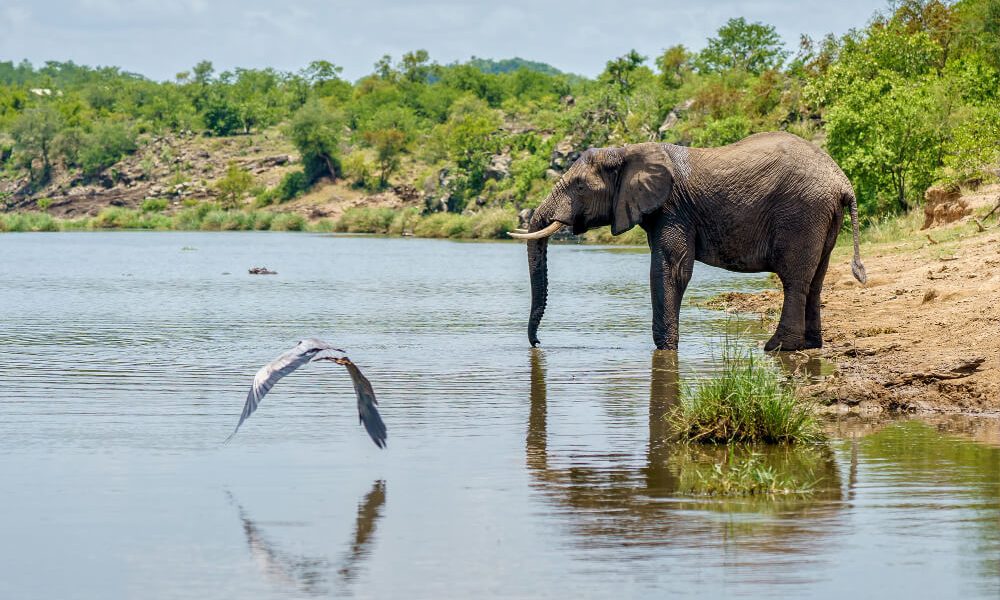
10 Days Tanzania Adventure
A comprehensive circuit through Tanzania’s northern parks for travellers with time to see the full picture.
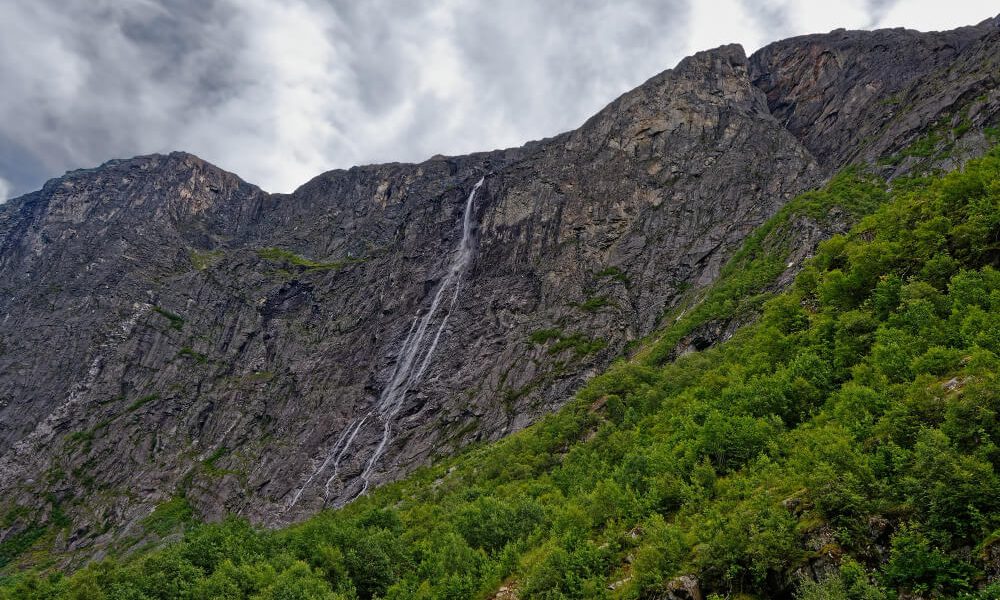
8 Days Kilimanjaro Trekking Adventure
A dedicated Kilimanjaro summit itinerary with a well-paced acclimatisation schedule.
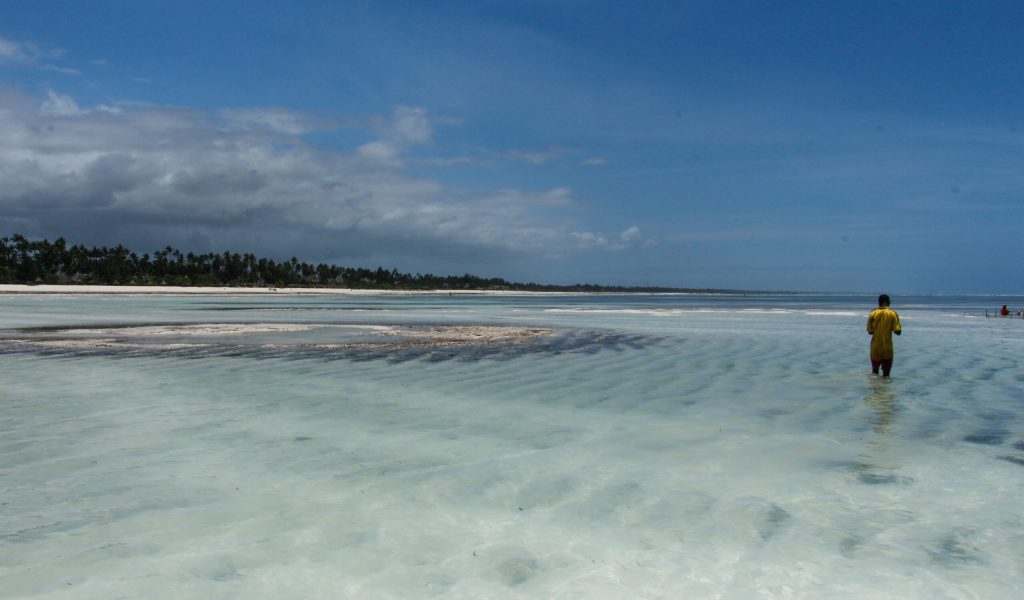
6 Days Spectacular Zanzibar
A relaxed week on Zanzibar’s beaches, with Stone Town history and marine activities included.
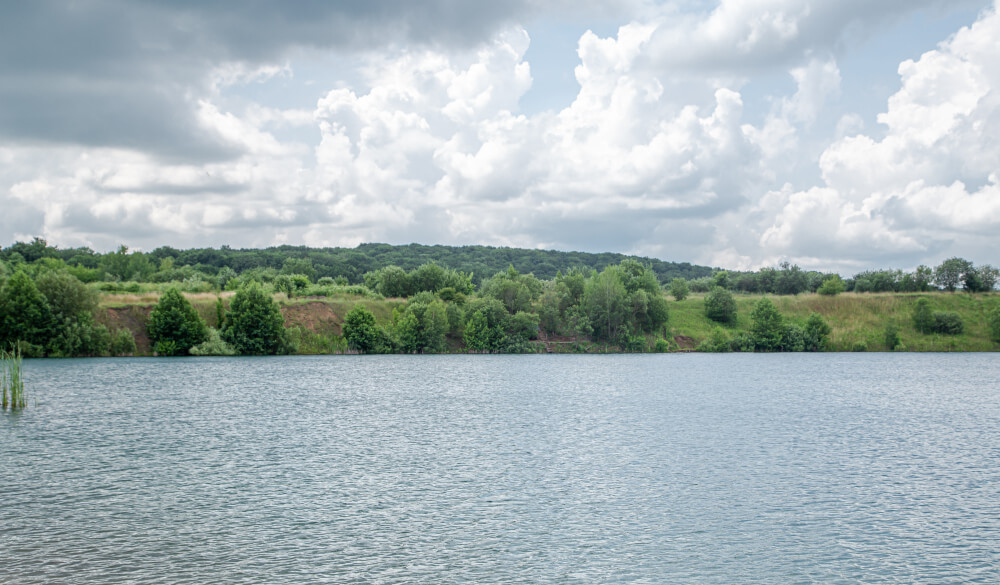
8 Days Serengeti, Ngorongoro & Zanzibar
The classic northern circuit paired with a closing beach stay on Zanzibar.
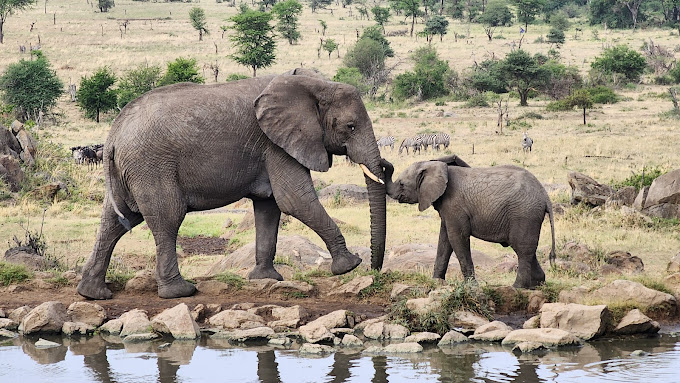
5 Days Serengeti & Ngorongoro
A focused five days covering Tanzania’s two most iconic wildlife destinations.
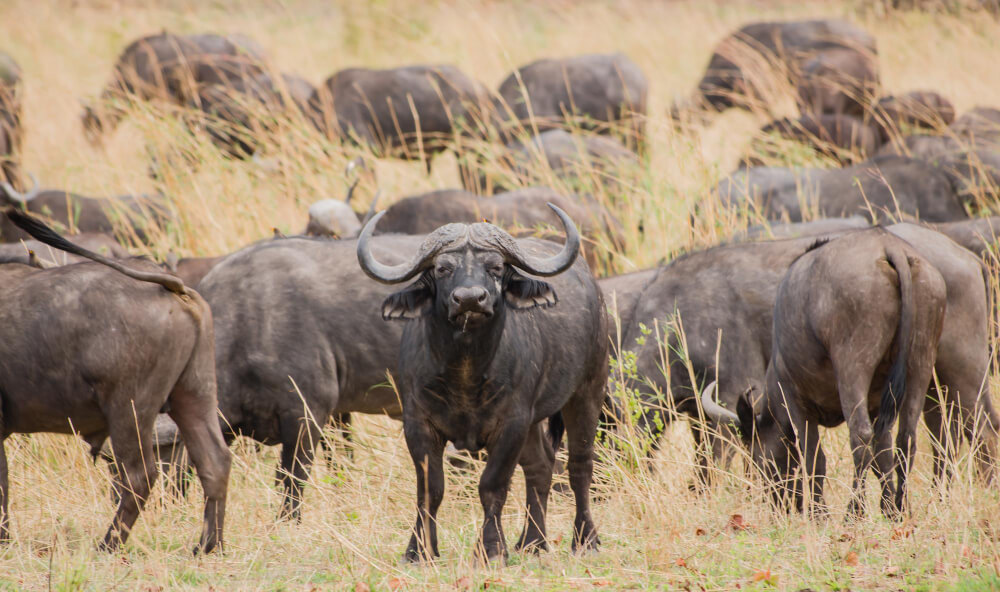
3 Days Serengeti Wildlife Safari
A concise introduction to the Serengeti for travellers with a short window of time.
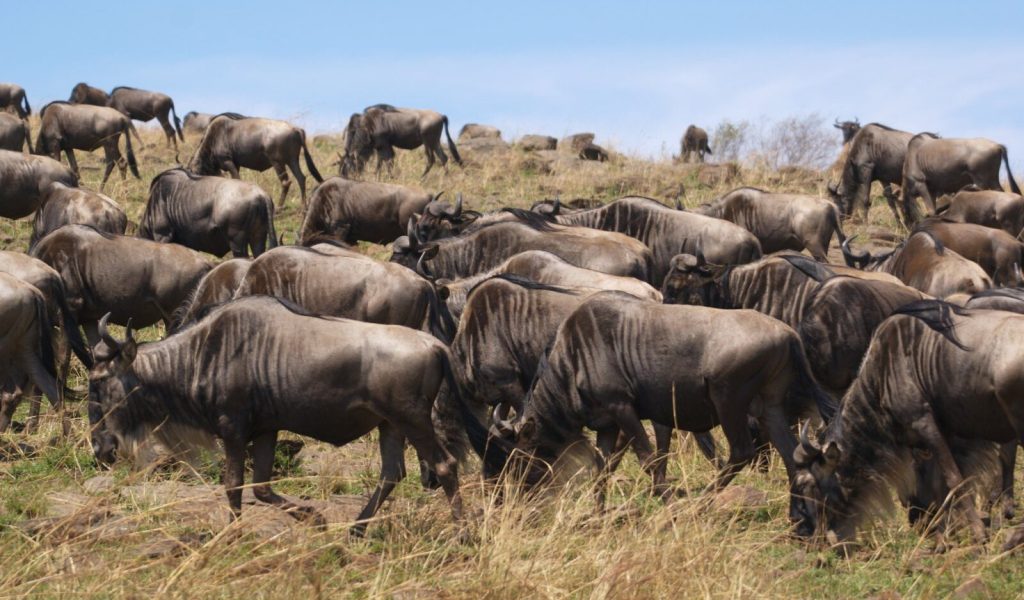
9-Day Tanzania-Uganda Safari
A cross-border itinerary combining Tanzania’s northern circuit with Uganda’s primate trekking.
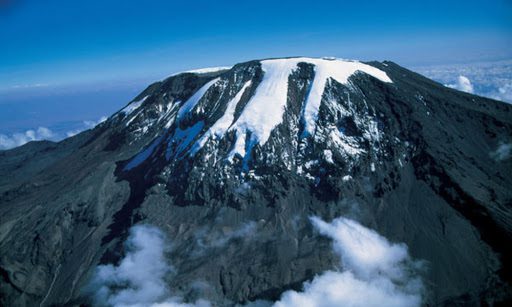
10 Day Ultimate Tanzania Safari
An in-depth circuit through Tanzania’s flagship northern parks with a well-paced itinerary.
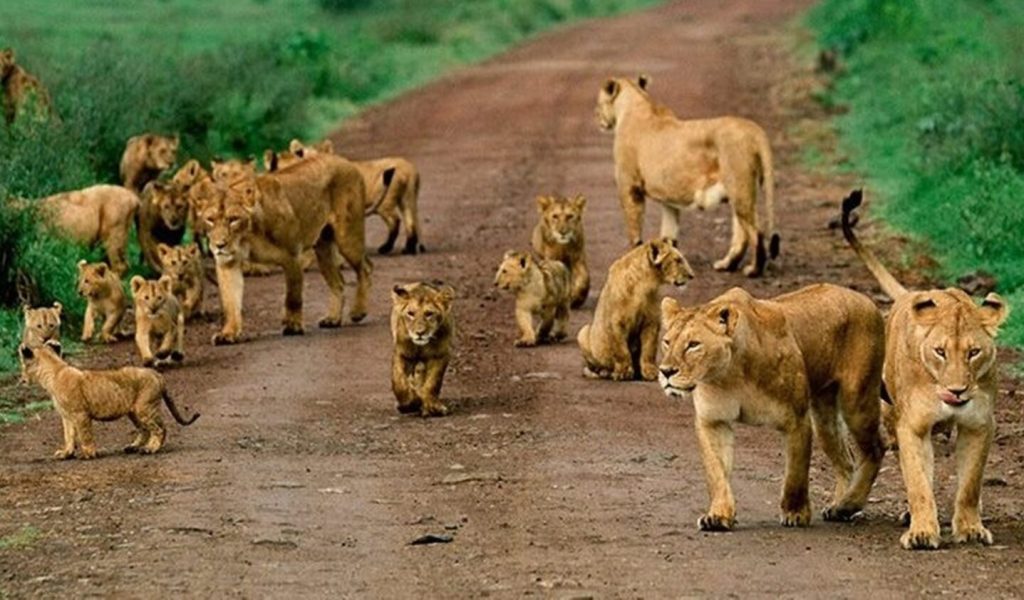
7 Days Epic Northern Tanzania Safari
A full week across the northern circuit’s key wildlife areas.
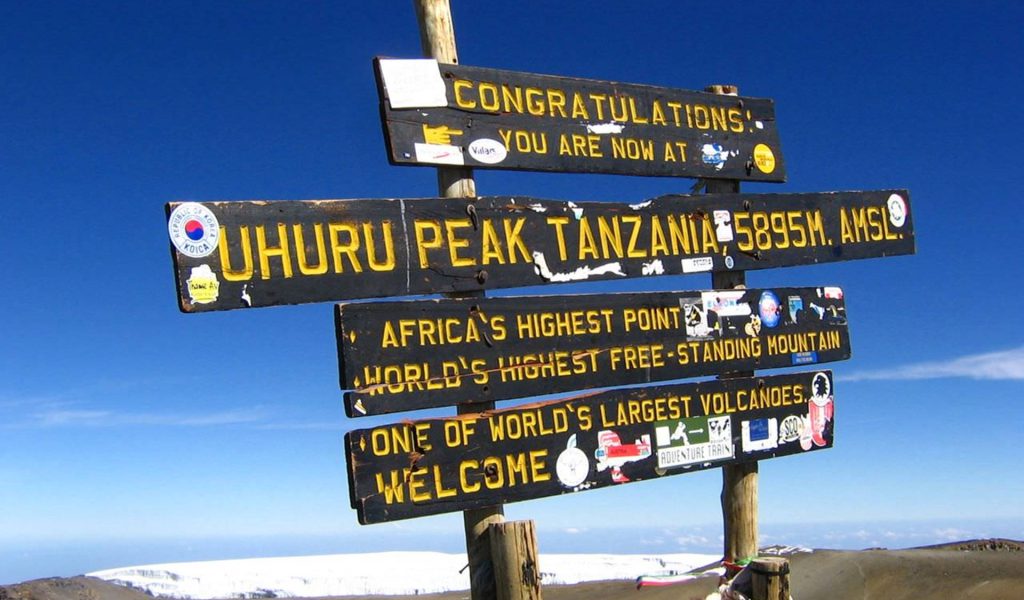
8 Day Kilimanjaro Hiking Safari
An alternative Kilimanjaro route itinerary for climbers seeking a different trekking experience.
6 Days Ngorongoro, Serengeti & Tarangire
All three of Tanzania’s flagship northern circuit parks in a single well-paced week.
6 Day Zanzibar Stone Town & Snorkeling
Stone Town history paired with snorkelling and beach time on Zanzibar.