
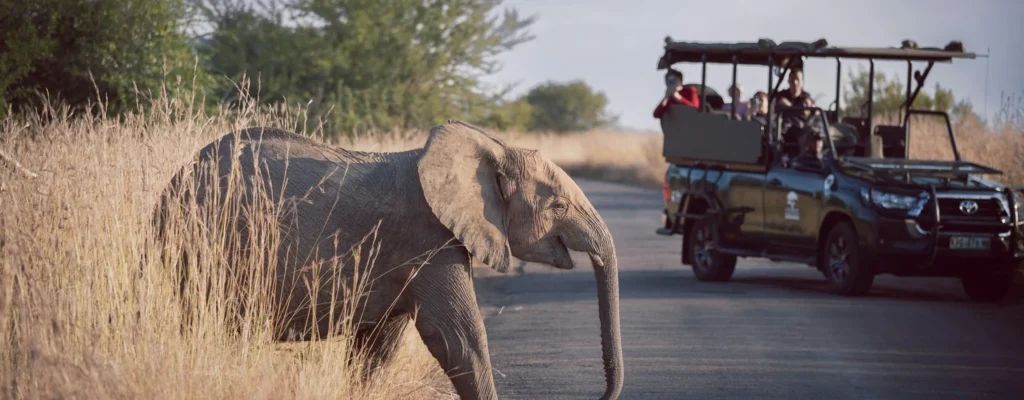
Full Day Nairobi City Tour in Kenya
Overview
Discover the vibrant capital of Kenya on this 1 Full Day Beautiful Nairobi City Tour. Nairobi is the only city in the world with a national park on its doorstep and offers a fascinating mix of wildlife, culture, history, and modern urban life. This tour takes you to some of Nairobi’s most popular attractions, including Nairobi National Park, the Giraffe Centre, the David Sheldrick Wildlife Trust, local markets, and cultural landmarks.
Whether you are visiting Kenya for the first time or have a free day before or after your safari, this tour offers a perfect introduction to Nairobi’s unique character and attractions.
Safari Highlights
- Game Drive
- Nature walks
Detailed Itinerary
Day 1: Full Day Nairobi City Tour
Your guide will pick you up from your hotel or residence early in the morning and begin the tour with a visit to Nairobi National Park.
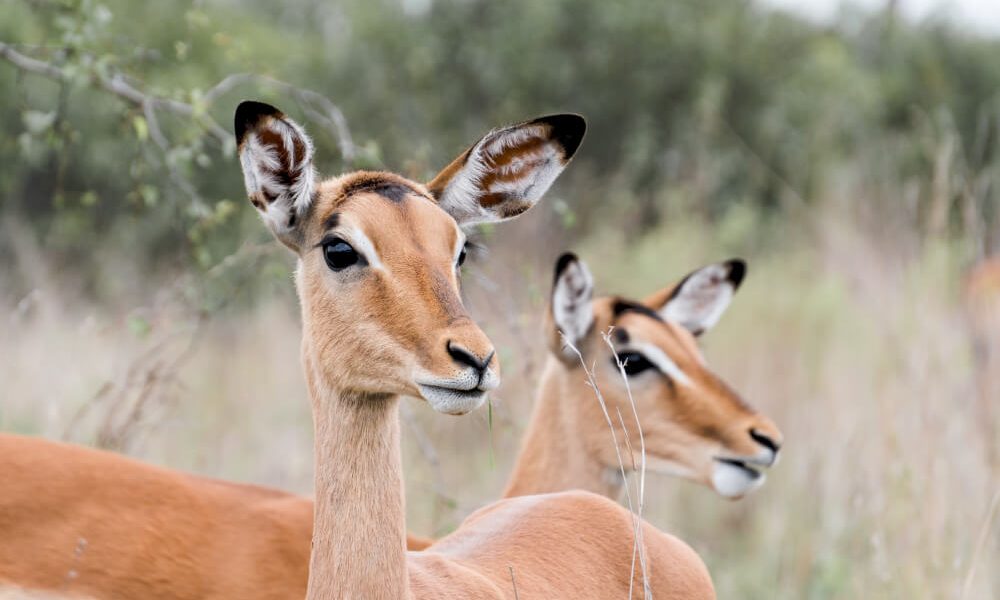
Enjoy a game drive through the park, where you may spot lions, rhinos, buffaloes, giraffes, zebras, ostriches, antelopes, and many other wildlife species against the backdrop of Nairobi’s skyline.
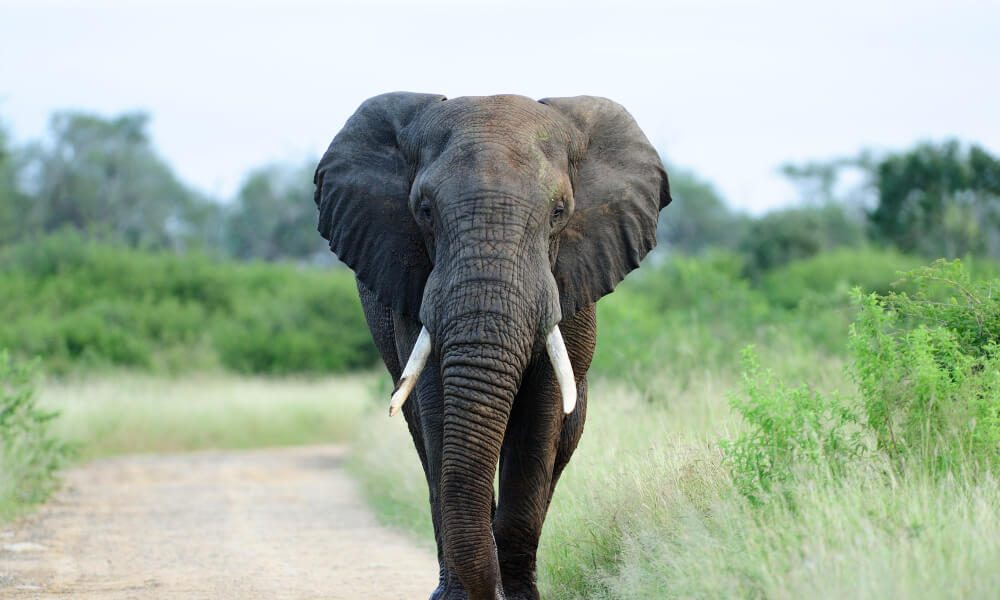
After the game drive, proceed to the David Sheldrick Wildlife Trust, where you will learn about elephant conservation and observe orphaned elephants during their feeding session.
Continue to the Giraffe Centre, where you can interact with and feed the endangered Rothschild’s giraffes from an elevated platform while learning about conservation efforts in Kenya.
Enjoy lunch at a local restaurant before visiting the Karen Blixen Museum, the former home of the famous author of Out of Africa. Explore the museum and learn about Kenya’s colonial history and the life of Karen Blixen.
Later in the afternoon, visit a local craft market where you can browse handmade souvenirs, artwork, jewellery, and traditional crafts made by local artisans.
Depending on time, enjoy a brief city drive through Nairobi’s central business district, passing important landmarks, government buildings, and cultural sites before returning to your hotel.
Meals: Lunch
Optional Activities
- Nairobi National Museum visit
- Bomas of Kenya cultural performances
- Kazuri Beads Women’s Factory tour
- Nairobi Railway Museum visit
- Walking tour of Nairobi city centre
- Coffee farm tour
- Carnivore Restaurant dining experience
- Sunset at Nairobi National Park
- Photography tour
- Shopping at Village Market or Two Rivers Mall
Tour Includes
- Travel in a 4×4 car
- Professional guide
- Park fees
- Accommodation
- Meals
- All Activities In Itinerary
Tour Excludes
- Alcoholic drinks
- Laundry
- Tips
- Shopping
- Insurance
- Anything not included per itinerary
Getting to Know Nairobi
Nairobi, Kenya’s capital and East Africa’s largest city, is often treated purely as a gateway to the country’s national parks, but a dedicated city tour reveals genuine cultural and historical depth, from the Nairobi National Museum’s collection spanning Kenyan history and natural history, to the Karen Blixen Museum, the former home of the author of Out of Africa.
This itinerary typically also includes the Giraffe Centre, where visitors can feed endangered Rothschild’s giraffes at close range, and the David Sheldrick Wildlife Trust, home to an elephant orphanage rehabilitating young elephants for eventual release back into the wild.
A Practical Add-On for Any Trip
Because this is a single day, it works especially well as an arrival or departure-day activity, filling what would otherwise be unstructured time around an international flight with genuine cultural and wildlife content rather than a full day lost to logistics.
Nairobi’s traffic can be significant during peak hours, so this itinerary is planned around timing that avoids the worst congestion wherever possible, keeping the day focused on the sites themselves.
Practical Notes
Most nationalities can apply for a Kenya e-visa online before travel, and Kenya participates in the East Africa Tourist Visa alongside Uganda and Rwanda. A yellow fever certificate is required for entry if arriving from a country with risk of transmission. Travel insurance covering wildlife activities and medical evacuation is strongly recommended.
Kenyan shillings are useful for everyday purchases, tips and markets, while US dollars printed after 2009 are widely accepted for park fees and lodge bills. Most lodges also accept card payments for incidentals.
Tipping is customary though not compulsory. Your driver-guide is typically tipped at the end of the full trip, scaled to group size and length of stay, and we’re glad to advise on typical ranges when you book.
Combining This Tour With a Wider Trip
This city tour works particularly well as an arrival-day activity before heading out to the Maasai Mara or another safari destination the following morning, easing you into the trip with a lower-intensity cultural day before the more active game-drive portion begins.
It also works as a closing activity before an international departure, giving a change of pace after a wildlife-focused safari and a chance to pick up souvenirs at Nairobi’s markets and craft centers before flying home.
The Great Migration in the Masai Mara
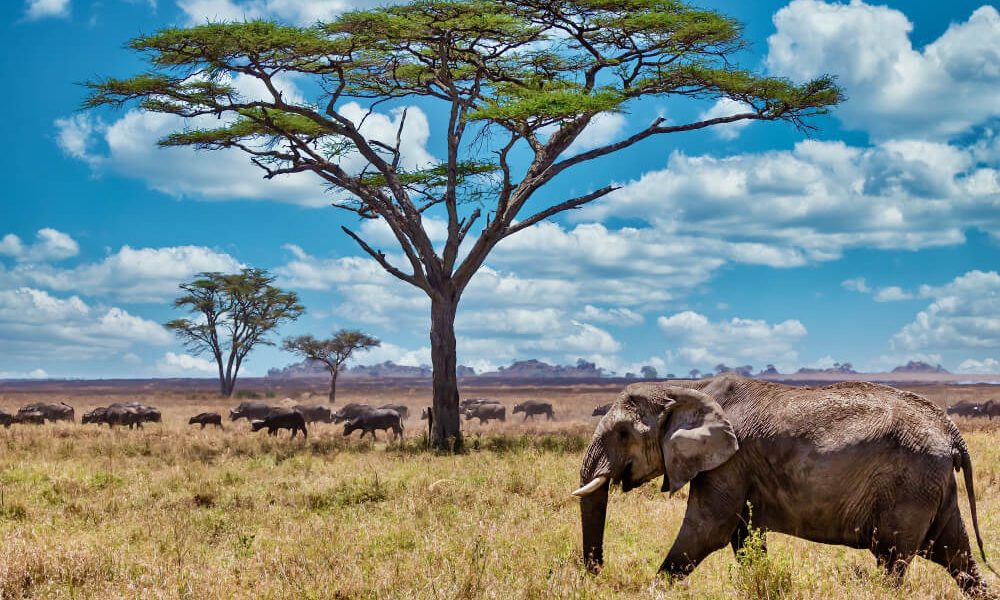
The Masai Mara National Reserve, an extension of Tanzania’s Serengeti ecosystem across the Kenyan border, is best known for the Great Migration, when over a million wildebeest along with hundreds of thousands of zebra and gazelle cross into the Mara between roughly July and October in search of fresh grazing. The dramatic river crossings at the Mara and Talek rivers, where crocodiles lie in wait and the herds must overcome both the current and steep banks, are among the most sought-after wildlife spectacles on the continent. Outside migration season, the Mara remains one of Africa’s most productive game-viewing areas year-round, with resident populations of lion, leopard, cheetah and elephant supported by its open, rolling grassland.
Nairobi City and Wildlife Highlights
Nairobi is one of the few capital cities in the world with a national park inside its boundaries, and a morning game drive in Nairobi National Park, with the city’s skyline visible behind grazing giraffe and rhino, is a genuinely unusual way to begin a Kenya safari. The Sheldrick Wildlife Trust’s Elephant Orphanage, where visitors can watch orphaned elephant calves being cared for and readied for eventual release back into the wild, and the Giraffe Centre, which lets visitors hand-feed endangered Rothschild’s giraffe at eye level, are both popular half-day additions for travellers with time before or after their safari.
Choosing When to Travel
East Africa’s weather generally divides into two dry seasons — roughly December to February and June to October — and two wetter periods around March to May and November, though rainfall patterns vary by country and region and have become somewhat less predictable in recent years. Dry-season travel tends to concentrate wildlife around permanent water sources, making game viewing more predictable, while the wetter months bring lush scenery, fewer other travellers, and better rates at many lodges, along with the arrival of migratory bird species. Neither period is a bad time to travel; the right choice depends more on whether the priority is guaranteed dry trails and concentrated wildlife or a quieter, greener experience.
Health and Travel Preparation
Most countries in this region require proof of yellow fever vaccination for entry, particularly if arriving from or having transited another yellow-fever-endemic country, and it is worth checking current requirements with your airline or embassy well ahead of departure. Malaria is present across most safari areas at varying risk levels, so consulting a travel health clinic about prophylaxis, alongside practical measures like insect repellent and covering up at dawn and dusk when mosquitoes are most active, is standard advice for the region. Comprehensive travel insurance that explicitly covers emergency medical evacuation is strongly recommended for any itinerary involving remote parks, since the nearest advanced medical facility can be several hours away by road or air.
Money and Practical Travel Tips
US dollars are widely accepted for park fees, permits and larger payments across the region, though local currency is generally needed for smaller purchases, tips and market shopping, and it is worth carrying a mix of both. Bank notes printed before 2009 are frequently refused at borders and by vendors, so it is worth requesting newer notes from your bank before travel. Tipping guides, drivers and lodge staff is customary and appreciated, though not obligatory, and most lodges and safari operators can advise on appropriate amounts if it is your first visit to the region.
Safari Vehicles and Getting Around
Most game drives are conducted in a 4×4 safari vehicle with a pop-up roof, allowing you to stand for unobstructed photography and viewing while remaining shaded from direct sun. On itineraries that combine several parks across a wide area, internal flights on light aircraft are often used to cut down long road transfers, particularly between remote parks like Kidepo Valley or across the wider Serengeti-Mara ecosystem, while road transfers between closer parks allow more scenery and a chance to pass through local towns and villages along the way. Your guide-driver typically stays with you for the full ground portion of the trip, providing continuity and increasingly detailed local knowledge as the days progress.
Choosing Accommodation on Safari
Safari accommodation ranges from simple tented camps with shared facilities to luxury lodges with private plunge pools, and the right choice depends more on personal priorities than on the quality of wildlife viewing available at each level. Mid-range lodges and permanent tented camps generally strike a good balance of comfort, character and value, often built with open-sided common areas that let you watch wildlife from the dining area or deck without needing to leave camp. Because many of the best-located properties have limited rooms, especially inside national parks rather than on their boundaries, booking accommodation early is often more time-sensitive than booking the safari itself, particularly for travel during peak dry-season months.
Wildlife Photography Tips
Early morning and late afternoon light, when the sun sits low and animals are most active, consistently produces the strongest wildlife photographs, which is part of why most game drives are scheduled around dawn and dusk rather than the middle of the day. A telephoto lens in the 100-400mm range covers most safari situations, though a wide-angle lens is worth having for landscape shots and for scenes where wildlife is close enough to include the surrounding habitat. Resting a camera on a beanbag across the vehicle’s window frame, rather than relying purely on handheld shots, noticeably improves sharpness, especially in the low light typical of early morning game drives.
Conservation Fees and Community Impact
Park entry fees, gorilla and chimpanzee permits, and conservancy fees paid by visitors form a direct funding stream for anti-poaching patrols, habitat protection and, in many areas, a formal revenue-sharing arrangement with communities living along park boundaries. This model has been credited with turning former poachers into park employees and guides in several of the region’s protected areas, and with funding schools, clinics and water projects in communities that once had little direct incentive to protect neighbouring wildlife. Choosing a safari that keeps permit and park fees intact, rather than one built around discounted or informal access, is one of the more concrete ways a traveller supports this system.
Flights and Arrival Logistics
Most international itineraries route through one of the region’s main hub airports — Entebbe for Uganda, Kigali for Rwanda, Nairobi or Mombasa for Kenya, and Kilimanjaro, Dar es Salaam or Zanzibar for Tanzania — with connecting flights or road transfers arranged from there to the specific parks on your itinerary. Visa requirements vary by nationality and by country, though several East African nations now offer e-visas processed online in advance, and Kenya, Rwanda and Uganda participate in an East Africa Tourist Visa that allows single-entry travel across all three countries on one visa, which is useful for itineraries that cross borders. Arrival airports typically operate best in daylight hours, so overnight arrivals are usually followed by a night near the airport before heading out to the parks the next morning.
Get Your Tailored 1 Full Day Beautiful Nairobi City Tour in Kenya
Our Green Spot Campaign
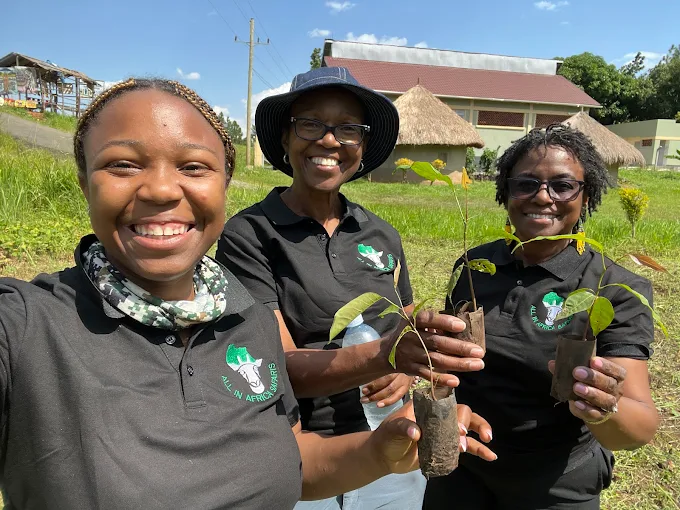
Every safari with us supports our Green Spot Campaign — planting trees and giving back to local communities across Africa. Learn more & get involved →
16-Days Ultimate Kenya Safari
Kenya’s most complete itinerary, covering the Mara, Amboseli, Nakuru and Tsavo circuits in one comprehensive trip.
8-Days African Big 5 Safari
A week-long circuit built around Kenya’s Big Five wildlife across several of the country’s flagship parks.
6-Day Kenya Rift Valley Safari
A wildlife-focused week exploring the lakes and escarpments of Kenya’s Great Rift Valley.
5-Days Lake Nakuru & Masai Mara
Flamingos and rhinos at Lake Nakuru paired with the wildlife density of the Maasai Mara.
7-Days Kenya Wildlife Viewing
A well-paced week designed around maximising wildlife sightings across Kenya’s most productive parks.
3-Day Amboseli Safari
A short, focused trip to Amboseli for elephant herds and Kilimanjaro views without a long time commitment.
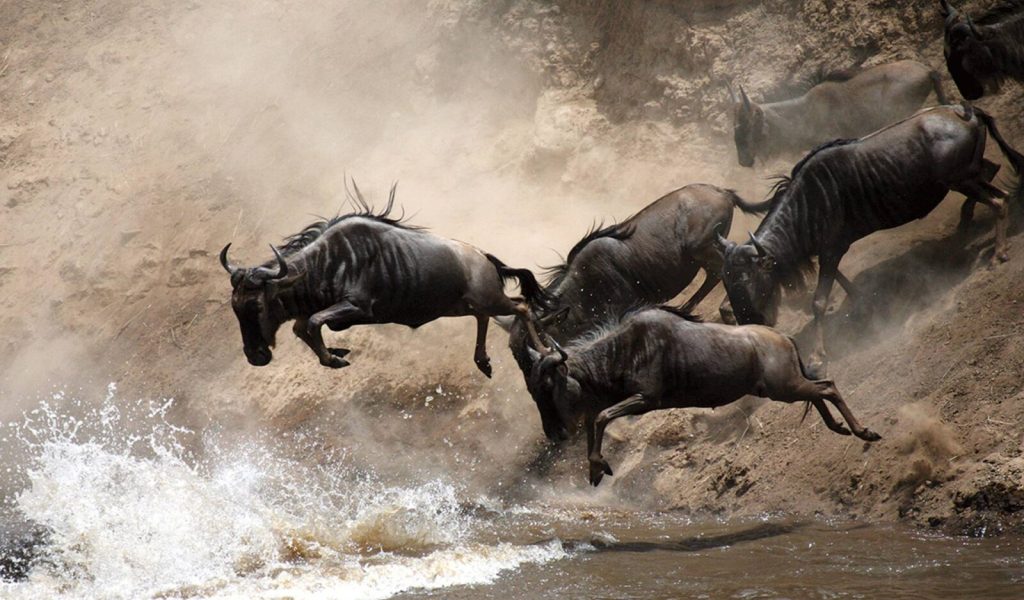
8-Days Great Migration Adventure
A dedicated migration-season itinerary timed to the Mara’s dramatic river crossings.
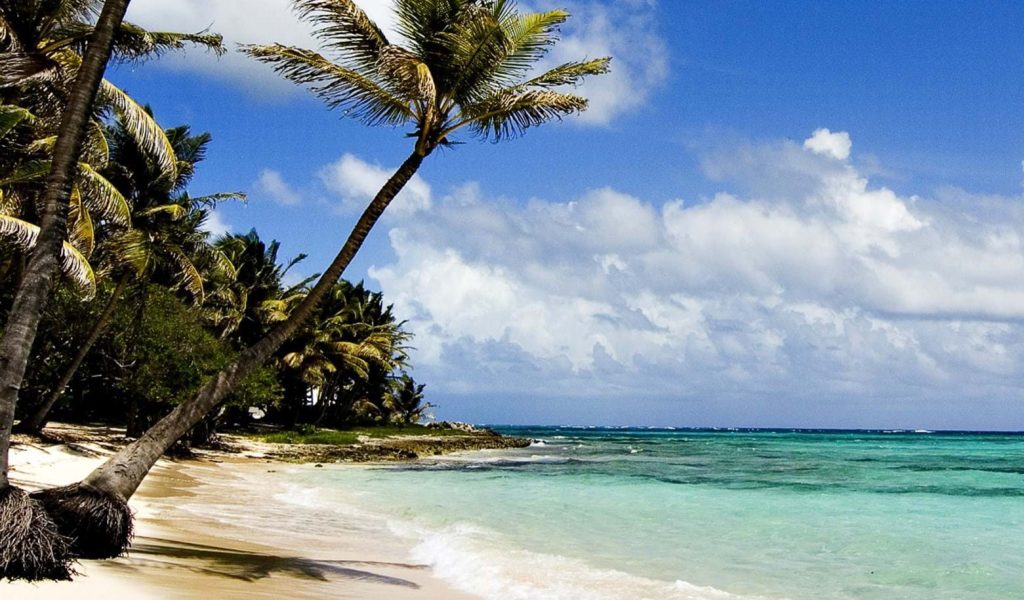
7-Days Kenya Beach & Wildlife
Wildlife viewing paired with a relaxed coastal finish at Wasini and Malindi’s beaches.
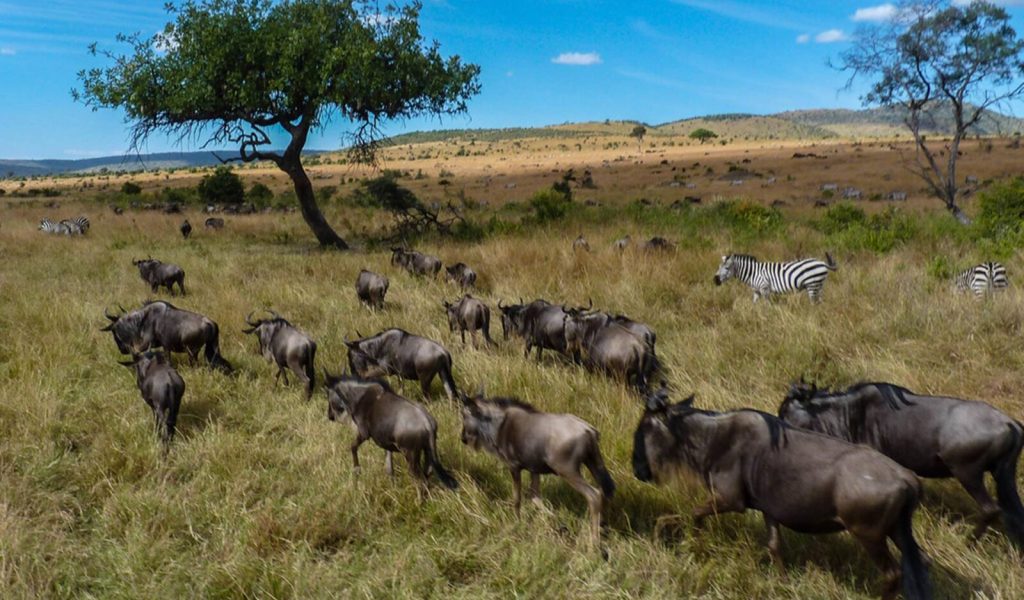
6-Days Mara, Nakuru & Amboseli
Our classic three-park combination covering Kenya’s most iconic wildlife destinations.
1-Day Nairobi City Tour
A full day exploring Nairobi’s culture and attractions, ideal as an arrival or departure-day add-on.
8-Days Big Five Kenya Safari
A comprehensive week-long circuit built specifically around Big Five sightings across Kenya’s top parks.
8-Days Migration Adventure
Eight days timed around the Great Migration’s peak movement through the Mara ecosystem.
3 Days Masai Mara Safari
A concise introduction to the Mara for travellers with a short window of time.
4 Days Nakuru & Masai Mara
A short two-park combination pairing Lake Nakuru’s rhinos and flamingos with the Mara.
5 Days Kenya Safari
A five-day circuit through Kenya’s most celebrated wildlife areas.
7 Days Kenya Safari
A full week exploring a broad range of Kenya’s national parks and reserves.