
Choosing the right camera gear for an African safari genuinely matters more than for most other types of travel photography, given how much wildlife sightings depend on reach, speed, and reliability under dusty, unpredictable field conditions – and getting your kit right before you travel makes a real difference to the photos you actually come home with.
Choosing the Right Lens: Reach Matters Most
A telephoto zoom in the 100-400mm range is genuinely the single most important piece of safari camera equipment, covering the vast majority of wildlife sightings from a safari vehicle without requiring you to get dangerously or disruptively close. Serious wildlife photographers often extend to 500mm or 600mm for smaller or more distant subjects, though this comes with a genuine weight and cost trade-off worth weighing against your actual needs.
Do You Need a Wide-Angle Lens Too?
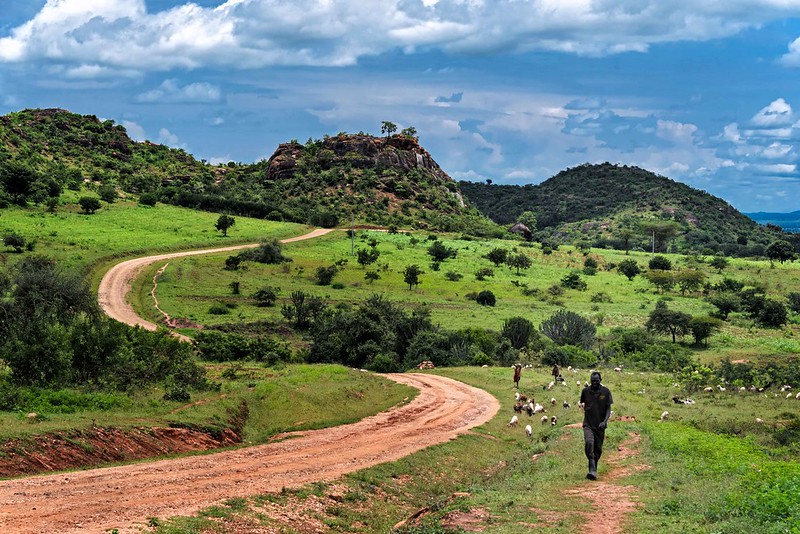
Beyond your primary telephoto, a wider-angle lens, roughly 16-35mm, is genuinely worth packing for landscape shots, dramatic skies, and capturing the scale of destinations like the Serengeti or Uganda’s mountain forest parks, where the wider environment is as much a part of the story as individual animals. Many photographers underestimate how often they’ll reach for this second lens once actually in the field.
Camera Body Considerations
A camera body with fast, reliable autofocus and a reasonably quick burst rate makes a genuine difference to capturing fast-moving action, whether that’s a cheetah hunt or a bird taking flight, more than raw resolution alone. Mirrorless bodies have become increasingly popular for safari photography given their generally faster autofocus performance and lighter overall weight compared to older DSLR systems.
Gorilla Trekking Photography: A Different Challenge
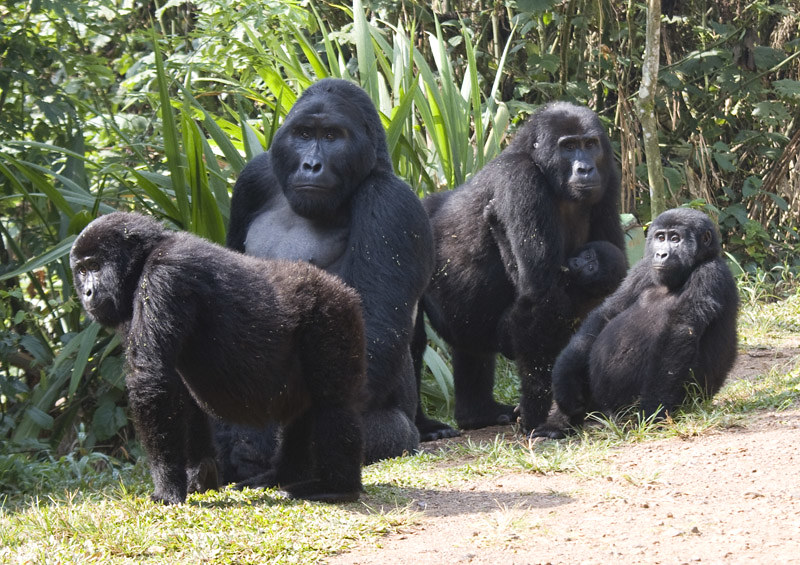
Gorilla trekking presents genuinely different photographic demands from a standard game drive, given the dense forest’s low light and the requirement to photograph from a respectful, fixed distance rather than freely repositioning. A fast lens with a wide maximum aperture, ideally f/2.8 or faster, makes a real difference here, and our gorilla trekking guide covers the physical side of carrying gear on a genuinely demanding trek.
Protecting Your Gear From Dust
African safari dust is genuinely pervasive, working its way into camera bodies and lenses during open-vehicle game drives, making a good weather-sealed camera body and lens combination worth prioritising if you’re investing in new gear specifically for a trip. A simple rain cover or dust bag, along with regular sensor cleaning during a longer trip, helps protect gear that isn’t fully weather-sealed.
Batteries, Storage, and Power
Bringing more spare batteries and memory cards than you think you’ll need is genuinely sensible, given how much shooting volume a single good game drive can generate and how limited charging opportunities can be at more remote camps. A portable power bank compatible with your camera charger adds real peace of mind for multi-day stretches away from reliable mains power.
Beanbags and Camera Support
A beanbag, resting on the vehicle’s window frame or roof hatch, is genuinely the most practical camera support for safari photography, offering stability without the impracticality of a full tripod in a moving or repositioning vehicle. Many photographers bring an empty bag and fill it with dried beans or rice on arrival, avoiding the need to transport a filled bag through airport security.
Binoculars: Genuinely Essential Alongside Your Camera
A good pair of binoculars remains genuinely essential even for dedicated photographers, since spotting distant wildlife before deciding whether it’s worth repositioning for a photograph saves considerable time and improves your overall sighting rate. This is especially true in vast landscapes like Tsavo or the wider Serengeti ecosystem.
Editing and Backing Up Photos in the Field
A laptop or tablet for backing up photos each evening, alongside a portable hard drive as a second copy, genuinely protects against the real risk of card failure or loss during a longer trip. Basic in-field editing also helps you gauge what’s working and adjust your approach for subsequent game drives while details are still fresh.
What to Pack Beyond the Camera Itself
Standard game drive gear – neutral clothing, sun protection, and a hat – matters for photography too, since bright colours can occasionally affect wildlife behaviour and neutral tones simply photograph better against natural backgrounds. If your wider itinerary includes gorilla trekking, our gorilla trekking packing list covers the additional forest-specific essentials.
Photography During the Wildebeest Migration
Photographing the migration’s river crossings demands genuine patience and a faster shutter speed to freeze the chaotic motion of a crossing in progress, along with a telephoto lens capable of isolating individual animals within a genuinely massive, moving herd. Positioning at a likely crossing point well in advance, guided by an experienced driver, matters more than gear alone.
Renting vs Buying Specialised Gear
Renting a longer telephoto lens specifically for a single trip is a genuinely sensible option for travelers who don’t regularly shoot wildlife photography, avoiding the significant cost of purchasing specialised gear used only occasionally, whether you’re photographing a balloon safari over the Serengeti or a standard game drive. Several camera rental services now ship internationally, making this a practical middle ground between borrowed gear and a full personal investment.
Camera Settings Worth Adjusting Before Your Trip
Learning your camera’s back-button focus and continuous autofocus tracking settings before you travel, rather than figuring them out mid-safari, genuinely improves your keeper rate for fast-moving action shots. Similarly, familiarising yourself with manual exposure settings for the harsh midday light common on game drives, and the softer conditions typical of early morning and late afternoon, pays real dividends once you’re actually in the field.
Photographing From an Open Safari Vehicle
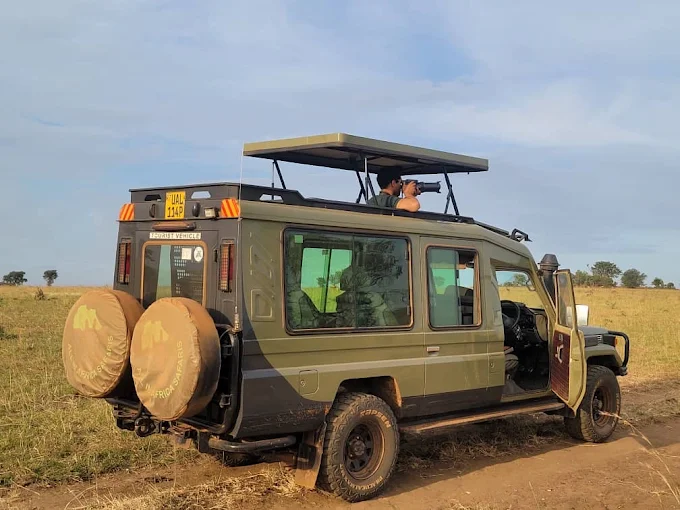
Most safari vehicles offer open sides or a pop-up roof, both genuinely advantageous for photography compared to a fully enclosed car, since they eliminate window glass and allow far more flexible shooting angles. Positioning yourself strategically within the vehicle, and communicating with your guide about which side offers the best light or angle on a given sighting, makes a real difference to your results.
Photography Etiquette on Game Drives
Respecting your guide’s instructions about vehicle positioning and distance from wildlife matters both for animal welfare and for getting genuinely better shots, since experienced guides know how to approach without disturbing natural behaviour. Avoiding flash photography around wildlife, particularly at night or in low light, is also a widely observed courtesy that protects both the animals and the sighting for other vehicles nearby.
Photographing Birds on Safari
East Africa’s exceptional bird diversity rewards travelers who bring a genuine interest in bird photography alongside standard Big Five shooting, though birds generally demand faster shutter speeds and more precise focus tracking than larger, slower-moving mammals. A teleconverter, extending your existing telephoto lens’s reach, can be a worthwhile addition specifically for smaller bird subjects at distance, including Uganda’s famously elusive shoebill stork.
Insurance for Camera Equipment
Given the genuine value of a full safari camera kit, confirming your travel insurance covers camera equipment, or arranging separate gear insurance if it doesn’t, is worth doing before departure given the real risk of loss, theft, or damage during extended field use. Keeping serial numbers and proof of ownership documentation accessible also simplifies any claims process should something go wrong.
Charging and Power Considerations at Remote Camps
Many remote safari camps rely on solar or generator power with limited charging hours, making a portable battery pack and efficient charging habits genuinely important for longer stays away from reliable mains electricity. Confirming charging facilities with your specific camps in advance helps you plan battery and storage needs realistically for each leg of your trip.
Frequently Asked Questions
What’s the single most important lens for a safari?
A telephoto zoom in the 100-400mm range, covering the vast majority of wildlife sightings from a safari vehicle without requiring dangerous proximity, whether that’s a distant lion pride or a grazing elephant herd.
Do I need a professional camera body, or will a phone work?
A phone can capture some scenes, but genuine wildlife photography, particularly distant or fast-moving subjects, requires a dedicated camera with proper zoom capability.
Is a tripod worth bringing on safari?
Generally no – a beanbag resting on the vehicle window offers more practical stability than a full tripod in a moving or repositioning vehicle.
How many memory cards should I bring?
More than you think you’ll need, given how much shooting volume a single strong game drive can generate, especially during peak wildlife activity.
Is gorilla trekking photography different from standard game drives?
Yes, given the forest’s lower light and fixed viewing distance, a faster lens with a wider maximum aperture makes a genuine difference here.
What about photographing the tree-climbing lions of Queen Elizabeth?
See our tree-climbing lions guide for specific tips on capturing this genuinely unusual behaviour, which often requires shooting upward at an angle.
Should I bring a laptop just for photo backup?
A lighter option is a dedicated portable hard drive with built-in card reading, avoiding the weight and security concerns of travelling with a full laptop.
Ready to Plan Your Photography Safari?
Whether classic Big Five photography, gorilla trekking, or the wildebeest migration is your priority, our team can build an itinerary genuinely matched to your photographic goals and timing. Get in touch with our team below today and let’s start planning your safari together.

No comment