
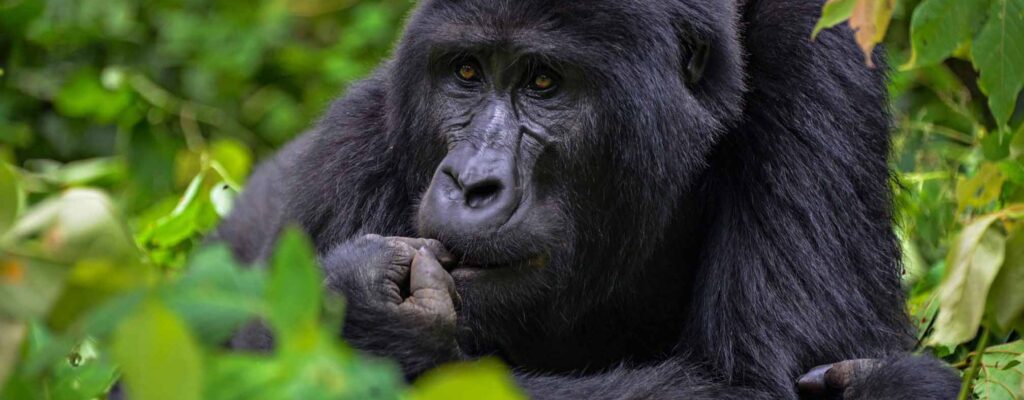
3 Days Low Land Gorilla Trek
Overview
The 3 Days Lowland Gorilla Trek Safari takes you deep into the tropical rainforests of Kahuzi-Biega National Park in the eastern Democratic Republic of Congo. This UNESCO World Heritage Site is home to the rare Eastern Lowland Gorillas, the largest gorilla subspecies in the world. The safari offers an extraordinary opportunity to observe these gentle giants in their natural habitat while exploring one of Africa’s most biologically diverse forests.
The tour begins and ends in Kigali, Rwanda, with a scenic journey through Cyangugu and Bukavu before reaching Kahuzi-Biega National Park.
Safari Highlights(Low Land Gorilla Trek)
- Lowland gorilla trekking
Detailed Itinerary
Day 1: Kigali to Bukavu
After breakfast, your driver-guide will pick you up from your hotel in Kigali and begin the journey to the Rwanda-DR Congo border at Cyangugu.
Complete immigration formalities before crossing into the Democratic Republic of Congo. Continue to Bukavu, a charming lakeside town located on the southern shores of Lake Kivu. Upon arrival, check into your lodge and enjoy the remainder of the day relaxing while taking in the beautiful views of the lake and surrounding hills.
Accommodation Options
Budget: Exodus Bukavu Hotel
Mid-range: Panorama Hotel Bukavu
Luxury: Orchid Safari Club
Meals: Lunch and Dinner
Day 2: Eastern Lowland Gorilla Trekking in Kahuzi-Biega National Park
After an early breakfast, transfer to the Kahuzi-Biega National Park headquarters for registration and a briefing by park rangers.
Following the briefing, enter the rainforest accompanied by experienced guides and trackers in search of a habituated Eastern Lowland Gorilla family. The trek can last from one to four hours depending on the movement and location of the gorillas.
Once the gorillas are located, you will spend one unforgettable hour observing them in their natural habitat. Watch the dominant silverback lead the family while females care for their young and juveniles play around the group.
The Eastern Lowland Gorilla is noticeably larger than the mountain gorilla and offers a unique trekking experience found nowhere else in East Africa.
After the trek, return to the lodge for lunch and relaxation.
In the afternoon, you may choose to explore Bukavu town or relax at the lodge overlooking Lake Kivu.
Accommodation
As above
Meals: Breakfast, Lunch and Dinner
Day 3: Bukavu to Kigali
Enjoy breakfast at the lodge before checking out.
Begin the return journey to Kigali via the Cyangugu border crossing. Along the way, enjoy views of Rwanda’s rolling hills, tea plantations, and picturesque countryside.
Arrive in Kigali during the afternoon and transfer to Kigali International Airport or your hotel, marking the end of your Eastern Lowland Gorilla trekking adventure.
Meals: Breakfast and Lunch
Optional Activities
Kahuzi-Biega National Park
- Mount Kahuzi hiking
- Bird watching excursions
- Guided nature walks
- Forest photography tours
- Primate viewing experiences
Bukavu
- Lake Kivu boat excursion
- Cultural and community visits
- Local market tour
- Coffee farm experience
- Sunset views along Lake Kivu
Rwanda Extension Options
- Gorilla trekking in Volcanoes National Park
- Golden monkey tracking
- Nyungwe chimpanzee tracking
- Kigali city tour
- Akagera National Park safari
Tour Includes
- Travel in a 4×4 car
- Professional guide
- Park fees
- Accommodation
- Meals
- All Activities In Itinerary
Tour Excludes
- Alcoholic drinks
- Laundry
- Tips
- Shopping
- Insurance
- Anything not included per itinerary
Tracking the Eastern Lowland Gorilla
This three-day itinerary is built around Kahuzi-Biega National Park’s Eastern lowland gorillas, the largest gorilla subspecies on earth and found nowhere outside eastern DRC, offering a genuinely different trekking experience from the mountain gorilla treks available in Virunga, Rwanda and Uganda.
Based near Bukavu on Lake Kivu, this itinerary suits travelers specifically interested in the Eastern lowland subspecies, whether as a standalone trip or an addition to a broader Rwanda-based itinerary given Bukavu’s proximity to the Rwandan border.
Practical Notes
Most nationalities require a DRC visa arranged in advance of travel; we assist with the required paperwork as part of every Congo booking. A yellow fever certificate is required for entry. Travel insurance covering trekking activities and medical evacuation is strongly recommended given the remote terrain involved.
US dollars printed after 2009 are widely accepted for permits, park fees and lodge bills throughout eastern DRC, and are generally more practical than the Congolese franc for a short visit.
Tipping is customary though not compulsory. Rangers and trackers typically receive a tip at the end of any trekking activity, generally scaled to group size, while your driver-guide is usually tipped separately at the end of the full trip.
We coordinate every Congo itinerary directly with the relevant park authority and only operate into currently accessible, cleared sectors, briefing every traveler on current on-the-ground conditions ahead of their trip.
What Makes Eastern Lowland Gorillas Different
Eastern lowland gorillas are noticeably larger than mountain gorillas, with mature silverbacks capable of exceeding 200 kilograms, and they live in generally flatter, denser lowland and montane forest rather than the steep volcanic slopes mountain gorillas favor in Virunga, Rwanda and Uganda.
Trekking conditions at Kahuzi-Biega tend to involve more level walking than the steep terrain of Virunga or Volcanoes National Park, though the forest’s density can make visibility more limited at the point of encounter.
Who This Itinerary Suits
This itinerary suits travelers specifically motivated by the Eastern lowland gorilla subspecies, whether primatologists, dedicated wildlife photographers, or travelers who have already trekked mountain gorillas and want a genuinely different primate encounter.
Based in Bukavu, this itinerary also works well as an extension for travelers already in Rwanda, given the city’s position on Lake Kivu within reasonable driving distance of the Rwandan border.
Gorilla Trekking in Volcanoes National Park
Volcanoes National Park protects the Rwandan side of the Virunga Massif, a chain of dormant and active volcanoes shared with Uganda and the Democratic Republic of Congo, and is where Dian Fossey carried out much of the mountain gorilla research that first drew international attention to the species. Treks here tend to reach gorilla families faster on average than in Bwindi, since the park’s habituated groups generally range at somewhat lower altitudes on the volcanoes’ lower slopes, though the terrain is still often steep and can be muddy. A visit to the Dian Fossey Tomb and former research camp, reached by a moderately strenuous hike, is a popular add-on for travellers interested in the conservation history behind the park.
Big Five Safari at Akagera National Park
Akagera National Park, in Rwanda’s far east along the Tanzanian border, is the country’s only savannah park and, following a sustained reintroduction and anti-poaching programme, is once again a genuine Big Five destination — lions were reintroduced in 2015 and eastern black rhinos in 2017, joining the park’s existing elephant, buffalo and leopard populations. The park’s landscape of rolling savannah, papyrus swamp and a chain of lakes along its eastern edge supports one of the richest bird lists in Rwanda, alongside substantial herds of zebra, impala and topi. A boat cruise on Lake Ihema is one of the park’s highlights, bringing close sightings of hippo pods, crocodiles and fish eagles against a backdrop that feels markedly different from Rwanda’s mountainous west.
Canopy Walk and Chimp Trekking in Nyungwe
Nyungwe Forest National Park protects one of Africa’s oldest and most biodiverse montane rainforests, home to thirteen primate species including chimpanzees and large troops of Angola colobus monkeys that can number in the hundreds. The park’s canopy walkway, suspended around 60 metres above the forest floor and stretching roughly 200 metres between three viewing platforms, offers a rare perspective on the rainforest ecosystem below and views across the forested valleys toward Lake Kivu. Chimpanzee trekking here is generally more physically demanding than in Uganda’s Kibale Forest, since Nyungwe’s chimps range across steep, hilly terrain, but the reward is time with one of the largest habituated chimp communities in East Africa.
Relaxing at Lake Kivu
Lake Kivu, one of Africa’s Great Lakes straddling the border between Rwanda and the Democratic Republic of Congo, offers a genuinely restful counterpoint to the physical demands of gorilla trekking. Unlike many of Africa’s lakes, Kivu is free of both crocodiles and the bilharzia parasite, making it one of the few large lakes on the continent that is safe to swim in. Towns along the Rwandan shoreline, particularly Gisenyi and Kibuye, have developed a relaxed lakeside atmosphere with waterfront lodges, and a boat trip out to one of the lake’s islands or simply an evening watching local fishermen head out in their traditional wooden boats makes for an easy final day before flying home.
Eastern Lowland Gorillas at Kahuzi-Biega
Kahuzi-Biega National Park, named for the two extinct volcanoes at its centre, protects the last significant population of Grauer’s gorilla, also known as the eastern lowland gorilla, the largest of all gorilla subspecies. Treks here take place across lower-altitude, less physically demanding terrain than mountain gorilla trekking in the Virungas, moving through dense lowland and bamboo forest to reach one of the park’s habituated families. Because Grauer’s gorillas exist only in eastern Congo and their numbers have declined sharply over recent decades due to habitat loss and instability in the region, a successful trek here is a genuinely rare wildlife encounter.
Money and Practical Travel Tips
US dollars are widely accepted for park fees, permits and larger payments across the region, though local currency is generally needed for smaller purchases, tips and market shopping, and it is worth carrying a mix of both. Bank notes printed before 2009 are frequently refused at borders and by vendors, so it is worth requesting newer notes from your bank before travel. Tipping guides, drivers and lodge staff is customary and appreciated, though not obligatory, and most lodges and safari operators can advise on appropriate amounts if it is your first visit to the region.
Safari Vehicles and Getting Around
Most game drives are conducted in a 4×4 safari vehicle with a pop-up roof, allowing you to stand for unobstructed photography and viewing while remaining shaded from direct sun. On itineraries that combine several parks across a wide area, internal flights on light aircraft are often used to cut down long road transfers, particularly between remote parks like Kidepo Valley or across the wider Serengeti-Mara ecosystem, while road transfers between closer parks allow more scenery and a chance to pass through local towns and villages along the way. Your guide-driver typically stays with you for the full ground portion of the trip, providing continuity and increasingly detailed local knowledge as the days progress.
Choosing Accommodation on Safari
Safari accommodation ranges from simple tented camps with shared facilities to luxury lodges with private plunge pools, and the right choice depends more on personal priorities than on the quality of wildlife viewing available at each level. Mid-range lodges and permanent tented camps generally strike a good balance of comfort, character and value, often built with open-sided common areas that let you watch wildlife from the dining area or deck without needing to leave camp. Because many of the best-located properties have limited rooms, especially inside national parks rather than on their boundaries, booking accommodation early is often more time-sensitive than booking the safari itself, particularly for travel during peak dry-season months.
Wildlife Photography Tips
Early morning and late afternoon light, when the sun sits low and animals are most active, consistently produces the strongest wildlife photographs, which is part of why most game drives are scheduled around dawn and dusk rather than the middle of the day. A telephoto lens in the 100-400mm range covers most safari situations, though a wide-angle lens is worth having for landscape shots and for scenes where wildlife is close enough to include the surrounding habitat. Resting a camera on a beanbag across the vehicle’s window frame, rather than relying purely on handheld shots, noticeably improves sharpness, especially in the low light typical of early morning game drives.
Get Your Tailored 3 Days Low Land Gorilla Trek
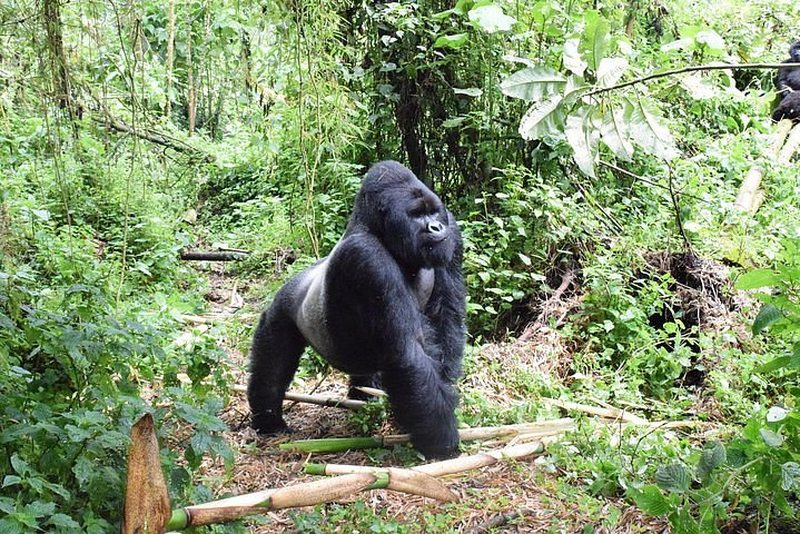
7 Days Virunga & Kahuzi-Biega Gorilla Safari
DRC’s most complete gorilla itinerary, combining mountain and Eastern lowland gorilla trekking in one trip.
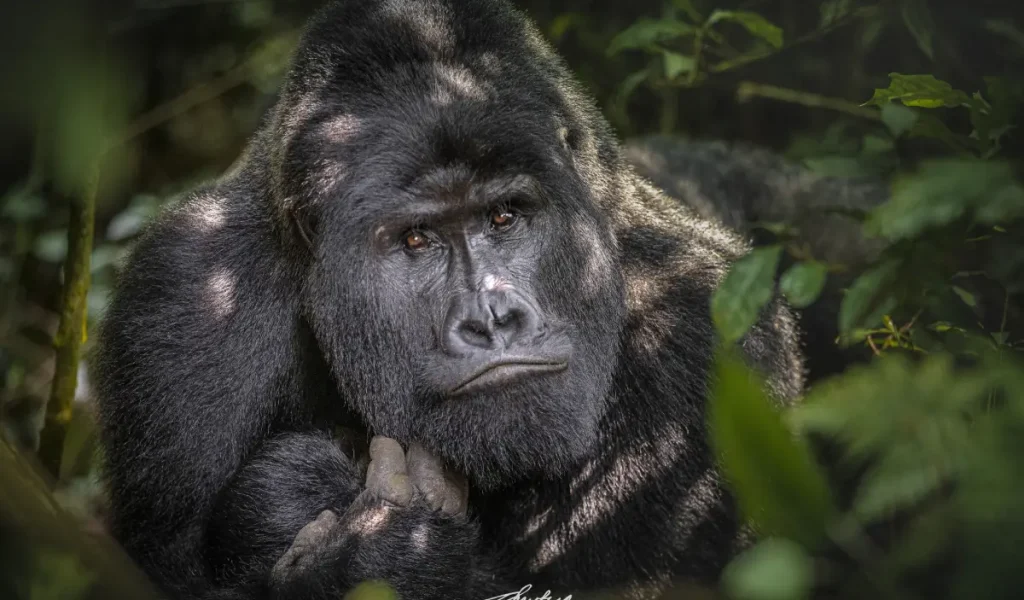
6 Days Congo Gorillas, Nyiragongo & Lake Kivu
Mountain gorilla trekking and the Nyiragongo volcano hike, with a genuine rest day on Lake Kivu.
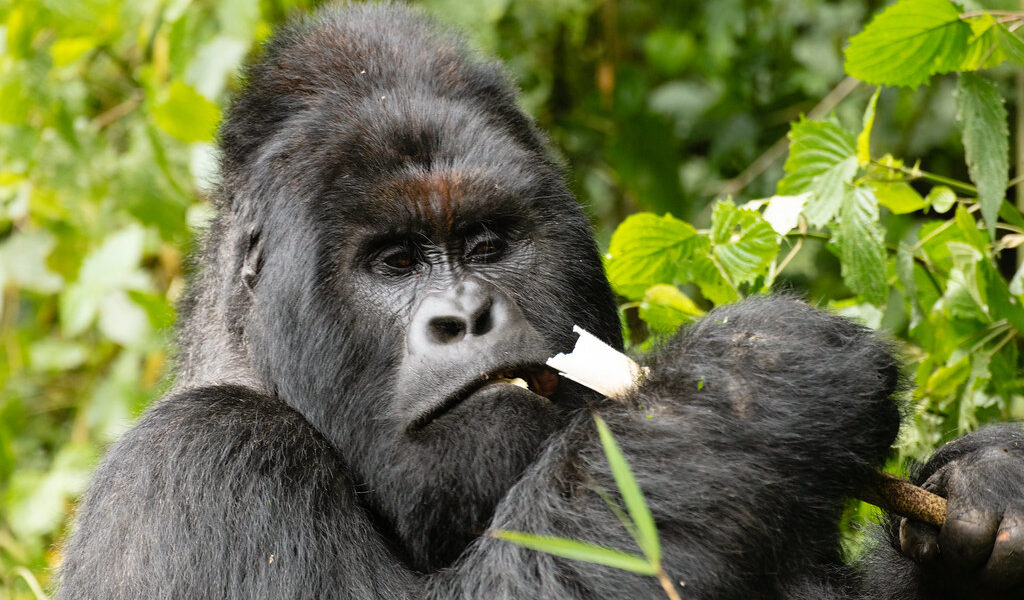
5 Days Congo Safari
Gorilla trekking paired with the Nyiragongo volcano hike and some of the region’s best scenic hiking.
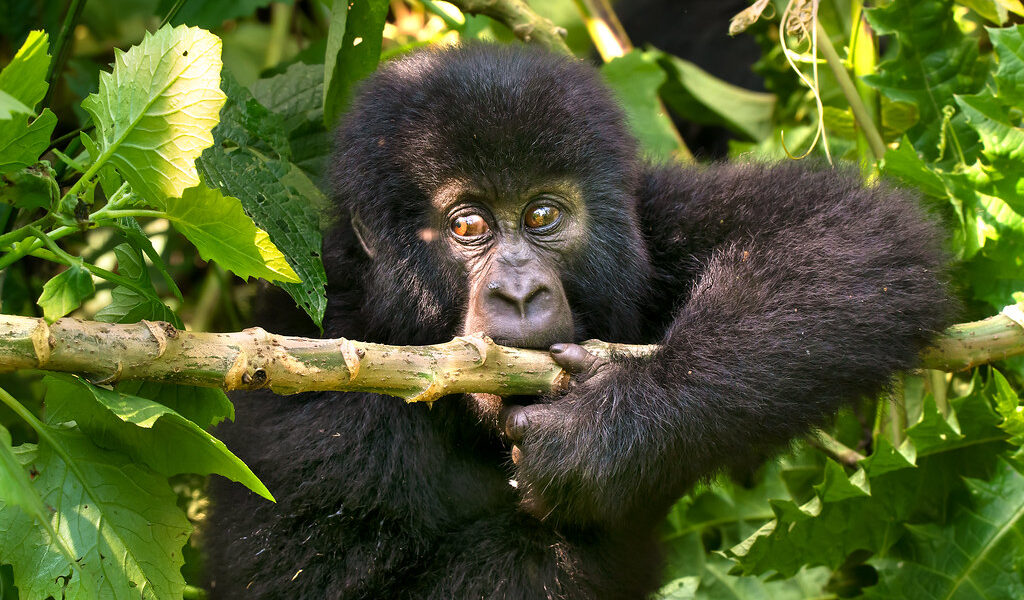
4 Days Gorillas & Nyiragongo
A focused four-day combination of gorilla trekking and the Nyiragongo volcano ascent.
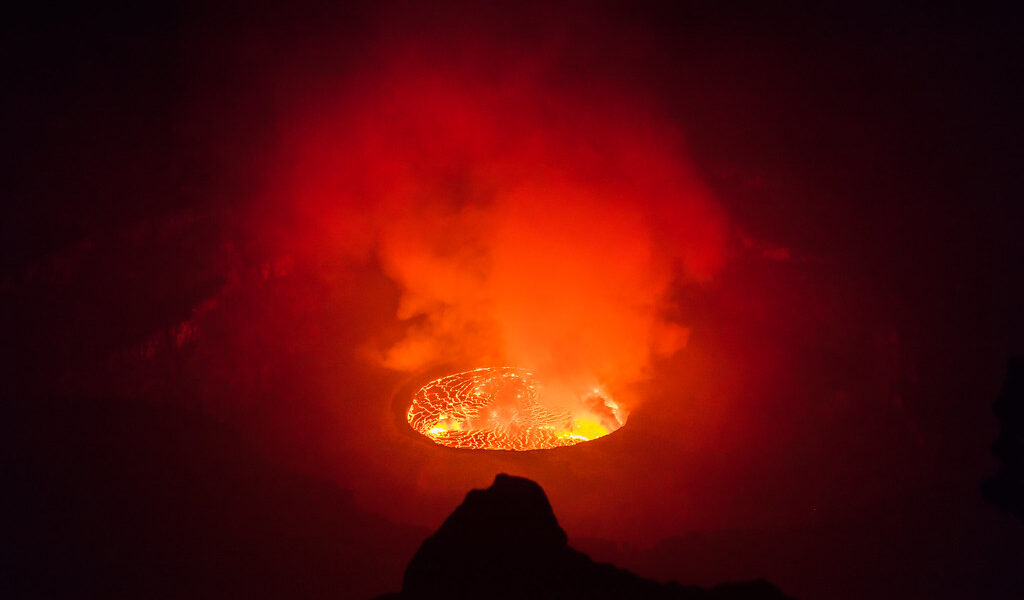
3 Days Nyiragongo Hiking
A dedicated trip to hike Mount Nyiragongo and see its ever-active lava lake, without a gorilla trekking permit.
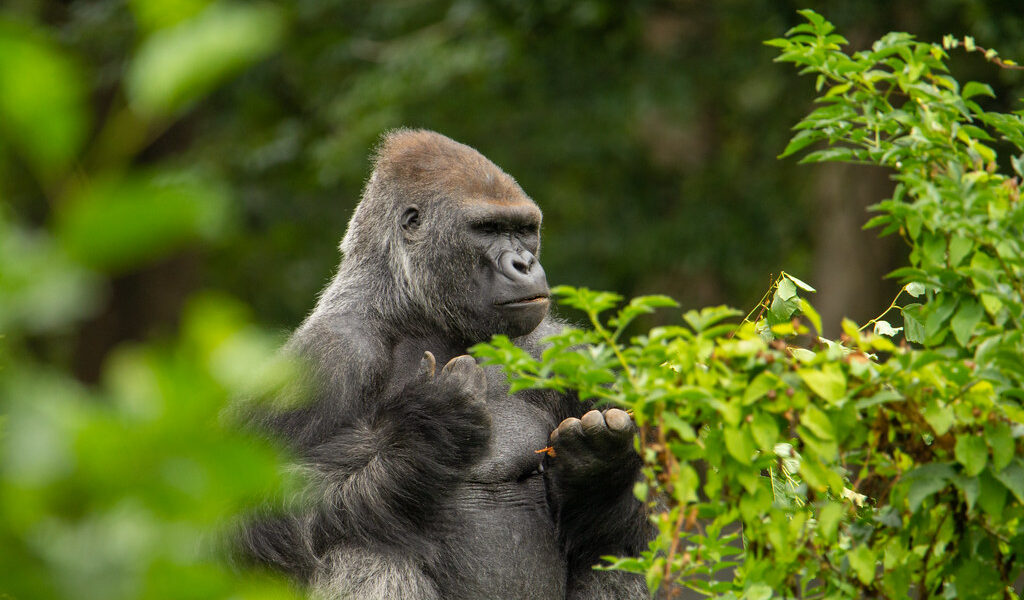
3 Days Lowland Gorilla Trek
A concise trip to Kahuzi-Biega to track DRC’s Eastern lowland gorillas.