
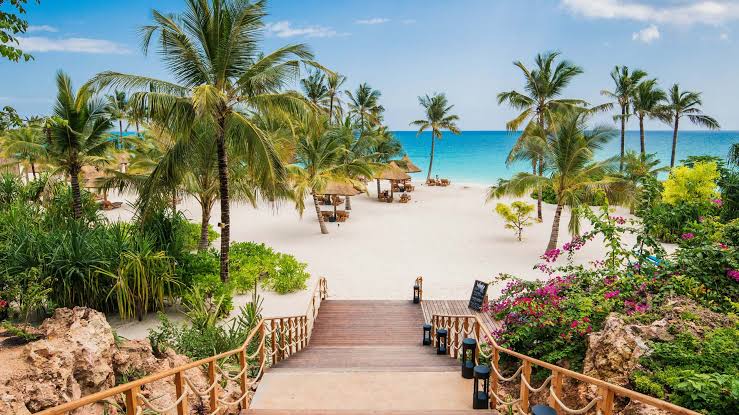
What to Pack for a Zanzibar Beach Extension After a Safari
Combining an East African safari with a beach holiday in Zanzibar is an excellent way to experience two different sides of the region. After spending days watching elephants, lions, giraffes and other wildlife across the savannah, you can travel to the Indian Ocean coast for warm weather, white-sand beaches, boat excursions and relaxed evenings beside the water. However, preparing for both parts of the trip requires a little planning because the clothing and equipment that work well on safari are not always suitable for a beach holiday.
A safari usually calls for practical clothing, comfortable walking shoes, sun protection, warm layers for early morning game drives and, in some destinations, waterproof gear for forest trekking. Zanzibar generally requires lighter clothing, swimwear, sandals, sun protection and a few items for exploring Stone Town or taking part in water-based activities. If you pack only for the safari, you may arrive on the island without the clothes you need to enjoy the beach comfortably. If you pack too much for both destinations, you may end up carrying unnecessary luggage through airports and transfers.
The most effective approach is to plan your luggage around the activities included in your itinerary. You can reuse several items from your safari wardrobe, especially lightweight shirts, comfortable trousers, sunglasses and a sun hat. You will then need a smaller selection of beach-specific items, including swimwear, sandals and clothing suitable for evenings in coastal towns.
This guide explains what to pack for a Zanzibar beach extension after a safari, how to manage luggage between destinations, what to wear in different settings and which items deserve space in your bag.
Understanding Zanzibar’s Climate Before You Pack
Zanzibar is an archipelago off the coast of Tanzania, known for its beaches, coral reefs, historic Stone Town and warm tropical climate. Temperatures are generally warm throughout the year, but humidity, rainfall and sea conditions vary with the season.
June, July and August are usually part of Zanzibar’s cooler, drier period. These months often bring comfortable conditions for beach activities, sightseeing and boat trips. Even so, the island can feel warm in direct sunlight, and breezes near the sea may make evenings feel cooler than expected.
September and October are also generally popular months for beach holidays, although conditions vary from year to year. The short rains commonly occur later in the year, while the long rains are generally associated with March to May. These are broad seasonal patterns rather than guarantees, so check the forecast close to your departure date.
The time of year also affects which items are most useful. A traveller visiting in July may appreciate a light shirt or thin sweater for a breezy evening, while someone travelling during a wetter period should give more attention to quick-drying clothing and rain protection.
Sea conditions and tides are important when planning activities. Some beaches experience substantial tidal changes, meaning the water may retreat a long distance at certain times of day. If your plans include swimming, snorkelling or boat excursions, ask your accommodation or activity provider about local conditions and the recommended equipment.
You do not need a heavy tropical wardrobe for Zanzibar. A compact collection of lightweight, breathable clothing, swimwear, practical footwear and reliable sun protection is usually enough for a comfortable beach extension.
Beach Clothing to Pack for Zanzibar
Your beach clothing should be comfortable in warm weather, easy to wash and suitable for both relaxing at your accommodation and walking around the island. Lightweight fabrics are generally the most practical because they dry more quickly than heavy materials and take up less space in your luggage.
Cotton, linen and lightweight synthetic fabrics can all work well. Cotton and linen feel comfortable in hot conditions, while quick-drying synthetic clothing can be useful after swimming or during humid weather. Choose garments that fit comfortably and allow you to move freely.
Lightweight Shirts and Tops
Pack several breathable shirts or tops that you can wear during the day. Loose-fitting garments are useful for beach walks, excursions and time spent relaxing at your hotel. Neutral colours and simple designs can also make it easier to combine your beach clothing with the safari clothes you already own.
A few short-sleeved shirts are useful for warm afternoons, while one or two lightweight long-sleeved shirts can protect your arms from the sun. Long sleeves are particularly helpful during boat trips, where there may be little shade and the sun reflects off the water.
If you plan to visit Stone Town, choose clothing that is comfortable for walking and appropriate for the cultural setting. A lightweight shirt with sleeves can be more practical than wearing beachwear throughout the day.
You do not need a separate outfit for every activity. Two or three versatile tops can often cover several days, particularly if your accommodation offers laundry services.
Shorts, Skirts and Lightweight Trousers
Shorts are useful for relaxing at the beach, walking around your resort and taking casual daytime excursions. Choose breathable fabrics that dry quickly and do not become uncomfortable in humid conditions.
Lightweight trousers are worth packing for evenings, boat trips and visits to towns or villages. They can also provide additional protection from mosquitoes, particularly around dusk. A loose pair of trousers is often more comfortable than heavy jeans in warm weather.
Skirts and dresses are practical options for travellers who prefer them. Choose lightweight garments that are easy to pack and comfortable for walking. A longer skirt or dress can be particularly useful when visiting cultural or religious sites.
You can reuse some safari trousers in Zanzibar, especially lightweight pairs that are comfortable in warm weather. However, thick trekking trousers or heavy outdoor clothing may feel unnecessarily warm for beach activities.
A Light Layer for Evenings
Although Zanzibar is tropical, carrying one lightweight layer is sensible. A thin cardigan, long-sleeved shirt or light sweater can be useful during breezy evenings, air-conditioned transfers or boat journeys.
This is particularly relevant if you are travelling from a highland safari destination such as Bwindi in Uganda or Volcanoes National Park in Rwanda before arriving on the coast. Your safari clothing may include fleece jackets and other warm layers, but these will usually be more than you need on Zanzibar.
Choose one compact garment rather than packing a heavy jacket. It should provide enough coverage for a cooler evening without taking up much room in your bag.
Swimwear and Beach Essentials
Swimwear is one of the main items that distinguishes a beach extension from a safari. Pack enough swimwear to rotate between swimming, drying and other activities without needing to wash everything immediately.
How Much Swimwear Should You Bring?
For a short beach extension of two or three nights, one or two swimsuits or pairs of swimming shorts may be sufficient. For a longer stay, two or three options make it easier to have a dry set available while another is being washed or dried.
Quick-drying swimwear is particularly useful when you plan to move between the beach, a swimming pool and boat excursions. Heavy fabrics may take longer to dry in humid conditions, especially if your accommodation has limited outdoor drying space.
Pack swimwear in an accessible section of your luggage if you are arriving directly from a safari. You may reach your hotel before your main room is ready, or you may want to visit the pool soon after arrival. Having it near the top of your bag makes it easier to change without unpacking everything.
A Cover-Up or Lightweight Beach Shirt
A beach cover-up, sarong or lightweight shirt is useful when walking between your room, the pool and the beach. It offers protection from direct sunlight and provides additional coverage when you are not swimming.
A sarong is particularly versatile because it packs into a small space and can be used in different ways. A loose shirt or lightweight dress can serve the same purpose.
Beachwear is suitable around the beach and pool, but it is not appropriate for every setting on the island. When leaving a resort to visit restaurants, shops, villages or cultural sites, put on clothing that provides more coverage.
A Quick-Drying Towel
Check whether your accommodation provides beach towels before packing one. Many hotels and resorts supply towels for the pool or beach, so carrying a full-size towel may be unnecessary.
If you prefer to bring your own, a lightweight quick-drying travel towel takes up less room than a thick cotton towel. It can be useful on excursions, especially if your itinerary includes a boat trip or a beach away from your accommodation.
Keep a towel separate from clean clothing after use. Packing it while damp can transfer moisture to other belongings and create unpleasant odours during travel.
Footwear for Beaches, Stone Town and Excursions
The right footwear depends on whether your Zanzibar stay is focused on relaxing at a resort or includes several excursions. You generally do not need multiple pairs of heavy shoes, but bringing two or three practical options can make the trip more comfortable.
Sandals and Flip-Flops
Sandals or flip-flops are useful for the beach, pool and short walks around your accommodation. Choose a pair that fits securely and is comfortable enough for regular use.
Very cheap or poorly fitting sandals can cause blisters, especially when walking in hot weather. If you plan to use them for more than a few minutes at a time, test them before your trip.
Beach footwear is not always suitable for longer excursions. Some boat trips involve wet decks, steps or uneven surfaces, so follow the activity provider’s advice about footwear. Shoes with a secure fit may be safer than loose flip-flops in certain settings.
Comfortable Walking Shoes
If your itinerary includes Stone Town, spice farm visits or longer island excursions, pack comfortable walking shoes or lightweight trainers. Stone Town has narrow streets, uneven paving and areas where you may walk for several hours.
Shoes you used during your safari may be suitable if they are comfortable, clean and not excessively warm. There is usually no need to buy a new pair solely for Zanzibar.
If you are travelling with hiking boots for gorilla trekking or other forest activities, you can leave them packed after the trekking portion of your trip unless another planned activity requires them. Heavy boots take up valuable space and are rarely necessary for ordinary beach sightseeing.
Water Shoes: Are They Necessary?
Water shoes can be useful for certain marine activities, rocky shorelines or places where your excursion provider recommends them. They may offer protection against rough surfaces, but they are not essential for every Zanzibar beach.
Do not assume that water shoes make it safe to walk over coral or enter any shallow-water area. Coral can be sharp and fragile, and marine life should not be disturbed. Follow local guidance about where to walk and swim.
If you plan to snorkel, check whether your operator provides suitable equipment and whether water shoes are appropriate for the specific excursion. Packing them without a clear need may simply add weight.
Sun Protection for Zanzibar’s Beaches
Sun protection deserves a prominent place in your luggage. Spending time near the ocean can increase your exposure because sunlight reflects off the water and pale sand. A breeze may make the weather feel comfortable even when your skin is receiving substantial ultraviolet exposure.
Sunscreen
Pack a broad-spectrum sunscreen with an SPF appropriate for your skin and planned activities. Apply it before prolonged outdoor exposure and reapply according to the product instructions, particularly after swimming, sweating or towel-drying.
Bring enough sunscreen for the length of your stay rather than assuming you can easily find your preferred product on arrival. Shops may stock sunscreen, but the selection, prices and availability can vary.
If you are planning snorkelling or other marine activities, consider a sunscreen that complies with local guidance and any relevant environmental recommendations. No sunscreen should be treated as harmless to every marine environment, and the best protection combines suitable products with clothing and shade.
A Wide-Brimmed Hat
A wide-brimmed hat helps protect your face, ears and neck during beach walks and sightseeing. Choose one that fits securely and can withstand a little wind.
A hat you already use on safari may work perfectly well in Zanzibar. If it is bulky, stiff or difficult to pack, consider a lighter alternative that can be stored easily in your luggage.
Caps can also be useful, but they provide less coverage for the ears and neck. If you prefer a cap, use sunscreen and other protection for the exposed areas.
Sunglasses
Bring sunglasses that provide appropriate ultraviolet protection. Polarised lenses can reduce glare from the water and may make boat trips or beach walks more comfortable.
Store sunglasses in a protective case when not in use. Sand and dust can scratch lenses, and a case prevents them from being crushed in a bag.
You may already have sunglasses packed for your safari, so there is no need to bring a second pair unless you want a backup. Check that your existing pair is comfortable and suitable for bright coastal conditions.
Clothing for Stone Town and Cultural Visits
Zanzibar is more than a beach destination. Stone Town, a historic urban centre with a distinctive mix of Swahili, Arab, Indian and European influences, is an important part of the island’s cultural experience. Visitors may also explore local markets, villages, spice farms and other places away from resort areas.
Your clothing should reflect the activity and setting. Beachwear is appropriate around swimming areas and beaches, but it is better to cover up when visiting towns, markets and religious sites. Lightweight trousers, longer skirts, dresses and shirts that cover the shoulders are practical choices.
Women and men should both carry clothing that allows them to dress respectfully in cultural and religious settings. Requirements may differ by location, so follow any guidance provided by your local guide or the site itself.
Comfort is equally important. Stone Town’s streets can be uneven, and sightseeing may involve walking in the heat. Choose breathable clothing and comfortable shoes rather than outfits that look good but restrict movement.
A small daypack can hold water, sunscreen, sunglasses, a hat and any personal items you need while exploring. Keep valuables secure and avoid carrying unnecessary belongings through crowded markets.
If you plan to visit a spice farm, wear clothing that is comfortable for walking outdoors. Light trousers and closed shoes may be useful, particularly where paths are uneven or vegetation is present.
What to Pack for Snorkelling and Boat Trips
Zanzibar offers a range of marine activities, including snorkelling, dhow sailing, diving and excursions to offshore reefs or sandbanks. Your packing list should depend on the activities you have booked and the equipment supplied by the operator.
For a typical snorkelling excursion, bring swimwear, a cover-up, sunscreen, sunglasses and a hat. A lightweight dry bag can protect your phone, spare clothing and other items from splashes. Keep electronic equipment in its own protective case inside the bag.
Many operators provide masks, snorkels and fins, but availability and fit can vary. If you already own a well-fitting mask or have specialist equipment, you may prefer to bring it. Confirm what is included before packing bulky gear.
A reusable water bottle is useful during excursions, particularly when you are spending several hours outdoors. Check whether drinking water is provided and whether the operator has specific requirements for bottles or other equipment.
If you are prone to motion sickness, consider discussing suitable prevention with a qualified healthcare professional before travelling. Follow the instructions for any medication you use, including whether it may cause drowsiness.
Protect marine environments by following your guide’s instructions, avoiding contact with coral and not feeding wildlife. Pack only the gear you need and avoid bringing disposable items that can become litter during a boat trip.
Toiletries and Personal Care Items
You can reuse most of the toiletries you packed for your safari. Shampoo, conditioner, body wash, toothbrushes, toothpaste, deodorant and moisturiser remain useful on the coast.
However, warm weather and swimming may change what you use most often. Sunscreen, lip balm, after-sun moisturiser and products that help you manage sweat or humidity may become more important.
If you have sensitive skin, carry familiar products rather than relying entirely on hotel toiletries. Salt water, sunscreen, sand and frequent washing can irritate some people’s skin, so keeping your usual moisturiser or cleanser available may help.
Pack liquids in securely closed containers and separate them from clothing. A leak-resistant toiletry pouch can prevent shampoo or sunscreen from spilling through your luggage. For air travel, follow the applicable cabin baggage rules for liquids and aerosols.
Insect repellent is still useful in Zanzibar, particularly around dusk and in areas with vegetation or standing water. Use a suitable product according to its instructions, and seek appropriate medical advice about malaria prevention and other travel health measures for your itinerary.
Bring any personal medication you need for the duration of your stay, along with a reasonable allowance for travel delays. Keep essential medication in your hand luggage and store it according to the manufacturer’s instructions.
Electronics and Accessories for the Beach
Your safari electronics can usually serve you well in Zanzibar. A phone, camera, charging cables and power bank may be enough for most travellers. If you are interested in underwater photography, check whether your phone or camera needs a suitable waterproof housing before taking it into the sea.
Do not assume that a water-resistant phone can safely withstand salt water or prolonged immersion. Salt water can be particularly damaging to electronic equipment. Use a protective housing designed for the device and intended activity, and follow the manufacturer’s limits.
A dry bag is useful for keeping selected belongings dry during boat transfers, but it should be closed correctly and inspected for damage. Keep cameras and other delicate electronics in padded cases as well, since waterproofing alone does not protect against impact.
Bring the charging adapters you need for your accommodation and confirm the relevant plug arrangements before travelling. A compact power bank can help during long excursions, although it should be carried and handled according to airline battery rules.
If you use a camera for wildlife photography on safari, consider whether you really need all your equipment on the beach. A large telephoto lens may be valuable in the savannah but less useful for a relaxed coastal stay. A smaller camera or phone may be enough for most beach photographs, reducing the amount of gear you have to carry.
Reusable Bags and Luggage Organisation
Packing a few lightweight bags can make the transition from safari to beach much easier. You do not need a large collection of organisers, but a small number of useful bags can keep your luggage clean and manageable.
A laundry bag separates worn safari clothing from clean beach clothes. This is particularly useful if your safari includes dusty game drives or muddy forest trekking. Keep trekking boots and heavily soiled items away from your clean clothing.
A waterproof bag or pouch can hold wet swimwear after a swim. Empty it when possible and allow the contents to dry rather than leaving damp garments sealed for several days.
Packing cubes can keep shirts, trousers and underwear organised, while a small daypack carries items needed for excursions. If your main luggage has a dust cover from the safari portion, clean or remove it before unpacking at your beach accommodation.
Try to keep the clothing you will use immediately after arriving in Zanzibar accessible. A clean shirt, shorts, swimwear and sandals can be placed near the top of your bag so you do not have to unpack everything before heading to the beach.
What to Wear on the Journey From Safari to Zanzibar
The journey between a safari destination and Zanzibar may involve a domestic flight, a connection through a larger airport or a road transfer followed by air travel. Your travel outfit should be comfortable in different temperatures and easy to adjust.
Lightweight trousers or comfortable shorts, a breathable shirt and walking shoes are practical choices. Carry a thin layer in case the aircraft, airport or transfer vehicle is cool. Heavy fleece jackets and trekking boots can usually remain packed unless you need them for the journey.
If you are travelling directly from a game drive, your clothing may have collected dust. Having a clean change of clothes available can make the transfer more comfortable, especially if you have several hours of travel ahead.
Keep travel documents, medication, valuables and essential electronics in your permitted personal bag. Do not place items you may need during the transfer in luggage that will be checked or stored out of reach.
Before leaving your safari accommodation, check that you have packed chargers, camera batteries, memory cards, toiletries and any personal items left to dry. It is easy to forget small accessories when changing destinations, especially after an early morning game drive.
If your flight has a strict baggage allowance, weigh your luggage before departure. Beachwear is generally lightweight, but souvenirs, camera equipment and additional shoes can increase the total weight. Confirm the allowance for each flight rather than assuming the rules are identical across the entire itinerary.
How Much Clothing Do You Need?
The length of your beach extension should determine how many outfits you bring. For a two- or three-night stay, a few daytime outfits, one evening outfit, swimwear and a light layer may be sufficient.
For a stay of four to seven nights, you can pack a small rotation of shirts, shorts, trousers or skirts, plus enough underwear and swimwear to remain comfortable between laundry opportunities. You do not need a different outfit for every meal or excursion unless you prefer that approach.
Choose garments that can be combined easily. A neutral pair of trousers can work with several tops, while a lightweight dress or shirt can serve for sightseeing and casual dinners. This reduces the amount of clothing you need and makes it easier to pack everything into one bag.
Consider your planned activities before deciding how much to bring. A resort-focused holiday requires fewer changes of clothing than a trip that includes daily boat excursions, Stone Town sightseeing, spice farm visits and several evenings away from your accommodation.
Laundry services may be available, but prices and turnaround times differ. If you expect to use laundry, confirm the arrangements with your hotel rather than assuming that same-day service will always be possible.
What Not to Pack for Zanzibar
Overpacking is one of the easiest ways to make a safari and beach combination more complicated than necessary. You probably do not need several thick jackets, multiple pairs of hiking boots or a full set of specialist safari equipment for the beach portion.
Heavy jeans and thick sweaters can feel uncomfortable in humid weather and occupy valuable space. Keep only the items you genuinely expect to use. One light evening layer is usually more practical than a bulky winter jacket.
Avoid carrying excessive footwear. A comfortable pair of walking shoes, sandals and any activity-specific footwear should cover most ordinary itineraries. Add water shoes only if your planned activities or local guidance make them useful.
You also do not need to pack every beach accessory available. Large inflatable items, bulky towels and multiple bags may be unnecessary if your accommodation provides suitable facilities. Check what is included before buying or packing additional gear.
Do not bring valuables that you will not use. Expensive jewellery and unnecessary electronics can complicate security and create additional concerns during transfers. Carry what you need, keep valuables secure and follow your accommodation’s guidance for storing important belongings.
Finally, avoid assuming that beach clothing is suitable everywhere on the island. You can enjoy swimwear at the beach and pool, but carry clothes that provide appropriate coverage for Stone Town, local communities and religious sites.
A Practical Packing List for a Zanzibar Beach Extension
For a short extension, start with lightweight shirts, shorts or skirts, one pair of comfortable trousers, underwear, sleepwear and a light layer for evenings. Add one or two swimsuits, a beach cover-up and sandals.
Pack comfortable walking shoes if you plan to explore Stone Town, visit spice farms or take longer excursions. Bring a wide-brimmed hat, sunglasses and sunscreen for daytime protection, plus insect repellent for evenings and outdoor activities.
Your toiletries can mostly come from your existing safari kit. Include any personal medication, familiar skin-care products, lip balm and a small first-aid selection suited to your needs. Keep essential medication and travel documents in your hand luggage.
For excursions, carry a reusable water bottle, a small daypack and a waterproof pouch or dry bag for selected belongings. Add a camera or phone, charging equipment and a power bank if needed. If you plan to snorkel or dive, confirm what equipment your operator provides before deciding what to bring from home.
Keep a laundry bag for used clothing and a separate waterproof bag for damp swimwear. If you have packing cubes, use them to separate beach clothes from safari gear rather than buying more organisers unnecessarily.
The final list should reflect the length of your stay, your accommodation and the activities you intend to enjoy. A few carefully selected items are more useful than a large suitcase filled with clothing you will never wear.
Making the Most of Your Safari and Beach Combination
A safari followed by Zanzibar offers a change of pace, but the transition is easier when your packing reflects the differences between the two experiences. Safari clothing prioritises practicality, protection and comfort during early starts and outdoor activities. Beach clothing focuses on breathable fabrics, swimwear, sandals and protection from the tropical sun.
You can reduce luggage by reusing lightweight shirts, comfortable trousers, sunglasses, hats and toiletries from your safari. Add a few beach-specific items, such as swimwear and a cover-up, then keep one versatile layer for breezy evenings or cool transfers.
Before travelling, review the activities on your Zanzibar itinerary. If you plan to spend most of your time at a resort, you can pack lightly. If you intend to explore Stone Town, take boat trips, snorkel or visit local communities, include the footwear and clothing appropriate for those activities.
Check the weather forecast, baggage allowances and facilities at your accommodation before departure. Confirm whether beach towels and snorkelling equipment are provided, and ask about local conditions for any marine excursion. These small checks can help you avoid carrying unnecessary items or discovering that something important is missing.
With a compact, well-planned wardrobe, you can leave the dusty safari roads behind and enjoy Zanzibar’s beaches, warm water, coastal culture and relaxed atmosphere without managing more luggage than you need.







No comment