
Gorilla Trekking in Africa with All In Africa Safaris
What Is Gorilla Trekking?
Gorilla trekking is one of Africa’s most sought-after wildlife experiences, giving travelers the opportunity to walk through tropical mountain forests in search of habituated gorilla families. Unlike a traditional safari where you observe animals from a vehicle, gorilla trekking takes you deep into the forest on foot, often across steep slopes, muddy trails, dense vegetation, and changing terrain.
The experience takes place in carefully protected habitats where mountain gorillas live. Uganda and Rwanda are the two main destinations for mountain gorilla trekking in East Africa, while the Democratic Republic of Congo also offers gorilla experiences in Virunga National Park when conditions allow.
All In Africa Safaris can organize gorilla trekking trips in Uganda and combine the experience with wildlife safaris, chimpanzee tracking, cultural activities, scenic lakes, hiking, and other East African adventures.
Why Go Gorilla Trekking?
Gorilla trekking gives you a rare opportunity to observe one of our closest living relatives in its natural environment. Mountain gorillas live in family groups led by dominant silverbacks, with females, infants, juveniles, and other males forming complex social units.
During your trek, you may see gorillas feeding on vegetation, resting, grooming one another, playing, climbing through vegetation, caring for young ones, or moving through the forest. Every encounter is different because the animals determine what happens during your visit.
The experience can also provide a greater understanding of the importance of protecting mountain forests and the wildlife that depends on them.
Gorilla Trekking in Uganda
Uganda is one of the leading destinations for mountain gorilla trekking. The country’s main gorilla trekking destinations are Bwindi Impenetrable National Park and Mgahinga Gorilla National Park in southwestern Uganda.
Bwindi is particularly well known for its gorilla trekking opportunities and dense forest landscape. The park’s terrain varies considerably, and trekking conditions can change depending on rainfall and the location of the gorilla family you are tracking.
Mgahinga forms part of the larger Virunga landscape and offers a different setting, with volcanic mountains rising above the forest. Travelers can also combine gorilla trekking with golden monkey tracking and mountain hiking.
Gorilla Trekking in Bwindi Impenetrable National Park
Bwindi Impenetrable National Park is one of Uganda’s most important destinations for mountain gorilla conservation and tourism. The forest is ancient, dense, and biologically diverse, creating a challenging but rewarding environment for trekking.
Gorilla families move freely through the forest, so trekkers do not know exactly where they will be found when they begin their walk. Trackers usually leave earlier to locate the animals, while the trekking group follows their information and signs left by the gorillas.
The walk can take several hours. Some groups may find gorillas relatively close to the starting point, while others may need to walk much farther through difficult terrain.
Gorilla Trekking in Mgahinga Gorilla National Park
Mgahinga Gorilla National Park provides another opportunity to search for mountain gorillas in Uganda. The park is part of the Virunga Massif, a mountainous region shared by Uganda, Rwanda, and the Democratic Republic of Congo.
The landscape around Mgahinga is characterized by volcanic peaks, bamboo forests, montane vegetation, and steep terrain. The experience can therefore appeal to travelers who enjoy both wildlife and mountain environments.
Mgahinga can also be included in longer southwestern Uganda itineraries featuring Lake Mutanda, Lake Bunyonyi, Kisoro, Bwindi, Queen Elizabeth National Park, and other destinations.
The Gorilla Trekking Experience
Your trekking day normally begins early in the morning. You meet your guides and trekking team before receiving information about the rules and expectations for the forest experience.
The trek then begins from the designated trailhead. Your guide leads you through the forest while trackers search ahead for the gorilla family.
As you walk, you may encounter signs that gorillas have recently passed through an area. Broken vegetation, footprints, feeding sites, nests, and other clues can help trackers determine where the family has moved.
When the gorillas are located, the trekking group spends the permitted viewing period observing them while following the rules established by the relevant wildlife authorities.
Meeting a Gorilla Family
The moment you first see a gorilla family can be one of the most memorable parts of the trek. You may initially see vegetation moving before identifying an individual gorilla. Then a silverback may appear, followed by females, juveniles, or infants.
The animals may be close to the ground or high in vegetation. They may continue feeding without paying much attention to visitors, while young gorillas may be more active and curious.
You should remain with your group and follow your guide’s instructions throughout the encounter. Gorillas are wild animals, and maintaining appropriate behavior helps protect both visitors and the animals.
The Role of the Silverback
A silverback is a mature male gorilla recognized by the distinctive silver hair that develops across his back and shoulders. In many gorilla families, the dominant silverback plays an important role in protecting the group and maintaining social order.
During your trek, you may see a silverback resting, feeding, moving between members of the group, or responding to another gorilla. His behavior can provide valuable insight into the social structure of the family.
Gorilla families are complex social groups, and observing their interactions is one of the reasons the experience is so different from simply seeing an animal during a game drive.
Gorilla Infants and Young Gorillas
Young gorillas can be among the most interesting members of a family to watch. Infants may remain close to their mothers, while older juveniles often spend time playing, climbing, wrestling, and exploring their surroundings.
Their behavior can change quickly. A young gorilla may move through vegetation, interact with another juvenile, or return to its mother within moments.
Visitors should never attempt to attract the attention of young gorillas or interfere with their behavior. The best experience comes from allowing the animals to behave naturally.
How Difficult Is Gorilla Trekking?
Gorilla trekking requires a reasonable level of physical fitness. The forests are mountainous, and trails can involve steep climbs, descents, thick vegetation, slippery ground, and uneven surfaces.
The difficulty varies considerably between trekking locations and even between different days. Gorilla families move constantly, so one group may involve a relatively short walk while another may require several hours of hiking.
You do not need to be an elite athlete, but you should be comfortable walking for several hours over uneven terrain. Preparing with regular walking, hiking, stair climbing, and moderate cardiovascular exercise before your trip can make the experience easier.
Hiring a Porter
Hiring a local porter can make a significant difference during a gorilla trek. Porters can carry your backpack, provide support on difficult sections, and assist you when the trail becomes steep or slippery.
Using a porter also provides direct income to people living around the national parks. For many travelers, hiring a porter is therefore both a practical decision and a way to support local tourism employment.
Even if you are physically fit, a porter can allow you to concentrate more on the forest and wildlife experience instead of carrying your equipment throughout the trek.
What Should You Wear?
Gorilla trekking requires practical clothing because the forest can be wet, muddy, and densely vegetated. Long trousers and long-sleeved clothing provide protection from vegetation and insects.
Sturdy hiking boots with good grip are particularly important. Waterproof clothing is also useful because rain can occur even during generally favorable travel periods.
Gloves can protect your hands when you use vegetation for support on steep sections. A waterproof backpack cover or dry bags can help protect cameras, phones, documents, and other sensitive equipment.
When Is the Best Time for Gorilla Trekking?
Gorilla trekking is possible throughout the year in Uganda, but weather conditions can influence the experience.
The generally drier periods are often preferred by travelers because forest trails can be easier to navigate. However, rain can occur at any time in a tropical mountain forest, and wet conditions are part of the environment.
The wetter periods can also provide advantages. Forest vegetation is lush, and some travelers may prefer traveling during periods with fewer visitors or different accommodation rates.
All In Africa Safaris can help you select travel dates based on your schedule, budget, accommodation preferences, and wider safari plans.
Gorilla Trekking Permits
A gorilla trekking permit is required before you can participate in a standard gorilla trek. The permit provides access to the gorilla trekking experience and helps support conservation and management of the protected area.
Because permits are limited, travelers should arrange them well in advance, particularly when traveling during popular periods.
All In Africa Safaris can assist with arranging gorilla permits as part of your safari package and coordinate the permit date with your accommodation and transportation.
Gorilla Trekking Age Requirements
Gorilla trekking has age restrictions established by wildlife authorities. In Uganda, the minimum age for gorilla trekking is generally 15 years.
Families traveling with younger children should therefore plan alternative activities for children who do not meet the minimum age requirement. These can include nature walks, cultural experiences, wildlife viewing, boat trips, or other activities depending on the itinerary.
Gorilla Habituation Experience
Travelers looking for a longer gorilla experience can consider Uganda’s gorilla habituation experience, where available. This differs from standard gorilla trekking because participants can spend substantially more time with a gorilla group undergoing habituation.
Habituation is the process through which wild gorillas gradually become accustomed to the presence of humans under controlled research and conservation conditions.
The experience can be particularly attractive to wildlife photographers, researchers, primate enthusiasts, and travelers who want more time to observe gorilla behavior.
Combining Gorillas With Chimpanzees
Uganda is an excellent destination for travelers who want to experience multiple primate species. A gorilla trekking itinerary can be combined with chimpanzee tracking in Kibale Forest National Park.
The two experiences are very different. Gorillas live in high-altitude forest environments, while Kibale provides a different forest ecosystem with a large chimpanzee population and several other primate species.
A multi-day itinerary can therefore provide a broader understanding of Uganda’s primate diversity.
Combining Gorillas With Wildlife Safaris
You can also combine gorilla trekking with traditional wildlife viewing. Queen Elizabeth National Park is particularly convenient for travelers visiting southwestern Uganda.
A safari can include game drives in the Kasenyi plains, boat trips on the Kazinga Channel, gorilla trekking in Bwindi, and time around Lake Bunyonyi or Lake Mutanda.
This type of itinerary allows you to experience both forest and savannah environments during one trip.
Gorilla Trekking and Lake Bunyonyi
Lake Bunyonyi is a popular addition to southwestern Uganda itineraries. The lake is surrounded by steep green hills and dotted with numerous islands, creating a scenic setting for relaxation after a demanding trek.
Travelers can spend time enjoying the lakeside environment, taking a canoe ride, visiting nearby communities, or simply resting before continuing their journey.
For visitors arriving in Uganda specifically for gorilla trekking, adding Lake Bunyonyi can make the itinerary less rushed and provide time to recover after the trek.
Gorilla Trekking and Batwa Cultural Experiences
Travelers can also combine gorilla trekking with a Batwa cultural experience in southwestern Uganda. These experiences provide an opportunity to learn about Batwa heritage and their historical relationship with the forests of the region.
Depending on the activity, visitors may learn about traditional forest knowledge, plants, music, dance, storytelling, and other cultural practices.
Including a cultural experience alongside gorilla trekking creates a broader itinerary that considers both the natural environment and the people connected to the region.
Gorilla Trekking From Kigali
Travelers flying into Rwanda can also consider crossing into Uganda for gorilla trekking. Kigali provides a convenient starting point for some southwestern Uganda itineraries because of its geographical proximity to Bwindi.
A Kigali to Bwindi gorilla safari can be suitable for travelers who want to spend a shorter period in Uganda or who are already visiting Rwanda.
Border crossing requirements, visa conditions, transportation, and gorilla permit arrangements should be checked and organized before travel.
Gorilla Trekking With All In Africa Safaris
All In Africa Safaris can organize gorilla trekking holidays around your travel dates, budget, accommodation preferences, and preferred route.
The company can coordinate the major components of your trip, including gorilla permits, accommodation, transportation, meals, guides, airport transfers, and additional activities.
A short trip could focus primarily on Bwindi gorilla trekking. A longer safari could combine gorillas with chimpanzee tracking, Queen Elizabeth National Park, Murchison Falls National Park, Lake Bunyonyi, or other Ugandan destinations.
Travelers who have more time can also consider combining Uganda with Rwanda, Kenya, or Tanzania.
Gorilla Trekking for Photographers
Gorilla trekking can provide exceptional wildlife photography opportunities, but photography in a forest environment requires preparation.
A lightweight camera setup can be useful because you may spend several hours walking. A telephoto lens can help with distant animals, while a shorter lens can be useful when gorillas are nearby.
You should also protect your equipment from rain and humidity. Waterproof bags, lens cloths, and additional batteries can be useful because forest conditions can make equipment management more difficult.
Your guide will also advise you on appropriate positioning and behavior around the gorillas.
Gorilla Trekking as Part of a Larger African Safari
Gorilla trekking can be the central activity of an African holiday or one component of a much larger itinerary.
You could begin in Uganda with chimpanzee tracking in Kibale, continue to Queen Elizabeth National Park for wildlife viewing, trek gorillas in Bwindi, and then travel toward Rwanda. Another itinerary could continue from Uganda into Kenya for a Masai Mara safari or Tanzania for the Serengeti and Ngorongoro Crater.
This allows you to combine primates with classic African wildlife experiences during one extended journey.
Responsible Gorilla Tourism
Gorilla tourism depends on protecting the animals and their forest habitat. Visitors must follow established rules during the trek and avoid actions that could disturb the gorillas.
Your guide will provide instructions about appropriate distance, behavior, photography, hygiene, and movement during the encounter. Following these rules helps reduce unnecessary stress and protects the health of both gorillas and visitors.
Tourism also contributes to the local economy through employment for guides, trackers, porters, drivers, lodge staff, and other tourism workers.
Why Choose All In Africa Safaris for Gorilla Trekking?
Choosing the right safari operator can make the difference between having separate travel arrangements and having a properly coordinated journey. Gorilla trekking requires advance planning because permits, accommodation, transportation, trekking locations, and travel dates need to work together.
All In Africa Safaris can build your itinerary around the gorilla experience while also arranging other activities that fit your schedule. Whether you want a two or three-day gorilla trip, a week-long Uganda safari, or an extended East African adventure, the route can be planned around your priorities.
You can choose a private safari for greater flexibility or a suitable group arrangement depending on your budget and preferences.
Start Planning Your Gorilla Trekking Adventure
A gorilla trekking holiday in Uganda gives you an opportunity to experience mountain forests, observe wild primates at close range, meet local communities, and explore some of East Africa’s most beautiful landscapes.
With All In Africa Safaris, you can combine the trek with chimpanzee tracking, wildlife game drives, boat cruises, cultural experiences, hiking, and time at destinations such as Lake Bunyonyi and Lake Mutanda.
The best itinerary depends on your travel dates, budget, fitness level, preferred accommodation, and the other experiences you want to include. All In Africa Safaris can organize these elements into a practical Uganda or East African safari built around your gorilla trekking experience.
Our Group Departures
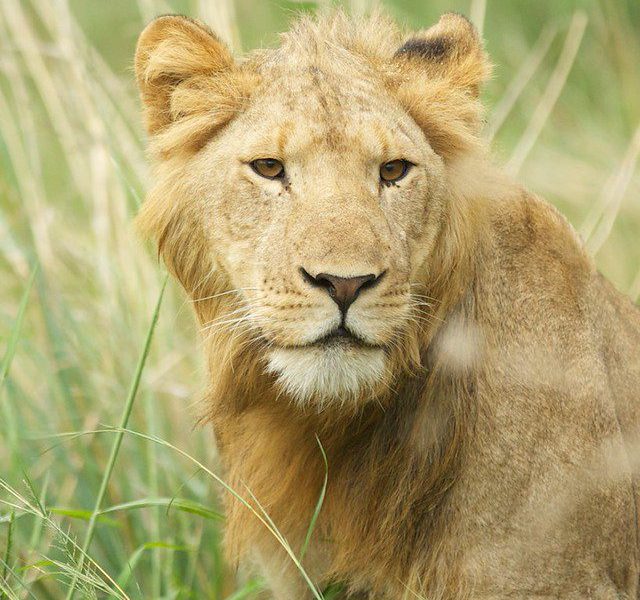
8-Day Uganda Primates & Wildlife
Gorilla and chimp trekking paired with tree-climbing lions and a Kazinga Channel boat cruise, all in one Uganda-only group departure.
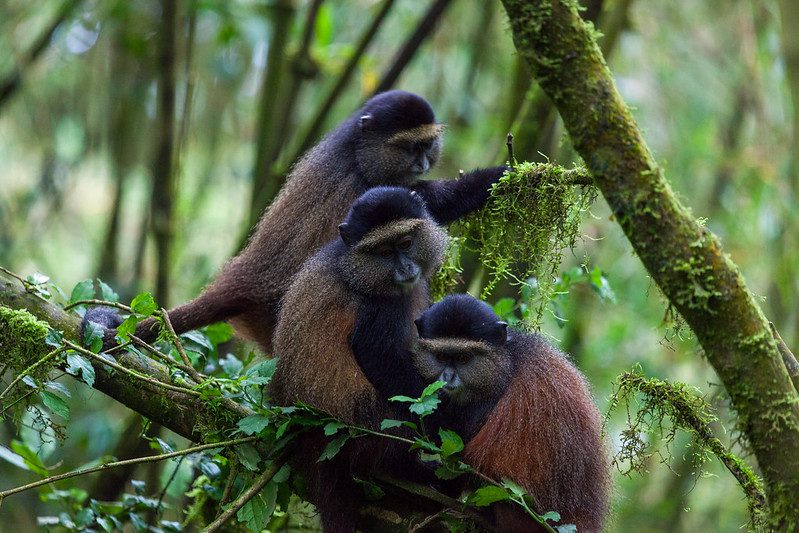
10-Day Rwanda & Uganda Gorilla Adventure
Mountain gorillas in both Volcanoes and Bwindi, golden monkey trekking, and a relaxed stop at Lake Bunyonyi.
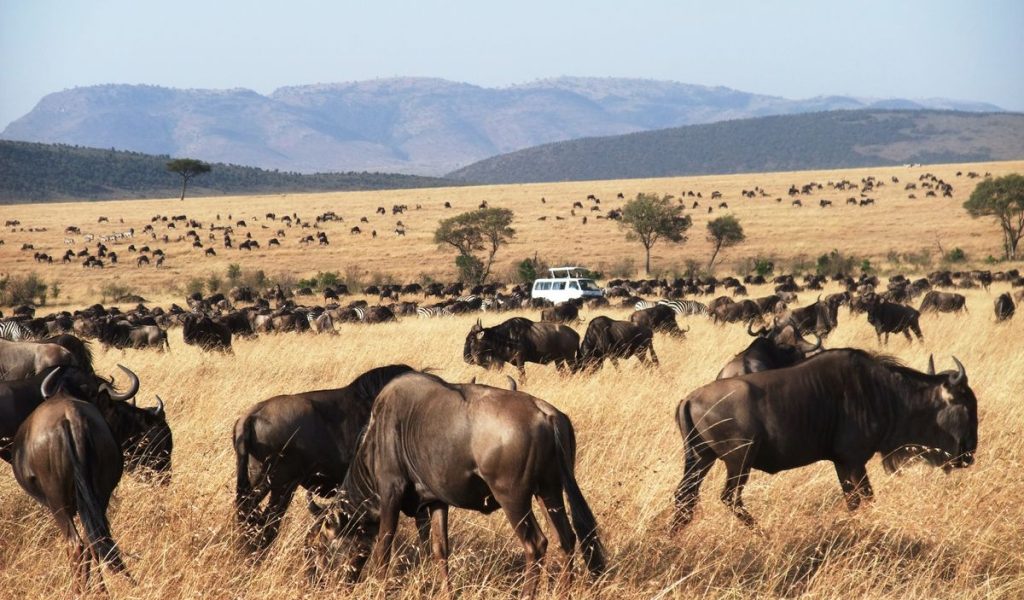
12-Day Tanzania Wildlife & Zanzibar
The Serengeti, Ngorongoro Crater and Tarangire paired with a closing beach stay on Zanzibar.
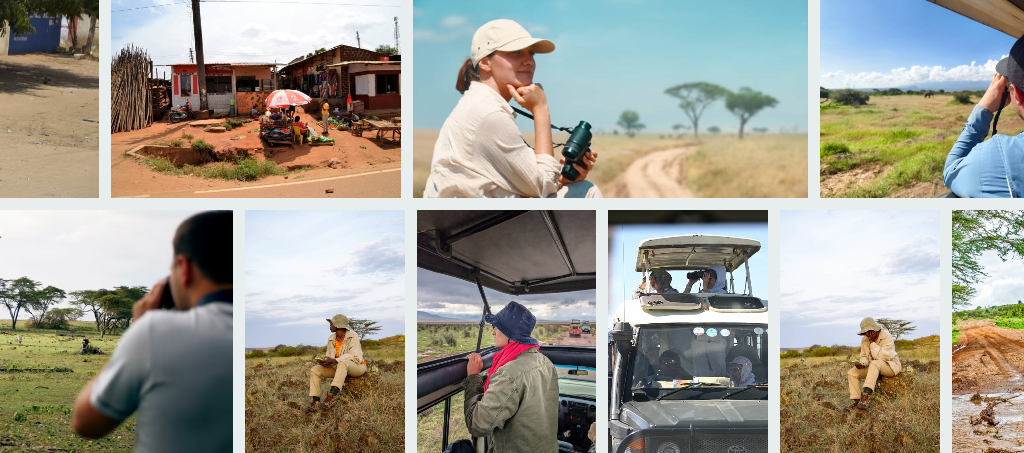
15-Day Ultimate East Africa
Our most complete group departure, combining gorilla trekking, the Serengeti migration, chimps and cultural encounters across three countries.
No comment