
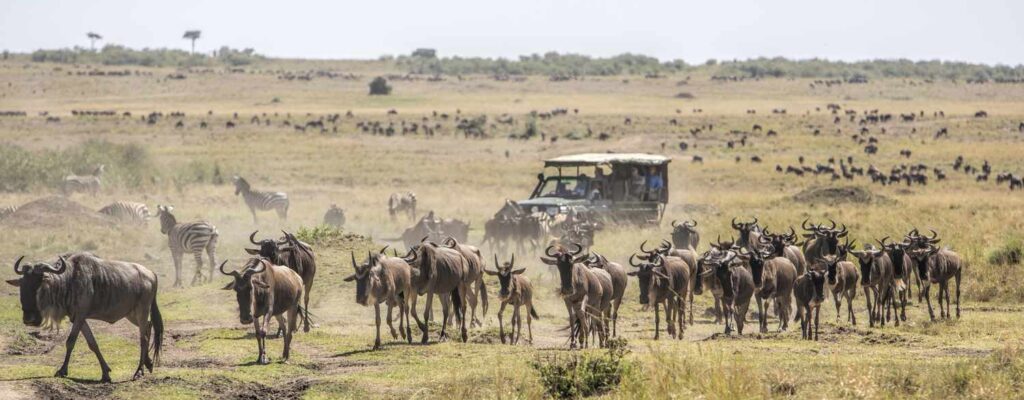
3 Day Flying in Masai Mara of Kenya
Overview
This 3 Day Flying Adventure in Masai Mara offers a quick and luxurious way to experience Kenya’s most famous wildlife destination. Instead of spending long hours on the road, you will enjoy a scenic flight from Nairobi to the Masai Mara, allowing you to maximize your time in the reserve. The Masai Mara is renowned for its incredible concentration of wildlife, including the Big Five, large predator populations, and the spectacular Great Migration during the migration season.
This safari is perfect for travellers seeking comfort, convenience, and exceptional wildlife viewing within a short period.
Safari Highlights
- Game Drive
- Nature walks
- wildlife viewing
Detailed Itinerary
Day 1: Fly from Nairobi to Masai Mara National Reserve
After breakfast, transfer to Wilson Airport in Nairobi for your scheduled flight to the Masai Mara.
Enjoy breathtaking aerial views of the Great Rift Valley, rivers, forests, and wildlife habitats during the flight. Upon arrival at the airstrip, you will be met by your safari guide and transferred to your lodge with a game drive en route.
Arrive at the lodge in time for lunch and relaxation.
In the afternoon, embark on your first game drive across the vast plains of the Masai Mara. Search for elephants, lions, buffaloes, giraffes, zebras, wildebeests, and numerous other wildlife species.
Return to the lodge for dinner and overnight.
Accommodation Options
Budget: Enchoro Wildlife Camp
Mid-range: Zebra Plains Mara Camp
Luxury: Mara Serena Safari Lodge
Meals: Lunch and Dinner
Day 2: Full Day Safari in Masai Mara
After an early breakfast, depart for a full day of wildlife viewing in one of Africa’s most celebrated safari destinations.
Explore different regions of the reserve in search of the Big Five and other iconic African wildlife. The Masai Mara supports healthy populations of lions, cheetahs, leopards, elephants, buffaloes, and rhinos.
During the migration season from July to October, witness thousands of wildebeests and zebras crossing the Mara ecosystem in one of the world’s greatest wildlife spectacles.
Enjoy a picnic lunch in the reserve before continuing your afternoon game drive.
Return to the lodge in the evening for dinner and overnight.
Accommodation
As above
Meals: Breakfast, Lunch and Dinner
Day 3: Morning Game Drive and Flight to Nairobi
Enjoy an early morning game drive when predators are often most active and wildlife viewing is at its best.
Return to the lodge for breakfast and check out.
Transfer to the airstrip for your scheduled flight back to Nairobi. Upon arrival at Wilson Airport, you will be met and transferred to your hotel or Jomo Kenyatta International Airport for your onward journey.
Meals: Breakfast
Optional Activities
- Hot air balloon safari over the Masai Mara
- Champagne bush breakfast
- Maasai village cultural visit
- Guided nature walk in a conservancy
- Sundowner experience
- Professional photography safari
- Night game drive in a private conservancy
- Bush dinner experience
- Bird watching excursion
Tour Includes
- Travel in a 4×4 car
- Professional guide
- Park fees
- Accommodation
- Meals
- All Activities In Itinerary
Tour Excludes
- Alcoholic drinks
- Laundry
- Tips
- Shopping
- Insurance
- Anything not included per itinerary
Trekking Without the Long Road Transfer
This itinerary uses a scheduled flight from Nairobi’s Wilson Airport to an airstrip within or near the Maasai Mara, cutting travel time to under an hour and preserving considerably more of your three days for game drives rather than the five to six hour road transfer the overland route requires.
This makes it a strong option for travelers with limited time or those who simply prefer to minimize road transfers, trading the cost of a domestic flight for a meaningfully more relaxed, time-efficient trip to the Mara and back.
Practical Notes
Most nationalities can apply for a Kenya e-visa online before travel, and Kenya participates in the East Africa Tourist Visa alongside Uganda and Rwanda. A yellow fever certificate is required for entry if arriving from a country with risk of transmission. Travel insurance covering wildlife activities and medical evacuation is strongly recommended.
Kenyan shillings are useful for everyday purchases, tips and markets, while US dollars printed after 2009 are widely accepted for park fees and lodge bills. Most lodges also accept card payments for incidentals.
Tipping is customary though not compulsory. Your driver-guide is typically tipped at the end of the full trip, scaled to group size and length of stay, and we’re glad to advise on typical ranges when you book.
Is the Flight Worth the Extra Cost
For travelers with limited time, the answer is generally yes: the flight adds a meaningful cost but saves roughly five to six hours of driving each way, time that can instead go toward additional game drives or simply a more relaxed pace to the trip overall.
Travelers with more flexible schedules and a tighter budget often prefer the standard road-based itinerary instead, since the drive itself, passing through Kenya’s Rift Valley escarpment, is part of the experience for many first-time visitors.
The Great Migration in the Masai Mara
The Masai Mara National Reserve, an extension of Tanzania’s Serengeti ecosystem across the Kenyan border, is best known for the Great Migration, when over a million wildebeest along with hundreds of thousands of zebra and gazelle cross into the Mara between roughly July and October in search of fresh grazing. The dramatic river crossings at the Mara and Talek rivers, where crocodiles lie in wait and the herds must overcome both the current and steep banks, are among the most sought-after wildlife spectacles on the continent. Outside migration season, the Mara remains one of Africa’s most productive game-viewing areas year-round, with resident populations of lion, leopard, cheetah and elephant supported by its open, rolling grassland.
Nairobi City and Wildlife Highlights
Nairobi is one of the few capital cities in the world with a national park inside its boundaries, and a morning game drive in Nairobi National Park, with the city’s skyline visible behind grazing giraffe and rhino, is a genuinely unusual way to begin a Kenya safari. The Sheldrick Wildlife Trust’s Elephant Orphanage, where visitors can watch orphaned elephant calves being cared for and readied for eventual release back into the wild, and the Giraffe Centre, which lets visitors hand-feed endangered Rothschild’s giraffe at eye level, are both popular half-day additions for travellers with time before or after their safari.
Responsible and Sustainable Travel
Simple choices — maintaining a respectful distance from wildlife, following your guide’s instructions around habituated primates, avoiding single-use plastics where possible, and buying crafts and produce directly from local cooperatives rather than mass-produced souvenirs — add up across the volume of visitors this region receives each year. Many lodges now run their own conservation or community initiatives, from anti-poaching support to local employment quotas and school sponsorships, and asking about these programmes during your stay is both a way to learn more and a small signal to operators that travellers value this work. Respecting photography etiquette around local communities, including asking permission before photographing people, remains one of the more overlooked aspects of responsible travel in the region.
What to Pack for an East Africa Safari
Neutral-coloured clothing — khaki, olive and beige — works best for game drives and forest walks, since bright colours and pure white can startle wildlife and dark blue or black tends to attract tsetse flies in certain areas. Layers matter more than heavy jackets: mornings on open savannah start cold, especially in an open-sided safari vehicle, but temperatures climb quickly once the sun is up. A good pair of binoculars, a wide-brimmed hat, high-SPF sunscreen and a basic first-aid kit with any personal medication are worth packing regardless of which parks are on the itinerary, along with a dry bag or waterproof cover for cameras and electronics during the rainy season.
Choosing When to Travel
East Africa’s weather generally divides into two dry seasons — roughly December to February and June to October — and two wetter periods around March to May and November, though rainfall patterns vary by country and region and have become somewhat less predictable in recent years. Dry-season travel tends to concentrate wildlife around permanent water sources, making game viewing more predictable, while the wetter months bring lush scenery, fewer other travellers, and better rates at many lodges, along with the arrival of migratory bird species. Neither period is a bad time to travel; the right choice depends more on whether the priority is guaranteed dry trails and concentrated wildlife or a quieter, greener experience.
Health and Travel Preparation
Most countries in this region require proof of yellow fever vaccination for entry, particularly if arriving from or having transited another yellow-fever-endemic country, and it is worth checking current requirements with your airline or embassy well ahead of departure. Malaria is present across most safari areas at varying risk levels, so consulting a travel health clinic about prophylaxis, alongside practical measures like insect repellent and covering up at dawn and dusk when mosquitoes are most active, is standard advice for the region. Comprehensive travel insurance that explicitly covers emergency medical evacuation is strongly recommended for any itinerary involving remote parks, since the nearest advanced medical facility can be several hours away by road or air.
Money and Practical Travel Tips
US dollars are widely accepted for park fees, permits and larger payments across the region, though local currency is generally needed for smaller purchases, tips and market shopping, and it is worth carrying a mix of both. Bank notes printed before 2009 are frequently refused at borders and by vendors, so it is worth requesting newer notes from your bank before travel. Tipping guides, drivers and lodge staff is customary and appreciated, though not obligatory, and most lodges and safari operators can advise on appropriate amounts if it is your first visit to the region.
Safari Vehicles and Getting Around
Most game drives are conducted in a 4×4 safari vehicle with a pop-up roof, allowing you to stand for unobstructed photography and viewing while remaining shaded from direct sun. On itineraries that combine several parks across a wide area, internal flights on light aircraft are often used to cut down long road transfers, particularly between remote parks like Kidepo Valley or across the wider Serengeti-Mara ecosystem, while road transfers between closer parks allow more scenery and a chance to pass through local towns and villages along the way. Your guide-driver typically stays with you for the full ground portion of the trip, providing continuity and increasingly detailed local knowledge as the days progress.
Choosing Accommodation on Safari
Safari accommodation ranges from simple tented camps with shared facilities to luxury lodges with private plunge pools, and the right choice depends more on personal priorities than on the quality of wildlife viewing available at each level. Mid-range lodges and permanent tented camps generally strike a good balance of comfort, character and value, often built with open-sided common areas that let you watch wildlife from the dining area or deck without needing to leave camp. Because many of the best-located properties have limited rooms, especially inside national parks rather than on their boundaries, booking accommodation early is often more time-sensitive than booking the safari itself, particularly for travel during peak dry-season months.
Get Your Tailored 3 Day Flying Adventure in Masai Mara of Kenya
Our Green Spot Campaign
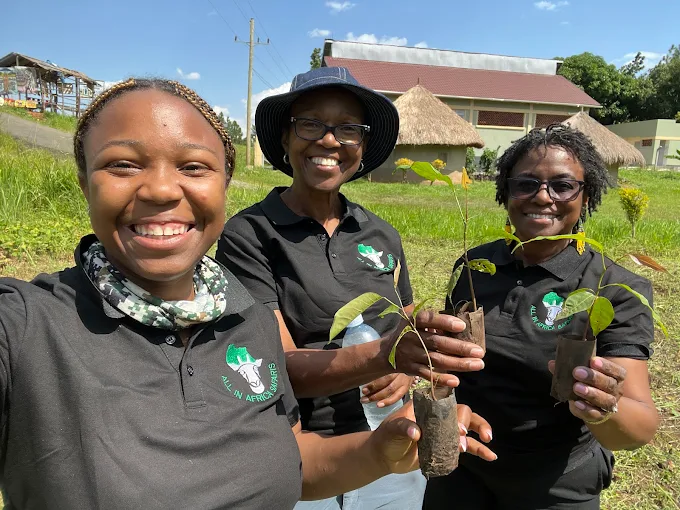
Every safari with us supports our Green Spot Campaign — planting trees and giving back to local communities across Africa. Learn more & get involved →
16-Days Ultimate Kenya Safari
Kenya’s most complete itinerary, covering the Mara, Amboseli, Nakuru and Tsavo circuits in one comprehensive trip.
8-Days African Big 5 Safari
A week-long circuit built around Kenya’s Big Five wildlife across several of the country’s flagship parks.
6-Day Kenya Rift Valley Safari
A wildlife-focused week exploring the lakes and escarpments of Kenya’s Great Rift Valley.
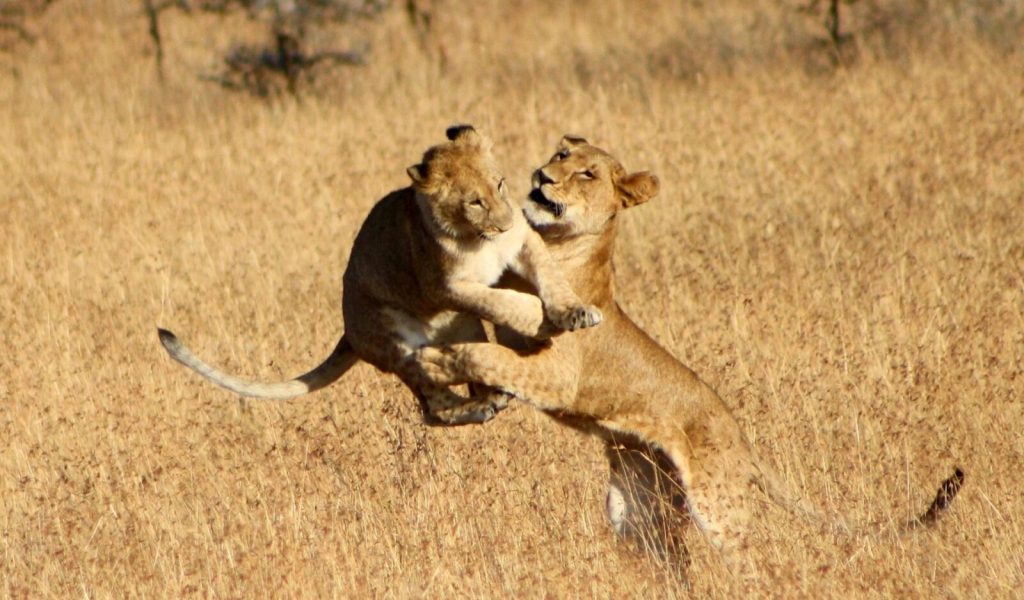
5-Days Lake Nakuru & Masai Mara
Flamingos and rhinos at Lake Nakuru paired with the wildlife density of the Maasai Mara.
7-Days Kenya Wildlife Viewing
A well-paced week designed around maximising wildlife sightings across Kenya’s most productive parks.
3-Day Amboseli Safari
A short, focused trip to Amboseli for elephant herds and Kilimanjaro views without a long time commitment.
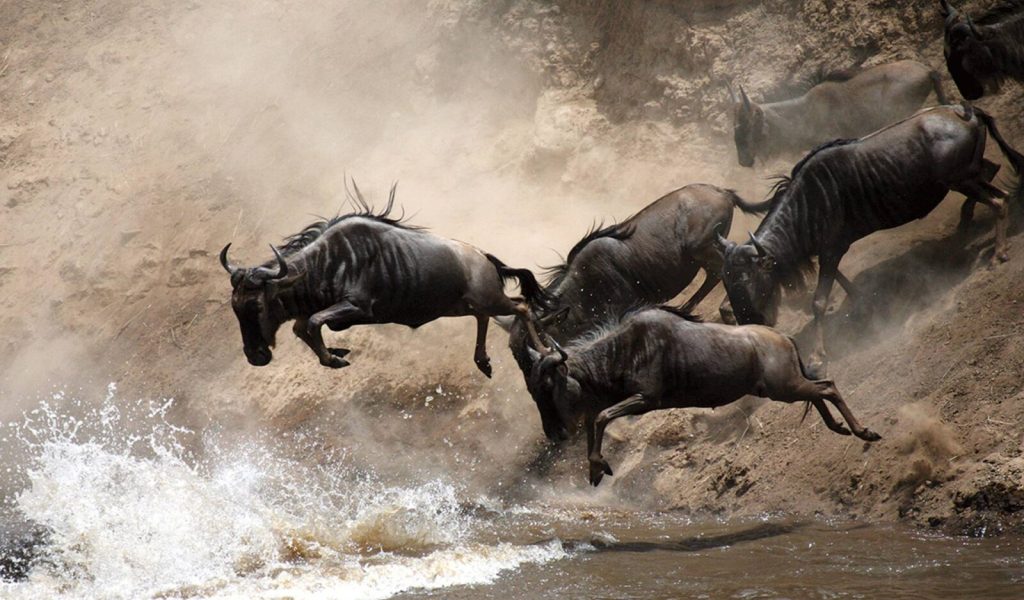
8-Days Great Migration Adventure
A dedicated migration-season itinerary timed to the Mara’s dramatic river crossings.
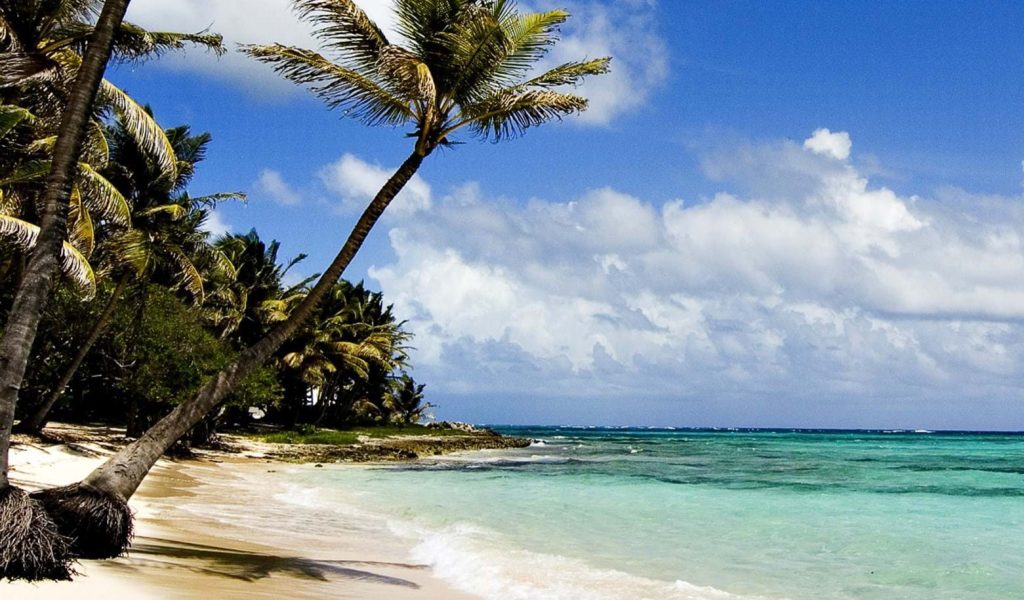
7-Days Kenya Beach & Wildlife
Wildlife viewing paired with a relaxed coastal finish at Wasini and Malindi’s beaches.
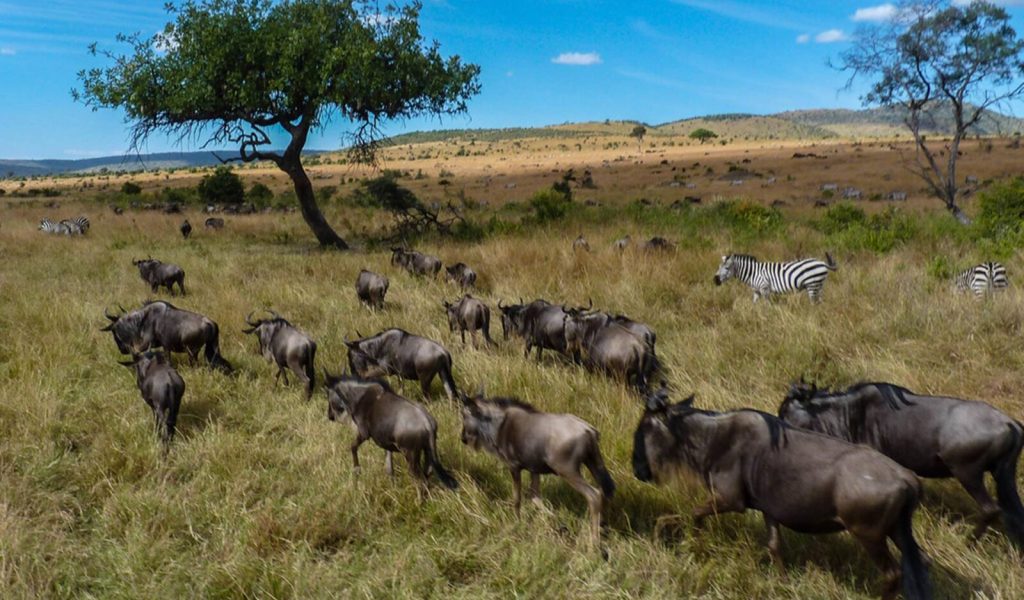
6-Days Mara, Nakuru & Amboseli
Our classic three-park combination covering Kenya’s most iconic wildlife destinations.
1-Day Nairobi City Tour
A full day exploring Nairobi’s culture and attractions, ideal as an arrival or departure-day add-on.
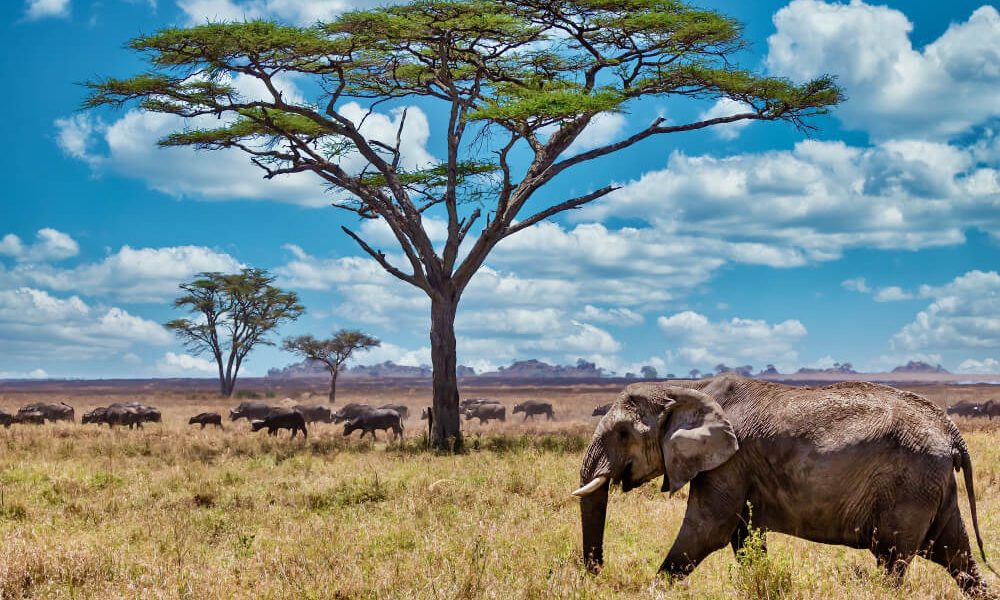
8-Days Big Five Kenya Safari
A comprehensive week-long circuit built specifically around Big Five sightings across Kenya’s top parks.
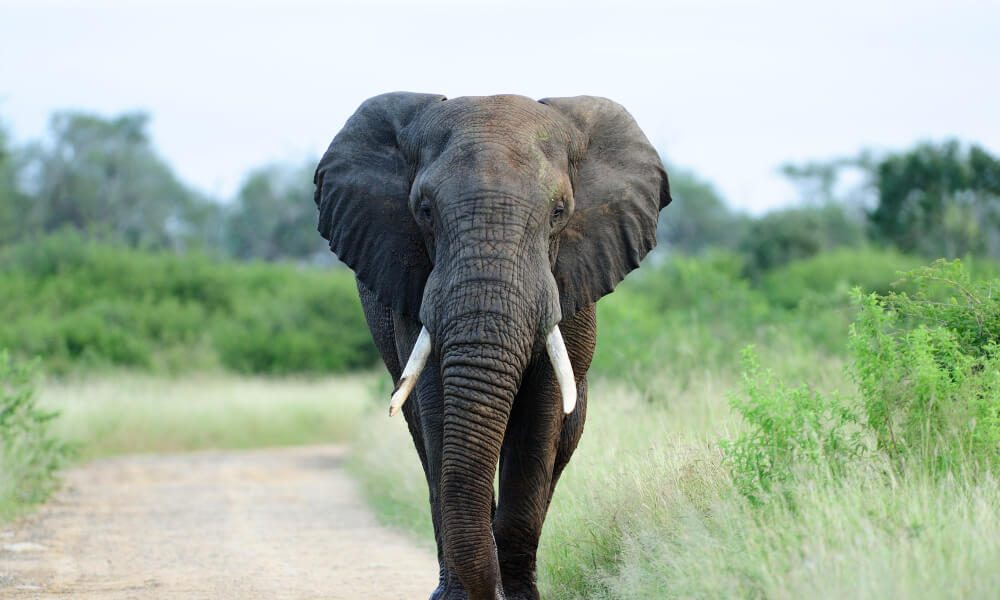
8-Days Migration Adventure
Eight days timed around the Great Migration’s peak movement through the Mara ecosystem.
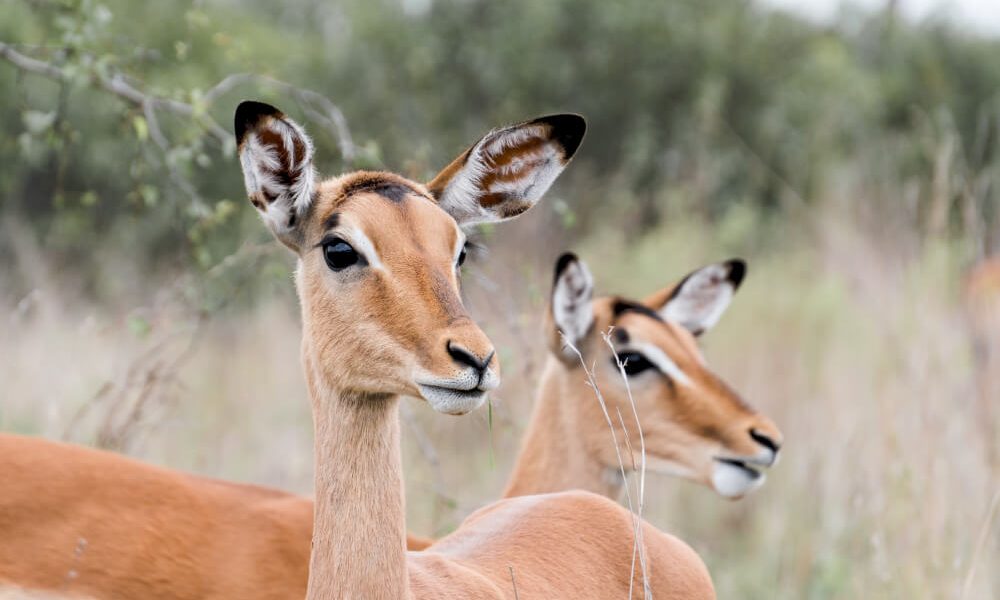
3 Days Masai Mara Safari
A concise introduction to the Mara for travellers with a short window of time.
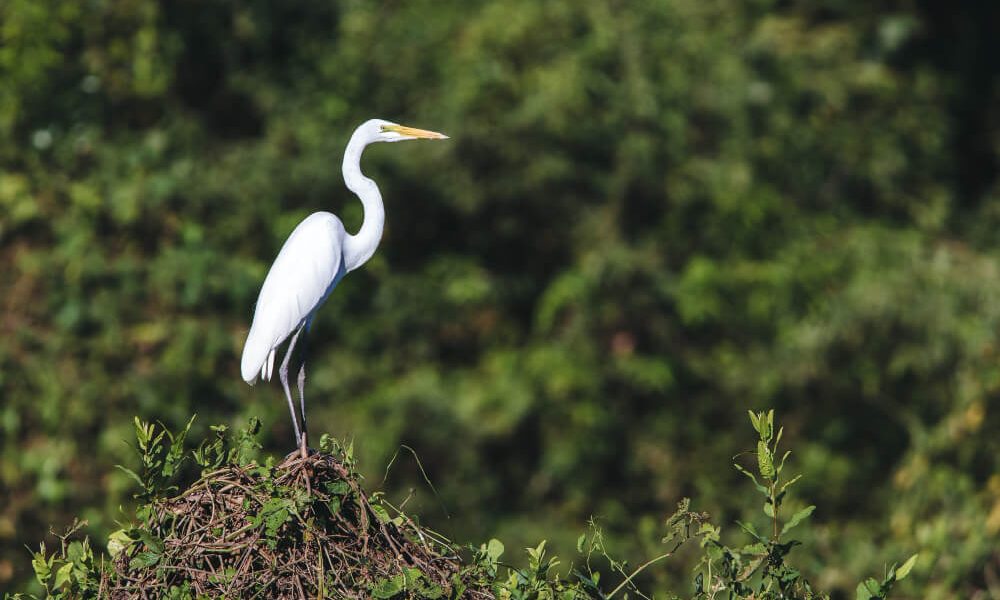
4 Days Nakuru & Masai Mara
A short two-park combination pairing Lake Nakuru’s rhinos and flamingos with the Mara.
5 Days Kenya Safari
A five-day circuit through Kenya’s most celebrated wildlife areas.
7 Days Kenya Safari
A full week exploring a broad range of Kenya’s national parks and reserves.