
Uganda’s equatorial location and varied terrain, from Bwindi’s dense mountain forest to Murchison Falls’ open savannah, mean the country is genuinely a year-round destination – but gorilla trekking conditions, Big Five game viewing, and general trip planning all still shift meaningfully with the seasons, and knowing the trade-offs helps you time a Uganda trip around what matters most to you and your travel companions.
Uganda’s Two Dry Seasons
Uganda has two distinct dry seasons, roughly June to September and December to February, both offering the most comfortable overall conditions for gorilla trekking in Bwindi and Mgahinga, as well as general savannah game viewing across Murchison Falls and Queen Elizabeth. Trails through Bwindi’s steep, often muddy forest terrain are considerably less demanding during these windows, making the physical challenge of trekking noticeably more manageable.
The Long Dry Season: June to September
June through September is Uganda’s most popular travel window, coinciding with the northern hemisphere’s summer holiday season and offering the driest, clearest trekking conditions of the year. This popularity means gorilla trekking permits book out well in advance during these months, so early planning is genuinely essential if your travel dates fall within this window.
The Short Dry Season: December to February
December through February offers a genuinely comparable trekking experience to the long dry season, with the added appeal of noticeably lower visitor numbers around Bwindi given it falls outside the peak northern summer travel period. This window is often overlooked by first-time planners but rewards travelers with a quieter, less crowded version of the same excellent trekking conditions.
Uganda’s Wet Seasons
The longer wet season, roughly March to May, and a shorter one from October to November, bring Uganda’s forests and savannah to their lushest, greenest state, though trekking trails become considerably muddier and more physically demanding as a result. Gorilla permits remain available and sometimes slightly easier to secure during these months, and rain typically falls in short, intense afternoon bursts rather than settling in for entire days.
Best Time for Gorilla Trekking Specifically
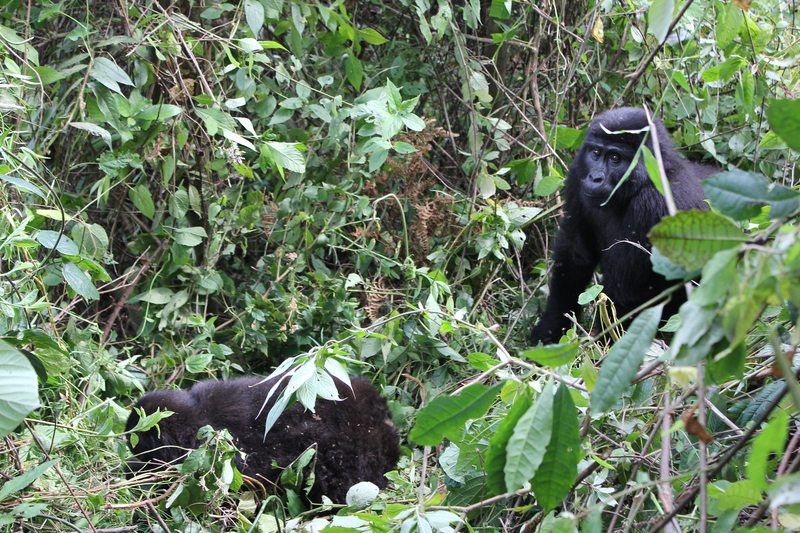
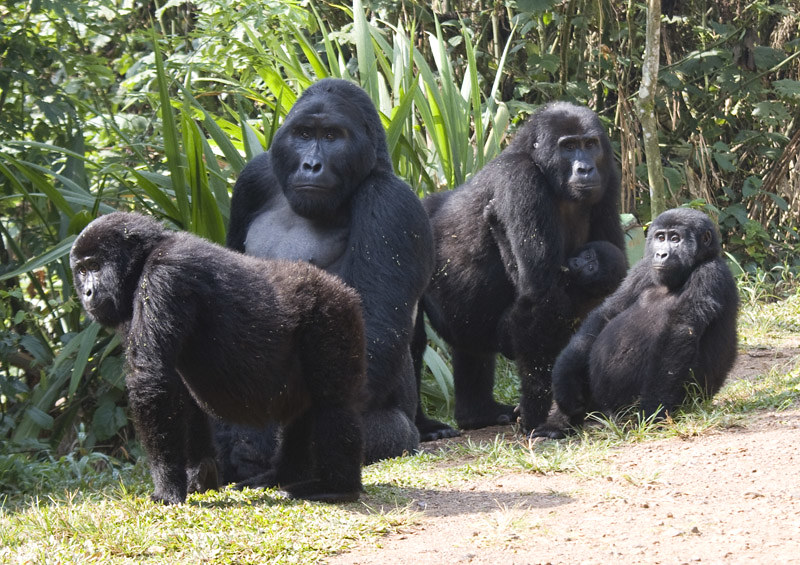
Gorilla trekking runs year-round in Bwindi Impenetrable National Park, since gorillas are resident rather than migratory, so the real seasonal decision comes down to trail conditions and permit availability rather than whether gorillas will actually be present. See our gorilla trekking difficulty guide for how season specifically affects trek conditions.
Best Time for Chimp Trekking in Kibale
Chimp trekking in Kibale Forest follows the same broad seasonal pattern as gorilla trekking, with the dry seasons offering easier trail conditions and the wet seasons bringing lusher scenery at the cost of muddier walking. Kibale’s generally flatter terrain makes wet-season trekking somewhat more manageable here than in Bwindi’s steeper hills.
Best Time for Murchison Falls and Queen Elizabeth Game Drives
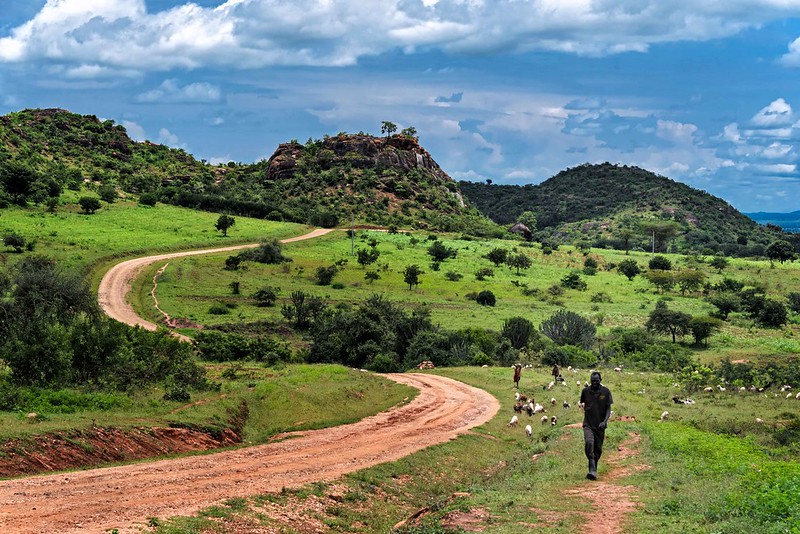
Uganda’s savannah parks follow a more classic dry-season game-viewing pattern, with thinning vegetation during June to September and December to February improving overall visibility for lion, elephant, and buffalo. See our Murchison Falls Big Five guide for more on the park’s year-round wildlife.
Permit Booking Timelines
Given how far in advance gorilla trekking permits can sell out, particularly during the June to September peak window, booking six months to a year ahead is genuinely sensible for travelers with fixed travel dates. See our gorilla trekking pricing guide for current permit costs and how far ahead most operators recommend booking.
Temperature and Altitude Considerations
Bwindi and Mgahinga both sit at high altitude, and temperatures there run noticeably cooler than Uganda’s lower-lying savannah parks year-round, meaning warm layers are worth packing regardless of which season you visit. Murchison Falls and Queen Elizabeth, at lower elevation, share a warmer, more classic savannah climate quite different from the cooler, often misty mountain forest further south.
Uganda’s Climate Compared to Rwanda
Uganda and Rwanda share broadly similar equatorial climate patterns, given their shared position along the Virunga Massif and similar overall latitude, so travelers combining gorilla trekking across both countries can generally plan around the same dry-season windows without needing to reconcile conflicting seasonal advice.
Photography Considerations by Season
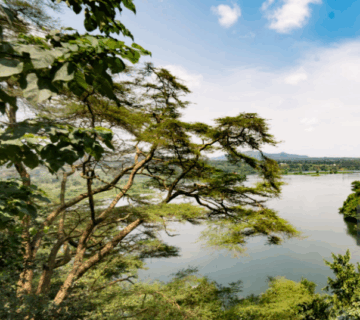
The dry seasons offer clearer skies and better overall light for photography, though the wet season’s lush, saturated greens can produce genuinely striking images for photographers willing to work around occasional rain delays. Overcast wet-season light also softens shadows in dense forest settings, sometimes producing more even, flattering results than the harsher contrast of a bright dry-season midday.
What to Pack Regardless of Season
Uganda’s forest environments stay genuinely unpredictable regardless of official season, so a rain jacket, sturdy hiking shoes, and layers for cooler high-altitude mornings are worth packing on any trip. Our gorilla trekking packing list covers the full range of essentials in more detail.
Combining Uganda With Rwanda or Kenya
Many travelers combine Uganda with Rwanda’s gorilla trekking and Big Five circuit, or with Kenya’s Masai Mara, and since all three countries share broadly similar seasonal patterns along the wider East African region, planning a combined itinerary rarely requires reconciling conflicting best-time advice between destinations.
Best Time for Birding in Uganda
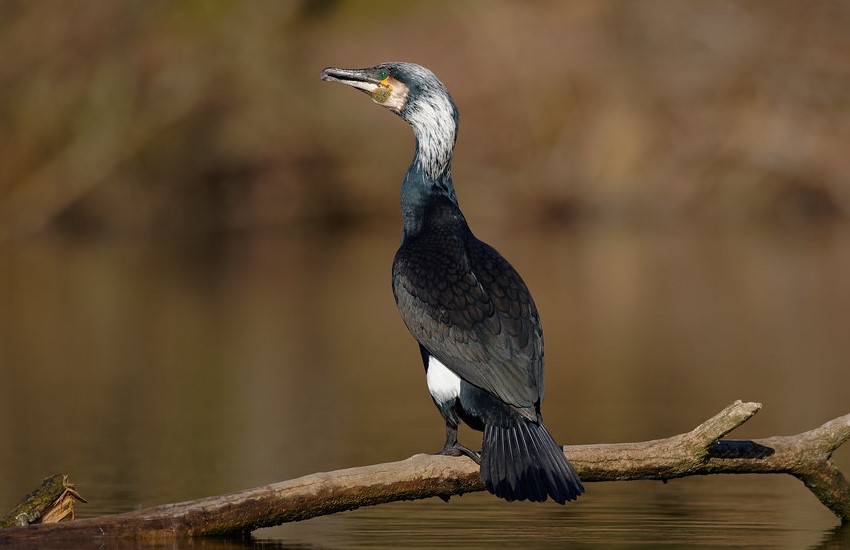
Uganda’s exceptional bird diversity, spanning montane forest species in Bwindi to wetland species around Murchison Falls and Queen Elizabeth, peaks during the wet seasons when migratory species arrive alongside resident populations. Dedicated birders often deliberately time visits to coincide with these wetter months, accepting muddier trails in exchange for the season’s noticeably richer overall species count and variety.
School Holiday and Peak Crowd Considerations
Beyond weather, Uganda’s peak crowd periods generally track the June to September and December to early January windows, driven by northern hemisphere summer and Christmas holidays respectively. Travelers with flexible dates who can shift even slightly outside these peak windows, while staying within the broader dry seasons, often find a noticeably quieter, less pressured trekking experience without sacrificing much in terms of trail conditions or overall visit quality.
How Uganda’s Seasons Affect Lodge Pricing
Lodge rates around Bwindi and Uganda’s other national parks typically follow the same peak-season pattern as permit demand, with the highest rates during June to September and the December holiday period, and comparatively better value available during the shorter dry season in January and February or the wetter months. Booking accommodation alongside your gorilla trekking permit well in advance is sensible during peak months, since the limited number of lodges near park entrances fills up quickly once permits are secured.
Weather Variability and Microclimates
Uganda’s varied terrain, from Bwindi’s high mountain forest to Murchison Falls’ lower savannah plains, means weather can genuinely differ noticeably between regions on the same day, even within a single short itinerary. This microclimate variation is worth keeping in mind when packing for a multi-park Uganda trip, since conditions suited to a cool, misty morning in Bwindi may feel quite different from a warm afternoon game drive in Murchison Falls later the same week of travel.
Visa and Entry Timing Considerations
Uganda’s East Africa Tourist Visa and straightforward entry process mean visa timing rarely constrains when you can travel, unlike some destinations with more involved application procedures. This flexibility means your Uganda travel dates can be driven almost entirely by gorilla trekking permit availability and personal weather preference, rather than any separate visa-related seasonal restriction affecting your overall itinerary.
Seasonal Timing for the Nile Boat Cruise
Murchison Falls’ Nile boat cruise runs year-round, though water levels and wildlife concentration along the riverbanks can shift somewhat with the seasons, with the dry season generally drawing larger, more visible hippo and elephant gatherings along the shrinking water’s edge. This seasonal pattern is worth factoring in if the boat cruise is a specific priority for your Murchison Falls visit, alongside the park’s other wildlife highlights.
Frequently Asked Questions
Is there a bad time to visit Uganda?
Not really – Uganda’s varied terrain and resident wildlife mean there’s genuinely no single season to actively avoid, just trade-offs between drier trails and lower wet-season crowds worth weighing against your own priorities.
When should I book gorilla trekking permits?
Ideally six months to a year in advance, particularly for travel during the June to September peak season, given how limited daily permit numbers are.
Is the wet season worth avoiding for gorilla trekking?
Not necessarily – permits are often easier to secure and trails remain walkable, just muddier, and short afternoon showers rather than all-day rain are typical.
Does Uganda’s best time to visit align with Rwanda’s?
Yes, broadly, given the two countries’ shared climate patterns, making a combined Uganda-Rwanda itinerary straightforward to plan around a single seasonal window.
What’s the coolest time of year in Bwindi?
Temperatures stay relatively cool year-round given the park’s high altitude, though early mornings during the June to September dry season can feel especially crisp.
Ready to Plan Your Uganda Safari?
Whether gorilla trekking, Big Five game drives, or a full multi-park Uganda circuit is your priority, our team can help you choose the timing and itinerary that best matches your travel dates and interests. Get in touch with our team below today and let’s start planning your complete Uganda safari itinerary together.

No comment