

Tree-Climbing Lions of Queen Elizabeth National Park
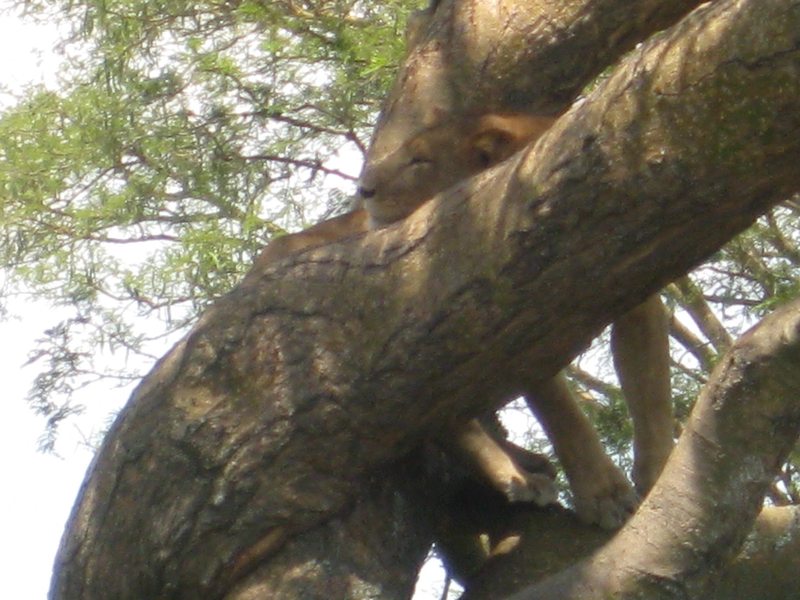
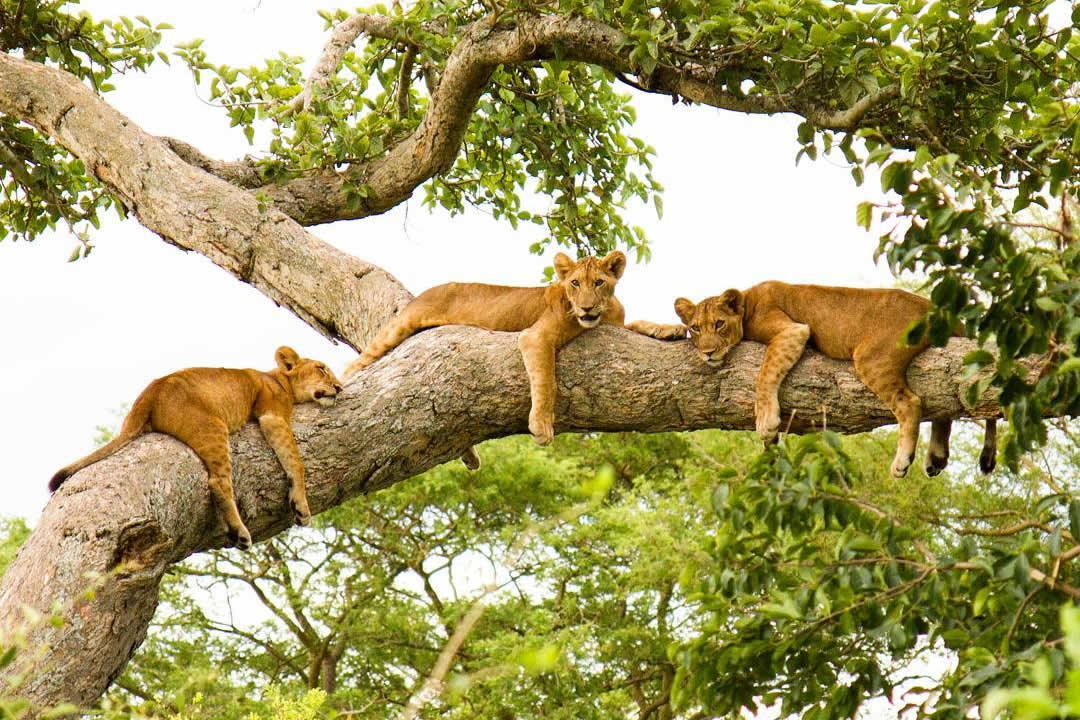
Queen Elizabeth National Park is home to one of only two known tree-climbing lion populations in Africa, found almost exclusively in the park’s Ishasha sector, where prides rest draped over the branches of large fig and acacia trees during the heat of the day – a genuinely rare behaviour that draws travelers to Uganda specifically to see it.
Where to See Tree-Climbing Lions
The Ishasha sector, in Queen Elizabeth’s far southern reaches, is the specific area associated with this behaviour, home to several resident prides that regularly climb the sector’s large, well-spaced fig trees. Sightings aren’t guaranteed on any single visit, but Ishasha’s guides know exactly which trees local prides favour, meaningfully improving the odds of a genuine sighting.
Why Do Queen Elizabeth’s Lions Climb Trees?
Researchers haven’t settled on a single definitive explanation, though the leading theories include relief from biting flies and heat at ground level, a better vantage point for spotting prey and approaching danger, and simple comfort on cooler branches during the hottest hours of the day. Whatever the exact cause, the behaviour appears to be a learned, socially transmitted trait passed down within specific prides rather than an instinctive trait shared by lions generally.
Where Else in Africa Do Lions Climb Trees?
The only other well-documented tree-climbing lion population is found in Tanzania’s Lake Manyara National Park, making Uganda and Tanzania the two places in Africa where this specific behaviour is reliably observed. This rarity is a genuine part of what makes Ishasha’s lions such a distinctive draw for travelers who’ve already seen conventional ground-resting prides elsewhere in East Africa.
Best Time of Day to See Tree-Climbing Lions
Midday, during the hottest hours, is generally the most reliable window for spotting lions up in the trees, since the behaviour is closely tied to seeking relief from ground-level heat and insects. This makes Ishasha somewhat unusual among game-viewing destinations, where midday is typically the quietest period for predator activity elsewhere.
Ishasha’s Broader Wildlife
Beyond the tree-climbing lions themselves, Ishasha holds healthy elephant and buffalo populations, along with leopard in the sector’s denser wooded areas, giving it a genuinely strong Big Five character beyond its famous predator behaviour. See our Queen Elizabeth buffalo guide and leopard guide for more on the sector’s wider wildlife.
How Many Lions Live in Queen Elizabeth National Park?
Queen Elizabeth holds one of Uganda’s most significant lion populations, spread across both the Ishasha sector and the park’s northern Kasenyi plains, though only Ishasha’s prides are known for the tree-climbing behaviour specifically. The northern plains’ lions behave more conventionally, resting on the ground in the same manner as most lion populations elsewhere in East Africa.
Lion Conservation Challenges in Queen Elizabeth
Queen Elizabeth’s lion population has faced real conservation pressure in recent years, including documented poisoning incidents linked to human-wildlife conflict with neighbouring communities, making ongoing conservation and community engagement work genuinely important to the population’s long-term survival. Tourism revenue from lion-focused visits directly supports this conservation work, reinforcing the same funding model that protects wildlife across Uganda’s national parks.
How Queen Elizabeth Compares to Other Uganda Lion Destinations
Unlike Murchison Falls, where lions behave conventionally across the park’s northern savannah, or the remote Kidepo Valley, Queen Elizabeth’s Ishasha sector offers Uganda’s only reliable chance at this genuinely unusual tree-climbing behaviour, making it a distinct addition to any Uganda lion-focused itinerary.
Getting to the Ishasha Sector
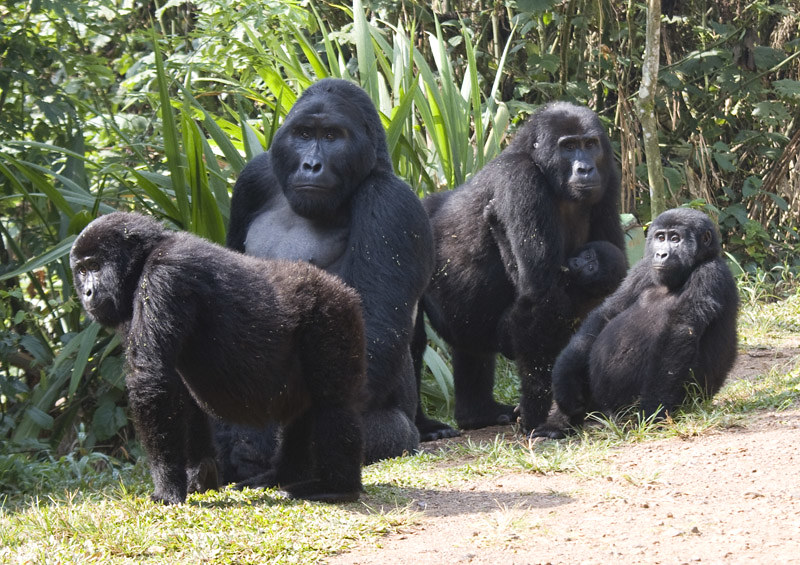
Ishasha sits in Queen Elizabeth’s far south, reached by a longer drive from the park’s main northern entrance, and many itineraries treat it as either a dedicated overnight stop or a route-through point when travelling between Queen Elizabeth and Bwindi Impenetrable National Park further south. This positioning makes Ishasha a natural stop for travelers already combining Big Five game drives with gorilla trekking on the same trip.
Best Time of Year for Tree-Climbing Lion Sightings
Tree-climbing behaviour is observed year-round in Ishasha, since it’s tied to daily heat patterns rather than seasonal migration, though the dry seasons, roughly December to February and June to August, generally offer easier road access to the sector. Uganda’s shorter, more intense wet-season rains can occasionally make Ishasha’s roads more challenging, worth factoring into trip planning during those months.
Self-Drive vs Guided Safaris in Ishasha
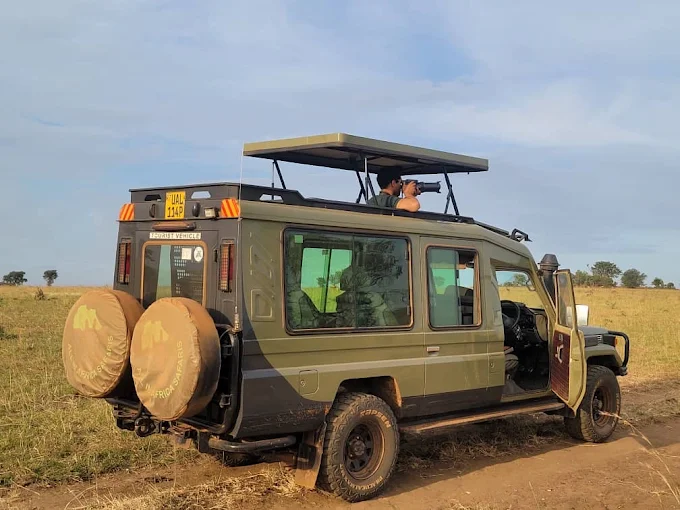
Given how specific the knowledge of which trees local prides favour actually is, a guided safari makes a genuinely significant difference to your odds of a tree-climbing lion sighting compared to independent exploration. Most visitors combine a guided drive through Ishasha with time in Queen Elizabeth’s northern sector for a fuller picture of the park’s wildlife.
Photographing Tree-Climbing Lions
A telephoto lens is essential here, since lions resting in tree branches are often at some distance and elevation from the road, and the dappled light filtering through fig tree canopy can create genuinely challenging but rewarding photographic conditions. Patience matters too – a resting lion may stay in the same tree for hours, giving photographers time to wait for better light or a more interesting pose.
Combining Ishasha With Gorilla Trekking
Ishasha’s southern position makes it a natural stop for travelers combining Queen Elizabeth’s Big Five game drives with gorilla trekking in nearby Bwindi Impenetrable National Park, one of the most popular multi-activity Uganda itineraries we build. This routing lets travelers experience Uganda’s rarest lion behaviour and its signature primate encounter within a single, efficiently sequenced trip.
What to Pack for an Ishasha Safari
Standard game drive gear – neutral clothing, sun protection, and binoculars – covers most of what Ishasha requires, and given the sector’s more remote position, packing slightly more redundancy is sensible. If your wider itinerary includes gorilla trekking, our gorilla trekking packing list covers that portion separately.
The History Behind Ishasha’s Tree-Climbing Lions
Researchers first documented Ishasha’s tree-climbing behaviour decades ago, and while the population suffered alongside much of Uganda’s wildlife during the political instability of the 1970s and 80s, sustained conservation effort since has helped the Ishasha prides recover to a genuinely healthy, stable population. This recovery is part of a broader Uganda conservation success story that mirrors the country’s wider gorilla and elephant population rebuilding over the same period.
Studying the Behaviour: What Research Has Found
Long-term monitoring of Ishasha’s prides has helped researchers rule out some early theories about tree-climbing, while reinforcing others, though a single definitive explanation remains elusive even after years of dedicated study. What’s clearer is that cubs raised within tree-climbing prides appear to learn the behaviour from adults, supporting the theory that this is a culturally transmitted trait specific to these particular family lines rather than a universal lion instinct.
Best Lodges for Tree-Climbing Lion Safaris
A handful of lodges operate specifically within or near the Ishasha sector, positioned to minimise game drive transfer time and maximise time actually searching for tree-climbing prides during the sector’s peak midday viewing window. Staying within Ishasha itself, rather than commuting from Queen Elizabeth’s main northern area, genuinely improves your odds given how much drive time separates the two areas of the park.
Ishasha vs the Northern Sector: Planning Your Time
Most Queen Elizabeth itineraries split time between the northern sector, with its Kazinga Channel boat cruise and Kasenyi plains game drives, and the southern Ishasha sector specifically for tree-climbing lions, given how different the two areas’ wildlife highlights actually are. Allocating at least one full day to Ishasha, rather than a rushed drive-through, genuinely improves the odds of a memorable tree-climbing lion sighting.
Combining Tree-Climbing Lions With a Wider Uganda Big Five Circuit
Travelers building a longer trip often combine Ishasha with Murchison Falls’ Big Five circuit further north, giving a single Uganda itinerary both classic savannah game viewing and this genuinely rare predator behaviour unique to just one small corner of the country.
Frequently Asked Questions
Are tree-climbing lion sightings guaranteed in Ishasha?
No, but odds are genuinely strong with an experienced guide who knows which specific trees local prides favour, particularly during the hottest midday hours.
Why do only some Queen Elizabeth lions climb trees?
The behaviour appears specific to Ishasha’s prides, likely a learned, socially transmitted trait rather than an instinct shared by all lions in the park, including those on the northern plains.
Is Ishasha worth a dedicated overnight stay?
Many itineraries treat it that way given the sector’s distance from Queen Elizabeth’s main entrance, though it also works well as a route-through stop when travelling to or from Bwindi.
Where else in Africa can I see tree-climbing lions?
Tanzania’s Lake Manyara National Park is the only other well-documented location, making Uganda and Tanzania the two reliable destinations for this specific behaviour.
Can I combine Ishasha with gorilla trekking on the same trip?
Yes, this is one of the most popular Uganda itineraries we build, given Ishasha’s convenient position en route to Bwindi Impenetrable National Park.
What’s the elephant and buffalo situation like in Ishasha?
Both are present in healthy numbers – see our Queen Elizabeth elephant guide for more on the park’s wider Big Five wildlife beyond the tree-climbing lions themselves.
Ready to Plan Your Queen Elizabeth Safari?
Whether the Ishasha sector’s tree-climbing lions, a full Big Five circuit, or a combination with gorilla trekking is your priority, our team can build an itinerary matched to your interests and timeframe. Get in touch with our team below today and let’s start planning your Uganda safari together.

No comment