


Buffalo vs Elephant: Which Is More Dangerous?
Buffalo and elephant are both frequently cited by professional guides among Africa’s most genuinely dangerous large mammals, though the specific circumstances, behaviour patterns, and reasons behind each species’ reputation differ considerably, making a direct comparison genuinely more nuanced than a simple ranking.
Why Both Species Carry Such Serious Reputations
Buffalo and elephant are each responsible for genuine human fatalities across Africa annually, considerably more than lion or leopard in many regions, a statistic that surprises many first-time safari travelers who assume big cats pose the greater risk. Both species’ danger stems less from predatory intent and more from defensive aggression when startled, cornered, or protecting young.
Buffalo: Unpredictable and Genuinely Vindictive
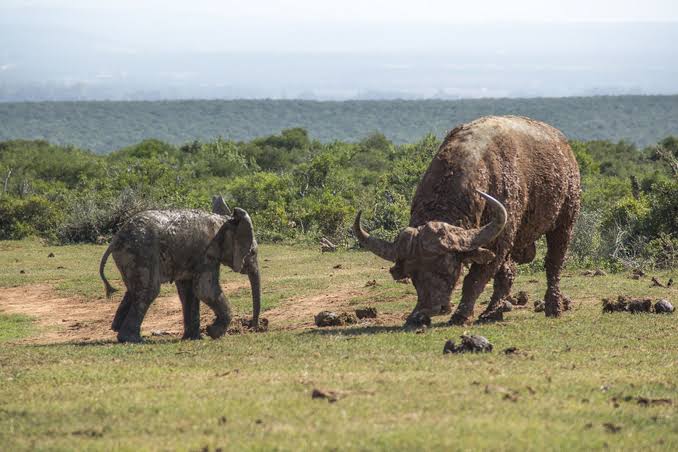
Cape buffalo are frequently described by professional guides as among the most genuinely unpredictable large mammals in Africa, given their willingness to charge with minimal warning and their documented tendency to continue an attack with genuine persistence once committed, sometimes returning to attack an already-fallen target. Solitary older bulls, known as “dagga boys,” carry a particularly serious reputation given their unpredictable temperament.
Elephant: Enormous Power With Genuine Restraint
Elephants, despite their genuinely far greater size and strength, generally display more restraint than buffalo, often issuing clear warning displays, including mock charges, ear-spreading, and trumpeting, before committing to a genuine attack. This warning behaviour gives experienced observers real opportunity to retreat, though a determined elephant charge carries genuinely catastrophic force given the animal’s sheer mass.
Comparing Attack Statistics and Circumstances
Buffalo attacks more frequently occur when a solitary bull is surprised at close range in dense vegetation, while elephant incidents more commonly involve protective mothers defending calves or bulls in musth displaying genuinely heightened aggression. Both scenarios share a common thread: genuine danger arises predominantly from surprise encounters and defensive behaviour rather than unprovoked predatory hunting.
Which Is More Dangerous on Foot vs From a Vehicle?
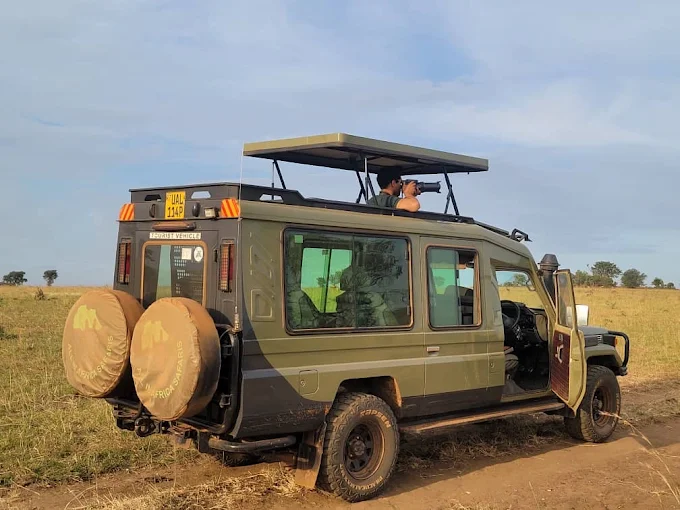
Both species pose considerably reduced risk from within a safari vehicle, which neither typically perceives as a direct threat when kept at a respectful distance, though walking safaris and guided bush walks carry genuinely elevated risk from both species, making experienced ranger guidance essential during any foot-based activity in areas where either species is present.
Guide Perspectives on Which Species Warrants More Caution
Many experienced guides genuinely rate buffalo as marginally more unpredictable given their documented persistence and willingness to charge with less obvious provocation, while acknowledging elephant’s sheer destructive capability makes a committed elephant charge genuinely more catastrophic when it does occur. Neither ranking is universally agreed upon, and both species warrant genuine caution and respect.
Where to Observe Both Species Safely
Both buffalo and elephant are widely present across East Africa’s major parks, including Murchison Falls, Tarangire, and Amboseli, offering genuine opportunities to observe both species safely from a vehicle during a standard game drive.
Best Time of Year for Buffalo and Elephant Viewing
Both species are visible year-round given resident populations across East Africa’s major parks. See our regional best-time guide for how East Africa’s seasonal patterns generally affect wider game viewing.
Why Guides Emphasise Respect Over Fear
Experienced guides genuinely emphasise that both species deserve respect rather than fear, since maintaining sensible distance and following ranger instructions during any walking activity considerably reduces risk, allowing travelers to appreciate both species’ genuine behavioural complexity without unnecessary anxiety.
Photographing Buffalo and Elephant Safely
Both species offer genuinely striking photographic subjects from within a vehicle, particularly during interactions with calves or territorial displays. A mid-range zoom covers most sightings comfortably, similar to the gear recommended in our camera gear guide.
What to Pack for Big Five-Focused Game Drives
Standard game drive gear – neutral clothing, sun protection, and binoculars – covers most of what buffalo and elephant viewing requires. If your wider itinerary includes gorilla trekking, our gorilla trekking packing list covers that portion separately.
Physical Size and Strength Compared
An adult bull elephant can weigh well over six tonnes, dwarfing an adult buffalo bull’s roughly 700 to 900 kilograms, meaning any direct physical confrontation would overwhelmingly favour the elephant purely on mass alone. However, raw size doesn’t fully determine danger level, since buffalo’s documented behavioural persistence and willingness to press an attack repeatedly plays just as significant a role in real-world incident outcomes as sheer physical power.
Herd Behaviour vs Solitary Behaviour
Buffalo herds, when encountered as a group, generally display more collective caution and flee readily when startled, while genuinely dangerous encounters overwhelmingly involve solitary bulls separated from the main herd. Elephant danger, by contrast, more commonly arises from within family herds themselves, particularly protective matriarchs and mothers defending calves, or from solitary bulls in musth displaying heightened aggression regardless of group context.
Warning Signs to Recognise From Each Species
A buffalo preparing to charge typically lowers its head, presents its horns forward, and may paw the ground, though genuine charges can begin with minimal additional warning beyond this posture. Elephants display a genuinely wider range of warning behaviour, including ear-flapping, trumpeting, mock charges that stop short of contact, and dust-throwing, giving observers considerably more opportunity to recognise escalating tension before a genuine attack occurs.
How Professional Guides Manage Risk From Both Species
Experienced guides maintain genuinely careful vehicle positioning and distance around both species, reading body language continuously and prioritising calm, quiet observation over close approach, particularly around mothers with young or any individual displaying visible agitation. This professional judgment, built through years of field experience, is central to why guided game drives carry considerably lower risk than independent, inexperienced encounters.
Historical Incident Patterns Across East Africa
Wildlife authorities across Kenya, Tanzania, and Uganda have documented genuine human-wildlife conflict incidents involving both species, particularly in areas where buffalo and elephant range overlaps with agricultural land bordering protected areas, a pattern distinct from the lower-risk, managed encounters typical of standard tourist game drives within national parks themselves.
Why Neither Species Should Be Feared, Only Respected
Despite their serious reputations, both buffalo and elephant sightings remain overwhelmingly safe and genuinely rewarding when approached with appropriate guide-led caution, and the vast majority of safari visitors encounter both species without incident across millions of collective game drive hours annually throughout East Africa.
Comparing Danger to Other Big Five Species
While lion and leopard receive considerable attention for their predatory reputation, statistical data on human fatalities across much of Africa consistently places buffalo and elephant among the more frequent causes of serious incidents, a genuinely counterintuitive fact many first-time travelers find surprising given popular culture’s focus on big cats as the primary safari danger.
What to Do If You Encounter Either Species on Foot
Should a walking safari encounter either species at close range, ranger guidance genuinely emphasises remaining calm, avoiding sudden movement, and following the guide’s specific instructions rather than attempting to run, since both buffalo and elephant can move considerably faster over short distances than most people assume, making flight rarely a viable independent option.
How Camps and Lodges Manage Nighttime Encounters
Many safari camps positioned within buffalo and elephant range implement genuinely careful nighttime protocols, including escorted walks between tents and communal areas after dark, reflecting how both species genuinely frequently move through camp grounds overnight even when rarely, if ever, visible during normal daylight hours.
Why This Comparison Matters Before Choosing a Walking Safari
Travelers specifically considering a walking safari component to their itinerary genuinely benefit from understanding both species’ behaviour patterns beforehand, allowing more informed conversations with their operator about which specific destinations and guided experiences best genuinely match their comfort level with this elevated, if generally well-managed, risk.
Final Takeaway
Ultimately, both species genuinely deserve equal caution rather than a definitive ranking, and the safest, most rewarding approach remains trusting experienced guides who read each specific situation and animal’s behaviour in real time rather than relying purely on generalised, broad assumptions about which specific species genuinely poses the greater overall risk in any given encounter.
Frequently Asked Questions
Which is genuinely more dangerous, buffalo or elephant?
Both carry serious reputations, with buffalo often considered more unpredictable and elephant capable of considerably greater destructive force when provoked.
Are buffalo or elephant dangerous from inside a vehicle?
Genuinely reduced risk from a vehicle kept at respectful distance, though walking safaris carry elevated risk from both species.
Why do solitary buffalo bulls carry a worse reputation?
Older “dagga boy” bulls display genuinely unpredictable temperament and reduced herd-based caution compared to buffalo within a larger group.
Do elephants give warning before attacking?
Often yes – mock charges, ear-spreading, and trumpeting typically precede a genuine attack, giving observers real opportunity to retreat.
Where can I see both species safely?
Murchison Falls, Tarangire, and Amboseli all offer genuine opportunities to observe both species safely from a vehicle.
Ready to Plan Your East Africa Safari?
Whether observing buffalo and elephant behaviour firsthand, the full Big Five, or a complete East Africa itinerary is your priority, our team can build a trip matched to your interests. Get in touch with our team below today and let’s start planning your complete safari itinerary together.



No comment