
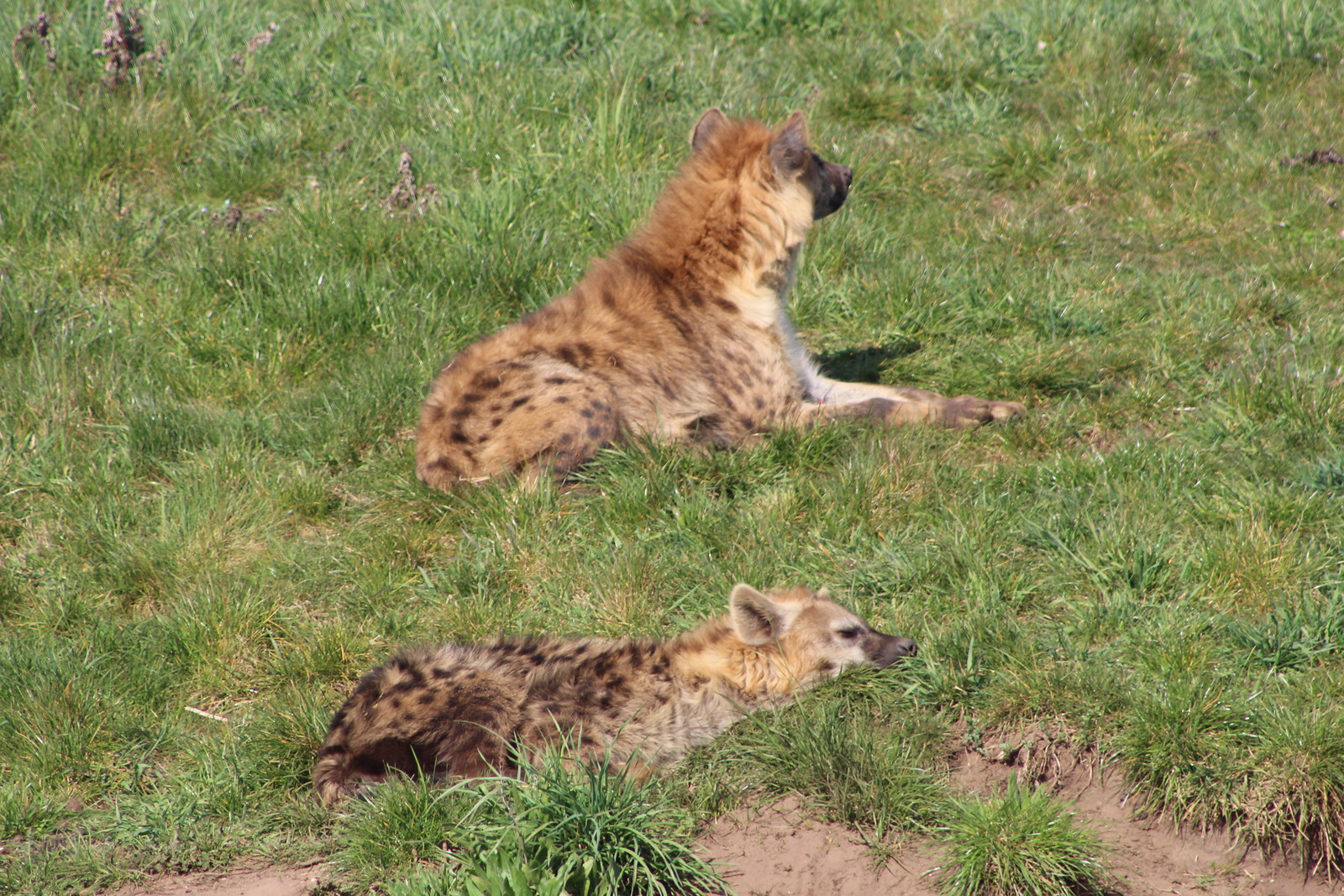



Spotted hyenas genuinely possess one of the most sophisticated vocal communication systems of any African mammal, using a distinct repertoire of whoops, grunts, giggles, and the famous laughing call to coordinate clan movement, signal social rank, and manage the complex politics of a matriarchal society considerably more structured than the species’ scavenger reputation suggests.
The Genuine Purpose Behind the Famous “Laugh”
The hyena’s well-known giggling vocalisation, often described as a laugh, genuinely functions as a signal of submission and social stress rather than amusement, typically produced when a lower-ranking individual is being challenged or displaced from a kill by a more dominant clan member, meaning the sound most people associate with comedy actually reflects a genuinely tense social moment within the clan’s strict hierarchy.
The Long-Distance Whoop and What It Genuinely Communicates
A hyena’s whooping call genuinely carries across several kilometres of open savannah and serves multiple distinct purposes, including calling separated clan members back together, announcing a location to distant relatives, and, researchers believe, potentially conveying information about the caller’s individual identity through subtle variations in pitch and pattern that other hyenas can genuinely distinguish between different known individuals.
How Rank Is Communicated Through Vocal and Postural Signals
Spotted hyena clans are genuinely organised around a strict, matriarchal rank system, and vocal communication plays a direct role in reinforcing this hierarchy, with dominant individuals producing confident, low-pitched calls during confrontations while subordinate hyenas respond with higher-pitched submissive vocalisations and characteristic body postures, including a lowered head and tucked tail, that other clan members immediately recognise as an acknowledgement of lower status.
Why Scent Marking Works Alongside Vocal Communication
Beyond vocalisation, hyenas genuinely maintain a scent-marking system using a specialised anal gland to deposit a distinctive paste onto grass stems along territory boundaries, a practice called pasting that, combined with vocal signals, gives the species a genuinely layered communication system operating across both auditory and chemical channels simultaneously, letting clan members and rival clans alike gather information about territory boundaries and individual presence even without direct visual or vocal contact.
How Clan Coordination During a Hunt Genuinely Relies on Vocal Signals
Unlike lions, which hunt largely through visual coordination and positioning, hyena clans genuinely use vocal communication considerably more actively during a group hunt, with specific calls helping coordinate a pursuit across open terrain where visual contact between all participating clan members isn’t always maintained, a genuinely more vocally dependent cooperative hunting style than most other African predator species rely on.
Why Cubs Learn the Vocal Repertoire Early
Hyena cubs genuinely begin producing recognisable versions of adult vocalisations within their first weeks of life, and researchers studying clan social development believe early vocal practice plays a genuine role in cubs establishing their eventual position within the clan’s rank structure, since consistent exposure to and correct use of rank-appropriate calls helps a young hyena integrate successfully into the clan’s complex ongoing social dynamics.
Where to Observe Hyena Behaviour in East Africa
Large, well-studied hyena clans are genuinely reliable to observe across the Serengeti-Mara ecosystem, alongside resident clans at Queen Elizabeth National Park and smaller populations documented at the Serengeti’s woodland fringes, both offering genuine opportunities to hear the full vocal repertoire firsthand.
Best Time of Year for Hyena Viewing
Hyenas are visible year-round given resident clan territories, though migration season concentrates prey and correspondingly increases visible activity. See our regional best-time guide for how seasonal patterns generally affect wider game viewing.
Photographing Hyena Social Behaviour
Capturing a whooping call in progress, or the submissive giggling display during a rank confrontation, offers genuinely rich behavioural photography opportunities beyond a standard resting portrait. See our camera gear guide for broader equipment recommendations.
What to Pack for Predator-Focused Game Drives
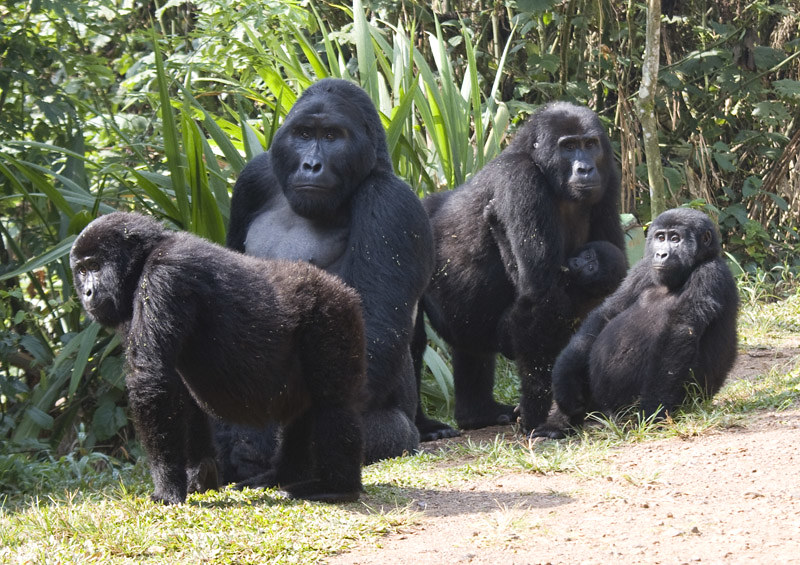
Standard game drive gear – neutral clothing, sun protection, and binoculars – covers most of what predator viewing requires. If your wider itinerary includes gorilla trekking, our gorilla trekking packing list covers that portion separately.
Why Female Dominance Genuinely Shapes the Entire Vocal System
Spotted hyena clans are genuinely unusual among African predators in being led by females, who are physically larger and considerably more aggressive than males, and this female-dominant social structure directly shapes vocal communication patterns, since females genuinely produce more frequent and more assertive dominance vocalisations than males, who typically occupy lower average clan rank regardless of their individual size or age.
How Researchers Have Documented Individual Vocal Signatures
Acoustic analysis of hyena whooping calls has genuinely revealed measurable individual variation in pitch, rhythm, and pattern consistent enough that researchers can distinguish between specific known hyenas purely from audio recordings, a level of individual vocal signature considerably more distinct than researchers initially expected, suggesting hyenas themselves likely use these same subtle variations to recognise specific clan members from a distance.
Why Hyena Communication Extends to Coordinating Cub Care
Hyena clans genuinely use vocal signals to coordinate communal cub-rearing responsibilities at the clan’s central den site, where multiple females’ cubs are raised together, with specific calls helping signal feeding time, alert the group to danger near the den, or call a mother back from a distant hunt, a coordination system that reflects just how socially integrated hyena clan life genuinely is beyond simple hunting cooperation alone.
Comparing Hyena Vocal Complexity to Other African Predators
While lions and leopards genuinely rely far more heavily on scent marking and visual territorial display than extended vocal exchange, hyenas’ considerably larger and more varied vocal repertoire reflects their more complex clan-based social structure, requiring a genuinely more sophisticated communication toolkit to manage the rank negotiations, coordination, and conflict resolution that a large, socially structured clan demands compared to the more solitary or loosely social lifestyle other predator species maintain.
Why Guides Value Explaining Hyena Vocalisations to Visitors
Given how widely misunderstood hyena behaviour genuinely is, largely a reputation problem rooted in the species’ scavenging habits and the misleading “laugh” association, experienced guides genuinely value using vocal behaviour to reframe hyenas as a genuinely intelligent, socially complex species deserving considerably more respect than casual popular perception typically affords them.
Combining Hyena Behaviour Viewing With a Wider Predator Circuit
Hyena clan viewing pairs naturally with a broader predator-focused itinerary covering lion pride hunting and leopard avoidance behaviour sightings within the same overall trip, giving travelers genuine insight into East Africa’s full range of predator social structures.
How Hyena Clan Size Genuinely Varies Across East Africa
Spotted hyena clan size genuinely varies considerably depending on prey availability and territory quality, ranging from a handful of individuals in resource-poor areas to well over sixty members in prey-rich ecosystems like the Serengeti-Mara during migration season, and researchers have found that larger clans genuinely require a correspondingly more complex vocal and social signalling system to manage rank relationships across so many individuals, meaning the sophistication of a clan’s communication network scales directly with how many hyenas actually need to coordinate within it.
Why Hyena Bite Force Adds a Genuinely Physical Dimension to Rank Disputes
Beyond vocal and postural signalling, spotted hyenas genuinely possess one of the strongest bite forces relative to body size of any African mammal, powerful enough to crack open bone that most other scavengers simply cannot access, and this physical capability adds real weight to rank confrontations, since a dominant hyena’s willingness to escalate a dispute physically, not just vocally, is a genuinely credible threat that shapes how quickly subordinate individuals typically back down once a confrontation begins.
How This Communication System Supports the Species’ Genuine Hunting Success
Contrary to the species’ popular reputation as primarily scavengers, spotted hyenas genuinely hunt down and kill the majority of what they eat themselves, and researchers studying clan hunting success have found that clans with stronger, more established internal communication and rank clarity genuinely coordinate pursuit and kill-sharing more efficiently than clans experiencing frequent rank instability, directly linking the sophistication of the species’ vocal system to genuinely measurable hunting and survival outcomes.
Frequently Asked Questions
Why do hyenas make a laughing sound?
The giggling call genuinely signals submission and social stress, typically produced when a lower-ranking individual is challenged over a kill, not amusement.
What does the hyena whooping call actually communicate?
It carries across several kilometres, calling separated clan members together and potentially conveying the caller’s individual identity through subtle vocal variation.
Are female hyenas genuinely dominant over males?
Yes, genuinely so – spotted hyena clans are led by females, who are larger and more aggressive, with males typically occupying lower average rank.
How do hyenas coordinate during a group hunt?
Considerably more through vocal signals than visual coordination alone, helping maintain contact across open terrain during a pursuit.
Where can I see hyena clan behaviour on safari?
The Serengeti-Mara ecosystem and Queen Elizabeth National Park both offer strong resident hyena clan populations.
Ready to Plan Your East Africa Safari?
Whether observing hyena behaviour firsthand, the wider predator dynamic, or a full East Africa itinerary is your priority, our team can build a trip matched to your interests. Get in touch with our team below today and let’s start planning your complete safari itinerary together.





No comment