
Spotted Hyenas of Queen Elizabeth National Park
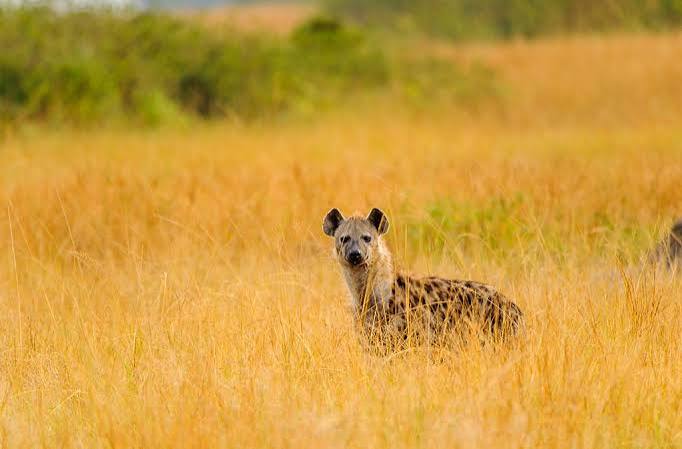
Spotted hyena move across Queen Elizabeth National Park’s grassland in genuinely large, complex clans, their reputation as mere scavengers considerably overstated given how much of their diet actually comes from cooperative hunting, making them one of the park’s more misunderstood, and genuinely fascinating, predator species.
Setting the Record Straight: Hunters, Not Just Scavengers
Despite a long-standing popular reputation as opportunistic scavengers living off lion kills, spotted hyena are genuinely capable, cooperative hunters responsible for a considerable share of their own food, particularly targeting the park’s abundant Uganda kob and other antelope populations. This hunting capability is frequently underestimated by visitors arriving with preconceptions shaped more by popular culture than by the species’ actual, genuinely sophisticated behaviour.
Where to Find Hyena in Queen Elizabeth
Hyena clans range widely across Queen Elizabeth’s grassland and woodland edges, often denning near termite mounds or thick vegetation that offers secure shelter for cubs. Their genuinely opportunistic nature means sightings frequently occur near recent kill sites, where hyena wait patiently for scavenging opportunities once larger predators finish feeding.
Clan Structure and Female Dominance
Spotted hyena society is genuinely unusual among African predators for its strict female-led hierarchy, with the dominant female, or matriarch, ranking above all clan males regardless of individual size or age. This female dominance, reinforced by naturally higher testosterone levels in female hyena than in most other mammals, shapes almost every aspect of clan social structure.
Hyena Vocalisations and Communication
The hyena’s famous “laugh,” technically a vocalisation used to signal excitement or submission rather than genuine amusement, is one of several distinctive calls clans use to coordinate movement and defend territory, alongside deep whooping calls that can carry considerable distances across Queen Elizabeth’s open grassland to summon other clan members to a kill or contested territory.
Hyena and Queen Elizabeth’s Other Predators
Hyena maintain a genuinely complex, often contentious relationship with the park’s resident lion prides, with both species regularly contesting kills and territory, a dynamic that produces some of the ecosystem’s more dramatic predator interactions. Some researchers have even suggested this competitive pressure may contribute to Queen Elizabeth’s lions’ unusual tree-climbing behaviour.
Best Time of Year for Hyena Sightings
Hyena are visible in Queen Elizabeth year-round given their resident status across the park’s plains, making seasonal timing genuinely less critical than time of day, given their primarily nocturnal and crepuscular activity pattern. See our Uganda best-time guide for how the country’s broader seasonal patterns generally affect game viewing.
Night Activity and Why Timing Matters
Hyena are considerably more active after dark than during the heat of the day, and while standard game drives don’t cover the deepest night hours, early morning and late afternoon drives often catch clans still actively hunting or returning from a night’s activity, offering genuinely better odds of dynamic behaviour than midday sightings.
Self-Drive vs Guided Safaris for Hyena Viewing
Locating an active hyena den or a hunting clan genuinely benefits from guide knowledge and current information on recent activity, given how much ground clans can cover across the park’s considerable overall area. Most visitors combine Queen Elizabeth with a wider guided Uganda itinerary.
Photographing Queen Elizabeth’s Hyena
Hyena at a den site, particularly with cubs present, offer genuinely compelling, often overlooked photographic opportunities distinct from the more commonly photographed big cats. A mid-range zoom covers most den sightings well, similar to the gear recommended in our camera gear guide.
What to Pack for a Queen Elizabeth Safari
Standard game drive gear – neutral clothing, sun protection, and binoculars – covers most of what the park requires, and a light layer is worth having for the Kazinga Channel boat cruise given the breeze across open water. If your wider itinerary includes gorilla trekking, our gorilla trekking packing list covers that portion separately.
Hyena’s Ecological Role
Beyond their own hunting success, hyena play a genuinely important ecological role as scavengers, efficiently clearing carcasses that would otherwise linger across the plains, a cleanup function that helps limit disease spread across the wider ecosystem. This dual role, as both skilled hunter and essential scavenger, makes hyena genuinely central to Queen Elizabeth’s overall ecological balance.
Combining Hyena Viewing With the Kazinga Channel
Hyena sightings pair naturally with a Kazinga Channel boat cruise, given how frequently clans patrol the grassland bordering the waterway in search of scavenging opportunities from wildlife visiting the water’s edge.
Getting to Queen Elizabeth National Park
Queen Elizabeth sits within a comfortable drive of western Uganda’s main tourism circuit, commonly reached en route between Kibale Forest and Bwindi Impenetrable National Park, making it a natural inclusion on longer itineraries combining multiple parks and primate destinations.
Hyena Cub Development and Clan Care
Hyena cubs are born in communal den sites, often converted termite mounds or rocky crevices, where multiple clan females share watch duties over cubs while other members range out to hunt or scavenge. This cooperative den-based upbringing, genuinely more organised than many visitors expect, gives hyena cubs a real survival advantage compared to more solitary predator species raising young alone.
How Hyena Bite Force Compares to Other Predators
Spotted hyena possess a genuinely exceptional bite force relative to their body size, powerful enough to crack open bone that other predators, including lion, generally leave behind, allowing hyena to extract nutrition other scavengers simply cannot access. This specialised jaw strength is part of why hyena remain such efficient scavengers even after larger predators have already fed on a carcass.
Clan Territory and Boundary Disputes
Hyena clans defend genuinely well-defined territories, marking boundaries through scent and vocal communication, and territorial disputes between neighbouring clans can occasionally erupt into serious, sometimes intense confrontations. These boundary conflicts, while less commonly witnessed by visitors than a straightforward hunt, offer a genuinely compelling glimpse into the complex social politics underlying hyena clan life across Queen Elizabeth’s shared landscape.
Comparing Queen Elizabeth’s Hyena to Other Uganda Parks
While hyena occur across several of Uganda’s national parks, Queen Elizabeth’s genuinely dense Uganda kob population, one of the country’s largest prey concentrations, gives the park’s hyena clans a particularly reliable food base, supporting genuinely strong population numbers compared to parks with more limited prey availability.
Hyena and the Kob-Rich Ecosystem
Queen Elizabeth’s massive resident Uganda kob population, similar in ecological importance to the concentration found at Murchison Falls, provides hyena clans with a genuinely consistent, reliable prey base that sustains healthy clan numbers throughout the year regardless of seasonal fluctuation.
Best Lodges for Hyena-Focused Visits
Properties positioned near Queen Elizabeth’s open grassland genuinely simplify logistics for travelers specifically interested in hyena clan activity, cutting down on drive time before dawn and dusk game drives when hyena activity peaks. Discussing current den locations directly with your operator, alongside wider Big Five activity, is genuinely worth doing before finalising your complete Queen Elizabeth itinerary.
Why Guides Value Hyena Sightings More Than Most Visitors Expect
Experienced Queen Elizabeth guides frequently rate a well-observed hyena hunt or clan interaction among the more genuinely rewarding sightings the park offers, precisely because the species’ complex social behaviour and cooperative hunting technique challenge the simplistic scavenger reputation most visitors arrive with.
Getting to Queen Elizabeth From Other Uganda Destinations
Travelers arriving from Kibale Forest’s chimp trekking or heading onward toward Bwindi’s gorilla trekking can genuinely combine hyena viewing with either leg of a longer Uganda journey, given Queen Elizabeth’s convenient central position along the country’s main southwestern tourism route.
Conservation Status of Queen Elizabeth’s Hyena
Unlike many of the park’s other predator species, spotted hyena populations remain genuinely stable and relatively healthy, reflecting the species’ genuine adaptability and broad diet compared to the considerably more specialised feeding requirements of both lion and leopard within the same shared ecosystem.
What to Expect From a Typical Hyena Encounter
Most hyena sightings involve a brief but memorable glimpse, a clan resting near a den or moving purposefully across open ground, rather than an extended, prolonged viewing session typical of the park’s more habituated lion prides.
Frequently Asked Questions
Are hyena just scavengers, or do they hunt?
They genuinely hunt cooperatively as skilled predators, with a considerable share of their diet coming from clan hunts rather than scavenged kills.
Why are female hyena dominant over males?
Naturally higher testosterone levels in female hyena contribute to this genuinely unusual female-led social hierarchy, distinctive among African predators.
What’s the best time of year to see hyena in Queen Elizabeth?
Year-round given their resident status, though early morning and late afternoon offer better odds given their nocturnal activity pattern.
Do hyena compete with lions for kills?
Yes, genuinely so – the two species regularly contest kills and territory, producing some of the ecosystem’s more dramatic predator interactions.
Can I see hyena during the Kazinga Channel boat cruise?
Sightings are possible along the grassland bordering the waterway, though hyena are more reliably seen during standard game drives.
Ready to Plan Your Queen Elizabeth Safari?
Whether the park’s misunderstood hyena clans, its famous tree-climbing lions, or a full Uganda itinerary is your priority, our team can build a trip matched to your interests. Get in touch with our team below today and let’s start planning your complete Uganda safari itinerary together.

No comment