
Masai giraffe browse the Masai Mara’s acacia-studded plains in genuinely tall, unmistakable herds, their distinctive jagged, star-shaped coat pattern setting them apart from East Africa’s other giraffe subspecies and making them one of the Mara’s more reliably, effortlessly spotted large mammals on almost any game drive.
Where to Find Giraffe in the Masai Mara
Giraffe range widely across the Mara’s open grassland and scattered acacia woodland, drawn to the same tree cover that gives the ecosystem its name, and their considerable height means sightings are often possible from a genuinely long distance before a vehicle even reaches the animal itself. This visibility makes giraffe among the easiest Mara species to locate independently, even for travelers with limited game-viewing experience.
Masai Giraffe: A Distinct Subspecies
The Masai giraffe, the specific subspecies found throughout the Mara-Serengeti ecosystem, carries a distinctive jagged, vine-leaf-shaped coat pattern with irregular edges, genuinely different from the more geometric, sharply defined patches seen on reticulated giraffe further north in Kenya. This visual distinction is worth knowing for travelers comparing sightings across a wider multi-region Kenya itinerary.
Giraffe Behaviour and Social Structure
Giraffe form loose, fluid herds with individuals moving relatively freely between groups rather than maintaining a rigid, permanent social structure, a pattern that gives Mara giraffe sightings a genuinely dynamic, ever-changing character from one game drive to the next. Adult males occasionally engage in “necking,” a slow-motion sparring behaviour used to establish dominance, that offers a genuinely compelling behavioural sighting when observed.
Giraffe and the Mara’s Wider Big Five Context
Giraffe sightings complement the Mara’s famous resident lion prides shared with the wider Serengeti ecosystem, its leopard population, and cheetahs, rounding out one of East Africa’s most complete single-ecosystem wildlife checklists alongside buffalo and elephant.
Why Giraffe Height Offers a Genuine Survival Advantage
A giraffe’s height allows it to browse acacia foliage well beyond the reach of most other herbivores, reducing direct feeding competition with the Mara’s grazing species while also giving giraffe a genuinely useful early-warning vantage point for spotting approaching predators across open terrain. This combination of feeding advantage and predator awareness is part of why giraffe remain such a consistently visible, successful species across the ecosystem.
Best Time of Year for Giraffe Sightings
Giraffe are visible in the Masai Mara year-round given their resident status and non-migratory browsing habits, making seasonal timing genuinely less important here than for species tied to the wildebeest migration’s grass-driven movement. See our regional best-time guide for how East Africa’s broader seasonal patterns still affect wider trip planning.
Self-Drive vs Guided Safaris for Giraffe Viewing
Giraffe are among the more straightforward Mara species to locate independently given their considerable height and preference for open acacia woodland, though a guided safari still adds real value in coordinating sightings alongside the ecosystem’s other headline wildlife. Most visitors combine Masai Mara with a wider guided Kenya itinerary.
Photographing Masai Mara Giraffe
Giraffe silhouetted against acacia trees at sunrise or sunset offer genuinely striking, classically East African photographic compositions, and their generally calm, unhurried movement makes them forgiving subjects even for less experienced wildlife photographers. A mid-range zoom covers most sightings comfortably, similar to the gear recommended in our camera gear guide.
What to Pack for a Masai Mara Safari
Standard game drive gear – neutral clothing, sun protection, and binoculars – covers most of what the reserve requires. If your wider itinerary includes gorilla trekking, our gorilla trekking packing list covers that portion separately.
Combining Giraffe Viewing With a Wider Kenya Circuit
The Masai Mara is commonly paired with Amboseli or Lake Nakuru on a standard Kenya itinerary, giving travelers additional giraffe subspecies comparison opportunities, since Kenya’s varied regions host genuinely different giraffe populations worth seeing side by side on a longer trip.
Getting to the Masai Mara
Most itineraries reach the Mara via road from Nairobi, roughly five to six hours, or by scheduled light aircraft directly into one of the reserve’s several airstrips, with the choice generally depending on how much driving time a traveler wants to include in a wider Kenya circuit.
Giraffe Conservation Status
Masai giraffe populations across East Africa have faced genuine decline in recent decades due to habitat loss and poaching pressure in some regions, leading to their classification as endangered by international conservation bodies, making the Mara’s healthy resident population a genuinely important stronghold for the subspecies specifically.
How Giraffe Sleep and Rest
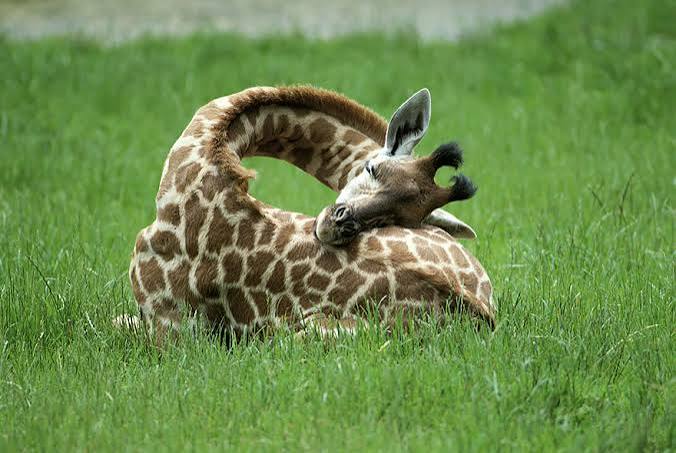
Giraffe sleep remarkably little compared to most large mammals, often just a few hours total across a full day, and rarely lie down fully given how vulnerable the position leaves them to predators despite their height and powerful kick. Most rest happens standing, with brief, genuinely light periods of drowsiness rather than the deep, extended sleep typical of many other Mara herbivores, a trait that reflects just how constantly alert giraffe remain even while resting.
The Giraffe’s Unique Cardiovascular System
Pumping blood up a neck of considerable length to reach the brain requires a genuinely powerful heart, and giraffe have evolved specialised blood vessel valves and a thickened neck skin that prevents blood pooling in the legs and manages the dramatic pressure changes involved whenever the animal lowers its head to drink. This remarkable physiological adaptation is one of several traits that make giraffe genuinely unique among Africa’s large mammals, worth appreciating beyond their obvious height alone.
Calves and Early Life in the Mara
Giraffe calves are born already standing nearly two metres tall, dropping several feet during birth itself, and are able to stand and walk within hours, a rapid development genuinely necessary given the predation risk young giraffe face from the Mara’s lion and hyena populations before they reach a safer, more defensible adult size. Mothers often form loose calving groups, taking turns watching over young calves while other females forage nearby, a cooperative behaviour that genuinely improves calf survival odds across the group.
Necking Behaviour Explained in Detail
The slow, swinging neck-to-neck sparring behaviour known as necking serves both as a genuine test of male dominance and, occasionally, as a more serious contest when hierarchy is being actively disputed within a local giraffe population. Lower-intensity necking is relatively common and generally non-injurious, while more serious bouts can occasionally result in real injury, making an observed necking match a genuinely compelling, sometimes intense behavioural sighting for visitors lucky enough to witness one during a Mara game drive.
Giraffe and the Mara’s Acacia Woodland Ecosystem
Giraffe play a genuinely significant ecological role in shaping the Mara’s acacia woodland, their browsing pressure helping maintain the open, scattered-tree structure that in turn benefits numerous other species dependent on this specific mixed habitat rather than dense, closed-canopy forest. This shaping role makes giraffe a genuinely important part of the wider ecosystem, not simply a tall, visually striking sighting for visitors.
Comparing Mara Giraffe to Uganda’s Rothschild’s Giraffe
Travelers who’ve also visited Uganda’s Murchison Falls National Park will notice a genuinely different giraffe subspecies there, the Rothschild’s giraffe, distinguished by white “socks” below the knee and a less jagged coat pattern than the Masai giraffe found throughout the Mara-Serengeti ecosystem, offering an interesting subspecies comparison for travelers combining both countries on a wider East Africa itinerary.
Best Lodges for Giraffe-Focused Visits
Properties positioned near the Mara’s acacia-dotted grassland genuinely simplify logistics for travelers specifically prioritising giraffe and wider game viewing, cutting down on drive time before and after game drives. Discussing lodge location directly with your operator, alongside current information on recent herd movement, is genuinely worth doing before finalising your complete Masai Mara itinerary.
Why First-Time Visitors Often Underrate Giraffe Sightings
Travelers focused primarily on the Mara’s big cats and the wildebeest migration sometimes treat giraffe sightings as a lesser priority, yet guides consistently note that giraffe behaviour, from necking contests to cooperative calf-watching, genuinely rewards closer attention than a passing glance typically allows. Building a little extra time into a game drive specifically to observe a resting or feeding herd often reveals considerably more behavioural nuance than most visitors initially expect.
Frequently Asked Questions
What subspecies of giraffe lives in the Masai Mara?
The Masai giraffe, identifiable by its jagged, vine-leaf-shaped coat pattern, genuinely different from the more geometric reticulated giraffe found further north in Kenya.
Are giraffe easy to spot in the Mara?
Yes, genuinely so – their considerable height makes them visible from a long distance, among the more straightforward Mara species to locate.
What’s the best time of year to see giraffe in the Masai Mara?
Year-round given their resident, non-migratory status, making seasonal timing genuinely less critical than for migration-dependent species.
Is the Masai giraffe endangered?
Yes, the subspecies has faced genuine decline across East Africa due to habitat loss, making the Mara’s population a genuinely important stronghold.
Can I see giraffe alongside the Mara’s Big Cats?
Yes, giraffe share the same open acacia woodland habitat frequented by the Mara’s lion, leopard, and cheetah populations.
Ready to Plan Your Masai Mara Safari?
Whether the Mara’s Masai giraffe, its famous big cats, or a full Kenya itinerary is your priority, our team can build a trip matched to your time and interests. Get in touch with our team below today and let’s start planning your complete Kenya safari itinerary together.

No comment