
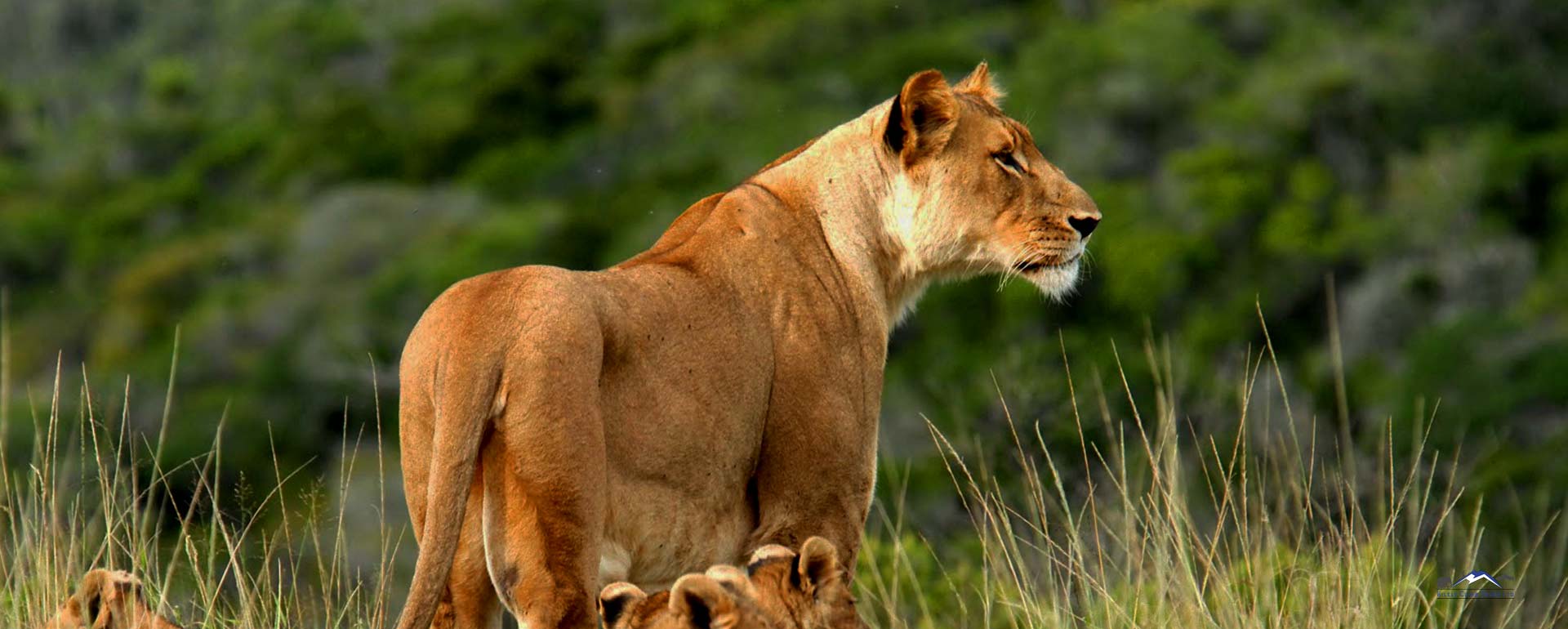
Lion cubs face a survival rate of only roughly 30 to 40 percent through their first year of life, a sobering figure driven by a specific combination of predation risk, starvation during lean periods, and the genuine threat of infanticide during a pride takeover, factors that together make early cub life considerably more precarious than most safari visitors initially realise.
This guide covers exactly what drives this considerable mortality, how pride structure and ecosystem quality shape individual odds, and why a surviving cub represents a meaningful accomplishment worth appreciating on safari.
Why the First Eight Weeks Represent the Most Vulnerable Period
Newborn cubs remain hidden away from the rest of the pride for their first six to eight weeks, a period during which they’re entirely dependent on their mother and vulnerable to predation by hyenas, leopards, and other opportunistic predators should a den be discovered before cubs are strong enough to keep pace with the wider pride. Our guide on the best time to see lion cubs covers this hidden early period in more depth, including why visitors so rarely encounter cubs this young on a typical game drive.
Infanticide: Why Pride Takeovers Represent a Leading Cause of Cub Mortality
When a rival male coalition successfully displaces a pride’s resident males, incoming males often kill existing cubs to bring females back into reproductive readiness sooner, a well-documented and brutal pattern that researchers rank among the single largest causes of cub mortality across studied lion populations. Our guide on why male lions leave their pride covers this takeover dynamic from the departing males’ perspective.
Starvation: Why Food Scarcity Threatens Cubs More Than Adults
During lean hunting periods, cubs suffer disproportionately compared to adults, since a pride’s limited food supply is typically prioritised toward hunting adults first, meaning cubs can go without adequate nutrition for extended stretches during a prolonged unsuccessful hunting streak. Our guide on what lions eat and how they hunt covers the cooperative hunting strategy an entire pride, cubs included, ultimately depends on.
Predation: Why Cubs Remain Vulnerable Even After Rejoining the Pride
Even after rejoining the wider pride around two months old, cubs remain vulnerable to predation from hyenas, leopards, and even unfamiliar lions, particularly during moments when the pride is distracted by hunting or when a cub strays too far from adult protection, a risk that gradually diminishes but never fully disappears until a cub reaches near-adult size and strength.
How Communal Cub-Rearing Improves Survival Odds
Despite these considerable risks, lions’ communal cub-rearing system improves survival odds compared to a solitary-rearing strategy, since multiple lionesses share nursing and protective duties, spreading the burden across the pride rather than leaving any single mother to manage entirely alone. Our guide on how lion prides are structured covers this communal system in considerably more depth.
Why Larger, More Established Prides Offer Cubs Better Odds
Cubs born into larger, well-established prides with a stable resident male coalition face measurably better survival odds than cubs born into smaller, less secure prides, since a stronger coalition holds territory longer, reducing the frequency of the takeover-driven infanticide that represents one of the leading causes of cub mortality covered above.
How Litter Size Affects Individual Cub Survival
Lionesses typically give birth to litters of two to four cubs, and researchers have found that individual cub survival odds can vary somewhat by litter size, with very large litters sometimes straining a mother’s ability to adequately nurse and protect every individual cub compared to a more moderate litter size.
Why Ecosystem Prey Density Shapes Regional Survival Rates
Cub survival rates vary meaningfully by ecosystem, with prey-dense ecosystems like Ngorongoro Crater generally supporting somewhat higher survival odds than leaner, more marginal habitats where hunting success runs considerably less reliable. Our guide on Ngorongoro’s resident lion prides covers this exceptionally prey-dense ecosystem in more depth.
How Survival Odds Improve Considerably After the First Year
Once a cub survives its precarious first year, survival odds improve considerably, since a yearling cub has typically grown large enough to better withstand predation attempts and keep pace with pride movement, though genuine risk continues at a reduced level until a lion reaches full adult size and independence several years later.
Why Male Cubs Face an Additional Later-Stage Risk
Beyond the risks all cubs share, male cubs face an additional challenge once they reach roughly two to three years old and are pushed out of their natal pride to begin a nomadic search for new territory, a transitional period our guide on why male lions leave their pride covers in more depth, itself carrying elevated mortality risk compared to the relative security of remaining within an established pride.
How Researchers Track Cub Survival Across Long-Term Studies
Long-term research projects, including decades-long studies within the Serengeti ecosystem, provide the detailed, individual-level data underlying most published cub survival statistics, tracking specific known cubs from birth through adulthood or death to build the kind of reliable population-level picture a single short-term study couldn’t produce on its own. Our guide on Serengeti lion safaris covers this exceptionally well-studied population in more depth.
Why Understanding Cub Mortality Adds Meaning to a Sighting
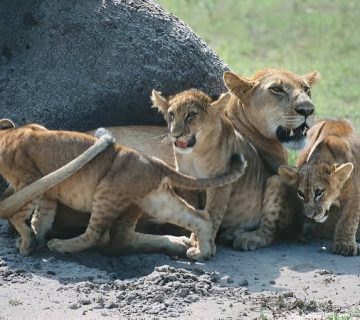
Understanding just how much genuine risk a surviving cub has already overcome by the time visitors see it playing confidently within a pride adds real emotional weight to the sighting, transforming a simple cute photo opportunity into an appreciation for the considerable odds that specific cub has already beaten.
How Mothers Choose Denning Sites to Minimise Risk
Lionesses invest considerable care in choosing a den site, favouring dense cover, rocky crevices, or thick vegetation offering genuine concealment from predators and difficult access for anything larger than the mother herself, a deliberate strategy that reduces the odds of discovery during the most vulnerable early weeks before cubs can move independently alongside the wider pride.
Why Mothers Relocate Cubs Between Multiple Den Sites
Rather than remaining at a single den throughout the hidden period, lionesses move cubs between several different den sites over the first weeks of life, a strategy researchers believe reduces the risk of a predator tracking a scent trail back to a fixed, predictable location, spreading detection risk across multiple temporary sites rather than concentrating it at one.
How Drought and Poor Rainfall Years Compound Cub Mortality
During drought years, when prey populations decline and hunting success drops across an entire ecosystem, cub survival rates fall further below the typical range, since the already-precarious balance between adult and cub feeding priority tips even further against cubs during periods of severe, sustained food scarcity. Our guide on how climate change is affecting lion populations covers how increasingly unpredictable rainfall patterns compound this existing vulnerability.
Why Genuine Individual Variation Makes Broad Averages Imperfect
The commonly cited 30 to 40 percent first-year survival figure represents a population-level average rather than a fixed rule applying equally to every individual cub, since specific factors, pride size, ecosystem prey density, and current coalition stability, shift the real odds considerably for any given litter above or below this broad average depending on the specific circumstances it’s born into.
How This Mortality Pattern Shapes Overall Population Growth
Given this considerable cub mortality, lion populations require sustained reproductive output simply to maintain stable numbers, meaning any additional pressure reducing adult female survival or reproductive success, habitat loss, human-wildlife conflict, or prey base decline, carries outsized consequences for overall population trajectory once compounded with this already substantial natural cub mortality rate.
Frequently Asked Questions
A few quick answers to the questions travelers ask most often about lion cub survival.
What percentage of lion cubs survive their first year?
Roughly 30 to 40 percent, according to most published research across studied wild lion populations.
What is the single biggest cause of lion cub mortality?
Infanticide during pride takeovers ranks among the leading causes, alongside starvation and direct predation.
Do larger prides offer cubs better survival odds?
Yes – Larger, more established prides with stable male coalitions reduce the frequency of takeover-related cub mortality considerably.
When do cub survival odds improve most?
After surviving the first year, odds improve considerably, though genuine risk continues until full adult size is fully reached.
Do all lion cubs within a litter face the same survival odds?
Not necessarily – Very large litters can sometimes strain a mother’s ability to adequately nurse and protect every single cub equally.
Ready to Plan Your African Safari?
Whether you’re hoping to see playful lion cubs firsthand or simply want a deeper appreciation for what you’re witnessing, our team can build a trip matched to your interests. Get in touch with our team below today and let’s start planning your complete African safari itinerary together now.

No comment