
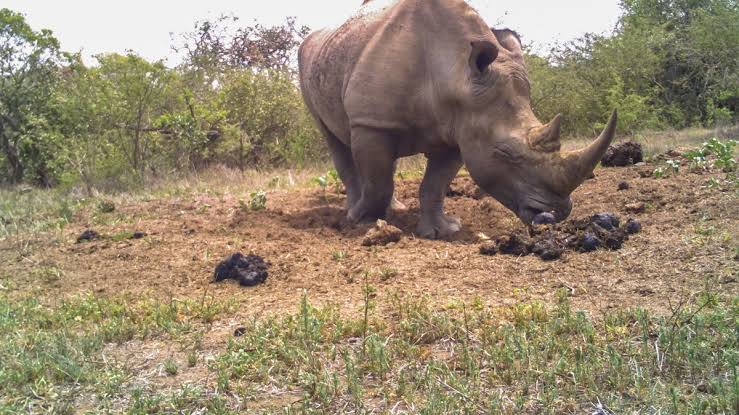
Black rhino survive in the Serengeti in genuinely small, closely protected numbers, concentrated almost entirely around the Moru Kopjes region’s rocky outcrops, making a Serengeti rhino sighting one of the rarest, most hard-won wildlife encounters available anywhere on a standard Northern Circuit itinerary.
Where to Find Rhino in the Serengeti
The Moru Kopjes area, a cluster of ancient granite outcrops in the park’s south-central region, holds nearly the entire population of Serengeti black rhino, and rangers here maintain close daily monitoring given how genuinely precious and vulnerable this small remaining group is. Sightings elsewhere in the park are exceptionally rare, making Moru Kopjes essentially the only realistic destination for travelers specifically hoping to see rhino here.
Why the Serengeti’s Rhino Population Is So Small
Like much of East Africa, the Serengeti’s black rhino suffered catastrophic poaching losses during the crisis years of the 1970s and 80s, reducing what was once a healthy population to the small, closely guarded remnant surviving in Moru Kopjes today. Recovery has been genuinely slow given rhino’s naturally low reproductive rate, though intensive protection has kept the remaining population stable.
Ranger Protection and Monitoring
Given how few individuals remain, Serengeti rhino receive genuinely intensive ranger protection, with dedicated anti-poaching patrols and close individual monitoring that would be impractical for more numerous species. This concentrated protection effort is part of why sightings, though rare, are usually arranged through knowledgeable guides working directly with park rangers who track the population’s current movement.
Comparing the Serengeti to Ngorongoro for Rhino Viewing
Travelers specifically prioritising rhino sightings generally find the Ngorongoro Crater considerably more reliable than the Serengeti, given the crater’s higher rhino density within a smaller, more contained area, making Ngorongoro the stronger choice for travelers who consider rhino a genuine priority rather than a bonus sighting.
Rhino and the Serengeti’s Full Big Five
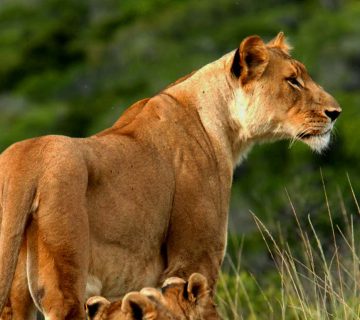
Rhino sightings here complement the park’s resident lion prides, leopard population, buffalo herds, and elephant herds, making the Serengeti one of the few parks anywhere offering a genuine, if challenging, chance at all five species within a single visit.
Best Time of Year for Rhino Sightings
Rhino are present in the Serengeti year-round given their resident status around Moru Kopjes, though the dry season, roughly June to October, offers somewhat clearer visibility across the open rocky terrain they favour. See our regional best-time guide for how East Africa’s dry-season patterns generally affect game viewing.
Setting Realistic Expectations
Given how small and closely guarded the population is, travelers should genuinely treat a Serengeti rhino sighting as a hoped-for bonus rather than a guaranteed itinerary highlight, and an honest conversation with your operator about realistic odds before booking specifically for rhino is genuinely worth having.
Self-Drive vs Guided Safaris for Rhino Viewing
Rhino viewing in the Serengeti genuinely requires guide knowledge and close coordination with park rangers who track the population’s current whereabouts around Moru Kopjes, making a dedicated guided visit essential rather than optional for travelers specifically hoping for a sighting. Most visitors combine this attempt with a wider guided Northern Circuit itinerary.
Photographing Serengeti Rhino
Given the population’s genuine scarcity and the distance rangers often maintain to protect them, rhino photography here can require a longer telephoto lens than typical Big Five sightings elsewhere in the park. A capable zoom is worth prioritising, similar to the gear recommended in our camera gear guide.
What to Pack for a Serengeti Safari
Standard game drive gear – neutral clothing, sun protection, and binoculars – covers most of what the park requires. If your wider itinerary includes gorilla trekking, our gorilla trekking packing list covers that portion separately.
Conservation Efforts Supporting Recovery
Ongoing anti-poaching patrols, individual monitoring, and habitat protection around Moru Kopjes continue to support the Serengeti’s small rhino population, building on decades of conservation investment following the poaching crisis. Tourism revenue from the park directly funds this ongoing protection effort, making a visit here genuinely meaningful beyond the sighting itself.
Combining Rhino Viewing With a Wider Northern Circuit
Travelers genuinely serious about completing a full Big Five checklist often build an itinerary combining the Serengeti with Ngorongoro Crater, using the crater’s considerably more reliable rhino density as the primary opportunity while still attempting a Moru Kopjes sighting during the Serengeti portion of the trip.
Getting to Moru Kopjes
Moru Kopjes sits in the south-central Serengeti, generally reached as part of a broader Serengeti game drive circuit rather than a standalone destination, and is often visited en route between the park’s southern plains and central Seronera area on a typical multi-day itinerary.
Black Rhino Behaviour and Why They’re Hard to Spot
Black rhino are naturally solitary, browsing animals that favour dense thicket and rocky, broken terrain over open grassland, a habitat preference that makes them genuinely harder to spot than the more visible grazing species scattered across the Serengeti’s open plains. Their notably poor eyesight, compensated by a genuinely sharp sense of smell and hearing, means individuals often detect an approaching vehicle before rangers or guides spot the animal itself, adding another layer of difficulty to an already challenging sighting.
How Rhino Monitoring Actually Works Today
Given how few individuals remain in the Moru Kopjes population, rangers maintain genuinely close, near-continuous monitoring of each known rhino, often tracking individual animals by name and recognising them through distinctive ear notches or horn shape. This intensive, individual-level monitoring is a level of protection rarely applied to more numerous species, reflecting just how precious each surviving animal genuinely is to the population’s long-term recovery.
The Difference Between Black and White Rhino
The Serengeti’s rhino population consists specifically of black rhino, a browsing species with a distinctive hooked upper lip adapted for pulling leaves from bushes, genuinely different from the wider-mouthed white rhino found grazing in parks like Lake Nakuru and Akagera. Black rhino also tend toward a more solitary, genuinely more defensive temperament than the comparatively social, calmer white rhino, another reason sightings here often happen at greater, more cautious distance.
Why Moru Kopjes Specifically Suits Rhino
The granite outcrops and surrounding dense vegetation at Moru Kopjes offer exactly the broken terrain and thicket cover black rhino naturally favour, genuinely different from the open grassland that defines most of the wider Serengeti ecosystem. This specific habitat pocket is part of why the population has concentrated here rather than dispersing more broadly across the park’s vast overall area.
What a Successful Sighting Typically Looks Like
Travelers who do see Serengeti rhino generally describe the encounter as brief and distant compared to typical Big Five sightings elsewhere in the park, often a single animal glimpsed through dense vegetation or across a rocky outcrop rather than the extended, close-range viewing possible with lion or elephant. Setting this expectation in advance genuinely helps travelers appreciate the sighting for what it is, a rare glimpse of one of Africa’s most endangered large mammals, rather than feeling disappointed by the distance involved.
Historical Population Numbers and the Path to Recovery
Before the poaching crisis of the 1970s and 80s, the Serengeti ecosystem supported a considerably larger rhino population spread more broadly across the park, and today’s small, concentrated Moru Kopjes group represents what survived that devastating period. Recovery efforts, including intensive protection and occasional genetic management in coordination with other East African rhino populations, continue working toward a slow, genuinely fragile rebuilding of numbers.
Why Rhino Conservation Investment Matters Beyond the Sighting
Every dollar of tourism revenue directed toward Serengeti rhino protection supports not just the small Moru Kopjes population itself but the wider anti-poaching infrastructure that benefits the park’s entire ecosystem, from elephant to the migration’s wildebeest herds. Travelers who visit Moru Kopjes specifically hoping for a rhino sighting are, in a genuine sense, directly funding one of East Africa’s most important ongoing conservation efforts regardless of whether the sighting itself succeeds.
Frequently Asked Questions
Where in the Serengeti can I see rhino?
Almost exclusively around the Moru Kopjes region, which holds nearly the entire remaining Serengeti black rhino population.
Is a rhino sighting guaranteed in the Serengeti?
No, genuinely not – the population is small and closely guarded, so sightings should be treated as a hoped-for bonus rather than a certainty.
Is the Serengeti or Ngorongoro Crater better for rhino viewing?
Ngorongoro Crater is considerably more reliable given its higher rhino density within a smaller, more contained area.
Why is the Serengeti’s rhino population so small?
Severe poaching during the 1970s and 80s crisis years devastated the population, and recovery has been slow given rhino’s naturally low reproductive rate.
Can I see all of the Big Five in the Serengeti?
Yes, genuinely possible, though rhino remains the most challenging of the five given how limited the Moru Kopjes population is.
Ready to Plan Your Serengeti Safari?
Whether attempting a rare rhino sighting, the wildebeest migration, or a full Northern Circuit itinerary is your priority, our team can build a Tanzania trip matched to your time and interests. Get in touch with our team below today and let’s start planning your complete Tanzania safari itinerary together.

No comment