
Lions of Samburu National Park
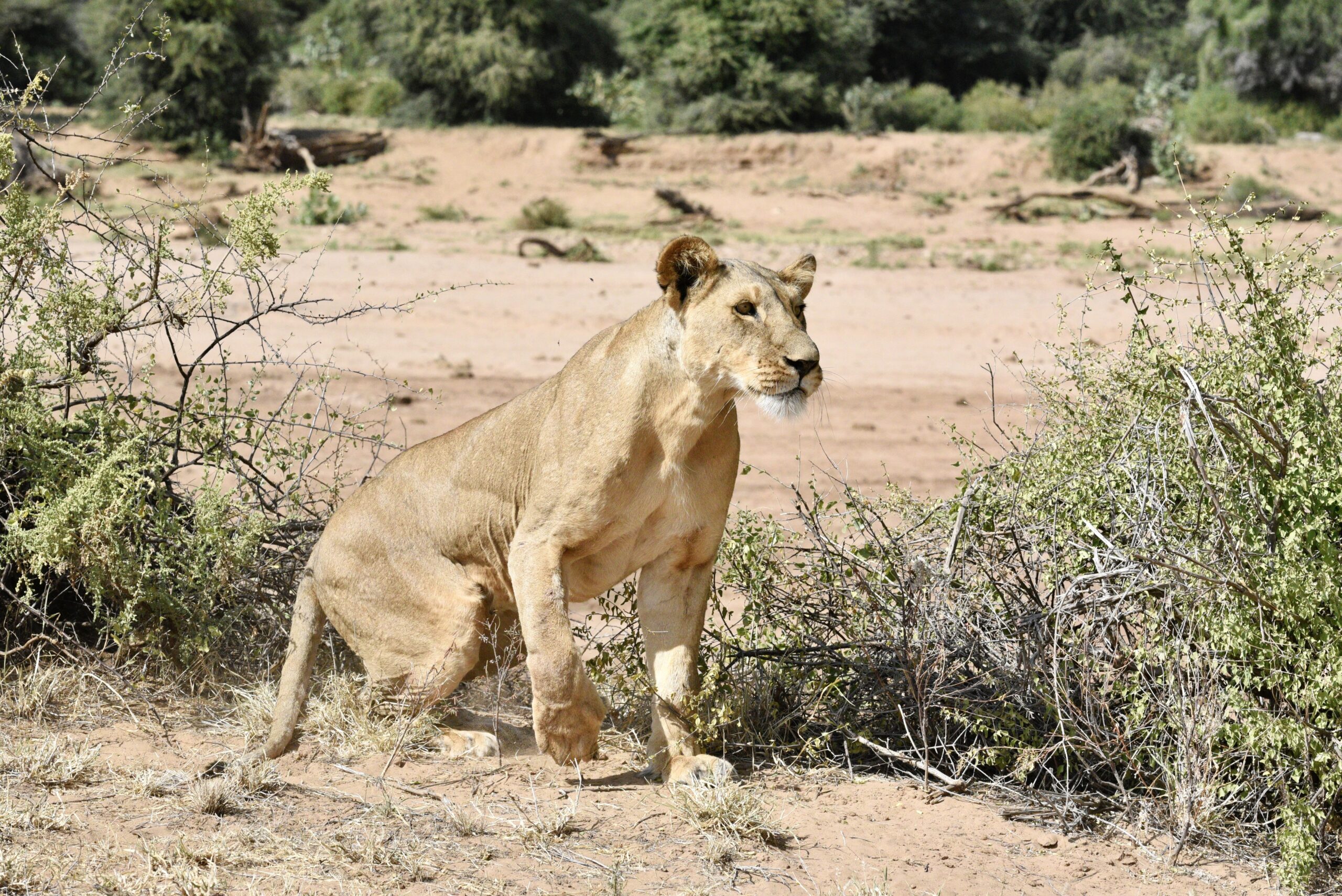
Samburu National Reserve, in Kenya’s semi-arid north, holds a smaller and more dispersed lion population than the Masai Mara, but its dramatic landscape, distinctive northern-specialist wildlife, and relatively low visitor numbers make lion sightings here feel considerably more exclusive. This guide covers where Samburu’s prides range, how sightings here compare to Kenya’s more famous southern parks, and what makes this ecosystem worth adding to a Kenya itinerary.
Where Samburu’s Lions Concentrate
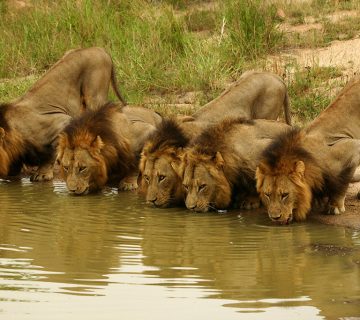
Samburu’s resident prides range mainly along the Ewaso Ng’iro River corridor, where the only reliable water and the densest concentrations of prey, including the region’s distinctive northern-specialist antelope species, draw predators consistently even through the driest months. Our guide on the best national parks to see lions in East Africa covers where Samburu ranks among the region’s other major lion destinations.
How Samburu’s Lion Density Compares to the Mara
Samburu’s overall lion density runs meaningfully lower than the Masai Mara’s, a reflection of the reserve’s smaller size and more arid, less prey-dense landscape overall, meaning sightings here typically take real patience and strong local guiding rather than the near-guaranteed daily encounters some busier, higher-traffic southern parks reliably offer visitors. Our guide on lion safaris in the Masai Mara covers that higher-density comparison park in full detail.
Why Samburu’s Semi-Arid Landscape Shapes Lion Behavior
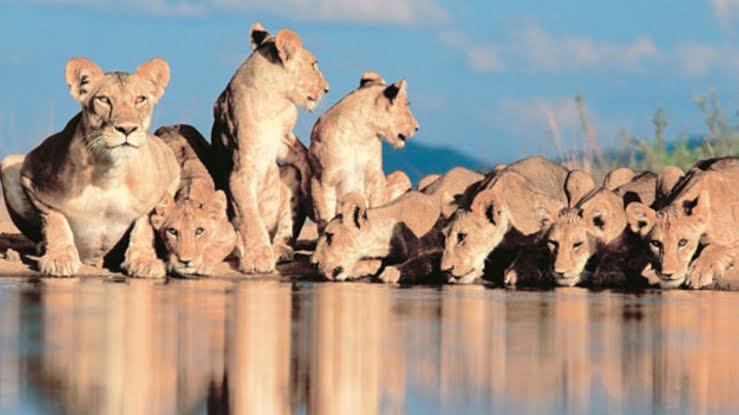
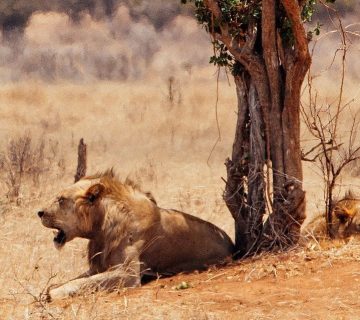
The dry, open scrubland and riverine woodland typical of Samburu push resident prides to stay closer to permanent water than lions in wetter, more prey-abundant ecosystems, and this river-corridor concentration is actually part of what makes Samburu’s sightings reasonably reliable despite the overall lower population density spread across such a large and varied semi-arid landscape.
Samburu’s Place in a Wider Kenya Itinerary
Most visitors combine Samburu with a stop in the Masai Mara or Amboseli, since the reserve’s distance from Nairobi and its distinct northern ecosystem make it a natural addition to a longer, multi-park Kenya safari rather than a standalone destination. Our guide on a 7-day Kenya lion safari itinerary is a useful starting template for building a route that includes a northern stop like Samburu.
Best Time of Year to Visit Samburu for Lions
Dry season months concentrate wildlife most tightly along the river corridor, giving the most reliable lion sightings, while the wetter months spread both predators and prey more widely across the reserve, generally making sightings somewhat less predictable. Our guide on lion sightings in dry season versus wet season covers this same seasonal pattern in more depth across East Africa’s parks generally.
What Makes Samburu’s Guiding Distinctive
Because sightings here take more genuine tracking skill than in higher-density parks, Samburu’s guides tend to develop an especially close working knowledge of specific prides and their movement patterns, often narrating a sighting with the kind of individual-pride detail that comes from years of consistent, patient observation in a landscape that doesn’t give up sightings easily.
Samburu’s Other Big Cats and Predators
Beyond lions, Samburu holds healthy leopard and cheetah populations, plus striped hyena, a species rarely seen in southern Kenya’s parks, giving the reserve a notably distinctive predator lineup beyond just the Big Five checklist most visitors arrive focused on. Our guide on lion versus hyena competition covers a rivalry visitors sometimes get the chance to observe directly in this specific ecosystem.
Why Samburu Draws Fewer Visitors Than the Mara
Samburu’s more remote location and smaller lodge capacity keep visitor numbers considerably lower than the Mara’s peak-season crowds, which for many travelers is exactly the appeal, since a lion sighting here often happens with just one or two vehicles present rather than the larger gatherings sometimes seen around a Mara sighting.
How Rangers and Guides Track Samburu’s Prides
Without the same dense visitor and vehicle network the Mara relies on for spreading sighting information by radio, Samburu’s guides depend more heavily on direct tracking skill, reading spoor and recent kill signs to relocate a pride day to day, a more traditional tracking approach than the radio-network-driven searches common in busier parks.
Photographing Lions in Samburu’s Landscape
Samburu’s dramatic backdrop, dry riverbeds, doum palms, and distinctive red-soil terrain, gives lion photography here a markedly different character than the flat grassland shots typical of the Mara or Serengeti, rewarding photographers willing to think beyond the standard wide-open-plains composition. Our guide on photographing lions on safari covers camera and composition tips that apply well to this more varied terrain.
Combining Samburu With Northern Kenya’s Other Attractions
Samburu sits within reach of several other northern Kenya conservancies and reserves, meaning a Samburu stop can extend into a broader northern circuit for travelers with extra time, rather than functioning purely as an isolated lion-viewing stop bolted onto a standard southern Kenya itinerary.
How to Get to Samburu
Most visitors fly directly into Samburu’s small airstrips from Nairobi, a route that takes well under an hour and avoids the long, rough overland drive north, though a self-drive or chauffeured road transfer remains an option for travelers combining Samburu with other northern Kenya stops along the way. Flying in generally leaves more time in the reserve itself for actual game viewing, which matters given how much patience a Samburu sighting can require compared to a busier, higher-density southern park like the Mara.
Where to Stay for the Best Lion Access
Camps and lodges positioned along or near the Ewaso Ng’iro River corridor typically offer the strongest access to resident prides, since river-adjacent properties put guests closest to the same water-driven concentration of predators and prey that shapes lion movement across the entire reserve. Our guide on best lion safari lodges in Queen Elizabeth National Park covers similar river-corridor lodge positioning logic that applies well to choosing a Samburu camp too.
Community Conservancies Bordering Samburu
Several community-run conservancies border the core reserve and extend usable lion habitat well beyond Samburu’s official boundaries, often with lower visitor density and more flexible activities, including walking safaris and night drives, than the main reserve permits, giving well-planned itineraries meaningfully more room to search for resident prides across a wider combined landscape.
Lion Cub Sightings in Samburu
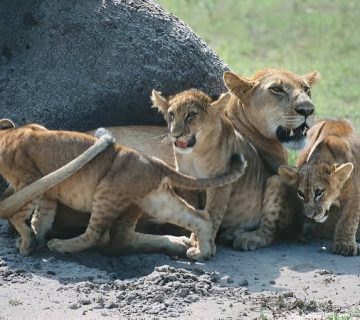
Cub sightings in Samburu happen on a less predictable calendar than in some southern parks, since births aren’t concentrated around a single strong seasonal pattern here, meaning a cub sighting owes more to which specific pride your guide manages to locate on a given day than to any particular month of travel. Our guide on the best time to see lion cubs on safari covers broader regional cub-sighting timing that’s still useful background before a Samburu trip.
How Long to Spend in Samburu
Two to three nights generally gives guides enough time to relocate a resident pride even on a slower search day, while a single overnight stop leaves relatively little margin if the day’s first search doesn’t turn up a sighting. Given how much more tracking a Samburu sighting can require compared to the Mara, building in this extra time is one of the more practical adjustments worth making when planning a northern Kenya itinerary around lions specifically, rather than treating Samburu as a quick single-night stopover between two busier southern parks.
What Rangers Watch For When Prides Move
Rangers and guides in Samburu pay close attention to vulture activity, alarm calls from nearby herbivores, and fresh tracks along the riverbed to infer where a pride has recently made a kill or is currently resting, a more classic tracking approach that relies on reading the wider landscape rather than a dense radio network of other vehicles reporting sightings in real time. This kind of tracking takes real experience to do well, and it’s part of why a guide’s individual skill level and local knowledge matter considerably more in Samburu than they do in some of the busier, higher-traffic parks further south.
Frequently Asked Questions
A few quick answers to the questions travelers ask most often about lions in Samburu National Reserve.
Are lion sightings reliable in Samburu?
Reasonably so along the river corridor, though density runs lower than the Mara, meaning sightings generally take a bit more patience and strong local guiding.
What’s the best time of year to visit?
Dry season months concentrate wildlife most tightly along permanent water, generally giving the most consistent lion sightings.
How does Samburu compare to the Masai Mara for lions?
Samburu holds a lower overall lion density but offers a more exclusive, lower-traffic experience and a distinctly different northern landscape.
Can I combine Samburu with the Masai Mara in one trip?
Yes – most visitors add Samburu to a longer, multi-park Kenya itinerary rather than visiting it as a standalone destination.
What other predators can I see in Samburu?
Leopard, cheetah, and striped hyena all have healthy populations here, giving Samburu a distinctive predator lineup beyond lions alone.
Ready to Plan Your African Safari?
Whether Samburu becomes a full stop on your Kenya itinerary or a northern extension to a wider trip, our team can build a route matched to your interests. Get in touch with our team below today and let’s start planning your complete African safari itinerary together.

No comment