
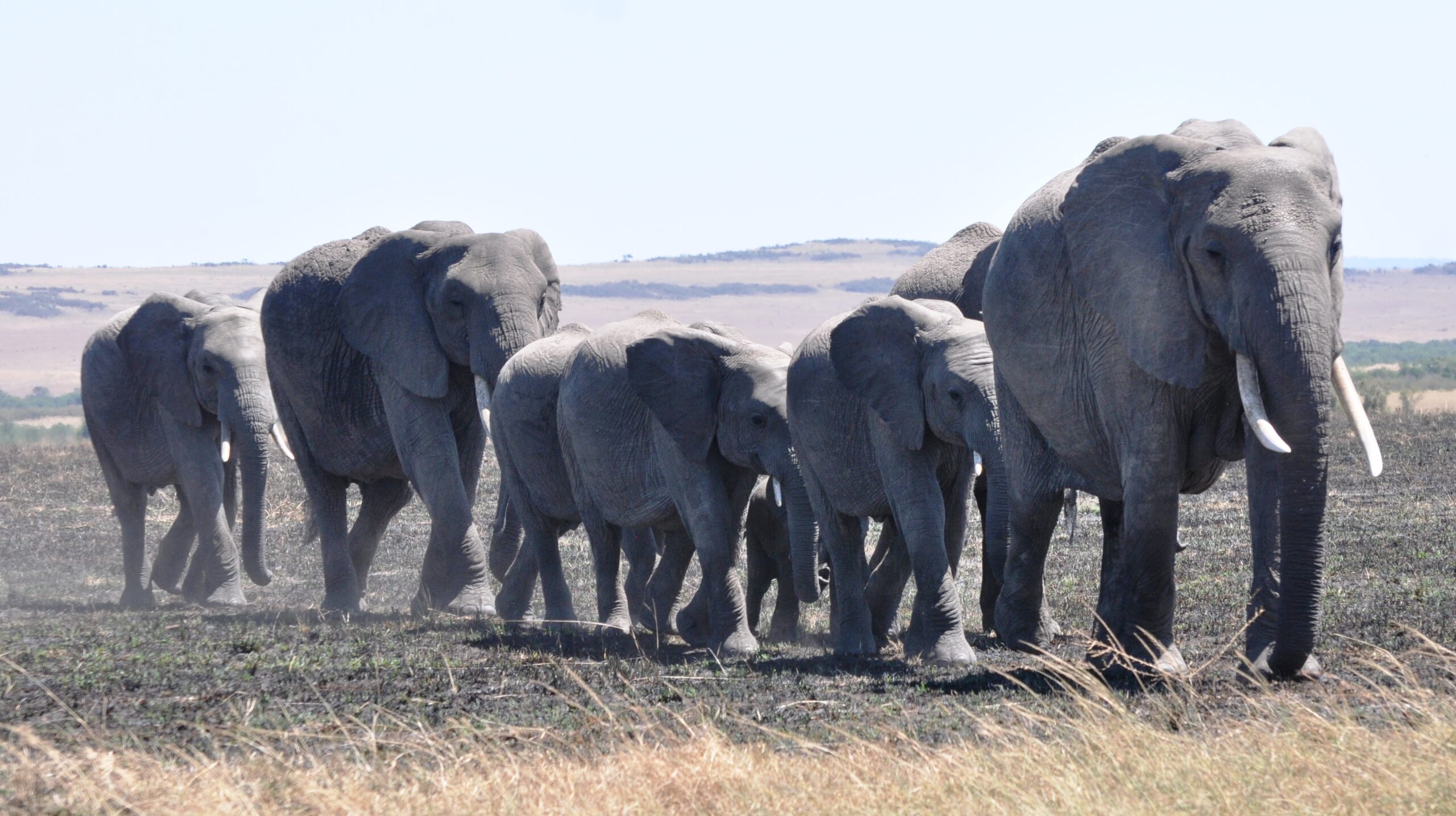
Elephants in the Masai Mara move across some of Kenya’s most iconic open savannah, often photographed silhouetted against the horizon at sunset – an image that has become almost synonymous with East African safari itself, and a genuine highlight for travelers whose Mara trip is otherwise built around lion prides and the wildebeest migration.
Where to Find Elephants in the Masai Mara
Elephant herds range across the entire Mara ecosystem, though the Mara Triangle and areas bordering the Mara River tend to produce particularly strong sightings given the reliable water access these areas provide. Family groups often move between denser riverine woodland and the open plains throughout the day, tracking shade and grazing quality as conditions shift.
Elephant Behaviour Within a Predator-Rich Ecosystem
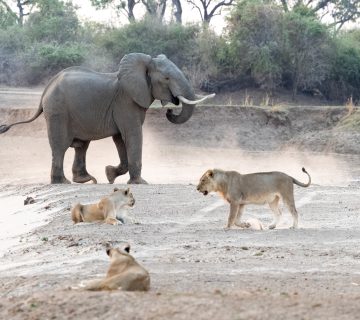
Unlike some parks where elephants face relatively few natural threats, the Masai Mara’s exceptionally high lion and hyena density means elephant herds remain genuinely vigilant around young calves, with adult females forming protective circles when predators approach too closely. Watching this defensive behaviour play out offers real insight into how elephants navigate one of Africa’s most predator-dense ecosystems.
The Masai Mara’s Full Big Five Picture
Elephant is one of the Big Five species found throughout the Mara, alongside lion and leopard, with buffalo present in strong numbers and rhino considerably rarer, found only in a small, closely protected population within the reserve.
Elephants and the Wildebeest Migration
While elephants don’t migrate seasonally in the same dramatic fashion as wildebeest and zebra, their presence alongside the migration’s vast herds adds real depth to game drives during peak migration season, roughly July through October. Watching an elephant family navigate through or alongside a moving wildebeest column is a genuinely striking sight, and one of the less-discussed pleasures of a Mara safari timed around the migration’s peak months.
Best Time of Year for Elephant Sightings
Elephants are visible in the Masai Mara year-round, since they’re resident rather than migratory, though the dry season, roughly June to October, generally offers easier visibility as vegetation thins across the reserve. This window also overlaps with the migration’s dramatic river crossings, making it the most popular time to visit for travelers wanting both experiences.
How the Masai Mara Compares to the Serengeti for Elephants
Since the Mara and Serengeti form a single contiguous ecosystem across the Kenya-Tanzania border, elephant populations move relatively freely between the two, and sightings on either side offer a broadly similar experience in terms of herd size and behaviour. The main practical difference comes down to which side offers better access to your other planned parks and activities.
Self-Drive vs Guided Safaris for Elephant Viewing
Given the Mara’s exceptionally high wildlife density and the value of local knowledge in coordinating sightings around the reserve’s famous predator activity, a guided safari makes a genuine difference to how efficiently you locate elephant herds within a limited visit. Most visitors book the Mara as part of a fully guided Kenya circuit rather than attempting to navigate it independently.
Photographing Masai Mara Elephants
The Mara’s open, golden grassland provides the genuinely classic safari backdrop elephants are so often photographed against, particularly during the soft light of early morning or late afternoon game drives when the low sun creates dramatic silhouettes. A mid-range zoom covers most sightings comfortably, while a wider-angle lens is worth having on hand for capturing herds against the reserve’s expansive scenery.
Elephant Conservation and Community Conservancies
The network of community-owned conservancies bordering the core Masai Mara National Reserve has become genuinely important for elephant conservation, extending protected habitat and corridors while channelling tourism revenue directly to local Maasai communities. These conservancies often permit activities like night game drives and walking safaris that the core reserve doesn’t allow, adding real flexibility for elephant-focused travelers.
What to Pack for a Masai Mara Safari
Standard game drive gear – neutral clothing, sun protection, and binoculars – covers most of what the Mara requires, along with a warm layer for surprisingly cool early morning drives. If your wider East Africa itinerary includes gorilla trekking elsewhere, our gorilla trekking packing list covers that portion separately, since Kenya itself has no gorilla population.
Combining Elephant Viewing With a Hot Air Balloon Safari
Hot air balloon safaris, launched at dawn from several camps within the Mara, offer a genuinely different perspective on the reserve’s elephant herds and wider landscape, drifting silently above the plains as the sun rises. While not guaranteed to pass directly over elephants, the aerial view of the ecosystem’s scale is widely rated among visitors as one of the most memorable single experiences of an entire Kenya safari.
Getting to the Masai Mara
Most visitors reach the Masai Mara via a scenic domestic flight from Nairobi, cutting travel time to under an hour compared to a considerably longer overland drive. Multiple airstrips within and around the reserve allow flexible positioning close to whichever specific conservancy or sector best matches your wider wildlife priorities.
Elephant Family Structure in the Mara
Masai Mara elephant herds follow the same matriarchal social structure found across East Africa, with an experienced older female leading related females and their calves, while adult bulls range more independently or in loose bachelor groups. Watching a family group navigate the transition between open plains and denser riverine woodland offers genuine insight into how elephants read and respond to changing terrain, and to the ever-present awareness of the Mara’s dense predator population.
Poaching History and Conservation Recovery
Like much of Kenya, the Masai Mara’s elephant population suffered significant losses during the poaching crisis of the 1970s and 80s, before Kenya’s ivory trade ban and intensified ranger patrols helped numbers recover substantially in subsequent decades. Today’s healthy population, spread across both the core reserve and surrounding community conservancies, represents a genuine conservation recovery story on the same scale as similar comebacks elsewhere in East Africa.
Community Conservancies and Elephant Corridors
The conservancies bordering the core reserve serve a genuinely important function beyond tourism revenue, maintaining wildlife corridors that allow elephant herds to move between the Mara and the wider Serengeti ecosystem without the same degree of habitat fragmentation affecting some other East African elephant populations. This connectivity is part of why the Mara-Serengeti ecosystem remains one of the continent’s most secure elephant strongholds.
Elephant Research in the Mara-Serengeti Ecosystem
Decades of ecological research across the Mara-Serengeti ecosystem, while historically focused heavily on the migration and its predators, have contributed meaningfully to broader understanding of how elephants use such a vast, interconnected landscape across two countries. This research helps inform conservation management on both sides of the Kenya-Tanzania border, supporting coordinated protection efforts across the shared ecosystem.
Combining Elephant Viewing With Lion and Leopard Sightings
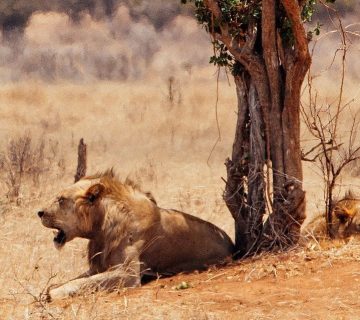
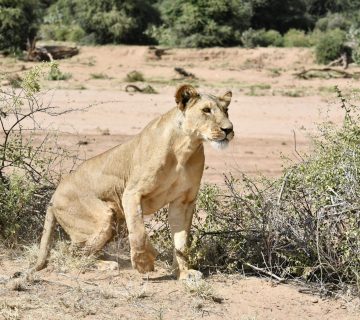
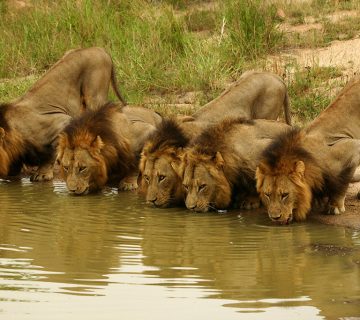
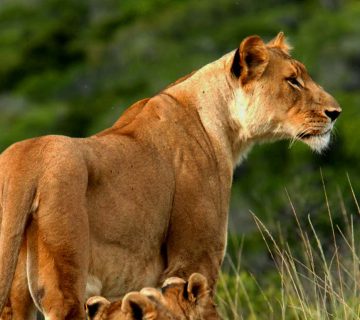
Given the Mara’s exceptional overall wildlife density, a single game drive focused on elephant viewing often produces genuinely strong sightings of the reserve’s famous lion prides and elusive leopard population along the same route, making the Mara one of the most efficient Big Five destinations in East Africa for travelers with limited time.
Best Lodges for Elephant Viewing
Properties positioned along the Mara River or within the Mara Triangle itself generally offer the most convenient access to the reserve’s strongest elephant territory, cutting down on drive time before and after game drives. Discussing lodge location specifically with your operator, rather than choosing purely on comfort level, is worth doing if elephant viewing is a genuine priority for your Masai Mara stay.
Combining a Mara Safari With Tsavo or a Beach Extension
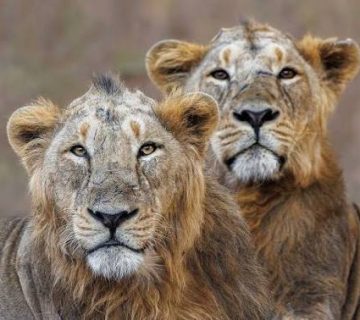
Many longer Kenya itineraries pair the Mara with Tsavo’s famous maneless lions or a coastal beach extension, giving travelers a genuinely varied picture of Kenya’s wildlife and landscapes beyond the Mara alone. See our Big Five guide for how operators typically sequence multi-park Kenya itineraries.
Frequently Asked Questions
Are elephants harder to find in the Mara than lions?
Not particularly – elephant sightings are genuinely reliable throughout the reserve given the resident population’s size, though the Mara Triangle and river-adjacent areas tend to be especially productive.
Can I see elephants and the migration on the same drive?
Yes, particularly during peak migration season when elephant herds and moving wildebeest columns frequently overlap across the same central and western Mara terrain.
How does the Mara compare to Amboseli for elephant viewing?
Amboseli offers a more concentrated, easily covered elephant-viewing experience with Kilimanjaro as a backdrop, while the Mara’s much higher overall wildlife density and predator activity give it a different, more varied character.
What’s the best base for elephant viewing in the Mara?
The Mara Triangle and areas bordering the Mara River both offer particularly reliable sightings, making them popular bases regardless of when you visit.
Are there rhino in the Masai Mara too?
A small, closely protected population exists, though sightings are considerably rarer than at dedicated rhino destinations like Lake Nakuru.
Is a hot air balloon safari worth the extra cost?
For most travelers, yes – it offers a genuinely unique perspective on the ecosystem’s scale, even if it doesn’t guarantee close-up elephant sightings from the air itself.
Ready to Plan Your Masai Mara Safari?
Whether Masai Mara elephants, the wildebeest migration, or a full Kenya Big Five circuit is your priority, our team can build a Kenya trip matched to your time, budget, and interests. Get in touch with our team below today and let’s start planning your complete Kenya safari together.

No comment