
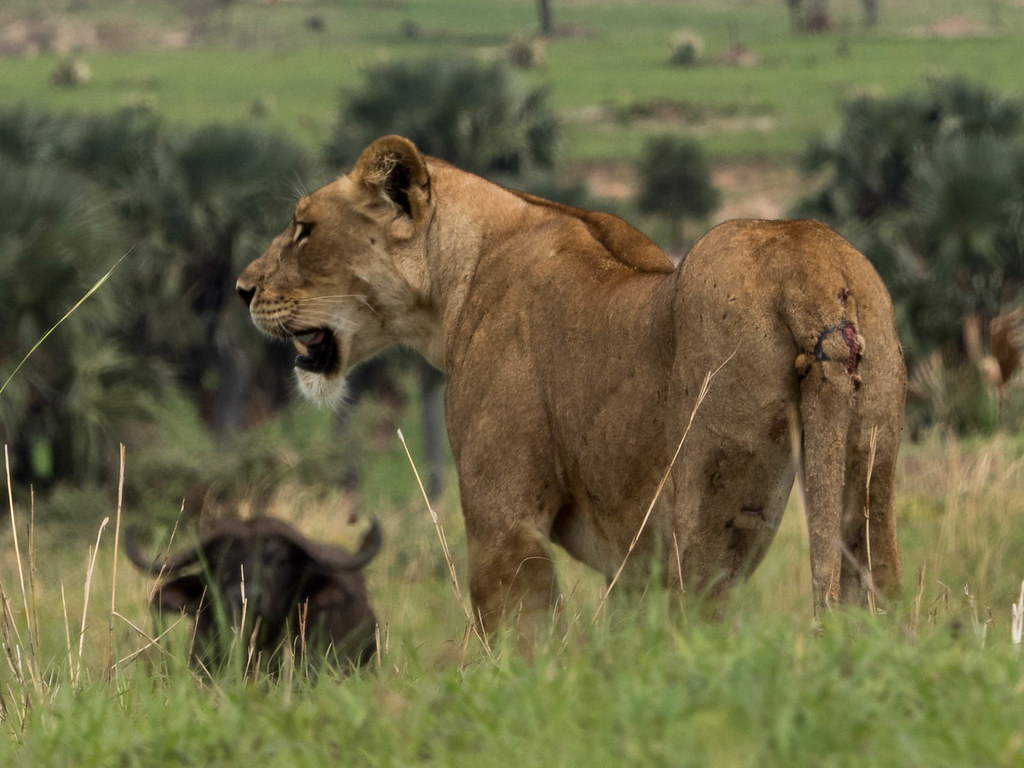
The Serengeti holds one of Africa’s largest and most extensively studied lion populations, with prides spread across nearly 15,000 square kilometres of open plains, acacia woodland, and rocky kopjes – a landscape that has made this park the single most iconic lion destination on the continent, immortalised in decades of wildlife documentaries.
Where to Find Lions in the Serengeti
Lion prides range across the entire Serengeti ecosystem, though the central Seronera Valley, with its year-round water and dense prey concentration, consistently produces the park’s most reliable sightings regardless of season. Prides also favour the rocky kopjes scattered across the plains, using the elevated granite outcrops as vantage points and shaded resting spots during the heat of the day.
The Serengeti’s Lion Research Legacy
The Serengeti Lion Project, running continuously since 1966, is among the longest-running carnivore studies in the world, tracking individually identified prides across generations and producing much of what science understands today about lion social behaviour, pride dynamics, and territoriality. This decades-deep research legacy means Serengeti guides often have genuinely detailed knowledge of specific prides’ history and territory.
Lions and the Wildebeest Migration
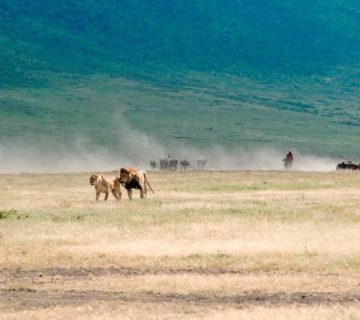
The Serengeti’s lion population is intimately tied to the wildebeest migration, with pride territories and hunting patterns shifting to track the migration’s seasonal movement through the ecosystem. Watching lions hunt or simply observe passing migration herds during the peak months, roughly July through October, offers one of the most dramatic predator-prey spectacles available anywhere in Africa.
Pride Size and Social Structure
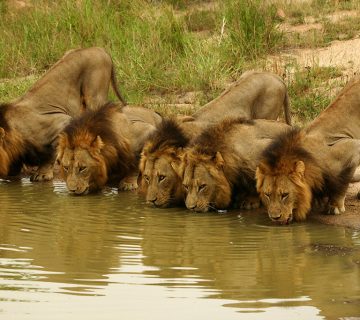
Serengeti prides can number considerably larger than lion groups in more confined parks, sometimes reaching twenty or more individuals where prey density supports it, reflecting the sheer scale and productivity of the ecosystem. This larger average pride size is part of what makes Serengeti lion sightings feel genuinely different from smaller, more compact destinations.
Best Time of Year for Lion Sightings
Lions are visible in the Serengeti year-round given their resident status, though the dry season, roughly June to October, generally offers easier visibility as vegetation thins across the park. This window also overlaps with the migration’s dramatic river crossings, making it the most popular time to visit for travelers wanting both experiences on the same trip.
How the Serengeti Compares to Other Lion Destinations
Kenya’s Masai Mara, part of the same contiguous ecosystem across the border, offers a genuinely comparable lion-viewing experience, while Uganda’s Queen Elizabeth adds the unusual draw of tree-climbing behaviour not found in the Serengeti. Each destination offers a genuinely different flavour of lion viewing within the same broader East African region.
Combining Serengeti Lions With Ngorongoro Crater
Most Tanzania itineraries pair the Serengeti with Ngorongoro Crater, where a dense, resident lion population offers a more concentrated, efficient viewing experience within the crater’s contained floor. This pairing gives travelers both the Serengeti’s vast, open-plains lion experience and Ngorongoro’s more compact version in one trip.
Self-Drive vs Guided Safaris for Lion Viewing
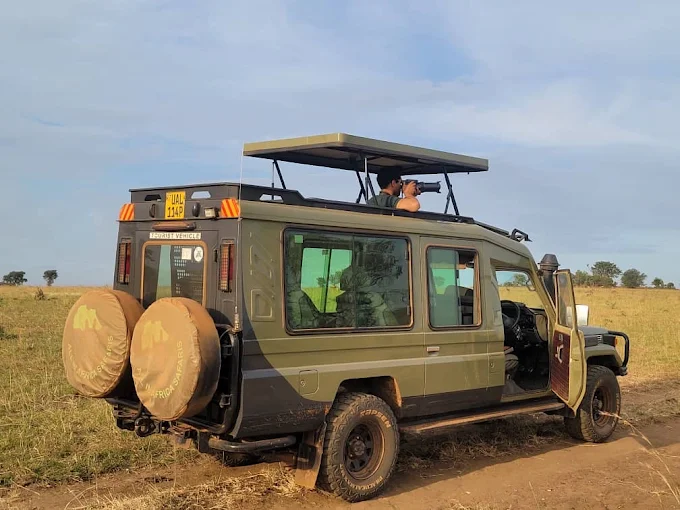
Given the Serengeti’s sheer size, a guided safari makes a genuine difference to how efficiently you locate specific prides within a limited visit, since local knowledge of current pride territory and recent movement across such a vast landscape is difficult to replicate independently. Most visitors book the Serengeti as part of a fully guided Northern Circuit itinerary.
Photographing Serengeti Lions
The Serengeti’s open, golden grassland provides a genuinely classic backdrop for lion photography, particularly during the soft light of early morning or late afternoon game drives, when prides are often at their most active. A telephoto zoom in the 100-400mm range covers most sightings comfortably, since Serengeti lions are generally well-habituated to vehicles and allow reasonably close approach.
Lion Cubs and Pride Dynamics
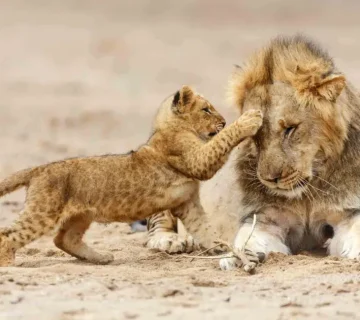
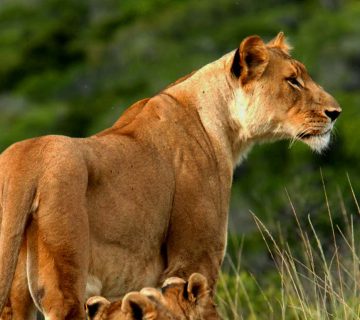
Watching a Serengeti pride with young cubs offers genuine insight into lion social structure, from cooperative cub-rearing among related females to the periodic takeovers that occur when new males challenge for pride control. These takeovers, while a natural part of lion social dynamics, can be genuinely dramatic to witness, and experienced guides can often explain the current political situation within a specific pride’s territory.
What to Pack for a Serengeti Safari
Standard game drive gear – neutral clothing, sun protection, and binoculars – covers most of what the Serengeti requires, along with a warm layer for surprisingly cool early morning drives before the equatorial sun fully rises. If your wider East Africa itinerary includes gorilla trekking elsewhere, our gorilla trekking packing list covers that portion separately.
Getting to the Serengeti
Most visitors reach the Serengeti via a scenic domestic flight from Arusha or Kilimanjaro, given the considerable overland driving distance from Tanzania’s main entry points. Multiple airstrips within the park itself allow flexible positioning close to whichever sector, Seronera, the northern Mara River area, or the western corridor, best matches your specific lion-viewing and migration timing priorities.
Combining Serengeti Lions With a Hot Air Balloon Safari
Hot air balloon safaris, launched at dawn from several camps within the Serengeti, offer a genuinely different perspective on the park’s lion prides and wider landscape, drifting silently above the plains as the sun rises. While not guaranteed to pass directly over lions, the aerial view of the ecosystem’s scale is widely rated among visitors as one of the most memorable experiences of an entire Tanzania safari.
Territorial Conflicts and Pride Takeovers
Male coalitions competing for control of a pride’s territory represent one of the more dramatic aspects of Serengeti lion behaviour, with successful takeovers sometimes resulting in the new dominant males killing existing cubs to bring females back into breeding condition sooner. Researchers working on the Serengeti Lion Project have documented these dynamics in extraordinary detail over decades, giving guides genuine insight into which specific coalitions currently hold territory across different sectors of the park.
Lion Conservation Status in the Serengeti
The Serengeti ecosystem holds one of Africa’s most secure lion populations, benefiting from the park’s sheer protected size and connectivity to neighbouring Ngorongoro and Kenya’s Masai Mara, forming a single vast landscape lions can move across relatively freely. This connectivity is genuinely important for long-term genetic health, distinguishing the Serengeti’s population from more isolated parks like Uganda’s remote Kidepo Valley, where lion populations face greater genetic isolation given the park’s geographic separation from other savannah ecosystems.
Lion Hunting Behaviour Across Different Serengeti Habitats
Serengeti lions hunt cooperatively, with pride members coordinating to bring down prey ranging from wildebeest and zebra during migration season to smaller resident antelope species the rest of the year. The park’s varied terrain, from open plains to riverine woodland, shapes hunting strategy differently across sectors, with prides in denser vegetation relying more on ambush tactics than the coordinated open-plains chases more typical of Seronera’s lions.
Combining Serengeti Lions With a Balloon Safari and Masai Mara
Travelers building a longer East Africa circuit often combine the Serengeti with Kenya’s Masai Mara, given the two parks form a single contiguous ecosystem across the border, offering genuinely comparable lion viewing on either side depending on which country’s broader itinerary you’re building around. See our Big Five guide for how to sequence a multi-park East Africa itinerary efficiently.
Night Game Drives and Lion Activity
Where available through park-affiliated concessions bordering the Serengeti, night game drives offer a genuinely different perspective on lion activity, since prides become considerably more active after dark, often coordinating hunts under cover of darkness rather than the daytime resting behaviour most visitors observe. This activity isn’t permitted within the core national park itself, so checking with your operator about which specific concessions offer it is worth doing in advance.
Frequently Asked Questions
Is the Serengeti the best place in Africa to see lions?
It’s widely considered among the best, given the sheer size of the population and the ecosystem’s scale, though the neighbouring Masai Mara and Tanzania’s own Ngorongoro Crater both offer genuinely comparable experiences.
How does pride size in the Serengeti compare to other parks?
Serengeti prides can grow considerably larger than in more confined parks, sometimes exceeding twenty individuals where prey density is strong enough to support it.
Can I see lions and the migration on the same drive?
Yes, particularly during peak migration season, when lion prides and moving wildebeest herds frequently overlap across the same central and western Serengeti terrain.
What’s the best base for lion viewing in the Serengeti?
The central Seronera Valley offers the most reliable year-round lion sightings, making it a popular base regardless of when you visit or where the migration currently is.
Is a hot air balloon safari worth it for lion enthusiasts?
For most travelers, yes – it offers a genuinely unique perspective on the ecosystem’s scale, even if it doesn’t guarantee close-up lion sightings from the air itself.
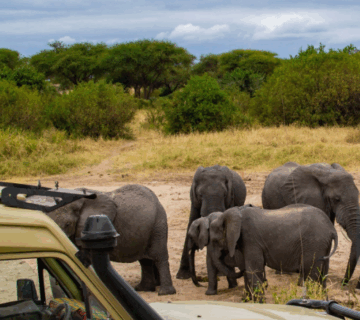
Can I see elephants alongside lions in the Serengeti?
Yes, see our Serengeti elephant guide for where herds are most concentrated across the same ecosystem lions call home.
Ready to Plan Your Serengeti Safari?
Whether Serengeti lions, the wildebeest migration, or a full Big Five Northern Circuit itinerary is your priority, our team can build a Tanzania trip matched to your time, budget, and interests. Get in touch with our team below today and let’s start planning your safari together.

No comment