
Chimpanzee trekking and gorilla trekking are genuinely different experiences, despite both involving primate tracking through African forest – different terrain, different animal behaviour, different costs, and different physical demands, and understanding these differences genuinely helps travelers decide whether to do one, the other, or genuinely both on the same trip.
The Core Difference: Activity Level
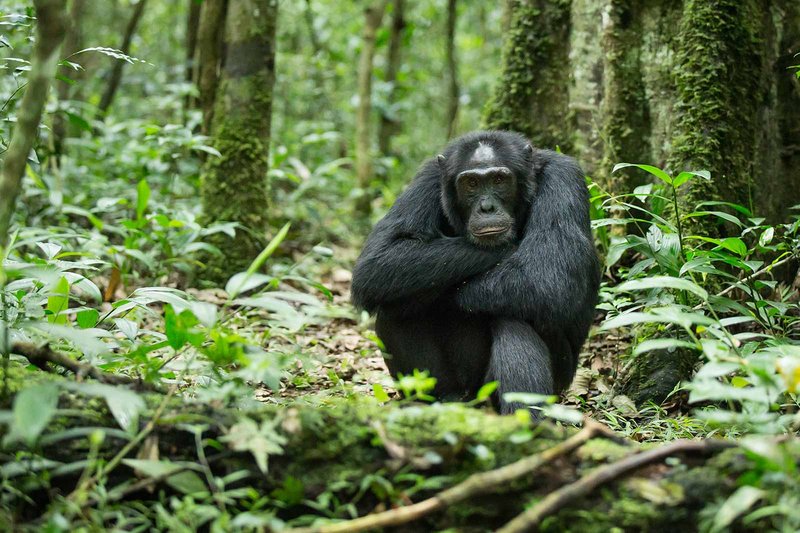
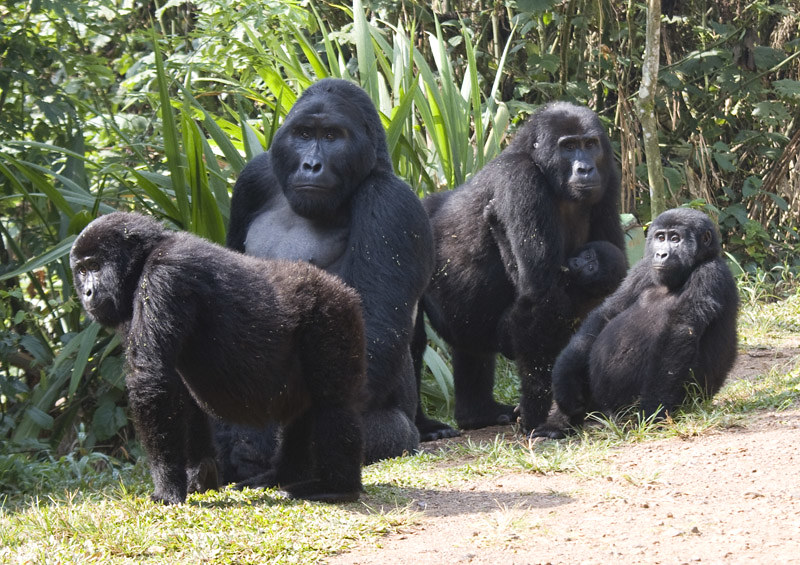
Chimpanzees are considerably more active and vocal than gorillas, moving quickly through the forest canopy and calling loudly across considerable distances, while gorillas spend much of the day resting, feeding calmly, and moving at a genuinely relaxed pace across the forest floor. This fundamental behavioural difference shapes almost everything else about how the two experiences actually feel in practice.
Physical Difficulty Compared
Chimp trekking in destinations like Kibale Forest generally involves flatter, more established trails than gorilla trekking’s often steep, unmarked terrain, making chimp trekking noticeably less physically demanding for most travelers. See our gorilla trekking difficulty guide for a full breakdown of what gorilla trekking specifically involves.
Cost Comparison
Chimp trekking permits are considerably more affordable than gorilla trekking permits across all destinations, reflecting both lower conservation costs and less constrained daily availability. See our complete pricing guide for exact current costs across chimp and gorilla trekking in Uganda, Rwanda, and Congo.
Group Size and Viewing Time
Standard gorilla trekking permits a maximum of eight visitors per family for one hour once located, while chimp trekking groups are similarly sized but often spend a comparable hour with a community, though chimps’ faster movement through the canopy can make maintaining close observation genuinely more challenging than with a calmer, more grounded gorilla family.
Which Offers Better Photography Opportunities?
Gorillas’ calmer, more grounded behaviour generally makes for easier photography, since subjects remain in a single area longer and at more predictable distances, while chimps’ rapid canopy movement and preference for dappled, low-light forest conditions genuinely challenge photographers more. Our camera gear guide covers equipment considerations for both experiences.
Availability and Permit Booking
Chimp trekking permits are generally easier to secure on shorter notice than gorilla trekking permits, given the less severe supply constraint, though booking well ahead remains sensible for both during peak season. See our permit booking guide for how far ahead to plan for each experience.
Where Each Experience Is Available
Gorilla trekking is limited to Uganda, Rwanda, and Congo, while chimp trekking is available more widely, including Uganda’s Kibale Forest, Rwanda’s Nyungwe Forest, and Tanzania’s Mahale and Gombe National Parks. This wider geographic availability gives chimp trekking real flexibility for travelers whose itinerary doesn’t naturally pass through the more limited gorilla trekking countries.
Habituation Experiences for Both Species
Uganda offers an extended gorilla habituation experience, giving four hours instead of the standard one, and while chimp-specific habituation experiences exist in some destinations, they’re generally less formalised than Uganda’s dedicated gorilla habituation programme in Bwindi’s Rushaga sector.
Which Should You Choose First?
Travelers with genuine fitness concerns or a tighter budget often start with chimp trekking, given its lower cost and physical demands, then consider gorilla trekking on a future trip once they’ve experienced forest primate tracking generally. Travelers with strong fitness and a primary interest in the more iconic experience typically prioritise gorilla trekking, adding chimp trekking as a complementary activity if time and budget allow.
Can You Do Both on the Same Trip?
Yes, and combining Kibale’s chimp trekking with Bwindi’s gorilla trekking is one of the most popular Uganda itineraries we build, giving travelers both experiences within a single, well-sequenced trip. The two parks sit within a comfortable drive of each other via Queen Elizabeth National Park, itself worth a Big Five stop along the way.
What to Pack for Either Experience
Standard forest trekking gear applies to both – sturdy hiking boots, gardening-style gloves, and rain protection given the genuinely unpredictable weather common to both Uganda and Rwanda’s forest parks. Our gorilla trekking packing list covers essentials applicable to chimp trekking as well.
Age and Health Requirements
Gorilla trekking enforces a strict minimum age of fifteen across Uganda, Rwanda, and Congo, while chimp trekking age requirements vary somewhat by destination but are generally similarly strict. Both activities ask visitors showing cold, flu, or other communicable illness symptoms to postpone their trek, given both species’ susceptibility to human respiratory disease.
Social Structure: What You’re Actually Observing
Gorilla families are typically led by a single dominant silverback, with a relatively stable social structure that makes each family’s dynamics genuinely predictable and well-documented by researchers and guides alike. Chimp communities, by contrast, have a considerably more fluid, complex social structure involving shifting alliances, occasional conflict between neighbouring communities, and genuinely unpredictable day-to-day dynamics that make each encounter feel less scripted.
Vocalisations: A Genuinely Different Soundscape
Chimpanzee communities are considerably noisier than gorilla families, with loud pant-hoots and calls carrying across the forest to coordinate movement and signal location to other community members. Gorillas communicate more through low grunts and physical gestures, meaning a gorilla trekking experience feels noticeably quieter and calmer than the more vocal, energetic atmosphere typical of a chimp encounter.
Trek Duration and Unpredictability
Both experiences share genuine unpredictability around trek duration, since neither gorillas nor chimps maintain fixed locations, and trackers must locate the group fresh each morning based on the previous day’s nesting or feeding sites. Chimp treks can sometimes involve more walking specifically because chimps range more widely and quickly through the canopy than gorillas typically move across the forest floor in a single day.
Conservation Status and Why It Matters
Mountain gorillas remain endangered, with the entire wild population numbering only in the hundreds, concentrated specifically in the Virunga Massif and Bwindi ecosystems shared by Uganda, Rwanda, and Congo. Chimpanzees, while also facing genuine conservation pressure across their wider African range, exist in considerably larger overall numbers spread across more countries, giving gorilla trekking tourism a particularly concentrated conservation impact given the population’s genuinely limited size.
Weather and Seasonal Considerations for Both
Both chimp and gorilla trekking follow similar seasonal patterns across Uganda and Rwanda, with the dry seasons, roughly June to September and December to February, offering easier trail conditions for either activity. See our Uganda best-time guide for how this timing applies to both experiences specifically.
Which Experience Do Repeat Visitors Prefer?
Travelers who’ve done both activities often describe gorilla trekking as the more emotionally profound experience, given the calm, close-quarters observation of a family group, while chimp trekking is frequently described as more exciting and dynamic given the species’ faster movement and vocal energy. Neither is objectively better, and the choice genuinely comes down to personal preference for calm intimacy versus energetic unpredictability.
Booking Logistics for Combining Both
Travelers combining both activities on the same Uganda trip should book chimp trekking permits alongside gorilla trekking permits well in advance, since both destinations, Kibale and Bwindi, sit within the same broader southwestern Uganda region most itineraries already cover. Working with an experienced operator who coordinates both bookings together genuinely simplifies this planning process.
The Emotional Difference: What Guides Say
Guides who lead both activities regularly often describe gorilla trekking as producing a more consistently emotional reaction from visitors, given the direct eye contact and calm proximity a settled gorilla family allows. Chimp trekking, by contrast, tends to produce more excitement and laughter given the animals’ faster, more playful behaviour, though both experiences reliably rank among visitors’ most memorable safari moments regardless of which one they ultimately choose to prioritise.
Making the Final Decision
Ultimately, the choice between chimp and gorilla trekking, or doing both, comes down to your budget, fitness level, and which type of primate encounter genuinely appeals more: gorillas’ calm, grounded intimacy or chimps’ energetic, vocal dynamism. Discussing your priorities honestly with an experienced operator genuinely helps ensure whichever combination you choose matches what you’re actually hoping to experience overall.
Frequently Asked Questions
Is chimp trekking easier than gorilla trekking?
Generally yes, given typically flatter terrain and well-established trails compared to gorilla trekking’s often steep, unmarked forest paths.
Which is more expensive, chimp or gorilla trekking?
Gorilla trekking permits cost considerably more across all three gorilla trekking countries, reflecting higher conservation costs and more limited daily availability.
Can I do both chimp and gorilla trekking on the same trip?
Yes, combining Kibale’s chimp trekking with Bwindi’s gorilla trekking is one of the most popular Uganda itineraries, given the two parks’ proximity.
Which offers better wildlife photography?
Gorillas’ calmer behaviour generally makes for easier photography, while chimps’ faster movement and forest canopy habitat present a genuinely different challenge.
Should a first-time visitor start with chimp or gorilla trekking?
Either works, though travelers with fitness or budget concerns often start with chimp trekking before considering gorilla trekking on a future trip.
Ready to Plan Your Primate Trekking Safari?
Whether chimp trekking, gorilla trekking, or a combination of both is your priority, our team can build an itinerary matched to your interests, fitness level, and budget. Get in touch with our team below today and let’s start planning your complete Uganda safari itinerary together.

No comment