
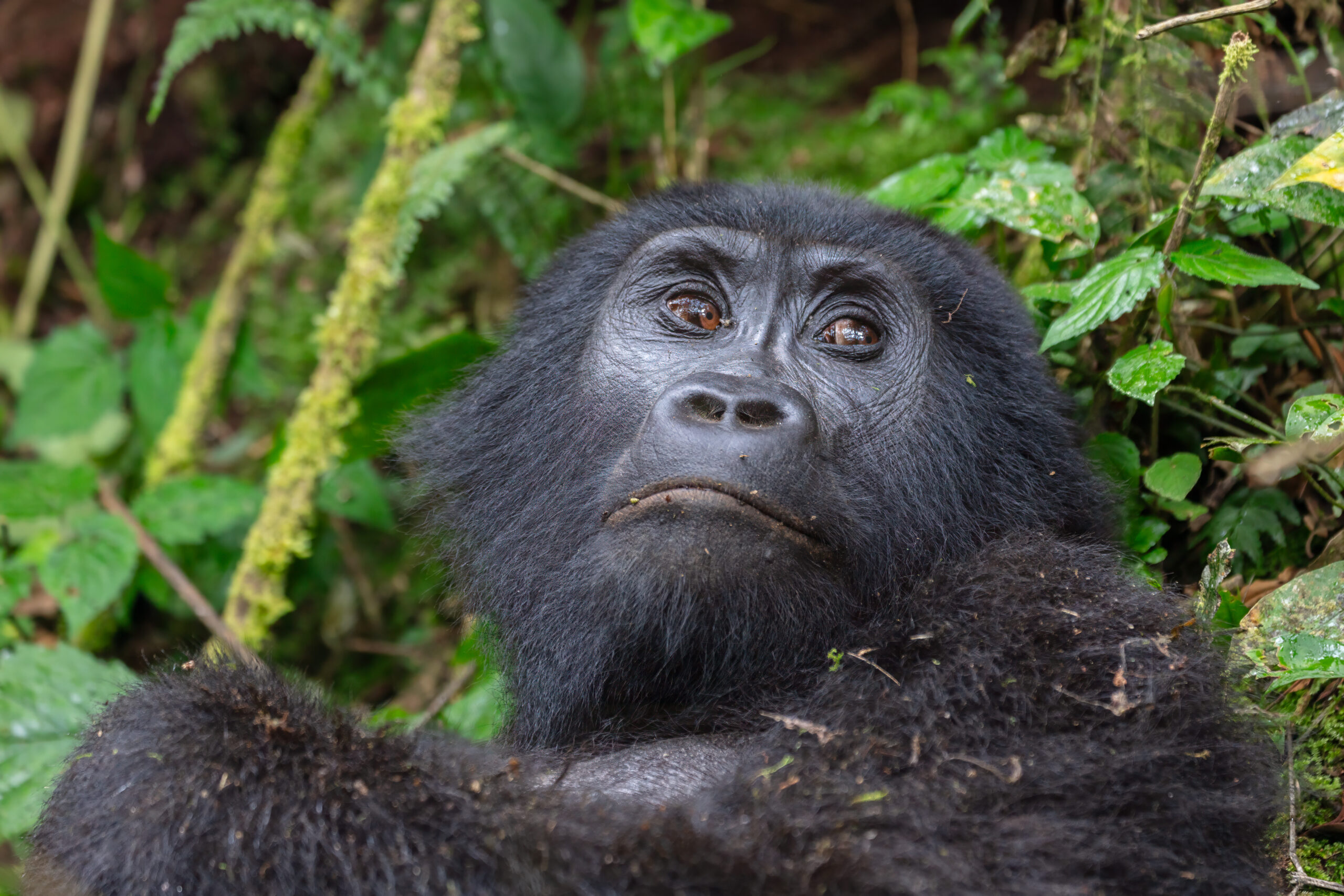
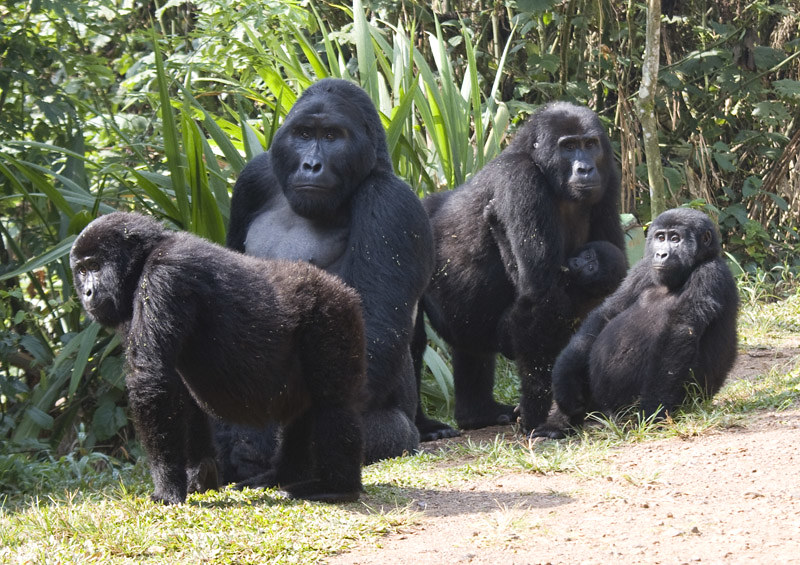
Gorilla trekking success rates are genuinely high, but not guaranteed, and understanding what actually happens if a trekking group doesn’t locate a habituated family, and what policies exist to address this, is genuinely worth knowing before you book, rather than discovering the answer only if it actually happens to you.
How Likely Is It That You Won’t Find Gorillas?
Success rates for gorilla trekking across Uganda, Rwanda, and Congo are genuinely high, generally cited well above 95 percent, given how closely rangers monitor habituated families’ movement and nesting patterns each day. A failed trek is a real possibility but a genuinely rare one, and most operators can tell you their specific park or sector’s recent track record if you’re particularly concerned.
Why a Trek Might Not Find the Family
Habituated gorilla families move daily in search of food, and while trackers follow fresh trail sign from the previous day’s nesting site each morning, genuinely difficult terrain, extended overnight movement, or a family crossing into denser, harder-to-navigate forest can occasionally mean a trek doesn’t locate the group within the planned timeframe. This is a genuine, if uncommon, possibility rather than a purely theoretical risk.
Uganda’s Repeat Trek Policy
The Uganda Wildlife Authority offers a free repeat trek if a group fails to locate gorillas on their original attempt, allowing visitors to try again the following day at no additional permit cost. This policy genuinely removes much of the financial risk associated with an unsuccessful trek, though it does require flexibility in your itinerary to accommodate an extra day.
Rwanda and Congo’s Policies
Rwanda and Congo’s wildlife authorities maintain broadly similar policies to Uganda’s, though exact terms can vary and are worth confirming with your specific operator before booking, given how policies occasionally shift. See our permit booking guide for more on how each country’s booking system works.
Why Building Itinerary Flexibility Matters
Given the small but genuine possibility of needing a repeat trek, building at least one buffer day into your itinerary around gorilla trekking is genuinely sensible, particularly if your trip involves tight onward connections to other parks or activities. Experienced operators typically factor this consideration into itinerary planning by default, even if a repeat trek is never actually needed.
What Trackers Do to Minimise This Risk
Dedicated trackers depart before trekking groups each morning specifically to locate the previous night’s nesting site and follow fresh trail sign, radioing updates to guides throughout the morning as they close in on a family’s current location. This dedicated tracking infrastructure is a major reason success rates remain so consistently high across all three gorilla trekking countries.
Does Habituation Status Affect the Odds?
Fully habituated families used for standard tourist trekking are generally easier to locate than families still undergoing the habituation process, given how much more extensively their movement patterns and territory are documented by rangers and researchers who track them daily.
Weather and Its Effect on Trek Success
Heavy rain can occasionally make tracking more difficult by washing away trail sign or slowing trackers’ progress through increasingly muddy, slippery terrain, though this affects trek duration and difficulty more than it affects whether a family is ultimately located. See our Uganda best-time guide for how seasonal weather patterns factor into overall trekking conditions.
What to Do If You’re Genuinely Worried
Discussing your specific park or sector’s recent success rate directly with your operator before booking, and confirming exactly what the repeat trek policy involves, genuinely helps ease any pre-trip anxiety about this possibility. Most travelers find that once trekking day actually arrives, the professionalism and evident experience of the tracking team quickly reassures any lingering concerns.
Insurance Considerations
While a failed trek itself doesn’t typically trigger travel insurance claims given the free repeat trek policy, having genuine trip cancellation and interruption coverage remains sensible for any international travel, including gorilla trekking specifically. This is separate from the repeat trek policy itself but genuinely worth having in place regardless of your specific itinerary.
Combining This Consideration With Wider Itinerary Planning
Travelers building a longer trip combining gorilla trekking with Murchison Falls or other parks should discuss buffer-day placement with their operator, ensuring any potential repeat trek day doesn’t create genuine conflict with onward travel plans elsewhere in the itinerary.
What to Pack Regardless of Trek Outcome
Standard gorilla trekking gear remains essential whether or not a repeat trek becomes necessary – our gorilla trekking packing list covers everything worth bringing regardless of how many attempts your trip ultimately involves.
What a Repeat Trek Day Actually Involves
If your original trek is unsuccessful, a repeat trek is typically scheduled for the following day, using the same permit at no additional cost, though this does require staying an extra night near the park rather than moving on to your next destination as originally planned. Your operator handles the rebooking logistics directly with the wildlife authority, so the process itself requires minimal effort on your part beyond adjusting your schedule.
How Rangers Communicate Trek Progress
Throughout a gorilla trek, rangers maintain radio contact with advance trackers who departed earlier that morning, providing real-time updates on how close the group is to locating the family. This ongoing communication means guides can usually give trekking groups a reasonably accurate sense of progress throughout the morning, even before the family is actually located.
When Does a Trek Officially End Without Success?
Trekking groups don’t search indefinitely, and park authorities set reasonable time limits, generally several hours, after which a trek is called given genuine safety and practical considerations around trekker fatigue and remaining daylight. This structured approach genuinely ensures trekking groups aren’t pushed beyond reasonable physical limits purely in pursuit of an unlikely late-day success.
Historical Context: Why Success Rates Are So High Today
Decades of dedicated habituation work and consistent daily ranger monitoring have made today’s gorilla trekking success rates considerably higher than in the earlier years of tourism in Uganda, Rwanda, and Congo, when tracking infrastructure was genuinely less developed. This improvement reflects the genuine maturation of gorilla tourism as an industry, with today’s systems built specifically to minimise the kind of failed treks that were more common decades ago.
Comparing Success Rates Across Uganda, Rwanda, and Congo
All three gorilla trekking countries maintain genuinely high, broadly comparable success rates given the shared underlying tracking methodology, though specific sectors or parks can occasionally see slightly different results based on local terrain and current family movement patterns. Your operator can provide the most current, sector-specific information relevant to your particular booking.
What Experienced Travelers Say About the Risk
Travelers who’ve done multiple gorilla treks across different countries and sectors, including Rwanda’s Volcanoes National Park and Uganda’s various Bwindi sectors, consistently describe the possibility of an unsuccessful trek as a genuinely minor consideration compared to the overall value and reliability of the experience itself. Most repeat visitors report never having needed a repeat trek across multiple bookings, reinforcing just how rare a failed trek actually is in practice.
Combining This Consideration With Chimp Trekking
Travelers specifically anxious about a failed gorilla trek sometimes find comfort in knowing that chimp trekking, while also not guaranteed, tends to involve a somewhat different risk profile given chimps’ more vocal, easier-to-track nature across open canopy compared to gorillas’ quieter, more grounded movement through denser cover.
Frequently Asked Questions
How likely am I to not find gorillas on my trek?
Genuinely unlikely – success rates across Uganda, Rwanda, and Congo are generally cited well above 95 percent given how closely rangers track family movement.
Do I get a refund if my trek is unsuccessful?
Uganda offers a free repeat trek the following day rather than a cash refund, allowing you to try again at no additional permit cost.
Should I build an extra day into my itinerary just in case?
It’s genuinely sensible, particularly if your trip involves tight onward connections, though most trips never actually need this buffer day used.
Does weather affect the chances of finding gorillas?
It can affect trek duration and difficulty more than the ultimate outcome, since trackers still generally locate the family regardless of conditions.
Are Rwanda and Congo’s policies the same as Uganda’s?
Broadly similar, though exact terms can vary and are worth confirming with your specific operator before booking your permit.
Does gorilla habituation carry a different success rate?
Generally comparable, though the extended habituation experience involves families still being acclimatised, which can occasionally shift tracking dynamics slightly compared to fully habituated groups.
Can I choose which family I trek to reduce this risk?
Not directly, since the wildlife authority assigns family allocation, though your operator can share general reputation for specific sectors, similar to how our trekking difficulty guide discusses sector-specific terrain differences.
Ready to Plan Your Gorilla Trekking Safari?
Whether you’re weighing Uganda, Rwanda, or Congo, our team can help you understand each destination’s specific policies and build an itinerary with sensible flexibility built in. Get in touch with our team below today and let’s start planning your complete gorilla trekking safari itinerary together.

No comment