Virunga Massif: The Three-Country Mountain Gorilla Heartland Explained
The Virunga Massif is the epicenter of mountain gorilla habitat in Africa, spanning three countries: Uganda, Rwanda, and the Democratic Republic of the Congo. This volcanic mountain range, with its rich forests and high-altitude slopes, provides the critical ecosystems that support the world’s remaining mountain gorillas.
Understanding the Virunga Massif is essential for anyone planning gorilla trekking or studying conservation, as it connects multiple countries, habitats, and conservation strategies in one unique landscape.
Geography and Ecological Importance
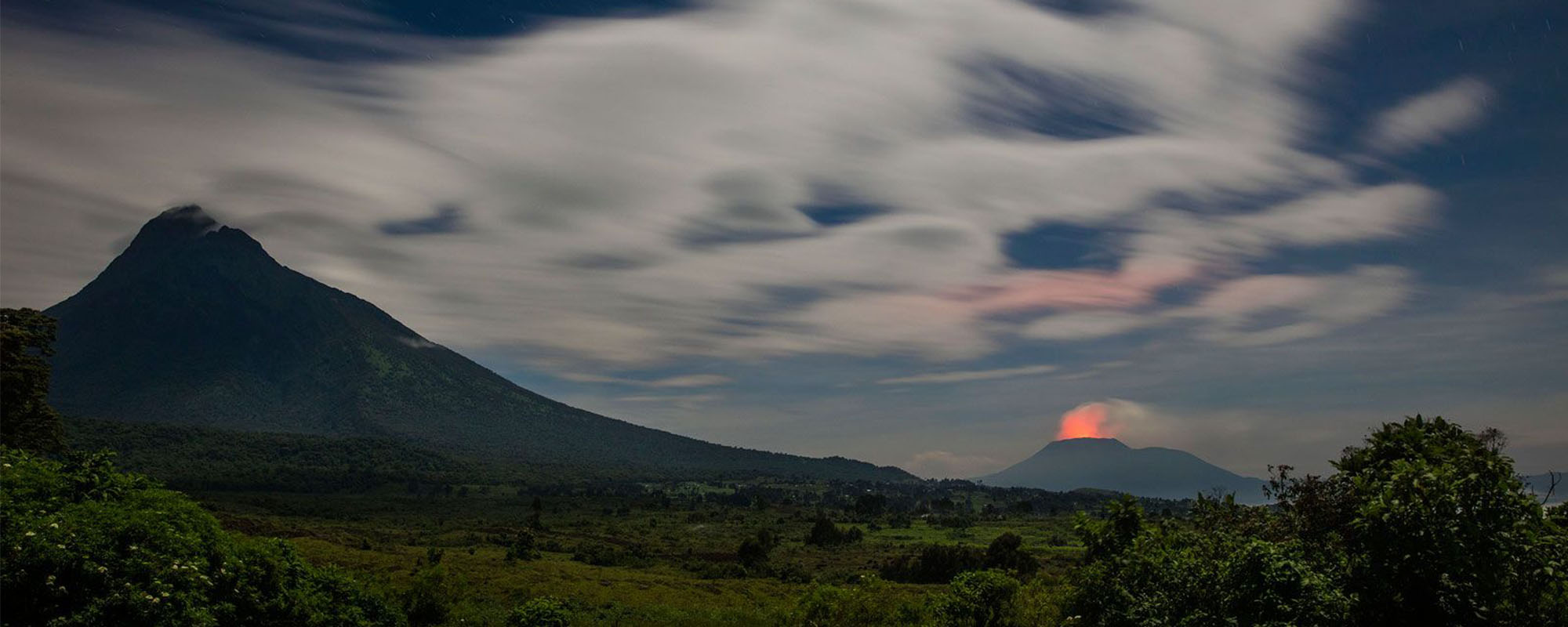
The Virunga Massif is a chain of eight volcanoes and surrounding forests that rise from the Albertine Rift Valley. Its highest peaks reach over 4,500 meters, creating diverse ecological zones from bamboo forests to montane rainforests.
This variety of habitats supports not only mountain gorillas but also a wide range of other wildlife, including golden monkeys, forest elephants, and rare bird species. The massif’s elevation and forest density provide natural shelter, food sources, and breeding grounds critical for gorilla survival.
Three Countries, One Gorilla Home
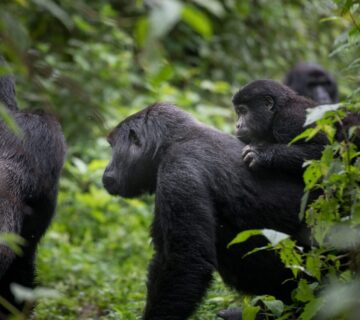
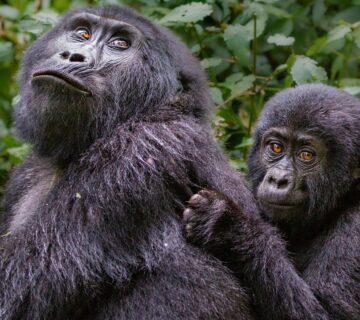
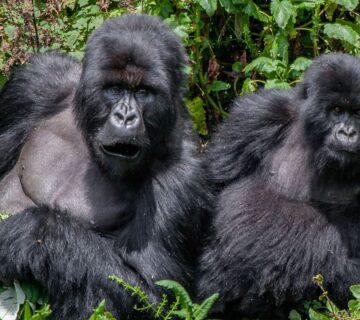
Mountain gorillas in the Virunga Massif do not recognize political borders. Populations span Uganda’s Mgahinga Gorilla National Park, Rwanda’s Volcanoes National Park, and the DRC’s Virunga National Park.
This transboundary distribution has important conservation implications. Collaborative efforts among the three countries allow for shared monitoring, anti-poaching patrols, and habitat management, ensuring that gorilla families can thrive across national lines.
Volcanoes and Gorilla Habitats
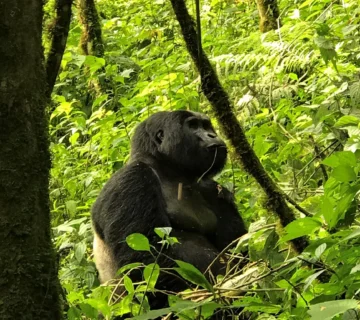
The volcanic slopes create distinct feeding and nesting zones for gorillas. Bamboo grows abundantly at mid-elevations, providing a staple food source. Higher slopes host diverse vegetation, while valleys supply fresh water and shelter.
The rugged terrain also provides protection from human encroachment, allowing gorillas to live in relative safety. Trekking paths in Uganda, Rwanda, and the DRC follow these natural corridors, making it possible for visitors to experience gorillas in multiple landscapes.
Conservation and Collaboration
The Virunga Massif exemplifies international conservation cooperation. Park authorities, NGOs, and local communities across three countries work together to track gorilla populations, prevent poaching, and manage tourism sustainably.
Cross-border collaboration ensures that even if gorillas move from one country to another, protection efforts remain continuous. This cooperative model has been key to the steady population growth of mountain gorillas over the past decades.
Tourism and Sustainable Access
Gorilla trekking in the Virunga Massif provides both adventure and conservation funding. Each country offers unique trekking experiences: Uganda with Bwindi and Mgahinga, Rwanda with Volcanoes National Park, and the DRC with Virunga.
Tourism permits contribute directly to park management and local community development, creating a positive feedback loop where wildlife protection and human benefit go hand in hand. Travelers can witness gorillas in their natural habitat while supporting the survival of the species.
Challenges Facing the Massif
Despite its ecological importance, the Virunga Massif faces threats. Human population growth, illegal farming, and deforestation continue to put pressure on the forests. Political instability, particularly in eastern DRC, can disrupt conservation activities and pose risks to park staff and tourists.
Climate change is another emerging concern, affecting vegetation patterns and food availability for gorillas. Maintaining long-term protection requires constant vigilance, international cooperation, and community engagement.
Why the Virunga Massif Is Critical
The massif is more than a home for gorillas—it is a symbol of transboundary conservation. Its forests sustain one of the rarest primates on Earth while providing ecological services such as water regulation, carbon storage, and biodiversity protection.
For travelers, researchers, and conservationists, the Virunga Massif represents both a natural wonder and a responsibility. Understanding its complexity deepens appreciation for every encounter with a mountain gorilla.
The Heartland of Mountain Gorillas
The Virunga Massif is the beating heart of mountain gorilla habitat in Africa. Spanning Uganda, Rwanda, and the DRC, it offers a unique combination of volcanic landscapes, rich biodiversity, and collaborative conservation.
Visiting or studying this region provides insight into the challenges and triumphs of protecting one of the planet’s most iconic species. Preserving the Virunga Massif ensures that future generations can continue to experience the majesty of mountain gorillas in their true home.
Why Understanding the Massif’s Geography Genuinely Improves Your Trekking Trip
Knowing how volcanic zones shape gorilla movement genuinely helps trekkers appreciate why certain trails and sectors offer more reliable sightings. All in Africa Safaris can explain how this landscape shapes your specific trekking route.
What Makes the Albertine Rift Valley Genuinely Significant Beyond Gorillas
This broader geological feature genuinely supports remarkable biodiversity across the region, extending well past the mountain gorilla habitat itself.
Why Bamboo Availability Genuinely Determines Seasonal Gorilla Movement
Since bamboo forms a staple food source at mid-elevations, its seasonal growth patterns genuinely influence where families concentrate at different times of year.
How Cross-Border Anti-Poaching Patrols Genuinely Protect Wandering Families
Since gorillas move freely across national boundaries, coordinated patrols genuinely ensure protection doesn’t stop at an arbitrary political line.
Why Choosing Which Country to Trek From Genuinely Depends on Priorities
Uganda’s lower permit cost, Rwanda’s shorter transfers, and Congo’s rare lowland gorillas genuinely each offer distinct advantages worth weighing. All in Africa Safaris can help you weigh these three countries against your specific travel priorities.
What Makes Golden Monkeys a Genuine Bonus Sighting in This Ecosystem
Beyond gorillas, this shared habitat genuinely supports golden monkey populations worth tracking as a complementary primate encounter.
Why Eastern DRC’s Instability Genuinely Requires Careful Trip Planning
Travelers considering Congo-based trekking genuinely benefit from checking current conditions and working with operators experienced in regional safety protocols.
How Tourism Revenue Genuinely Funds This Region’s Conservation Work
Permit fees across all three countries genuinely flow directly into anti-poaching efforts, community programs, and ongoing habitat protection.
Why Climate Change Genuinely Poses a Longer-Term Threat to This Ecosystem
Shifting vegetation patterns genuinely could alter food availability for gorillas over time, making ongoing monitoring an increasing conservation priority. All in Africa Safaris can share updates on conservation initiatives addressing these emerging challenges.
What Makes This Region a Genuine Model for International Conservation
Three governments genuinely cooperating on shared wildlife protection offers a rare, replicable example other transboundary conservation efforts could learn from.
Why Volcanic Soil Genuinely Supports This Region’s Remarkable Biodiversity
Nutrient-rich volcanic soil genuinely sustains the dense forest vegetation that in turn supports gorillas and countless other species throughout the massif.
How Community Engagement Genuinely Strengthens Long-Term Protection
Local communities benefiting directly from tourism and conservation jobs genuinely have a stronger stake in protecting this ecosystem long-term.
Why Visiting Multiple Countries Within the Massif Offers a Fuller Picture
Trekking in more than one of these three nations genuinely reveals how the same ecosystem produces distinct trekking experiences depending on location. All in Africa Safaris can sequence a multi-country Virunga itinerary around your travel dates.
What Water Regulation Services From This Ecosystem Mean Beyond Wildlife
The massif’s forests genuinely provide watershed benefits extending to surrounding communities well beyond the park boundaries themselves.
Why This Landscape Deserves Recognition Beyond Its Gorilla Population
Carbon storage and biodiversity protection genuinely make this ecosystem ecologically significant on a scale larger than its famous primates alone.
Why the Eight-Volcano Chain Genuinely Creates Distinct Ecological Zones
Elevation differences across these peaks genuinely produce everything from bamboo forest to montane rainforest within a relatively compact geographic area. All in Africa Safaris can explain how these zones affect trekking conditions on your specific route.
How Forest Elephants Share This Habitat Alongside Mountain Gorillas
Beyond primates, this ecosystem genuinely supports forest elephant populations, adding an unexpected wildlife dimension to the broader massif.
Why Researchers Consider This Region a Genuine Living Laboratory
Ongoing scientific study here genuinely continues to shape global understanding of great ape behavior and transboundary conservation strategy.
What Makes Rare Bird Species Here Worth a Dedicated Look
Beyond gorillas, birders genuinely find this high-altitude forest ecosystem rewarding for species found nowhere else in East or Central Africa.
Why Long-Term Population Growth Genuinely Validates This Conservation Model
Steady increases in mountain gorilla numbers over recent decades genuinely prove that sustained, cooperative protection strategies can reverse decline.
Why NGO Partnerships Genuinely Add Capacity Beyond Government Resources
International conservation organizations genuinely supplement park authority budgets and expertise, extending what any single government could accomplish alone. All in Africa Safaris can share how these partnerships translate into on-the-ground protection.
How Local Guides Bring Genuine Deep Knowledge of This Complex Ecosystem
Guides working across these volcanic slopes genuinely accumulate detailed understanding of gorilla movement patterns unmatched by generic training alone.
Why Visiting This Region Connects Travelers to a Genuinely Rare Conservation Story
Few ecosystems anywhere demonstrate this level of successful cross-border cooperation, making a Virunga Massif visit genuinely meaningful beyond the wildlife itself.
Why Deforestation Pressures Genuinely Require Continued Vigilance
Even amid conservation success, encroaching agriculture near park boundaries genuinely remains an active threat requiring sustained monitoring.
How This Landscape Rewards Travelers Willing to Learn Its Full Story
Understanding the massif’s geology, politics, and conservation history genuinely deepens every gorilla sighting beyond a simple wildlife photo opportunity.
Planning Your Virunga Massif Gorilla Trekking Safari
From volcanic peaks to cross-border conservation success, the Virunga Massif genuinely offers a profound context for any mountain gorilla encounter. All in Africa Safaris can turn this overview into a fully confirmed itinerary tailored to your travel dates.