
How Difficult Is Gorilla Trekking? A Fitness and Preparation Guide
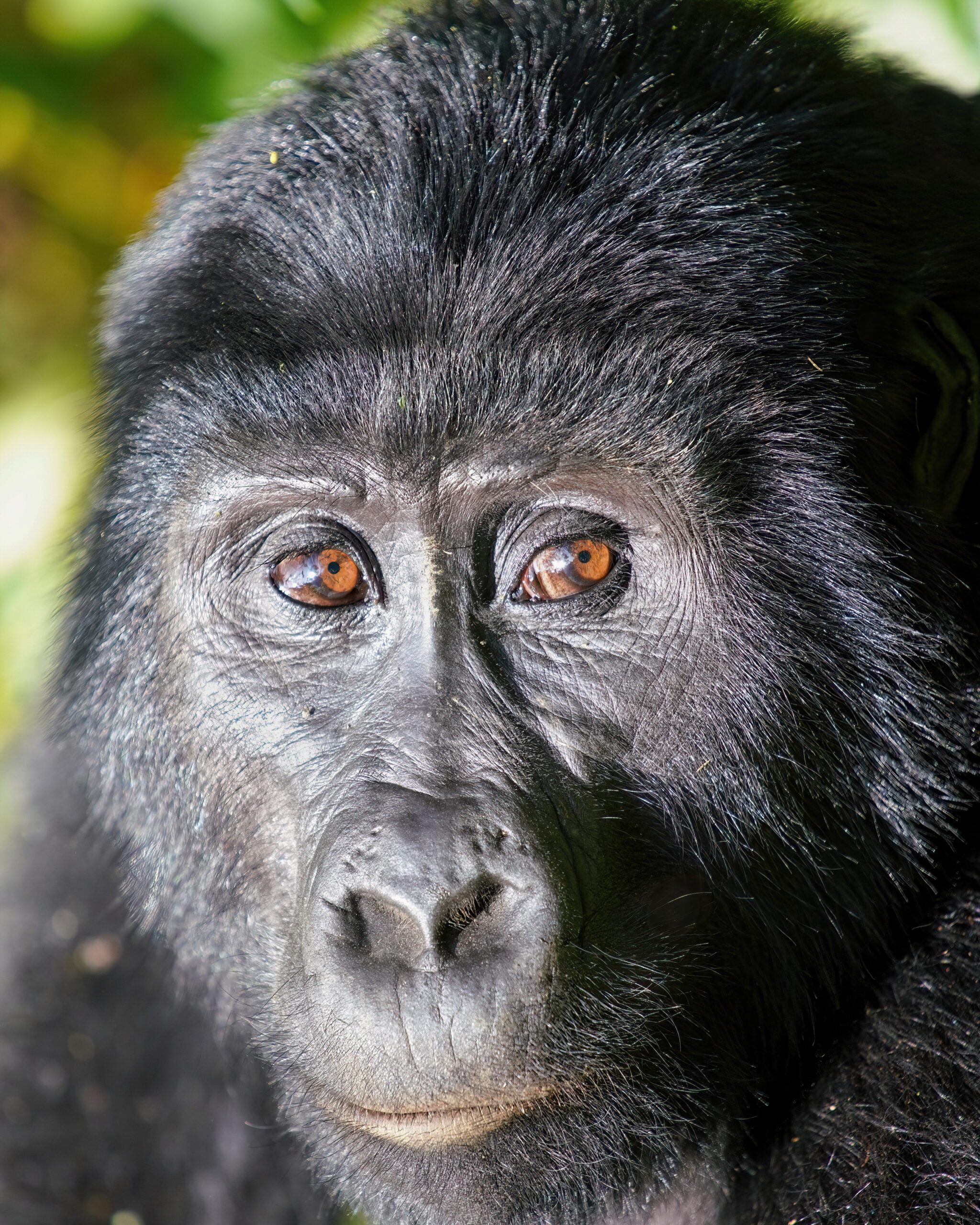
How difficult is gorilla trekking, really? It’s the single most common hesitation we hear from travelers considering Uganda or Rwanda – and the honest answer is that it varies enormously from trek to trek, depending on where the gorilla family happens to be on any given day, but with the right preparation it’s genuinely achievable for most reasonably active travelers.
What Makes Gorilla Trekking Physically Demanding
Unlike a standard game drive, gorilla trekking involves hiking through dense, often steep forest terrain, sometimes for just thirty minutes and sometimes for several hours, entirely dependent on where trackers have located the gorilla family that morning. Altitude adds a further factor, since Bwindi and Volcanoes National Park both sit at elevations where thinner air can make exertion feel more demanding than the same effort at sea level.
How Trek Duration Actually Varies
Gorilla families move daily in search of food, so trek length is genuinely unpredictable – some groups reach their family within an hour, while others hike for four or five hours before a sighting. Rangers communicate by radio throughout the morning as trackers locate each family’s overnight nesting site and follow fresh trail sign, but there’s no way to guarantee trek length in advance, which is part of what makes fitness preparation worthwhile regardless of your specific trekking date.
Terrain and Trail Conditions
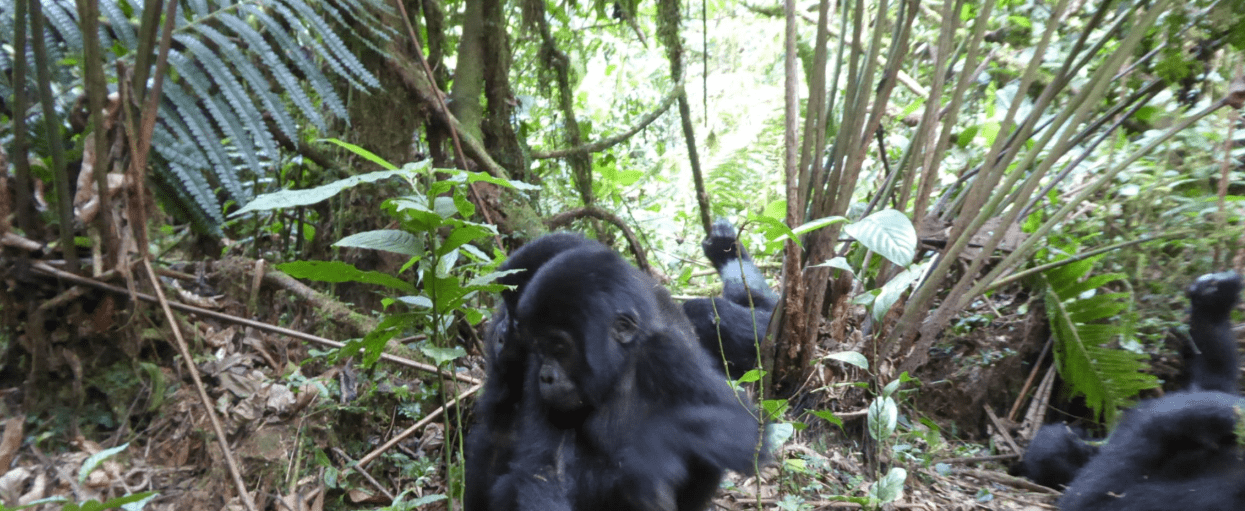
Bwindi’s name translates roughly to “impenetrable forest,” and the terrain lives up to it – steep, often muddy slopes, dense vegetation, and uneven ground are the norm rather than the exception. Volcanoes National Park’s bamboo forest terrain in Rwanda is generally considered somewhat more manageable than Bwindi’s, though both require genuine physical effort well beyond a standard, flat nature walk.
Who Should Be Concerned About Difficulty
Travelers with significant mobility limitations, serious cardiovascular conditions, or very low baseline fitness should discuss gorilla trekking honestly with their doctor before booking, since the unpredictable terrain and duration genuinely can’t be modified once a trek begins. That said, we’ve guided trekkers across a wide age range successfully, and reasonable general fitness, rather than athletic conditioning, is usually sufficient preparation for most travelers.
Porters: The Single Best Difficulty Mitigation
Hiring a local porter, generally an affordable add-on, is genuinely the single most effective way to manage trek difficulty – porters carry your daypack, offer a steadying hand on steep or slippery sections, and provide direct physical assistance up difficult terrain when needed. Porters are also part of the local community employment structure supporting park conservation, so hiring one is both a practical difficulty-reducer and a meaningful way to support the surrounding community.
Preparing Physically Before Your Trip
Regular cardiovascular exercise in the months before your trip – walking, hiking, or stair climbing – genuinely makes a difference to how comfortable a longer trek feels, particularly at altitude. If your schedule allows, practising on hilly or uneven terrain specifically, rather than flat ground alone, better simulates the actual conditions you’ll encounter in Bwindi or Volcanoes National Park.
How Age Affects Gorilla Trekking
There’s no upper age limit for gorilla trekking, only the standard minimum age of fifteen, and we’ve successfully guided trekkers well into their seventies and beyond with the right preparation and porter support. Older travelers with any specific health concerns should have an honest conversation with their doctor beforehand, but age alone shouldn’t be treated as a disqualifying factor.
Choosing an Easier Sector or Family
While trek length can’t be guaranteed in advance, some sectors within Bwindi and some specific gorilla families have reputations among guides for generally staying closer to the trailhead, and experienced operators can factor this into your permit allocation where possible. This isn’t a guarantee, but a knowledgeable local operator’s input genuinely helps manage expectations and, where flexibility exists, improve your odds of a shorter trek.
What to Do If You Can’t Continue Mid-Trek
If a trek becomes too physically demanding partway through, rangers can arrange for a sedan chair, essentially a padded seat carried by a small team of local staff, to carry a struggling trekker the rest of the way – a service worth knowing about even if you don’t expect to need it. This option exists specifically because trek difficulty is so unpredictable, and knowing it’s available can meaningfully ease pre-trip anxiety for travelers genuinely concerned about their fitness.
Gorilla Habituation Is More Demanding Still
Travelers considering the extended gorilla habituation experience should factor in its additional physical demands beyond standard trekking, given the extra hours spent with the family on top of the hike itself. We generally recommend habituation only for travelers already confident in their fitness for standard trekking.
Chimp Trekking as an Easier Alternative
Travelers genuinely concerned about gorilla trekking’s difficulty sometimes find chimp trekking in Kibale Forest a gentler introduction to forest primate tracking, given its generally flatter terrain and well-established trail network. It’s not a substitute for the gorilla trekking experience itself, but a useful way to build confidence before attempting a more demanding gorilla trek.
What to Wear and Pack for a Comfortable Trek
Proper ankle-supporting hiking boots make a genuine difference on uneven terrain, and gardening-style gloves protect your hands when grabbing vegetation for balance on steep sections. Our gorilla trekking packing list covers the complete range of gear worth bringing to make the physical experience as manageable as possible.
Rwanda vs Uganda: Which Is Physically Easier?
Volcanoes National Park’s terrain is generally considered somewhat gentler than Bwindi’s, and Rwanda’s shorter average transfer distances between Kigali and the park reduce overall trip fatigue too, though both destinations still demand genuine physical effort on trekking day itself. See our gorilla trekking cost comparison for how this factors into choosing between the two countries.
How Weather and Season Affect Difficulty
Trekking during Uganda and Rwanda’s wetter months makes trails noticeably muddier and more slippery, adding genuine difficulty beyond what the same route would present during the drier seasons. See our guide to Rwanda’s seasons for how timing your trip around the dry season can meaningfully reduce the physical challenge of the hike itself.
Mental Preparation Matters Too
Beyond physical fitness, going in with realistic expectations about trek unpredictability genuinely helps – travelers who mentally prepare for the possibility of a longer, harder hike tend to find the experience considerably less stressful than those expecting a short, easy walk. Framing the trek itself as part of the adventure, rather than an obstacle before the real experience begins, changes how most travelers actually remember the day afterward.
How Gorilla Trekking Compares to Other Hikes
For travelers with hiking experience elsewhere, gorilla trekking sits somewhere between a moderate day hike and a genuinely demanding one, depending entirely on that day’s trek length and terrain, generally less extreme than a serious mountain ascent but more demanding than a typical national park nature trail. Travelers who’ve completed multi-day hikes or regularly hike hilly terrain at home usually find gorilla trekking well within their capability, even on a longer trek day.
Combining Trekking Difficulty With a Wider Itinerary
Travelers building a longer trip combining gorilla trekking with Murchison Falls’ Big Five game drives or golden monkey trekking should factor in genuine recovery time after a particularly demanding gorilla trek day, rather than scheduling another physically intensive activity immediately afterward. A well-paced itinerary, built with realistic recovery time in mind, makes a meaningful difference to how much you enjoy the rest of your trip.
What Past Trekkers Actually Report
Feedback from travelers who complete gorilla trekking consistently describes the hike itself as genuinely demanding but manageable, with the actual gorilla encounter almost universally rated as entirely worth the physical effort involved. This consistent pattern – real difficulty, but rarely regret – is worth keeping in mind for anyone weighing the decision based purely on fitness concerns rather than genuine health limitations.
Frequently Asked Questions
Do I need to be very fit to go gorilla trekking?
No, but reasonable general fitness genuinely helps – regular cardiovascular exercise in the months beforehand, combined with hiring a porter, makes the experience manageable for most reasonably active travelers.
Is there an age limit for gorilla trekking?
Only a minimum age of fifteen – there’s no upper limit, and we’ve successfully guided trekkers well into their seventies with proper preparation.
What happens if I can’t finish the hike?
Rangers can arrange a sedan chair, carried by local staff, to help a struggling trekker complete the trek – a genuinely useful safety net worth knowing about in advance.
Should I hire a porter even if I’m reasonably fit?
Yes, most experienced guides recommend it regardless of fitness level, both for the practical assistance and as meaningful support for the local community.
Is Rwanda’s trekking easier than Uganda’s?
Generally considered somewhat gentler in terrain, though both destinations still involve genuine physical effort and unpredictable trek duration on any given day.
What about golden monkey or Akagera game drives – are those also physically demanding?
Akagera’s game drives require no hiking at all, while golden monkey trekking is generally gentler than gorilla trekking given its lower-altitude terrain, making both good lower-effort additions to a wider Rwanda itinerary.
Ready to Plan Your Gorilla Trekking Safari?
Whatever your current fitness level, our team can help you prepare properly and choose the right sector, porter support, and itinerary pacing for a genuinely manageable, memorable gorilla trekking experience. Get in touch with our team below today and let’s start planning your safari together.

No comment