
Booking a gorilla trekking permit is genuinely the single most important logistical step in planning a Uganda or Rwanda safari, and given how limited daily permit numbers are, understanding exactly how the process works, and how far in advance to start, makes a real, meaningful difference to securing the specific dates you actually want.
How Gorilla Trekking Permits Work
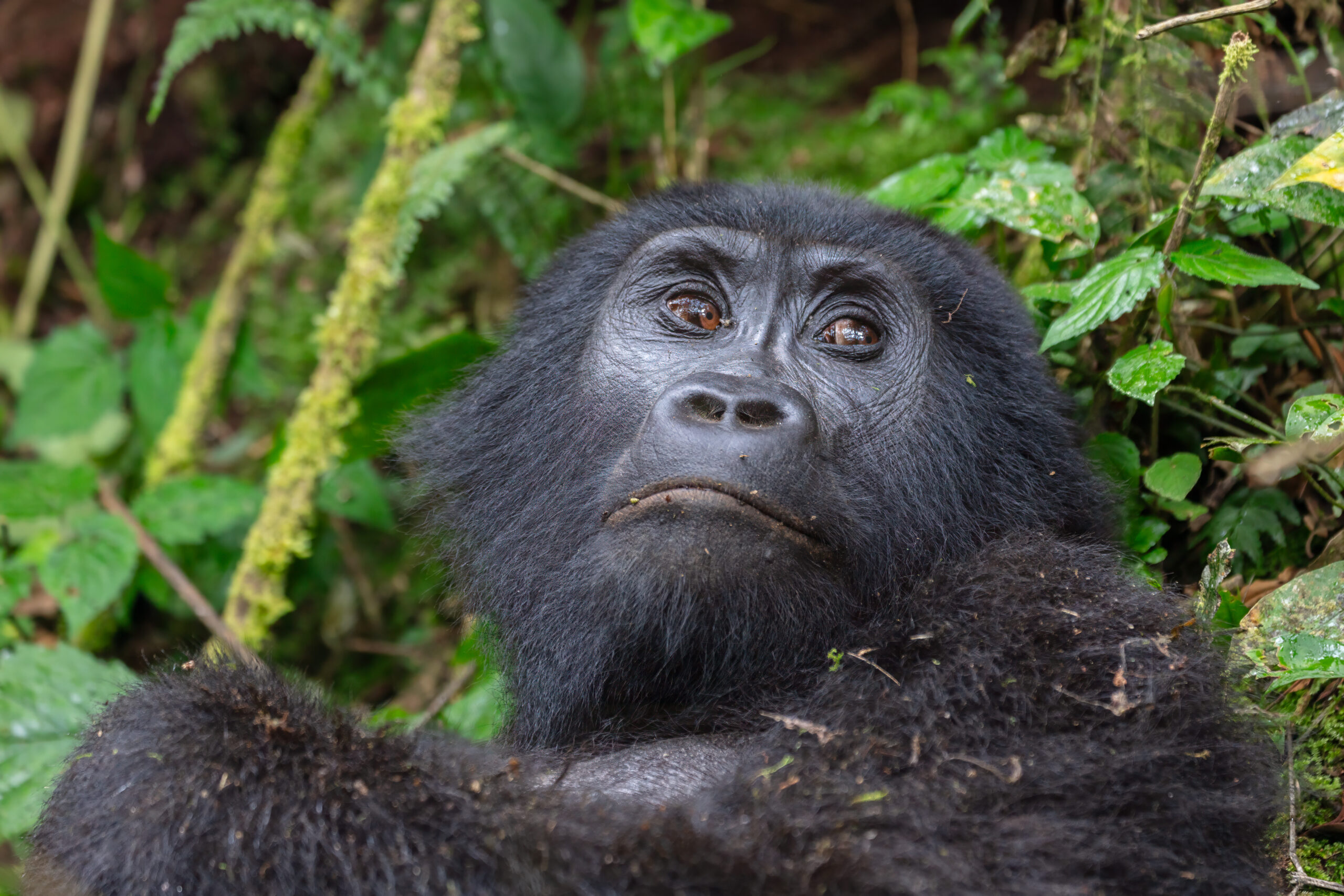
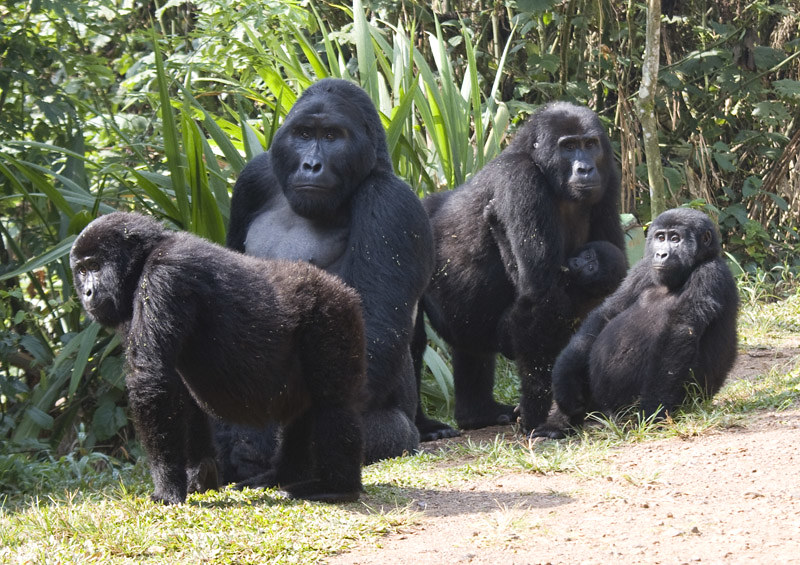
Each habituated gorilla family can only be visited by a single group of up to eight tourists per day, meaning total daily permit numbers across an entire park are genuinely limited regardless of demand. This scarcity is precisely why permits for popular travel periods sell out months in advance, making early booking essential rather than optional for travelers with genuinely fixed travel dates.
Who Issues Gorilla Trekking Permits
In Uganda, permits are issued by the Uganda Wildlife Authority, while Rwanda’s permits come through the Rwanda Development Board, and Congo’s through the Institut Congolais pour la Conservation de la Nature. Most travelers book through a tour operator who handles this process directly with the relevant authority, rather than applying independently, given the added complexity of dealing with each country’s specific booking system.
How Far in Advance to Book
Booking six months to a year ahead is genuinely sensible for travelers with fixed travel dates, particularly for Uganda and Rwanda’s peak dry seasons, roughly June to September and December to February. See our Uganda best-time guide and Rwanda best-time guide for how seasonal demand affects permit availability throughout the year.
What the Permit Fee Actually Covers
Permit fees cover park entry, the guided trek itself, and a contribution to the conservation and community programmes that fund ongoing gorilla protection, though they don’t typically include transport, accommodation, or porter fees, which are arranged separately. See our complete pricing guide for current permit costs across all three countries.
Choosing a Specific Sector or Park
Uganda’s Bwindi Impenetrable National Park is divided into four sectors, Buhoma, Ruhija, Nkuringo, and Rushaga, each with its own habituated families and slightly different terrain and accessibility, while Rwanda’s gorilla trekking is entirely based from Volcanoes National Park. Discussing sector choice with your operator, based on your fitness level and which lodges you’re considering, is worth doing before finalising your permit booking.
What Happens on Booking Day
Once permits are secured, your operator typically handles the actual application and payment process directly with the relevant wildlife authority, confirming your specific date and, in some cases, requesting a preferred sector or family. Confirmation usually comes through as an official permit document, which you’ll need to bring with you to the park on your trekking day.
Can Permits Be Booked Independently?
Technically yes, through each country’s wildlife authority website or office, though most travelers find working through an experienced operator genuinely simplifies the process, particularly given the added complexity of coordinating permits alongside accommodation and transport. Operators also carry current knowledge of availability and can suggest alternative dates if your first choice is already sold out.
What Happens If You Need to Cancel or Reschedule
Permit cancellation and rescheduling policies vary by country and are generally strict given how limited daily capacity is, so travel insurance covering trip cancellation is genuinely worth considering given the non-refundable nature of most permit fees. Discussing your specific operator’s exact cancellation policy before booking is worth doing if your travel dates carry any genuine remaining uncertainty.
Age and Health Requirements
All three countries enforce a minimum age of fifteen for gorilla trekking, and visitors showing symptoms of cold, flu, or other communicable illness are asked to postpone their trek given gorillas’ genuine susceptibility to human respiratory disease. These requirements apply regardless of which country or specific park you’re booking through.
Booking Gorilla Habituation Permits
Uganda’s extended gorilla habituation experience, offering four hours with a family instead of the standard one hour, requires a separate permit booked specifically for Bwindi’s Rushaga sector, with even more limited daily availability than standard trekking permits.
What to Do Once Your Permit Is Confirmed
Once your permit is confirmed, booking accommodation near your specific sector or park entrance should follow promptly, since lodges near popular trailheads fill up alongside permit demand during peak season. Confirming transport and any porter arrangements ahead of your trip also helps ensure a smooth trekking day itself.
Combining Permits Across Multiple Countries
Travelers interested in comparing gorilla trekking across Uganda and Rwanda on the same trip need to book separate permits with each country’s wildlife authority, coordinated carefully around the border crossing timing between Bwindi and Volcanoes National Park. Experienced operators handle this multi-country coordination routinely as part of combined itineraries.
How Permit Allocation Actually Works
Once your operator submits a booking request, the relevant wildlife authority allocates you to a specific gorilla family and sector, information typically confirmed a few weeks before your actual trek date rather than at the time of initial booking. This allocation process reflects ongoing management of habituated families’ movement and any changes to sector availability that may have occurred since your original booking.
Peak Season Booking Strategy
During Uganda and Rwanda’s peak dry seasons, permits for popular sectors can sell out considerably faster than less-visited alternatives, making flexibility around specific sector choice genuinely valuable if your travel dates fall within these high-demand windows. Discussing backup sector options with your operator at the time of booking helps avoid disappointment if your first choice proves unavailable.
Group Size and Trekking Dynamics
Standard gorilla trekking groups are capped at eight visitors per habituated family, a limit designed to minimise disturbance to the gorillas while still allowing a meaningful number of permits to be issued daily across a park’s total habituated families. This group size also shapes the trekking experience itself, since smaller groups generally allow more personal time observing the family once located.
Documentation Required for Trekking Day
Beyond your confirmed permit document, most parks require a valid passport for identity verification on the morning of your trek, so keeping this together with your permit confirmation is genuinely important. Your operator should confirm exactly what documentation to bring as part of your final trip briefing before departure.
Booking Permits for Large Groups or Families
Larger travelling groups or families booking gorilla trekking together should confirm with their operator whether the full group can be allocated to the same family and time slot, since availability constraints occasionally require splitting a larger group across different treks. Discussing this specifically at the time of booking avoids surprises closer to your actual travel dates.
Combining Permit Booking With Wider Itinerary Planning
Gorilla trekking permits should ideally be secured before finalising the rest of your itinerary, since your confirmed trek date will determine the logistics of everything else, from accommodation to onward travel to other parks like Murchison Falls or Akagera. Working with an operator who books permits first and builds the rest of the trip around them genuinely reduces overall planning stress considerably.
What Experienced Operators Add to the Permit Process
Beyond simply submitting a booking request, experienced operators bring current, on-the-ground knowledge of which sectors and dates are genuinely likely to have availability, along with established relationships with each country’s wildlife authority that can occasionally help resolve booking issues more efficiently than an independent application might. This local expertise is part of why most travelers choose to book through an operator rather than applying directly themselves.
Frequently Asked Questions
How far in advance should I book a gorilla trekking permit?
Six months to a year ahead is genuinely sensible, particularly for peak season travel during June to September or December to February.
Can I book a gorilla trekking permit myself without an operator?
Technically yes, through each country’s wildlife authority directly, though most travelers find working through an operator genuinely simplifies the overall process.
What happens if permits are sold out for my preferred dates?
Your operator can suggest alternative dates or sectors with available permits, or recommend a different park entirely depending on your flexibility.
Do children need a separate type of permit?
No, but the minimum age of fifteen applies uniformly across Uganda, Rwanda, and Congo, so younger children cannot trek regardless of permit type.
Is the permit fee refundable if I need to cancel?
Generally no, or only under limited circumstances, which is why travel insurance covering trip cancellation is genuinely worth considering for any fixed-date booking.
Can I book chimp trekking permits the same way?
Yes, Kibale chimp trekking permits follow a similar booking process, though availability is generally less constrained than gorilla trekking given larger habituated group sizes.
What about golden monkey trekking permits?
Golden monkey permits in Rwanda are booked separately from gorilla permits and are typically easier to secure given lower overall demand.
Ready to Book Your Gorilla Trekking Permit?
Whether Uganda, Rwanda, or a combined multi-country itinerary is your priority, our team can handle the entire permit booking process and build a complete trip around your confirmed trekking dates. Get in touch with our team below today and let’s start planning your complete gorilla trekking safari together.

No comment