
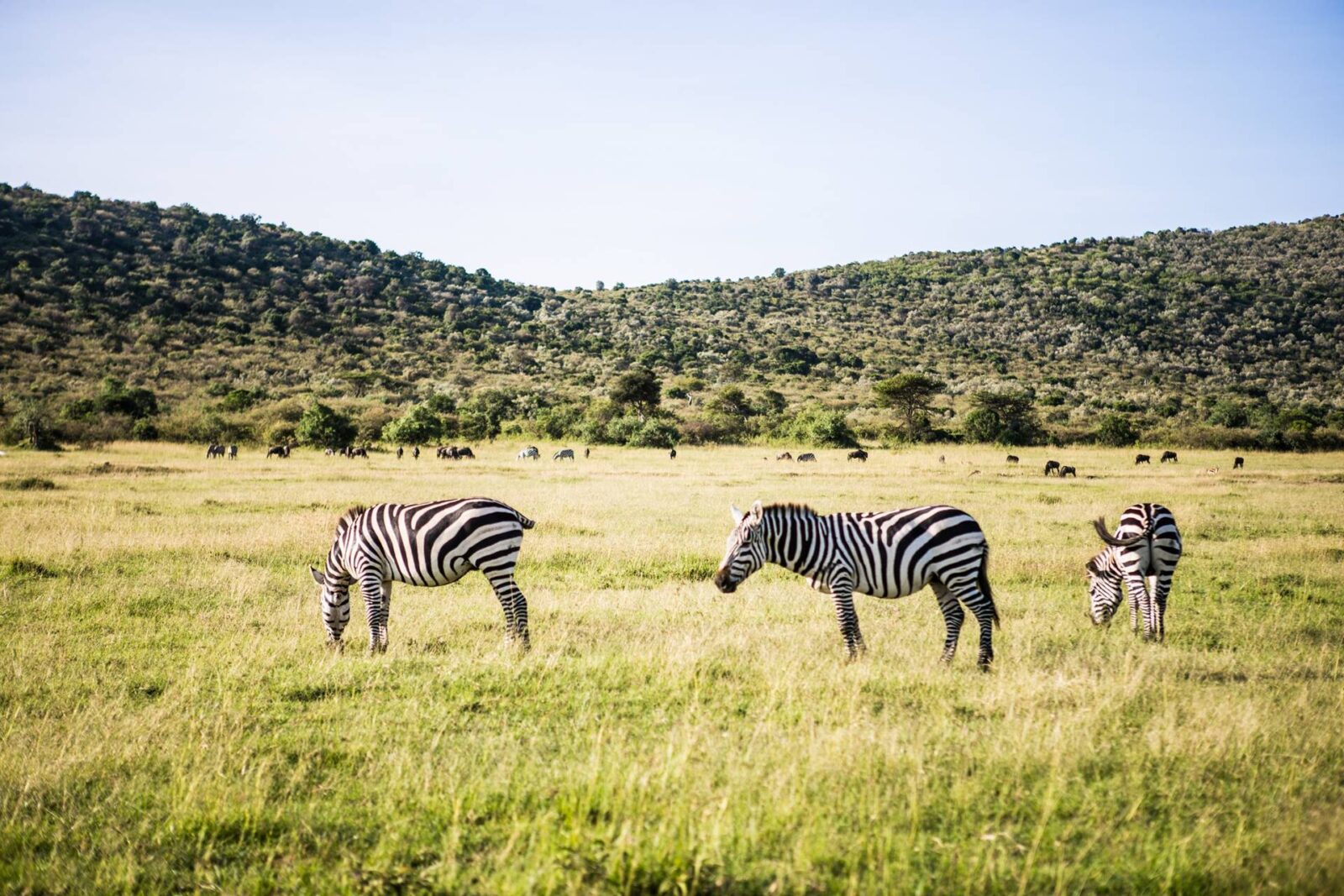
Plains zebra move across the Masai Mara in genuinely enormous herds, their numbers swelling dramatically each year as migrating animals cross from the Serengeti, joining resident populations to create some of the densest, most visually striking large-mammal gatherings anywhere in East Africa.
Zebra and the Great Migration’s Mara River Crossings
Zebra travel alongside wildebeest throughout the migration’s dramatic Mara River crossings, often entering the water first ahead of the larger wildebeest herds, a behaviour attributed to zebra’s generally more cautious, deliberate decision-making compared to wildebeest’s more reactive, herd-driven movement. Watching this dynamic unfold at a crossing point is one of the Mara’s most sought-after wildlife spectacles.
Where to Find Zebra in the Masai Mara
Zebra range across the Mara’s open grassland year-round, with resident herds supplemented dramatically each dry season as migrating animals cross from the Serengeti’s northern woodland. Even outside peak migration months, resident zebra herds remain genuinely visible across much of the reserve’s rolling terrain.
The Zebra-Wildebeest Grazing Partnership
Zebra’s preference for taller, coarser grass genuinely complements wildebeest’s preference for the shorter growth beneath, a mutually beneficial grazing relationship that means the two species consistently travel and feed together across the Mara’s plains. This partnership, combined with shared predator vigilance, is part of why zebra and wildebeest are so reliably seen mixed together during a standard game drive.
Why Zebra Stripes Exist: The Leading Theories
Several genuinely competing theories attempt to explain zebra’s distinctive stripe pattern, including disrupting biting fly vision, confusing predators through visual “motion dazzle” when a herd runs together, and aiding individual recognition and social bonding within a herd. No single explanation is universally accepted among researchers, making zebra stripes one of East Africa’s more genuinely debated evolutionary questions.
Zebra Social Structure
Zebra form stable family harems led by a dominant stallion, genuinely different from wildebeest’s larger, looser herding structure, with individual family groups recognisable by consistent stripe patterns that function almost like a fingerprint for identifying specific animals. These family units often merge into much larger aggregations during migration season, without losing their underlying smaller social structure.
Zebra and the Mara’s Predators
Zebra form a significant part of the diet for the Mara’s resident leopard and lion populations, and are also targeted by hyena clans, particularly vulnerable foals and older individuals, making zebra herds a genuinely central prey species supporting the wider ecosystem’s predator populations alongside cheetah.
Best Time of Year for Zebra Sightings
Zebra are visible in the Masai Mara year-round given resident populations across the reserve, though numbers swell dramatically during the dry season, roughly July to October, as migrating herds arrive from the Serengeti. See our regional best-time guide for how East Africa’s seasonal patterns generally affect game viewing.
Self-Drive vs Guided Safaris for Zebra Viewing
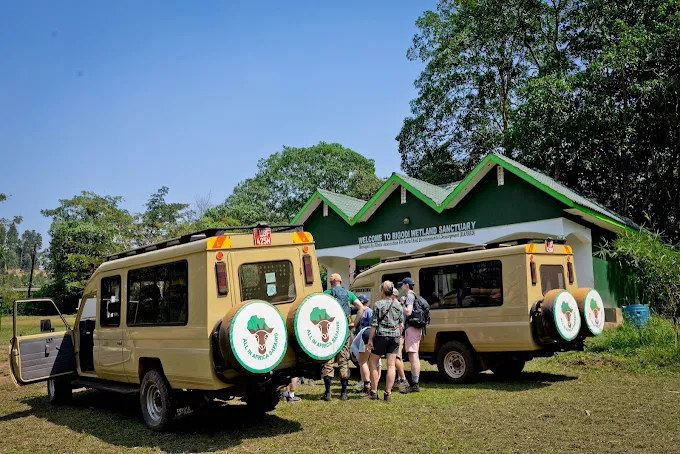
Zebra are among the more straightforward Mara species to locate independently given their large herd size and wide distribution, though a guided safari still adds real value in coordinating sightings around current migration positioning and the reserve’s other headline wildlife. Most visitors combine Masai Mara with a wider guided Kenya itinerary.
Photographing Masai Mara Zebra
Large zebra herds crossing open plains, particularly mixed with wildebeest during migration season or captured mid-crossing at the Mara River, offer genuinely striking photographic compositions rich in visual pattern and drama. A mid-range zoom covers most sightings well, similar to the gear recommended in our camera gear guide.
What to Pack for a Masai Mara Safari
Standard game drive gear – neutral clothing, sun protection, and binoculars – covers most of what the reserve requires. If your wider itinerary includes gorilla trekking, our gorilla trekking packing list covers that portion separately.
Zebra’s Role in the Wider Ecosystem
Beyond their partnership with wildebeest, zebra play a genuinely significant role shaping grassland structure through their grazing pattern, clearing taller, coarser growth that benefits numerous other grazing species sharing the same plains. This ecological function, combined with their importance as a major prey species, makes zebra genuinely central to the Mara’s overall food web balance.
Combining Zebra Viewing With a Wider Kenya Circuit
The Masai Mara is commonly paired with Amboseli or Lake Nakuru on a standard Kenya itinerary, giving travelers genuine additional wildlife-viewing opportunities across Kenya’s other ecosystems within a single well-planned trip.
Getting to the Masai Mara
Most itineraries reach the Mara via road from Nairobi, roughly five to six hours, or by scheduled light aircraft directly into one of the reserve’s several airstrips, with the choice generally depending on how much driving time a traveler wants to include in a wider Kenya circuit.
How Individual Stripe Patterns Work
Each zebra carries a genuinely unique stripe pattern, as distinct as a human fingerprint, and researchers studying the species use this individuality to track specific animals across years of migration data. Foals reportedly learn to recognise their mother’s particular pattern within days of birth, a critical skill for staying close within a large, visually similar herd during the chaos of a river crossing or general migration movement.
Zebra Vocalisations and Alarm Behaviour
Zebra communicate through a distinctive high-pitched bark used to signal alarm at approaching predators, alongside braying and snorting sounds that help coordinate herd movement, particularly during river crossings or when navigating dense concentrations of other migrating animals. This vocal alertness, combined with genuinely sharp eyesight and hearing, makes zebra herds an effective early-warning system that other migrating species, including wildebeest, often rely on indirectly.
Foal Development and Vulnerability
Zebra foals can stand and walk within roughly an hour of birth, a rapid development genuinely necessary given the predation pressure young zebra face from the Mara’s lion and hyena populations, though foals remain considerably more vulnerable than adults for their first several months. Mothers keep foals close during this period, and the stallion leading each family harem plays an active role defending against approaching predators threatening the group.
Combining Zebra Viewing With the Full Mara Big Five
Zebra sightings complement the Mara’s buffalo and elephant populations, along with its resident giraffe herds, rounding out one of East Africa’s most complete single-ecosystem wildlife checklists within a single reserve.
Best Lodges for Zebra and Migration Viewing
Properties positioned along the migration’s current route genuinely simplify logistics for travelers specifically prioritising large mixed zebra-wildebeest herds or river-crossing viewing, cutting down on drive time before and after game drives. Discussing lodge location and timing directly with your operator, alongside current information on the migration’s seasonal position, is genuinely worth doing before finalising your complete Masai Mara itinerary.
Zebra Diet and Grazing Preferences
Zebra are genuinely less selective grazers than many other Mara herbivores, capable of digesting the taller, coarser, more fibrous grass stems that wildebeest and gazelle largely avoid, thanks to a simpler digestive system that processes fibre less efficiently but tolerates a genuinely wider range of plant material. This dietary flexibility is a major reason zebra can graze areas ahead of wildebeest during migration, effectively preparing the ground for the shorter, tender growth wildebeest specifically prefer.
Why Guides Value Zebra Beyond the River Crossings
While zebra are frequently discussed primarily in the context of the migration’s dramatic river crossings, experienced Mara guides consistently note that resident zebra populations offer genuinely rewarding, less rushed viewing opportunities outside peak migration season, when herds are more settled and behavioural interactions, from necking to alarm calling, are easier to observe without the chaos of mass seasonal movement.
Conservation Status of Mara Zebra
The Mara-Serengeti ecosystem’s zebra population has remained genuinely more stable over recent decades compared to some other East African grazing species, given zebra’s broader dietary flexibility and resilience to habitat variation. This stability is part of why zebra numbers, while still tied to the wider migration’s overall health, haven’t faced the same severe historical population crashes documented for species like rhino or elephant during past poaching crises.
Frequently Asked Questions
Why do zebra and wildebeest travel together in the Mara?
Their complementary grazing habits, zebra eating taller grass and wildebeest the shorter growth beneath, along with shared predator vigilance, make the partnership genuinely mutually beneficial.
Do zebra cross the Mara River like wildebeest?
Yes, and they often enter the water first, a behaviour attributed to zebra’s generally more cautious, deliberate decision-making style.
What’s the best time of year to see zebra in the Masai Mara?
Year-round given resident populations, though numbers swell dramatically during the dry season as migrating herds arrive from the Serengeti.
Do zebra live in family groups?
Yes, stable harems led by a dominant stallion, genuinely different from wildebeest’s larger, looser herding structure.
Is the Masai Mara or Serengeti better for zebra viewing?
Both offer genuinely comparable viewing given the shared ecosystem, so the choice generally comes down to which side of the border your wider itinerary favours.
Ready to Plan Your Masai Mara Safari?
Whether the Mara’s massive zebra herds, the dramatic river crossings, or a full Kenya itinerary is your priority, our team can build a trip matched to your time and interests. Get in touch with our team below today and let’s start planning your complete Kenya safari itinerary together.

No comment