
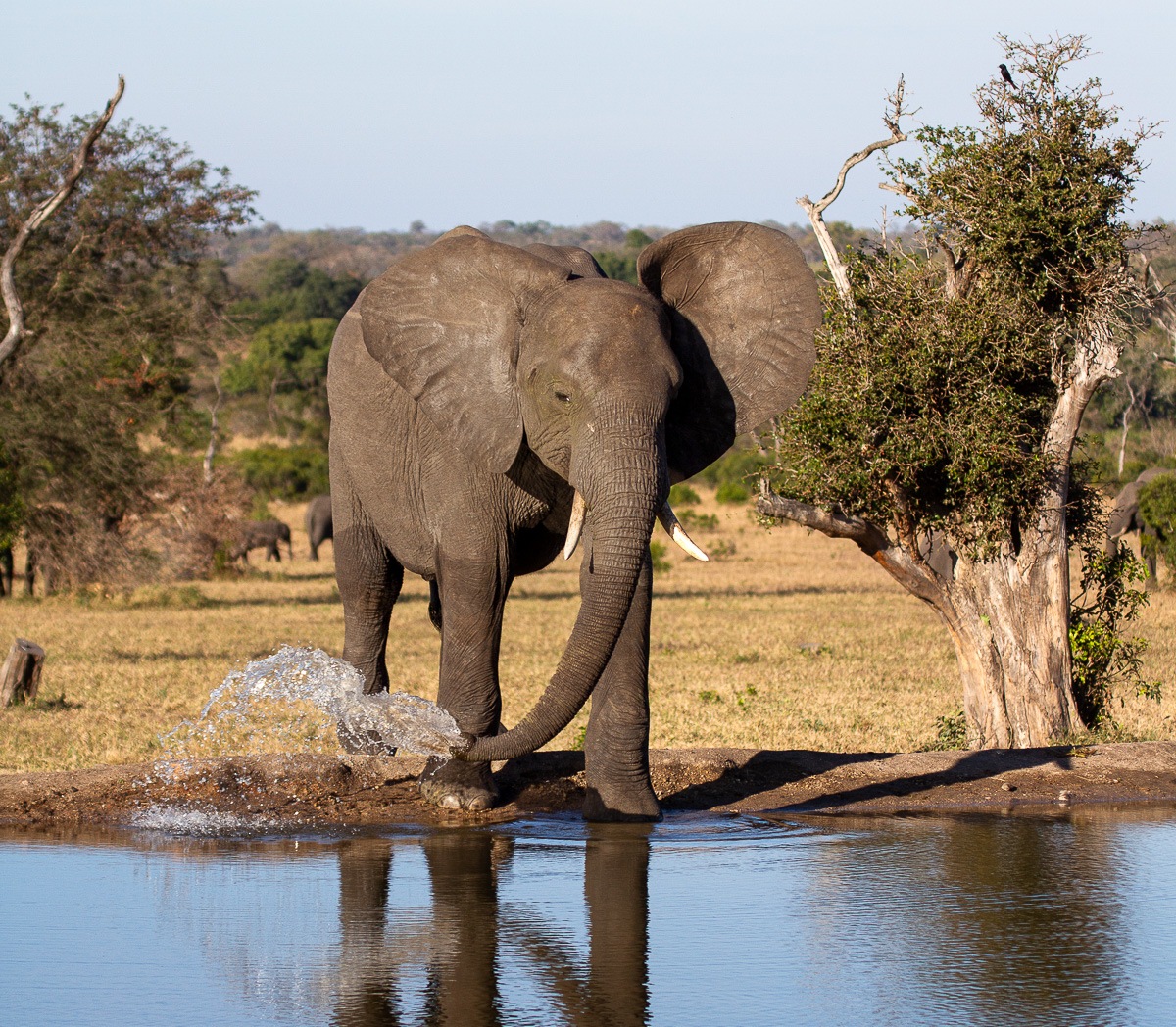
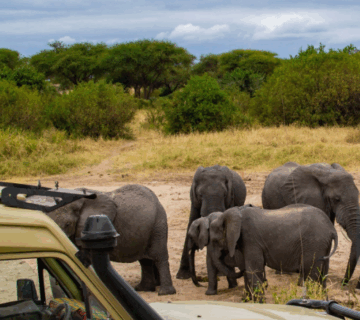
Elephant herds move across the Serengeti’s endless plains in genuinely large, family-led groups, their seasonal presence shaped as much by the ecosystem’s famous wildebeest migration corridors as by the permanent woodland and riverine habitat that keeps a resident population here year-round.
Where to Find Elephants in the Serengeti
Elephants concentrate most reliably in the Serengeti’s northern woodland near the Mara River and around the central Seronera Valley’s riverine vegetation, both areas offering the shade, water, and browse that large herds genuinely depend on throughout the year. The park’s vast southern and eastern plains see fewer elephants outside the wetter months, when scattered water pans briefly draw herds further from the permanent river systems.
Herd Structure and Family Life
Serengeti elephant herds are led by an experienced matriarch, typically the oldest and most knowledgeable female, whose memory of seasonal water sources and safe migration routes genuinely determines a herd’s survival through the park’s long dry season. Adult males generally live more solitary lives once mature, occasionally forming loose bachelor groups or joining herds temporarily during the breeding season.
The Serengeti’s Elephant Population Recovery
Like much of Tanzania, the Serengeti’s elephant population suffered severe poaching pressure during the crisis years of the 1970s and 80s, and today’s healthy, genuinely growing numbers reflect decades of sustained anti-poaching effort and the ivory trade ban that followed. This recovery story mirrors the broader conservation success seen across Tarangire and other Tanzanian parks that faced comparable pressure during the same period.
Seasonal Movement and the Wildebeest Migration Connection
Unlike the wildebeest and zebra that drive the Serengeti’s famous migration, elephants are largely non-migratory here, maintaining consistent home ranges across the woodland and riverine habitat year-round rather than following the same grass-driven circuit. That said, elephant movement does shift seasonally within these home ranges, tracking localised water and forage availability much like the Serengeti’s other resident browsers and grazers.
Elephants and the Serengeti’s Full Big Five
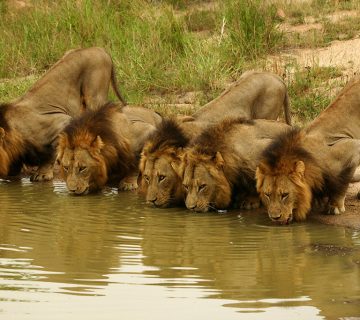
Elephant sightings here complement the park’s resident lion prides, leopard population, and buffalo herds, though rhino sightings require considerably more effort given how limited the park’s small, closely protected population has become in recent decades.
Best Time of Year for Elephant Sightings
Elephants are visible in the Serengeti year-round given their resident status in the park’s northern and central woodland, though the dry season, roughly June to October, concentrates herds most predictably around permanent water in the Seronera Valley and near the Mara River. See our regional best-time guide for how East Africa’s dry-season patterns generally affect game viewing.
Northern Serengeti’s Mara River Elephants
The Mara River corridor, best known for the migration’s dramatic river crossings, also supports a genuinely strong resident elephant population drawn to the permanent water and dense riverine forest lining the riverbanks. Travelers visiting this northern sector specifically for migration season often find elephant sightings here just as reliable and rewarding as the river-crossing spectacle itself.
Self-Drive vs Guided Safaris for Elephant Viewing
Elephants are among the more straightforward Big Five species to locate independently in the Serengeti’s central Seronera area, given their large group size and preference for well-known riverine habitat, though a guided safari still adds real value in coordinating sightings around current herd movement across the park’s vast overall area. Most visitors combine Serengeti with a wider guided Northern Circuit itinerary.
Photographing Serengeti’s Elephants
Herds moving across open plains at sunrise or sunset, silhouetted against the Serengeti’s famous flat horizon, offer genuinely striking photographic opportunities distinct from denser forest-park elephant sightings elsewhere in East Africa. A mid-range zoom covers most encounters well, since herds in the Seronera Valley are generally well habituated to vehicle presence after decades of tourism.
What to Pack for a Serengeti Safari
Standard game drive gear – neutral clothing, sun protection, and binoculars – covers most of what the park requires. If your wider itinerary includes gorilla trekking, our gorilla trekking packing list covers that portion separately.
Elephants’ Role in the Serengeti Ecosystem
As one of the ecosystem’s most significant large herbivores, elephants shape woodland structure through browsing pressure, knocking down trees and opening dense thicket into the mixed woodland-grassland mosaic that in turn benefits numerous other species across the food web. This ecological engineering role makes elephants genuinely central to the Serengeti’s long-term habitat structure, not just a headline sighting for visitors.
Combining Elephant Viewing With a Wider Northern Circuit
The Serengeti is commonly paired with Ngorongoro Crater and Tarangire on a standard Northern Circuit itinerary, giving travelers a genuinely varied elephant-viewing experience across three distinctly different landscapes within a single well-planned Tanzania trip.
Getting to the Serengeti
Most itineraries reach the Serengeti via road from Arusha through Ngorongoro Crater, or by scheduled light aircraft directly into one of the park’s several airstrips, with the choice generally depending on how much of the Northern Circuit’s driving time a traveler wants to include. Either route delivers genuinely reliable elephant viewing once inside the park’s core wildlife areas.
Elephant Behaviour Around Vehicles
Serengeti elephants, particularly around the well-visited Seronera area, are generally well habituated to vehicle presence after decades of consistent, respectful tourism, though guides still maintain sensible distance from herds with young calves or bulls showing signs of agitation. This habituation makes for genuinely calm, extended viewing opportunities compared to more skittish elephant populations found in less-visited parks.
Comparing Serengeti Elephants to Other Tanzania Parks
While Tarangire is generally considered Tanzania’s premier elephant destination given its exceptional dry-season concentrations, the Serengeti’s resident population offers genuinely reliable sightings within an itinerary already built around the migration and the park’s other headline wildlife, making a dedicated separate elephant-focused stop unnecessary for most travelers.
Conservation and Anti-Poaching Efforts Today
Ongoing anti-poaching patrols and community conservation programmes bordering the Serengeti continue to support the park’s recovering elephant population, building on the foundation laid by Tanzania’s national ivory trade ban decades ago. This sustained effort is part of why elephant sightings across the ecosystem have become genuinely more reliable over the past two decades.
Best Lodges for Elephant-Focused Visits
Properties near the Seronera Valley or along the northern Mara River corridor genuinely simplify logistics for travelers specifically prioritising elephant viewing, cutting down on drive time before game drives. Discussing lodge location directly with your operator, alongside current information on recent herd movement, is worth doing before finalising your complete Serengeti itinerary.
Bull Elephants and the Musth Period
Mature male elephants periodically enter a heightened hormonal state known as musth, during which they can become considerably more assertive and less predictable than their usual solitary, generally calm demeanour suggests. Guides watch closely for the physical signs of musth, including visible temporal gland secretion, and adjust vehicle positioning accordingly to keep sightings both safe and genuinely rewarding for visitors.
Elephant Communication and Family Bonds
Serengeti elephant herds communicate through a genuinely complex range of vocalisations, from low-frequency rumbles that can travel considerable distances across open plains to trunk touches and body contact that reinforce social bonds within the family unit. Calves remain closely attended by multiple adult females within the herd, a cooperative caregiving structure that gives young elephants a genuinely strong survival advantage during their vulnerable early years.
Night and Early Morning Elephant Activity
Elephants often feed most actively during the cooler hours of early morning and late afternoon, resting or seeking shade through the hottest midday period, a pattern worth keeping in mind when planning game drive timing specifically around elephant sightings. Early departures from camp genuinely improve the odds of catching herds still actively feeding before the day’s heat sets in.
Water Sources Beyond the Main Rivers
Beyond the Seronera and Mara River corridors, elephants also make use of smaller, less obvious water pans scattered across the central woodland, particularly during the shoulder months when the main rivers are still flowing but seasonal pans briefly refill after rain. Experienced guides genuinely track these secondary water sources closely, since they often produce quieter, less crowded elephant sightings away from the busier main river routes favoured by most visitors.
Frequently Asked Questions
Where in the Serengeti are elephants most reliably seen?
The central Seronera Valley and the northern Mara River corridor, both offering the permanent water and riverine vegetation elephants depend on year-round.
Do Serengeti elephants migrate like the wildebeest?
No, elephants are largely non-migratory here, maintaining consistent home ranges rather than following the grass-driven migration circuit.
What’s the best time of year to see elephants in the Serengeti?
Year-round given their resident status, though the dry season, roughly June to October, concentrates herds most predictably around permanent water.
Is the Serengeti or Tarangire better for elephant viewing?
Tarangire is generally considered Tanzania’s premier elephant destination, though the Serengeti offers genuinely reliable sightings within a broader migration-focused itinerary.
Can I see elephants alongside the wildebeest migration?
Yes, particularly in the northern Mara River sector, where resident elephants and migrating wildebeest often share the same riverine landscape.
Ready to Plan Your Serengeti Safari?
Whether the Serengeti’s resident elephant herds, the wildebeest migration, or a full Northern Circuit itinerary is your priority, our team can build a Tanzania trip matched to your time and interests. Get in touch with our team below today and let’s start planning your complete Tanzania safari itinerary together.

No comment