
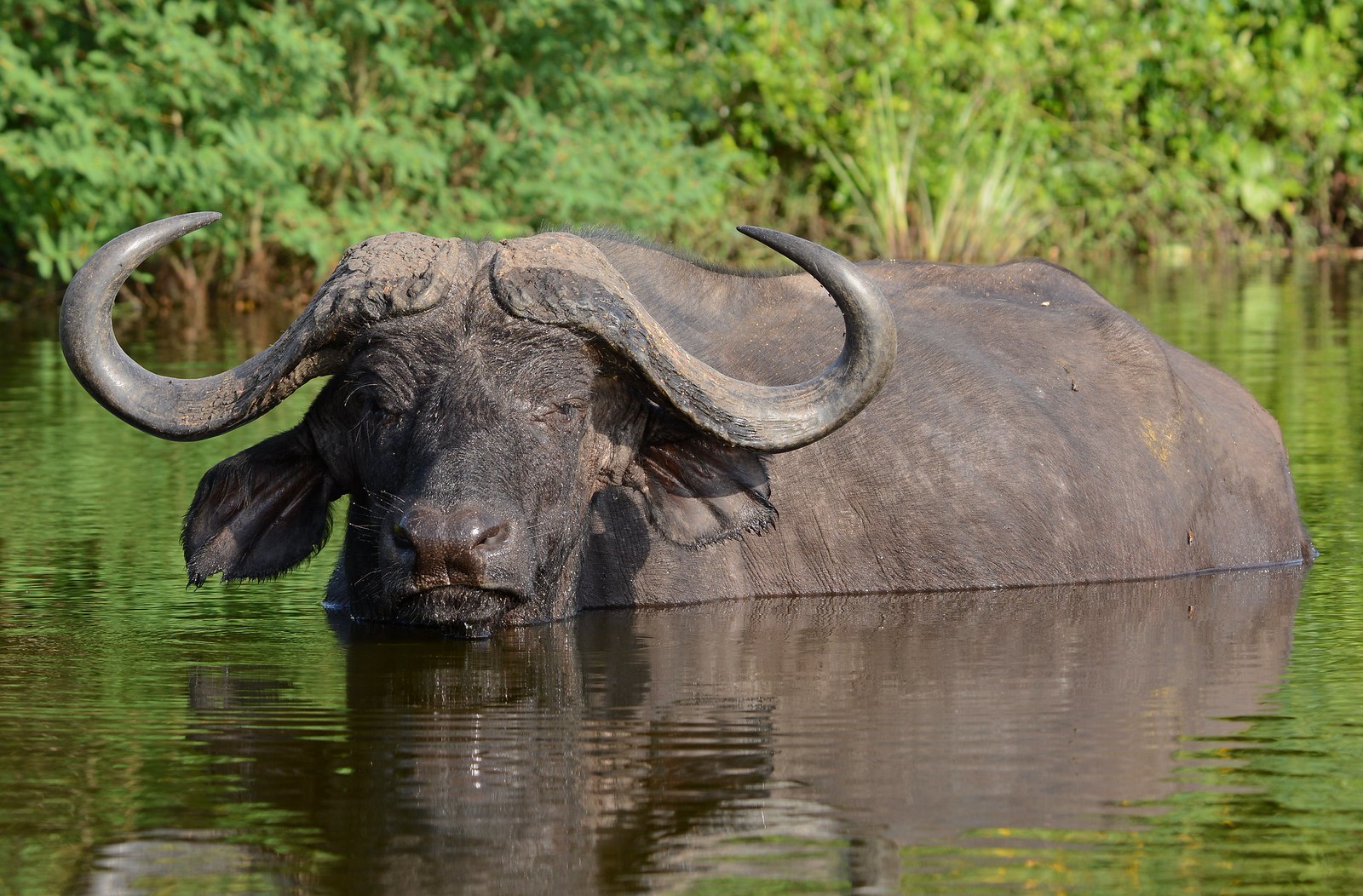
Buffalo herds in the Serengeti move across the ecosystem’s vast plains in numbers that can reach into the thousands, forming some of the largest concentrated Big Five sightings anywhere in East Africa, and given the park’s scale, watching a truly massive herd cross open grassland is a genuinely different experience from buffalo viewing in more compact parks.
Where to Find Buffalo in the Serengeti
Buffalo range widely across the Serengeti’s varied terrain, with particularly large concentrations in the western corridor and around permanent water sources like the Grumeti and Mara Rivers, where herds gather to drink and wallow throughout the day. The central Seronera area also holds strong resident populations, given its year-round water availability and rich grazing.
Herd Size: Why Serengeti Buffalo Numbers Feel Different
Unlike the more moderate herd sizes typical of smaller parks, Serengeti buffalo herds can genuinely number in the thousands during peak grazing conditions, a scale that reflects the sheer productivity and size of the wider ecosystem. Watching a herd of this size move across open plains, sometimes stretching to the horizon, is a visually striking experience distinct from buffalo sightings almost anywhere else in Africa.
Buffalo Herd Behaviour and Social Structure
Cape buffalo herds operate under a loose but genuine social structure, with older, experienced females often leading collective movement while dominant bulls compete for breeding access during specific periods. Herds provide real collective defence against predators, and watching a large group respond collectively to nearby lion activity offers genuine insight into buffalo’s reputation as one of Africa’s most formidable prey species.
Buffalo and Serengeti’s Lion Prides
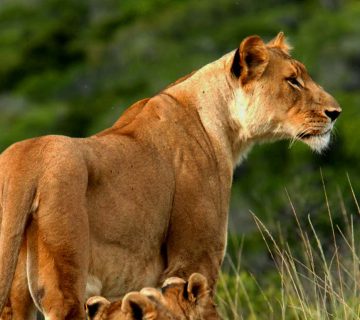
Buffalo form a significant part of the diet for the Serengeti’s large lion prides, and the two species’ dynamic has been documented in extraordinary detail by the long-running Serengeti Lion Project, one of the longest-running carnivore studies in the world. Watching a large buffalo herd’s collective response to nearby predator activity offers a genuine window into this well-studied relationship.
The Serengeti’s Full Big Five Picture
Buffalo is one of the Big Five species found across the Serengeti ecosystem, alongside lion and elephant, with leopard present in the park’s riverine forest and rhino considerably rarer here than at neighbouring Ngorongoro Crater.
Solitary Bulls: “Dagga Boys” in the Serengeti
Older male buffalo, often pushed out of the main herd as younger bulls take over breeding dominance, are frequently seen alone or in small bachelor groups across the Serengeti’s plains, earning the nickname “dagga boys” after the Zulu word for mud, given how often they’re found wallowing alone. These solitary bulls have a reputation among guides as some of the more unpredictable individual animals in the park, lacking the herd’s collective vigilance.
Best Time of Year for Buffalo Sightings
Buffalo are visible in the Serengeti year-round given their resident status, unlike the seasonally migratory wildebeest herds, though the dry season, roughly June to October, generally offers easier visibility as vegetation thins across the park’s grassland. This window also overlaps with the migration’s dramatic river crossings, making it the most popular time to visit for travelers wanting both experiences.
How the Serengeti Compares to Other Buffalo Destinations
Uganda’s Murchison Falls and Queen Elizabeth both offer strong buffalo sightings, but the Serengeti’s sheer scale gives it a genuine edge for travelers specifically seeking the visual spectacle of truly massive herds moving across open plains.
Self-Drive vs Guided Safaris for Buffalo Viewing
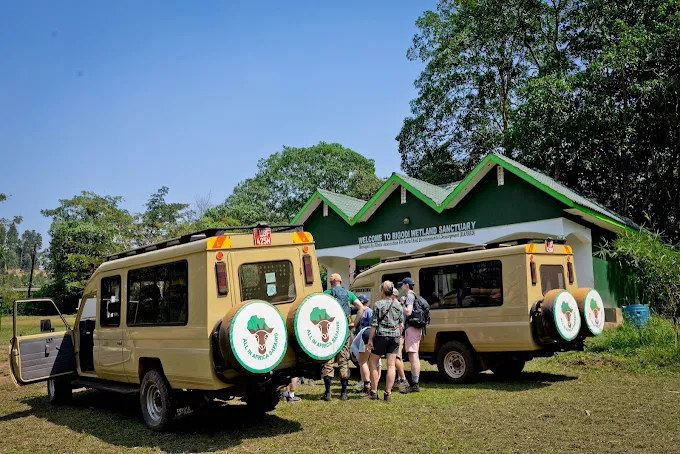
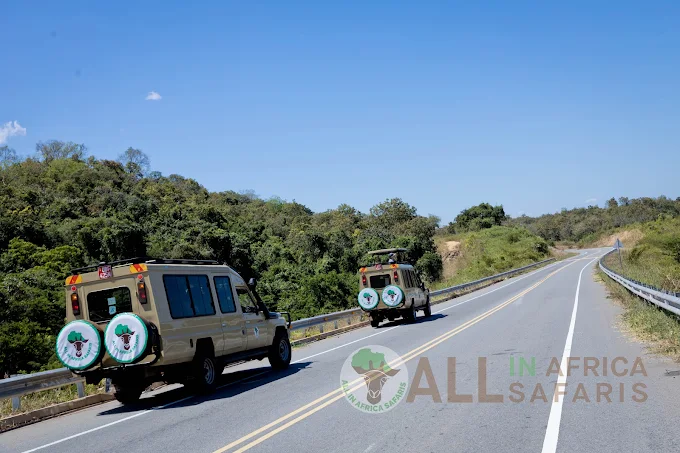
Given the Serengeti’s sheer size, a guided safari makes a genuine difference to how efficiently you locate the largest herds within a limited visit, since local knowledge of current herd movement across such a vast landscape is difficult to replicate independently. Most visitors book the Serengeti as part of a fully guided Northern Circuit itinerary.
Photographing Serengeti Buffalo
Large herds against the Serengeti’s open, golden grassland provide a genuinely classic safari backdrop for buffalo photography, particularly during the soft light of early morning or late afternoon game drives. A wider-angle lens is worth having on hand alongside standard telephoto gear specifically for capturing the scale of the park’s largest herds in a single frame.
What to Pack for a Serengeti Safari
Standard game drive gear – neutral clothing, sun protection, and binoculars – covers most of what the Serengeti requires, along with a warm layer for surprisingly cool early morning drives before the equatorial sun fully rises. If your wider East Africa itinerary includes gorilla trekking elsewhere, our gorilla trekking packing list covers that portion separately.
Buffalo as Africa’s Most Dangerous Big Five Species
Cape buffalo are frequently cited by professional guides as among the most dangerous Big Five species to encounter on foot, given their unpredictable temperament and willingness to charge when threatened or cornered, particularly solitary “dagga boy” bulls. This reputation is part of why walking activities involving buffalo territory always proceed under close guide supervision, unlike the more relaxed vehicle-based viewing typical of most Serengeti game drives.
Combining Buffalo Viewing With Ngorongoro Crater
Most Tanzania itineraries pair the Serengeti with Ngorongoro Crater, where a dense, resident buffalo population offers a more concentrated viewing experience within the crater’s contained floor. This pairing gives travelers both the Serengeti’s vast, open-plains buffalo experience and Ngorongoro’s more compact version in one trip.
Buffalo’s Role in the Serengeti Ecosystem
As one of the Serengeti’s most numerous large grazing herbivores alongside wildebeest and zebra, buffalo play a significant role in shaping the ecosystem’s grassland through consistent, heavy grazing pressure, influencing vegetation patterns that in turn affect where other species choose to feed. This ecological role, combined with buffalo’s importance as a major prey species for the park’s lion prides, makes them a genuinely central part of the Serengeti’s wider food web rather than simply another Big Five checklist item.
Buffalo Conservation Status in the Serengeti
The Serengeti’s buffalo population has remained comparatively stable and healthy relative to some of East Africa’s other large herbivores, partly because buffalo’s herd-based defence strategy and rapid breeding rate make them somewhat more resilient to historical poaching pressure than species like elephant and rhino faced. Today’s healthy population is part of why buffalo sightings feel so reliably consistent compared to some of the park’s rarer species.
Buffalo Behaviour During the Wildebeest Migration
While buffalo don’t migrate seasonally in the same dramatic fashion as wildebeest and zebra, their presence alongside the migration’s vast herds adds real depth to game drives during peak migration season, roughly July through October. Watching a buffalo herd move alongside or through a passing wildebeest column is a genuinely striking sight, part of the broader spectacle that makes the Serengeti’s peak season so popular.
Best Lodges for Buffalo Viewing
Properties positioned in the western corridor or along the Seronera area’s permanent water sources generally offer the most convenient access to the Serengeti’s strongest buffalo territory, cutting down on drive time before and after game drives. Discussing lodge location specifically with your operator, factoring in which sector best matches your wider wildlife priorities, is worth doing before finalising a Serengeti itinerary.
Getting to the Serengeti
Most visitors reach the Serengeti via a scenic domestic flight from Arusha or Kilimanjaro, given the considerable overland driving distance from Tanzania’s main entry points. Multiple airstrips within the park itself allow flexible positioning close to whichever sector, Seronera, the northern Mara River area, or the western corridor, best matches your specific buffalo-viewing and migration timing priorities.
Combining Buffalo Viewing With a Balloon Safari
Hot air balloon safaris, launched at dawn from several camps within the Serengeti, offer a genuinely different perspective on the park’s largest buffalo herds and wider landscape, drifting silently above the plains as the sun rises. The aerial view of a massive herd moving across open grassland is widely rated among visitors as one of the most memorable single experiences of an entire Tanzania safari.
Frequently Asked Questions
How large can Serengeti buffalo herds get?
Genuinely massive by East African standards, sometimes numbering in the thousands during peak grazing conditions, given the ecosystem’s sheer scale and productivity.
Are buffalo dangerous in the Serengeti?
As with buffalo anywhere, solitary bulls are considered genuinely unpredictable and potentially dangerous, particularly on foot, which is why guided supervision matters on any walking activity.
Is the Serengeti or Ngorongoro Crater better for buffalo viewing?
The Serengeti offers the visual spectacle of larger herds across open plains, while Ngorongoro provides a more compact, efficiently covered viewing experience within a single day.
What’s the best time of year to see buffalo in the Serengeti?
Buffalo are visible year-round, though the dry season, roughly June to October, offers easier visibility as vegetation thins across the park.
Can I see buffalo and the migration on the same drive?
Yes, particularly during peak migration season, when buffalo herds and moving wildebeest columns frequently overlap across the same central and western Serengeti terrain.
Ready to Plan Your Serengeti Safari?
Whether Serengeti buffalo, the wildebeest migration, or a full Big Five Northern Circuit itinerary is your priority, our team can build a Tanzania trip matched to your time, budget, and interests. Get in touch with our team below today and let’s start planning your safari together.

No comment