
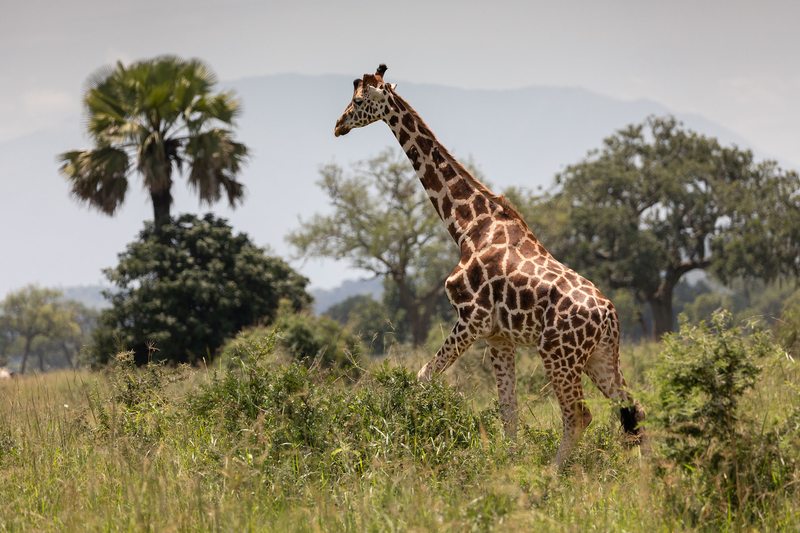
Kidepo Valley National Park sits in Uganda’s far northeastern corner, near the borders of South Sudan and Kenya, and it’s the country’s wildest, least-visited Big Five destination – a genuine wilderness experience where lion sightings feel considerably more untouched than in Uganda’s more accessible southern parks, and where you’re genuinely more likely to have a sighting entirely to yourself.
Why Kidepo Feels So Different From Uganda’s Other Parks
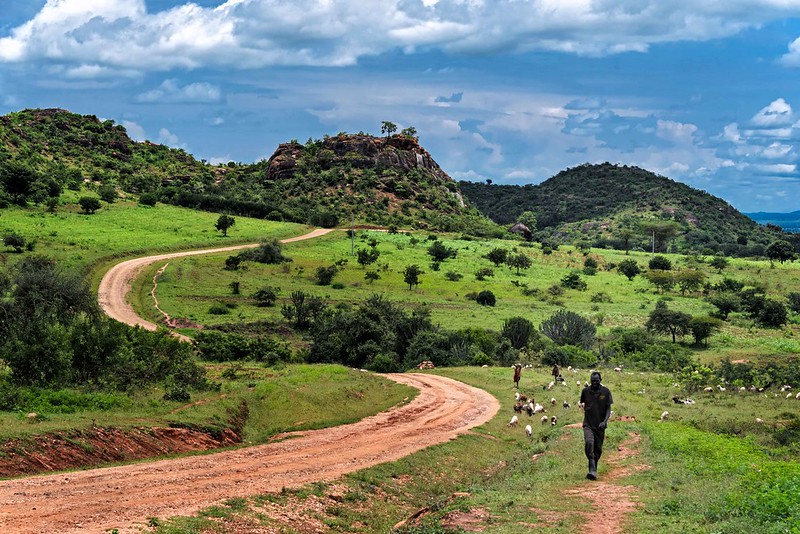
Kidepo’s remoteness – a full day’s drive from Kampala, or a short scenic flight – means it sees a fraction of the visitor numbers of Queen Elizabeth or Murchison Falls, giving sightings here a genuinely wild, low-traffic character rarely found elsewhere in the country. The park’s dramatic scenery, framed by the Morungole and Lonyili mountain ranges, adds a visual drama that sets it apart from Uganda’s flatter southern savannah parks too.
Where to Find Lions in Kidepo
Kidepo’s lion prides roam across the Narus Valley, the park’s main game-viewing area, where a permanent water source draws both predators and prey even through the driest months. Unlike Queen Elizabeth’s famous tree-climbing prides, Kidepo’s lions behave more conventionally, resting in shade during the heat of the day and becoming more active around dawn and dusk.
Kidepo’s Isolated Lion Population
Kidepo’s geographic isolation from Uganda’s other savanna parks means its lion population has developed largely independently, without the same connectivity to other prides that parks like Murchison Falls or Queen Elizabeth benefit from. This isolation makes ongoing genetic diversity a genuine conservation consideration researchers continue to monitor, though the population itself remains healthy and well-established within the park’s protected boundaries.
Kidepo’s Full Big Five Picture
Beyond lion, Kidepo holds strong elephant and buffalo populations, along with leopard in the park’s more wooded areas, though sightings of the latter are rarer here than in Uganda’s more visited parks simply due to lower overall visitor density and less accumulated local tracking knowledge. Rhino are not present in Kidepo, so a complete Big Five circuit still requires the separate trip to Ziwa Rhino Sanctuary much further south.
Species Found in Kidepo but Nowhere Else in Uganda
Kidepo’s dry, semi-arid savannah supports several species not found in Uganda’s other national parks, including cheetah, ostrich, and greater and lesser kudu, giving the park a genuinely distinct wildlife character beyond the standard Big Five checklist. This ecological overlap with Kenya’s drier northern landscapes, rather than Uganda’s typically wetter parks, is part of what makes Kidepo feel like a genuinely different country in miniature.
Best Time of Year to Visit Kidepo
The dry season, roughly September to March, offers the strongest wildlife viewing as animals concentrate around the Narus Valley’s permanent water, while the shorter wet season from April to August brings lush scenery but more dispersed, harder-to-predict sightings. Given the park’s remoteness, most visitors plan around the dry season specifically to maximise the value of the considerable travel time required to reach it.
Getting to Kidepo Valley National Park
The overland drive from Kampala takes a full day or more given the distance and road conditions in Uganda’s remote northeast, which is why most visitors choose a scenic domestic flight instead, cutting travel time to under two hours. This flight option is genuinely worth the added cost for most itineraries, given how much of a multi-day trip overland driving alone would otherwise consume, freeing up that extra time for additional game drives once you actually arrive in the park.
How Kidepo Compares to Murchison Falls and Queen Elizabeth
Both Murchison Falls and Queen Elizabeth offer easier access and generally higher wildlife density given their larger visitor infrastructure and more established road networks, while Kidepo trades that convenience for genuine wilderness and dramatically lower visitor numbers. Many Uganda itineraries treat Kidepo as an add-on for travelers with extra time and a specific interest in a more remote, less-touristed experience rather than a first-park choice.
Self-Drive vs Guided Safaris in Kidepo
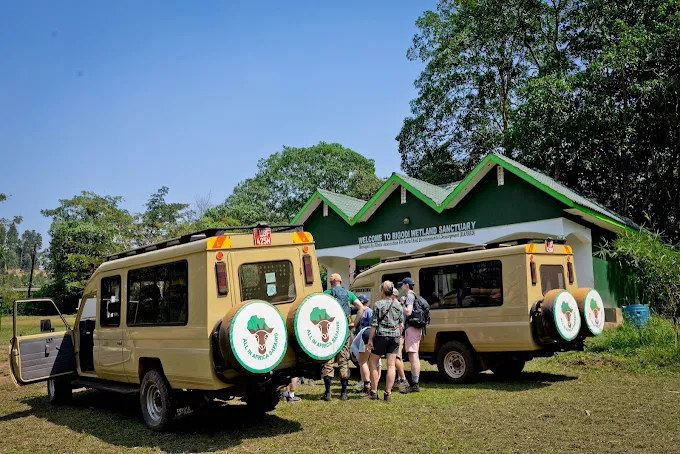
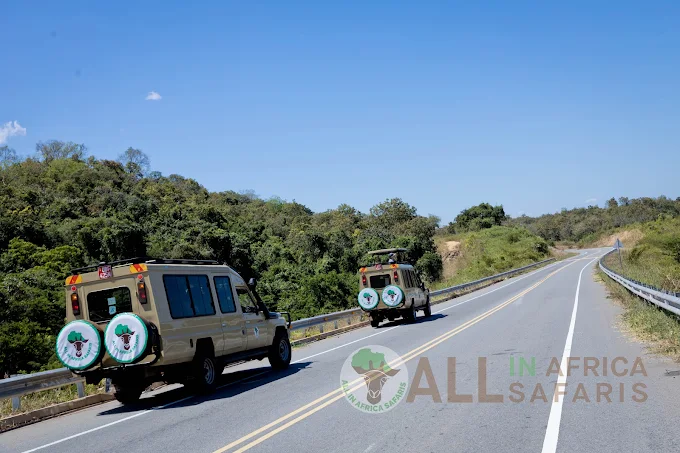
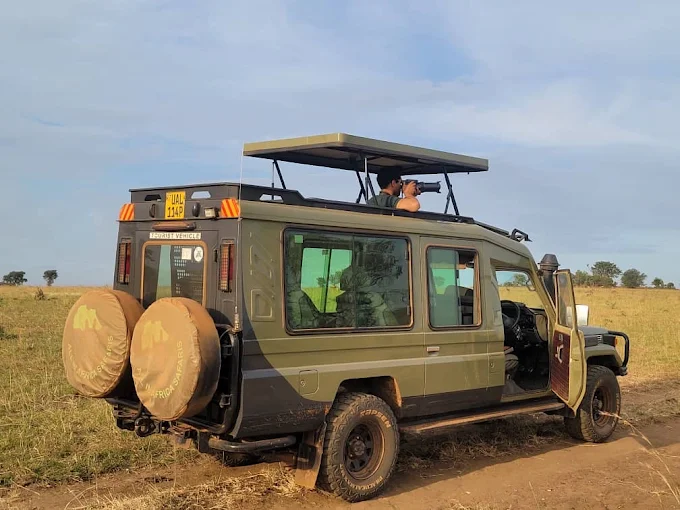
Given Kidepo’s remoteness and less developed road network compared to Uganda’s southern parks, a guided safari is genuinely advisable here rather than optional, since local knowledge of both wildlife movement and the park’s more challenging terrain adds real safety and efficiency value. Most visitors arrive as part of a fully guided itinerary rather than attempting the logistics independently.
Photographing Kidepo’s Lions and Landscape
Kidepo’s dramatic mountain backdrop adds genuine visual interest beyond the wildlife itself, and a wider-angle lens is worth having on hand alongside standard telephoto gear for capturing the Narus Valley’s sweeping scenery alongside closer wildlife shots. Early morning light against the surrounding mountain ranges produces some of the most striking landscape photography available anywhere in Uganda.
What to Pack for a Kidepo Safari
Standard game drive gear applies, though given the park’s remoteness, packing slightly more redundancy – extra water, sun protection, and any personal medication – is sensible given the greater distance from major towns and services. If your wider Uganda itinerary includes gorilla trekking, our gorilla trekking packing list covers that portion separately.
Kidepo’s Karamojong Communities
The Karamoja region surrounding Kidepo is home to the Karamojong people, semi-nomadic cattle herders whose traditional way of life has changed relatively little compared to more heavily developed parts of Uganda, offering genuine cultural encounters alongside the park’s wildlife. Community visits arranged through the park give travelers insight into a distinctly different Ugandan culture from the more commonly visited Buganda and southwestern communities near Bwindi and Queen Elizabeth.
Night Game Drives in Kidepo
Where available through park-affiliated lodges, night game drives in Kidepo offer a genuinely different perspective on the Narus Valley’s wildlife, since lions and other predators become considerably more active after dark. Given how few vehicles operate in Kidepo even during daylight hours, a night drive here can feel remarkably exclusive compared to more heavily visited parks further south.
Bird Watching in Kidepo
Kidepo holds an impressive bird list for its size, including several species found nowhere else in Uganda thanks to its drier, more semi-arid habitat overlapping with East Africa’s wider dryland bird communities. Serious birders often rank a Kidepo visit highly specifically for this reason, adding genuine value beyond the park’s Big Five wildlife for travelers with a dedicated birding interest.
Combining Kidepo With Sipi Falls
Many itineraries pair a Kidepo safari with a stop at Sipi Falls, a scenic waterfall region in eastern Uganda roughly on the route back toward Kampala, breaking up the long overland journey with a genuinely worthwhile scenic and cultural stop. This combination lets travelers experience both Kidepo’s wilderness and a completely different side of Uganda’s eastern landscape within a single extended trip.
Frequently Asked Questions
Is Kidepo worth the extra travel time?
For travelers who value genuine wilderness and low visitor density over convenience, yes – Kidepo consistently ranks among the most memorable parks for repeat Uganda visitors specifically because of how different it feels from the country’s more accessible southern parks.
Can I fly to Kidepo instead of driving?
Yes, scenic domestic flights are available and widely used, cutting travel time from a full day’s drive to under two hours, and most operators recommend this option given the distance involved.
Does Kidepo have the same tree-climbing lions as Queen Elizabeth?
No, that specific behaviour is unique to Queen Elizabeth’s Ishasha sector and one other population elsewhere in Africa – Kidepo’s lions behave more conventionally, resting on the ground rather than in trees.
How does Kidepo compare to the rest of Uganda’s Big Five parks?
Kidepo offers the wildest, least developed experience of Uganda’s savanna parks, trading the higher wildlife density and easier access of Murchison Falls and Queen Elizabeth for genuine remoteness and considerably lower visitor numbers.
Can I combine Kidepo with gorilla trekking on the same trip?
Technically yes, but the combination requires extensive travel time given Kidepo’s position in the far northeast versus Bwindi’s location in the southwest – see our gorilla trekking FAQ for how most travelers instead pair gorilla trekking with Uganda’s more centrally located parks.
Is Kidepo suitable for a first-time Uganda visitor?
It can be, though many travelers prefer starting with Uganda’s more accessible parks and adding Kidepo on a return visit once they’re already familiar with the country’s general safari logistics.
Wildlife Density vs Genuine Wilderness: Setting Expectations
First-time Kidepo visitors sometimes arrive expecting the same rapid-fire sightings common in the Masai Mara or Serengeti, and it’s worth setting realistic expectations before travelling – Kidepo’s reward is the quality and exclusivity of each sighting, and the genuine sense of untouched wilderness, rather than sheer volume of animals seen per hour. Guides who work the park regularly are usually upfront about this trade-off, and most visitors who go in with the right expectations come away considering it one of the most memorable parks they’ve visited anywhere in Africa.
Ready to Plan Your Kidepo Safari?
Whether Kidepo’s genuine wilderness, its lion prides, or a combination with Uganda’s more accessible southern parks is your priority, our team can build an itinerary matched to your interests and timeframe. Get in touch with our team below today and let’s start planning your Uganda safari together.

No comment