




How Do Lions Recognize Their Own Cubs?
Lionesses genuinely recognise their own cubs primarily through scent and individual vocalisation rather than visual identification alone, a combination of sensory cues that becomes especially critical within a pride’s communal cub-rearing system, where multiple related lionesses nurse and care for cubs collectively, sometimes making visual identification alone genuinely unreliable.
Why Scent Genuinely Serves as the Primary Recognition Tool
A lioness genuinely relies heavily on scent to identify her own cubs, with mother and offspring exchanging scent through close physical contact, nuzzling, licking, and shared resting positions, from birth onward, meaning a cub’s individual scent signature becomes genuinely familiar to its mother through repeated close contact rather than any instinctive visual template alone, a recognition system considerably more robust in low-light or crowded pride conditions than visual identification could reliably provide.
How Individual Vocalisation Genuinely Adds a Second Recognition Layer
Beyond scent, lion cubs genuinely produce distinctive individual vocalisations, particularly during distress or when separated from the pride, and researchers studying lion communication believe mothers can genuinely distinguish their own cub’s specific call from other cubs’ calls within the same pride, a recognition capability that becomes especially valuable when a cub is out of visual and scent range but still within hearing distance during moments of separation or danger.
Why Communal Nursing Genuinely Complicates Simple Maternal Recognition
Because pride lionesses genuinely practice communal nursing, with a mother sometimes nursing cubs that aren’t biologically her own alongside her own offspring, the recognition system genuinely can’t rely purely on rejecting unfamiliar cubs outright, meaning lionesses genuinely tolerate some degree of cross-nursing within the pride’s related female group while still maintaining specific individual bonds and heightened protective attention toward their own biological cubs specifically.
How Cub Recognition Genuinely Develops Over the First Weeks of Life
Immediately after birth, a mother genuinely keeps newborn cubs isolated from the wider pride for several weeks in a hidden den location, a period researchers believe is genuinely critical for establishing the strong scent-based bond before cubs are eventually introduced to the broader pride environment, meaning early isolation isn’t purely about predator protection but also serves this genuine bonding and recognition-establishment function.
Why Genetic Relatedness Within a Pride Genuinely Makes Shared Care More Viable
Because pride lionesses are typically genuinely closely related, sisters, cousins, or a mother and her adult daughters, communal cub care genuinely carries less evolutionary cost than it would among unrelated individuals, since a lioness nursing a related cub still genuinely passes on shared genetic material indirectly, meaning the pride’s kinship structure makes the somewhat blurred individual recognition system genuinely viable in a way it likely wouldn’t be among unrelated females.
How Cubs Themselves Genuinely Learn to Recognise Their Own Mother
Recognition genuinely works both directions, with cubs also learning to identify their specific mother through scent and vocalisation from an early age, and researchers have observed cubs genuinely showing clear preference for their own mother’s nursing position and protective attention even within a communal nursing setting, suggesting the bond, while somewhat flexible at the pride level, genuinely remains individually specific at the level of each mother-cub pair.
Where to Observe Lion Cub-Rearing Behaviour in East Africa
Well-studied prides with observable cub-rearing behaviour are genuinely reliable to see across the Serengeti-Mara ecosystem and Queen Elizabeth National Park.
Best Time of Year for Lion Cub Viewing
Lions are visible year-round given resident pride territories, and cub sightings depend more on a specific pride’s breeding timing than any predictable seasonal pattern. See our regional best-time guide for how seasonal patterns generally affect wider game viewing.
Photographing Lion Cub-Rearing Behaviour
Capturing nuzzling, nursing, or a mother’s protective positioning around cubs offers genuinely rich behavioural photography beyond a standard resting pride portrait. See our camera gear guide for broader equipment recommendations.
What to Pack for Predator-Focused Game Drives
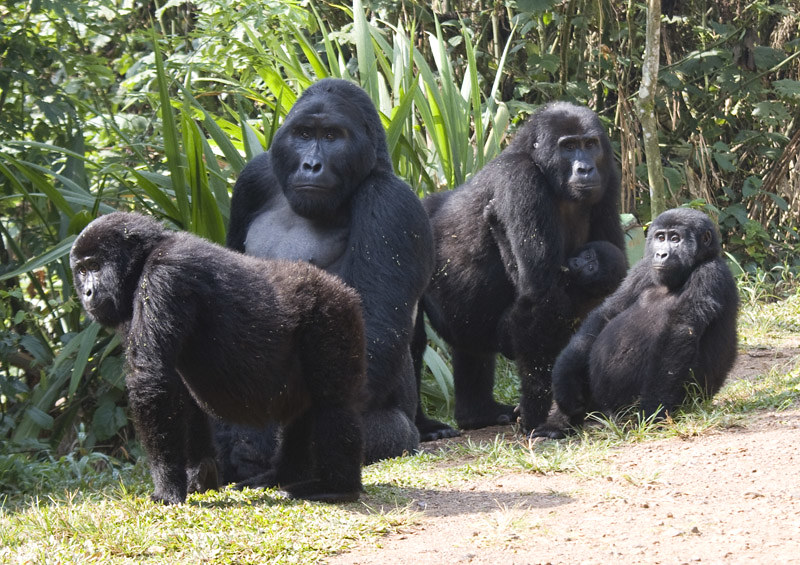
Standard game drive gear – neutral clothing, sun protection, and binoculars – covers most of what pride viewing requires. If your wider itinerary includes gorilla trekking, our gorilla trekking packing list covers that portion separately.
Why New Males Taking Over a Pride Pose a Genuine Threat to Unfamiliar Cubs
When a new coalition of males successfully takes over a pride, they genuinely pose a real infanticide risk to existing cubs, since killing unrelated offspring brings resident females back into fertility considerably faster, meaning the same recognition principles that let lionesses distinguish their own cubs work in reverse for incoming males, who can genuinely identify cubs as unrelated to themselves and act accordingly, a genuinely brutal but well-documented aspect of lion reproductive strategy.
How Mothers Genuinely Attempt to Protect Cubs From This Infanticide Risk
Lionesses facing a pride takeover genuinely attempt various protective strategies including hiding cubs, actively defending against incoming males, or in some cases temporarily leaving the pride entirely with cubs in tow, behavioural responses that reflect just how seriously females treat the genuine threat new males pose to offspring they didn’t father, underscoring how much individual cub recognition and protection matters beyond simple day-to-day nursing and care.
Why Cub Play Behaviour Genuinely Helps Reinforce Sibling and Cousin Bonds
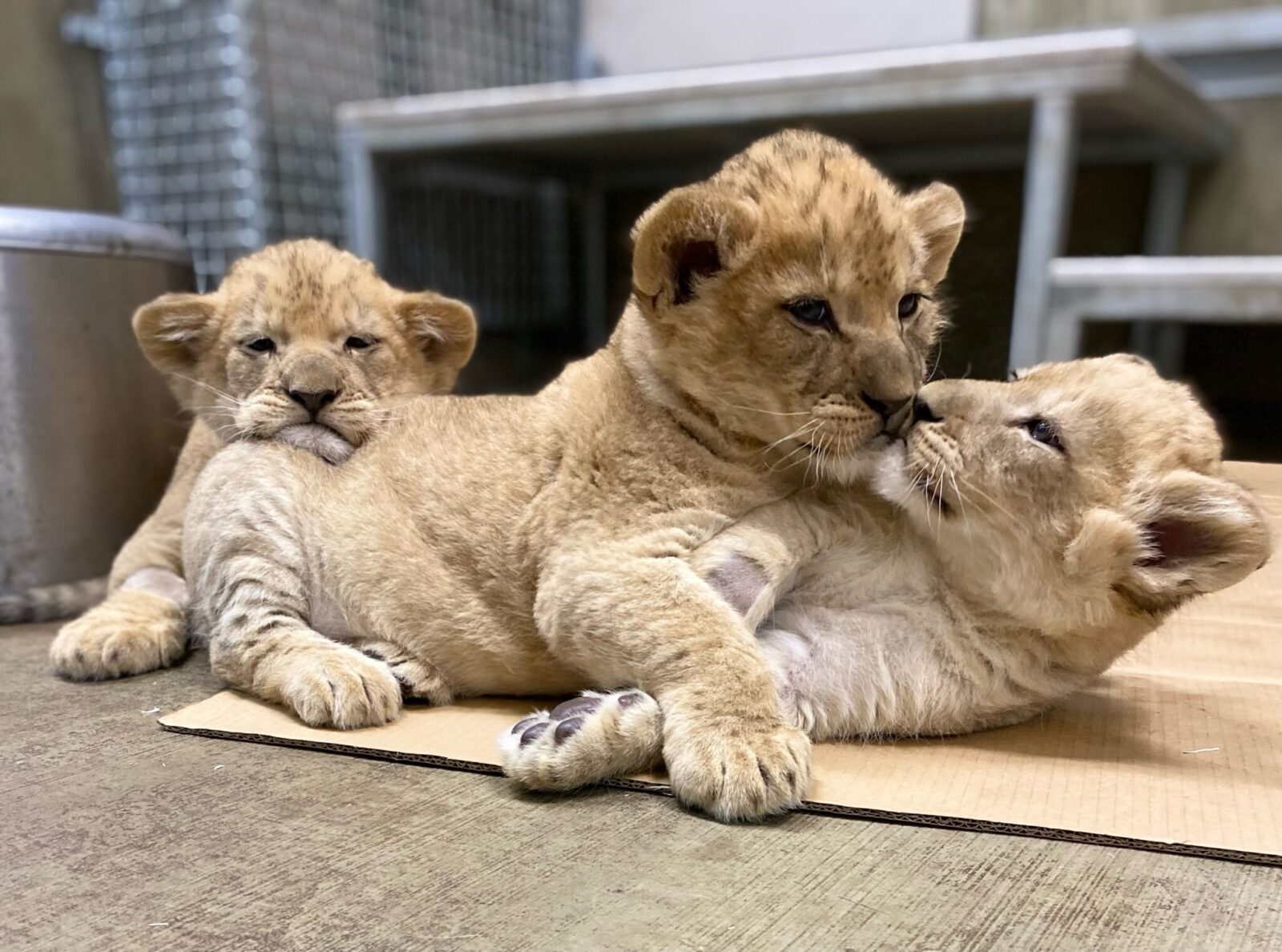
Beyond mother-cub recognition specifically, cubs within the same age cohort genuinely engage in considerable play behaviour that researchers believe helps establish and reinforce recognition and bonds among the wider group of related cubs growing up together, a social foundation that becomes genuinely important later when these same individuals may need to cooperate as adult pride members or coalition partners.
Comparing Lion Cub Recognition to Elephant Family Recognition Systems
Much like elephant matriarchs genuinely distinguish between related and unrelated family groups through vocalisation and scent, lion cub recognition relies on a broadly similar combination of chemical and auditory cues, though applied at the more intimate scale of individual mother-cub bonds rather than entire family group recognition, showing how consistently scent and sound-based identification systems appear across East Africa’s socially complex mammal species.
Why Guides Value Explaining This Recognition System to Visitors
Given how easy it is to assume all pride cubs simply belong equally to every lioness present, experienced guides genuinely value explaining the specific individual bonds and recognition system underlying what might otherwise look like undifferentiated communal care.
Combining Lion Cub Viewing With a Wider Pride Social Structure Circuit
Lion cub-rearing observation pairs naturally with broader pride social structure viewing, giving travelers genuine insight into East Africa’s most socially complex big cat species.
Why This Recognition System Reflects a Genuine Evolutionary Trade-Off
Researchers studying communal cub care view the somewhat blurred pride-level recognition system as a genuine evolutionary trade-off, since the cooperative nursing and defence benefits gained from raising cubs communally within a related female group genuinely outweigh the reduced certainty each individual mother has about resource allocation compared to a purely solitary parenting model, similar in underlying logic to the trade-offs shaping hyena clan communal cub-rearing at their shared den sites.
How Age Genuinely Affects the Strength of Individual Recognition
Recognition accuracy genuinely improves as cubs age and their individual scent and vocal signatures become more distinct and consistent, meaning very young cubs are somewhat harder for a mother to reliably distinguish purely by scent alone compared to older cubs several months into development, a pattern that likely explains why the earliest weeks of isolated den care genuinely matter so considerably for establishing the initial bond before broader pride integration eventually begins.
Why This System Genuinely Matters More in Larger Prides
Larger prides with several breeding females and correspondingly more cubs present at once genuinely place greater demand on the recognition system than smaller prides with only one or two mothers, meaning the scent and vocal recognition mechanisms researchers have documented likely face their most genuine practical test within the largest, most prey-rich pride territories, where the sheer number of cubs and mothers present simultaneously creates the greatest potential for confusion absent a genuinely reliable identification system in place.
Why Researchers Continue Actively Studying This Recognition System
Because directly testing scent and vocal recognition in wild lion populations genuinely presents considerable practical difficulty, much of what researchers currently understand comes from careful behavioural observation rather than controlled experimentation, meaning ongoing field research continues refining and sometimes revising specific details of exactly how strong and reliable individual cub recognition genuinely is across different pride sizes and conditions.
Frequently Asked Questions
How do lionesses recognise their own cubs?
Primarily through scent developed via close physical contact, along with distinctive individual vocalisations they can distinguish from other cubs.
Do lionesses nurse cubs that aren’t their own?
Yes, genuinely so – communal nursing among related pride females is common, though mothers still maintain heightened attention toward their own cubs.
Why do mothers isolate newborn cubs for the first few weeks?
Beyond predator protection, this period is believed critical for establishing the strong scent-based bond before cubs join the wider pride.
Why do new males pose a threat to existing cubs?
Incoming males can identify cubs as unrelated to themselves, and killing them brings resident females back into fertility faster.
Where can I see lion cub-rearing behaviour on safari?
The Serengeti-Mara ecosystem and Queen Elizabeth National Park both offer strong, well-studied resident pride populations.
Ready to Plan Your East Africa Safari?
Whether observing lion pride behaviour firsthand, wider predator viewing, or a full East Africa itinerary is your priority, our team can build a trip matched to your interests. Get in touch with our team below today and let’s start planning your complete safari itinerary together.





No comment