





How Do Crowned Cranes Perform Their Dance?
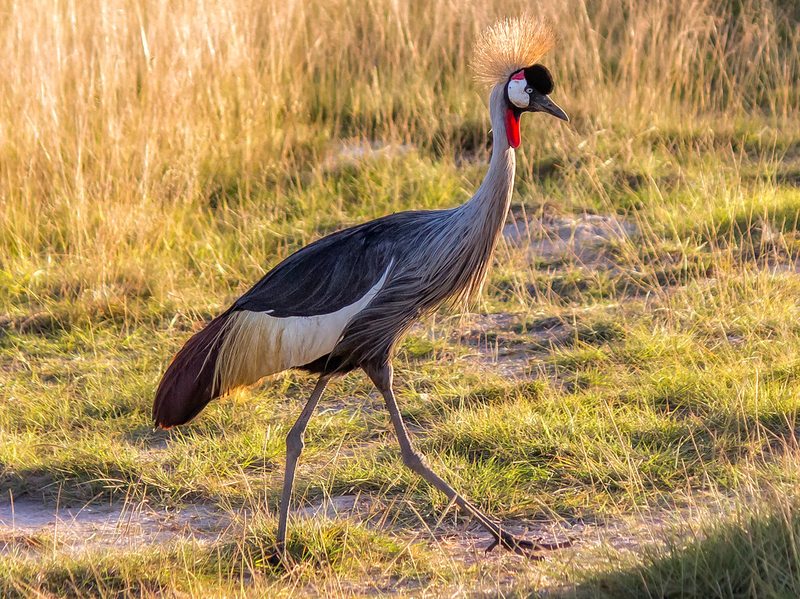
Uganda’s grey crowned crane, the country’s national bird, genuinely performs one of Africa’s most elaborate courtship displays, a coordinated sequence of bowing, leaping, wing-flapping, and calling that both strengthens an established pair bond and serves as a genuine fitness display during mate selection, making it one of the most visually striking bird behaviours documented on the continent.
Why the Dance Genuinely Serves Two Distinct Social Functions
Crowned crane dancing genuinely serves both as a courtship display between potential mates and as an ongoing pair-bonding ritual between already established partners, meaning the behaviour isn’t limited purely to the mate-selection period but continues periodically throughout a pair’s relationship, functioning as a genuine relationship-maintenance behaviour rather than a one-time competitive display used solely to attract an initial partner.
How the Dance Sequence Genuinely Unfolds Step by Step
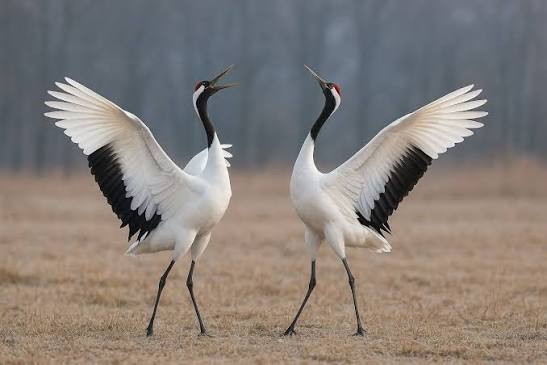
A typical crowned crane dance genuinely involves a coordinated sequence of movements, beginning with a deep bow, followed by rhythmic head-bobbing, leaping jumps sometimes exceeding a metre into the air, and considerable wing-flapping, all frequently accompanied by the species’ distinctive booming call, and researchers observing the behaviour have found individual dances genuinely vary in intensity and duration, with more elaborate, sustained performances typically associated with stronger, more established pair bonds.
Why the Distinctive Golden Crest Genuinely Enhances the Visual Display
The crowned crane’s genuinely striking golden crest of stiff feathers, the feature giving the species its common name, becomes considerably more visually prominent during dancing, with the bird’s head movements and jumps genuinely designed to display this distinctive crown to maximum visual effect, meaning the crest functions as more than passive decoration, serving as an active, deliberately showcased component of the overall courtship display.
How Both Sexes Genuinely Participate Rather Than Just One Performing
Unlike many bird courtship displays where primarily the male performs for an evaluating female, crowned crane dancing genuinely involves both partners participating actively and simultaneously, a mutual display that researchers believe reflects the species’ broader pattern of shared parental investment and long-term pair bonding, since both partners genuinely contribute equally to raising offspring rather than one sex bearing disproportionate reproductive responsibility.
Why Young Cranes Genuinely Practice Dancing Before Reaching Breeding Age
Juvenile crowned cranes genuinely begin practising dance movements well before reaching sexual maturity, often engaging in playful bouts of jumping and wing-flapping considerably less coordinated than adult performances, a developmental behaviour researchers believe helps young birds refine the physical coordination and stamina needed for genuinely effective adult courtship display once breeding age eventually arrives.
How Group Dancing Genuinely Differs From Paired Courtship Display
Beyond paired courtship, crowned cranes genuinely sometimes engage in group dancing involving several birds simultaneously, a behaviour researchers believe may serve a broader social bonding function within a wider flock or family group, distinct from the specifically paired, reproduction-focused dancing between an established or forming mating pair, adding a genuinely additional social dimension beyond pure courtship to the species’ overall dancing repertoire.
Where to Observe Crowned Crane Dancing in Uganda
Crowned cranes are genuinely widespread across Uganda’s wetland and grassland habitat, including areas around Murchison Falls National Park and Lake Mburo’s open grassland margins, offering genuine opportunities to observe dancing behaviour, particularly during the species’ breeding season.
Best Time of Year for Crowned Crane Dance Observation
Breeding season genuinely offers the highest likelihood of observing full courtship dancing, though pair-bonding displays can occur outside this window too. See our Uganda best-time guide for how the country’s broader seasons shape wider trip planning.
Photographing Crowned Crane Dancing
Capturing a crane mid-leap with wings fully spread and crest displayed offers genuinely one of Uganda’s most dynamic bird photography opportunities. See our camera gear guide for broader equipment recommendations.
What to Pack for Wetland Birding
Standard game drive gear – neutral clothing, sun protection, and binoculars – covers most of what wetland birding requires. If your wider itinerary includes gorilla trekking, our gorilla trekking packing list covers that portion separately.
Why the Crowned Crane’s National Bird Status Genuinely Reflects Cultural Significance
Beyond its striking appearance, Uganda’s designation of the grey crowned crane as national bird genuinely reflects the species’ considerable cultural significance, appearing on the national flag and coat of arms, a status that has helped drive genuine conservation attention and legal protection for a species that, despite this prominent cultural role, has faced measurable population decline in recent decades due to wetland habitat loss.
How Habitat Loss Genuinely Threatens This Dancing Behaviour’s Future
Crowned cranes genuinely depend on wetland habitat for both feeding and breeding, and considerable wetland drainage for agricultural expansion across parts of Uganda has genuinely reduced suitable habitat, a conservation concern that directly threatens not just population numbers but the opportunity for this remarkable dancing behaviour to continue being observed by future generations of visitors and researchers alike.
Why Vocal Calling Genuinely Accompanies the Physical Dance Movements
The crowned crane’s distinctive resonant booming call, produced using an unusually elongated windpipe that loops within the bird’s chest cavity, genuinely accompanies much of the dance sequence, adding an auditory dimension to the visual display that researchers believe helps synchronise movement between dancing partners and broadcasts the pair’s bonded status to other nearby cranes.
Comparing Crowned Crane Dancing to Other East African Bird Displays
While many bird species across East Africa perform some form of courtship display, few match the crowned crane’s combination of physical athleticism, vocal accompaniment, and mutual dual-partner participation, making the species’ dance genuinely one of the most elaborate and visually complete bird courtship rituals documented across the region.
Why Guides Value Explaining This Behaviour to Visitors
Given how visually striking but easily misunderstood the behaviour can appear to first-time observers, experienced guides genuinely value explaining the dual courtship and pair-bonding function behind crowned crane dancing, adding real appreciation for Uganda’s national bird beyond simply admiring its distinctive golden crest and considerable overall visual presence.
Combining Crowned Crane Viewing With Wider Wetland Birding
Crowned crane dance observation pairs naturally with wider wetland birding activities, since the same habitat supporting cranes typically hosts considerable additional birdlife within the same outing, including marabou storks and various other wetland-associated species sharing the same open grassland margins nearby.
Why Crowned Crane Pair Bonds Genuinely Persist for Multiple Breeding Seasons
Once established, a crowned crane pair bond genuinely tends to persist across multiple consecutive breeding seasons rather than being renegotiated annually, with the periodic dancing behaviour functioning as ongoing bond reinforcement throughout this extended partnership, a pattern of relationship stability that researchers believe contributes to the species’ generally successful breeding outcomes compared to species that must re-establish pair bonds from scratch each season.
How Dancing Behaviour Genuinely Differs Between Wild and Captive Populations
Researchers comparing wild and captive crowned crane populations have found the dance sequence genuinely remains largely consistent between the two settings, suggesting the behaviour is genuinely deeply instinctive rather than requiring specific environmental triggers only present in wild habitat, though captive individuals sometimes display somewhat reduced intensity or frequency, likely reflecting the absence of genuine competitive pressure from rival potential mates that wild populations regularly experience.
Why This Behaviour Compares Interestingly to Other African Courtship Displays
Unlike the male-dominated courtship displays documented in species such as lion mane signalling, where a single visible trait does most of the fitness-communication work, crowned crane courtship genuinely relies on an extended, mutual, multi-stage performance requiring active coordination and stamina from both partners, a considerably more physically demanding and reciprocal display strategy than the more passive trait-based signalling many mammal species rely on instead.
How Wetland Conservation Efforts Genuinely Aim to Protect This Behaviour Long-Term
Conservation organisations working to protect Uganda’s remaining wetland habitat increasingly frame crowned crane protection specifically around preserving the conditions that allow this dancing behaviour to continue, since habitat quality directly affects breeding success rates, meaning wetland conservation efforts genuinely serve a dual purpose, protecting both the species’ population numbers and the specific cultural and ecological significance tied to observable behaviours like Uganda’s other conservation priorities across the country’s protected wetland network.
Why Dance Timing Genuinely Varies Throughout the Day
Crowned cranes genuinely tend to perform their most elaborate dancing during cooler early morning and late afternoon hours, avoiding the physically demanding leaping and wing-flapping sequence during the hottest midday period when energy conservation becomes more genuinely important, a scheduling pattern that gives visitors a practical window for timing observation attempts around the reserve’s daily temperature cycle.
Frequently Asked Questions
Why do crowned cranes dance?
Both to attract a mate and to maintain the bond within an already established pair, functioning as courtship and relationship-maintenance behaviour combined.
Do both male and female cranes dance together?
Yes, genuinely so – unlike many bird species, both partners participate actively and simultaneously in the display.
What movements make up a typical crane dance?
A deep bow, rhythmic head-bobbing, leaping jumps, and considerable wing-flapping, often accompanied by the species’ distinctive booming call.
Do young cranes practice dancing before adulthood?
Yes – juveniles begin practising less coordinated versions of the display well before reaching breeding age.
Where can I see crowned cranes dancing in Uganda?
Wetland and grassland habitat around Murchison Falls National Park offers genuine opportunities, particularly during breeding season.
Ready to Plan Your Uganda Safari?
Whether observing crowned crane behaviour firsthand, wider wetland birding, or a full Uganda itinerary is your priority, our team can build a trip matched to your interests. Get in touch with our team below today and let’s start planning your complete Uganda safari itinerary together.


No comment