
A giraffe’s tongue is genuinely dark bluish-purple in colour and remarkably tough, adaptations that let the species browse extensively on thorny acacia trees, the giraffe’s primary food source, without suffering the sun damage or physical injury that feeding on such genuinely sharp, thorn-covered vegetation would otherwise inflict.
Why the Tongue’s Dark Colouring Genuinely Provides Real Sun Protection
Researchers studying giraffe feeding behaviour believe the tongue’s genuinely dark pigmentation functions much like natural sunscreen, protecting the tissue from sun damage during the extended periods a giraffe’s tongue remains exposed while wrapping around and stripping leaves from acacia branches, meaning the colouring genuinely serves a real protective function directly tied to how much time the tongue spends extended and exposed compared to most other mammals’ considerably more sheltered tongue use.
How Considerable Tongue Toughness Genuinely Allows Safe Handling of Sharp Acacia Thorns
Acacia trees, the giraffe’s primary food source across much of its range, genuinely bear considerable thorn density specifically as a defence against browsing herbivores, and a giraffe’s tongue genuinely possesses a thickened, leathery surface texture tough enough to manipulate around and between these thorns without sustaining injury, meaning tongue toughness genuinely represents a direct evolutionary counter-adaptation to the specific plant defence the species’ primary food source relies on.
Why the Tongue’s Considerable Length Genuinely Adds Further Functional Advantage
Beyond toughness and colouring, a giraffe’s tongue genuinely measures remarkably long, sometimes reaching or exceeding 45 centimetres, a length that lets the animal reach and manipulate leaves considerably deeper within a thorny branch structure than a shorter tongue could access, meaning the tongue’s combined length and toughness genuinely work together to maximise safe feeding efficiency around the acacia’s defensive thorns.
How Prehensile Tongue Movement Genuinely Enables Precise Leaf Stripping
A giraffe’s tongue is genuinely prehensile, meaning it can wrap and curl around branches with real precision, and this dexterity, combined with the animal’s considerable neck reach, genuinely allows the giraffe to strip leaves from a branch while carefully avoiding directly grasping the thorns themselves, a feeding technique that requires genuinely coordinated tongue, lip, and neck movement working together rather than any single adaptation managing the task alone.
Why Thick, Sticky Saliva Genuinely Adds a Further Protective Layer
Beyond the tongue itself, giraffes genuinely produce notably thick, viscous saliva that researchers believe provides additional protection when swallowing thorny plant material, coating any accidentally ingested thorn fragments and reducing the risk of internal injury during digestion, meaning the species’ overall thorny-diet adaptation genuinely extends beyond the tongue and mouth into the digestive process as well.
How This Feeding Specialisation Genuinely Reduces Competition With Other Herbivores
Because most other African herbivores genuinely lack the tongue toughness and reach needed to safely and efficiently browse deep within thorny acacia canopy, giraffes genuinely access a food source largely unavailable to considerably more competition than open grassland species face, meaning this specific feeding adaptation genuinely carves out a relatively exclusive dietary niche within the broader savannah herbivore community.
Where to Observe Giraffe Feeding Behaviour in East Africa
Giraffes actively browsing acacia trees, offering genuine close-range viewing of tongue and feeding technique, are reliable to observe across Murchison Falls National Park and the broader Serengeti-Mara ecosystem.
Best Time of Year for Giraffe Feeding Behaviour Viewing
Giraffes are visible year-round given resident populations, with feeding behaviour observable throughout the day. See our regional best-time guide for how seasonal patterns generally affect wider game viewing.
Photographing Giraffe Tongue and Feeding Behaviour
Capturing the tongue’s distinctive dark colouring as it wraps around acacia branches offers genuinely interesting close-range photography beyond a standard grazing portrait. See our camera gear guide for broader equipment recommendations.
What to Pack for Giraffe-Focused Game Drives
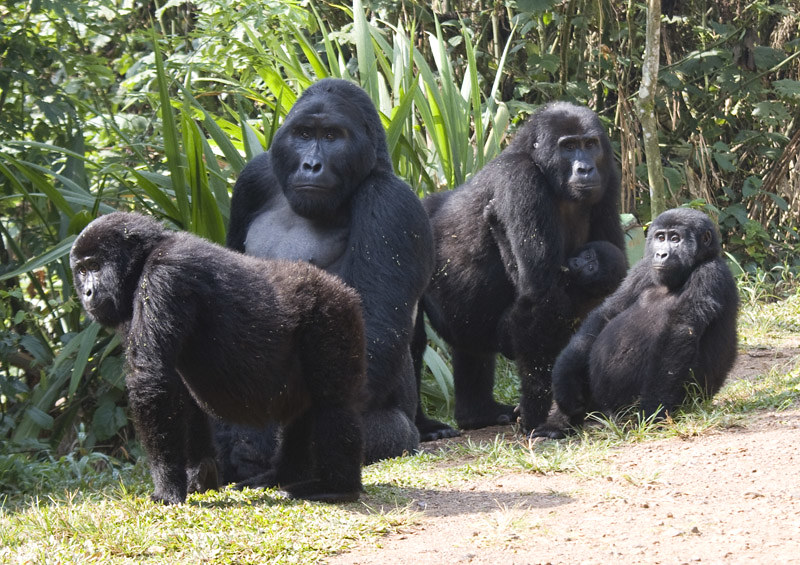
Standard game drive gear – neutral clothing, sun protection, and binoculars – covers most of what giraffe viewing requires. If your wider itinerary includes gorilla trekking, our gorilla trekking packing list covers that portion separately.
Why Giraffe Lip Structure Genuinely Works Alongside the Tongue During Feeding
Beyond the tongue itself, giraffes genuinely possess notably tough, mobile upper lips that work in direct coordination with tongue movement during feeding, helping guide branches into position and providing additional dexterity when navigating particularly dense thorny growth, meaning effective thorny-acacia feeding genuinely requires this combined lip-and-tongue coordination rather than the tongue managing the entire task independently.
How Calves Genuinely Take Time to Develop Full Feeding Proficiency
Young giraffes genuinely require a considerable learning period to develop the precise tongue and lip coordination effective thorny-browse feeding demands, initially favouring softer, less thorny vegetation before gradually incorporating more challenging acacia browsing as coordination improves, meaning full feeding proficiency genuinely develops gradually through practice rather than being immediately available from a young age.
Why Researchers Continue Studying Giraffe Tongue Biology for Broader Insight
Beyond pure wildlife interest, researchers studying giraffe tongue tissue have genuinely drawn comparisons to other extreme feeding adaptations documented across the animal kingdom, contributing to broader scientific understanding of how herbivore mouth and tongue structure co-evolves with specific plant defensive adaptations like thorns, a genuinely productive area of comparative biology research.
Comparing Giraffe Feeding Adaptation to Elephant Trunk Dexterity
Much like the elephant trunk combines strength and fine motor precision into one versatile feeding tool, the giraffe tongue genuinely achieves a comparable combination of toughness and dexterity, illustrating how two of Africa’s largest herbivores independently evolved considerably specialised feeding appendages suited to their own distinct dietary challenges.
Why Guides Value Explaining Giraffe Tongue Adaptation to Visitors
Given how rarely visitors get a close enough view to notice the tongue’s distinctive dark colouring, experienced guides genuinely value pointing it out during active feeding and explaining the sun-protection and thorn-resistance functions behind it, adding real appreciation for a detail easily missed during a standard sighting.
Combining Giraffe Feeding Observation With a Wider Wildlife Circuit
Giraffe tongue and feeding behaviour observation pairs naturally with a broader wildlife-focused itinerary, giving travelers genuine anatomical depth alongside standard giraffe sightings.
Why This Adaptation Genuinely Connects to the Species’ Considerable Daily Feeding Requirement
Given how much vegetation an animal of a giraffe’s considerable size genuinely needs to consume daily, sometimes exceeding 30 kilograms of foliage, the tongue’s toughness and reach genuinely become critical to meeting this substantial nutritional demand efficiently, since a slower, more cautious feeding technique forced by a less specialised tongue would genuinely make gathering sufficient daily food considerably more time-consuming.
How Different Giraffe Populations Genuinely Show Some Variation in Feeding Preference
While acacia genuinely dominates the diet across much of the giraffe’s range, different regional populations genuinely show some variation in preferred tree species depending on local availability, meaning the tongue’s toughness adaptation genuinely applies broadly across various thorny browse species rather than being narrowly specialised toward acacia alone, giving the species genuine dietary flexibility within its overall thorny-browse feeding strategy.
Why This Feeding Specialisation Genuinely Reflects Broader Patterns of Thorn-Adapted African Wildlife
Beyond giraffes, several other East African browsers have genuinely evolved their own solutions to feeding on thorny vegetation, though few match the giraffe’s specific combination of considerable tongue length, toughness, and pigmentation, meaning the species genuinely represents one of the most extensively studied and specialised examples of this broader thorn-adaptation pattern documented among East Africa’s diverse browsing herbivores.
How Considerable Neck Flexibility Genuinely Complements Tongue Function During Feeding
Beyond the tongue itself, a giraffe’s genuinely remarkable neck flexibility allows precise positioning that brings the mouth into optimal alignment with specific branches, meaning effective thorny-browse feeding genuinely requires this combined neck positioning working alongside tongue and lip dexterity, similar to how giraffe neck strength serves multiple distinct functional purposes beyond feeding alone, including the species’ considerable defensive capability.
Why This Level of Feeding Specialisation Genuinely Limits Dietary Flexibility Elsewhere
Given how considerably specialised the giraffe’s feeding apparatus genuinely is toward thorny browse specifically, the species genuinely shows less flexibility adapting to alternative food sources during periods of acacia scarcity than a more dietary-generalist herbivore might display, meaning this considerable specialisation genuinely represents a trade-off, exceptional efficiency within a specific niche in exchange for somewhat reduced adaptability outside it.
Frequently Asked Questions
Why is a giraffe’s tongue so dark?
The dark pigmentation is believed to function like natural sunscreen, protecting the tissue during extended sun exposure while feeding.
How does a giraffe eat from thorny acacia trees without injury?
A genuinely tough, leathery tongue surface, thick saliva, and prehensile tongue movement together let the giraffe navigate around sharp thorns.
How long is a giraffe’s tongue?
Sometimes reaching or exceeding 45 centimetres, letting the animal reach leaves deep within thorny branch structure.
Does this feeding adaptation reduce competition with other herbivores?
Yes, genuinely so – most other herbivores lack the tongue toughness and reach to browse safely and efficiently within thorny acacia canopy.
Where can I see giraffe feeding behaviour on safari?
Murchison Falls National Park and the broader Serengeti-Mara ecosystem both offer genuine close-range viewing opportunities.
Ready to Plan Your Uganda Safari?
Whether observing giraffe behaviour firsthand, wider wildlife viewing, or a full Uganda itinerary is your priority, our team can build a trip matched to your interests. Get in touch with our team below today and let’s start planning your complete Uganda safari itinerary together.



No comment