



How Do Giraffes Defend Against Lions?
Giraffes genuinely defend themselves against lion attack using a single devastating kick capable of shattering bone or killing an attacking lion outright, a defensive weapon powerful enough that healthy adult giraffes face considerably lower successful predation rates than their size alone might suggest, despite standing as one of the largest and, in open terrain, most conspicuous targets on the savannah.
Why a Giraffe Kick Is Genuinely Powerful Enough to Kill a Lion
A giraffe’s powerful hind leg kick genuinely generates enough force to break a lion’s skull or spine in a single strike, a level of physical power directly proportional to the animal’s considerable size and long, powerful leg muscles, and documented cases exist of lions being killed outright by a well-placed giraffe kick during a failed attack, a genuinely rare but real outcome that makes giraffe predation a considerably riskier undertaking for lion prides than attacking most other prey species.
Why Lions Genuinely Prefer to Attack Giraffes at Night
Because a giraffe’s powerful kick relies partly on clear visibility to accurately target an approaching predator, lion prides genuinely favour night-time giraffe hunts, when reduced visibility measurably lowers a giraffe’s ability to see and precisely counter an incoming attack, meaning the relative safety a giraffe’s defensive kick provides during full daylight genuinely diminishes considerably after dark, shifting the balance of risk back toward the predator’s favour.
Why Young and Weakened Giraffes Face Genuinely Higher Predation Risk
While a healthy adult giraffe’s kick presents genuine deterrent risk to lion, calves and older or injured individuals genuinely lack the same physical power and coordination to defend themselves as reliably, meaning the substantial majority of successful lion predation on giraffe specifically targets calves during their first year, or adults already weakened by injury or illness, rather than healthy adults in their physical prime.

How a Giraffe’s Height Genuinely Provides an Early Warning Advantage
Beyond the kick itself, a giraffe’s considerable height genuinely provides an exceptional vantage point for spotting approaching predators well before a lion could close to striking distance, meaning other savannah species, including zebra and wildebeest, have been observed positioning themselves near feeding giraffes specifically to benefit from this early-warning advantage, a genuine cross-species vigilance relationship built around the giraffe’s naturally superior sightline.
Why Giraffe Herds Provide Some Collective Defensive Benefit Too
Although giraffes are genuinely less socially cohesive than species like buffalo or elephant, loose aggregations of giraffes feeding in the same general area still genuinely provide some shared vigilance benefit, with multiple individuals scanning for danger simultaneously, meaning even the giraffe’s comparatively looser social structure offers a measurable degree of the same detection advantage tighter-knit herding species rely on more heavily.
How Mother Giraffes Genuinely Protect Newborn Calves
Mother giraffes genuinely position themselves protectively between a newborn calf and any approaching threat, and will actively use their own powerful kick to defend a calf directly, though calves remain genuinely vulnerable during their first weeks given how much less developed a young giraffe’s own defensive kick and general coordination still are compared to an adult’s, explaining why calf mortality from predation remains genuinely elevated despite active maternal protection.
Where to Observe Giraffe Predator-Defence Dynamics in East Africa
Strong resident giraffe and lion populations coexist across the Serengeti-Mara ecosystem, alongside Uganda’s Murchison Falls, both offering genuine opportunities to observe this predator-prey relationship firsthand.
Best Time of Year for Giraffe Viewing
Giraffes are visible year-round given resident populations across East Africa’s major parks. See our regional best-time guide for how seasonal patterns generally affect wider game viewing.
Photographing Giraffe Alert and Defensive Behaviour
Capturing a giraffe’s alert posture, head raised and scanning the horizon, offers genuinely interesting behavioural photography beyond a standard grazing portrait. See our camera gear guide for broader equipment recommendations.
What to Pack for Giraffe-Focused Game Drives
Standard game drive gear – neutral clothing, sun protection, and binoculars – covers most of what giraffe viewing requires. If your wider itinerary includes gorilla trekking, our gorilla trekking packing list covers that portion separately.
Why Splayed Legs Genuinely Create a Vulnerable Moment for Drinking Giraffes
A giraffe must genuinely splay its front legs wide and lower its head considerably to drink, a physically awkward position that temporarily eliminates the animal’s ability to deliver an effective defensive kick or run at full speed, meaning waterholes genuinely represent one of the few situations where an otherwise well-defended adult giraffe becomes measurably more vulnerable, and lion prides are known to specifically exploit this brief window of reduced defensive capability near water sources.
How Giraffe Kick Defence Compares to Other Large Herbivore Strategies
Where buffalo rely on coordinated group charging and elephant on sheer mass and tusks, a giraffe’s defence centres almost entirely on individual physical power delivered through a single, precisely aimed strike, a genuinely different defensive philosophy that reflects the species’ comparatively solitary, loosely social lifestyle rather than the tightly coordinated group defence buffalo herds specifically depend on.
Why Lion Prides Genuinely Approach Giraffe Hunts With Extra Caution
Given the genuine physical risk involved, experienced lion prides typically commit multiple individuals to a giraffe hunt rather than attempting a solo attack, spreading the risk of serious injury across several lionesses and typically targeting a giraffe already isolated from the wider group, a cautious approach that reflects just how seriously prides treat the real danger a healthy adult giraffe’s kick genuinely poses.
Why Guides Value Explaining This Defensive Capability to Visitors
Given how passive and gentle giraffes typically appear during a standard daytime sighting, experienced guides genuinely value explaining the animal’s considerable, often underestimated defensive power, adding real appreciation for a species many visitors otherwise assume is simply a peaceful, purely passive Big Five checklist addition.
Combining Giraffe Behaviour Viewing With a Wider Predator-Prey Circuit
Giraffe defensive behaviour viewing pairs naturally with a broader predator-focused itinerary covering lion pride hunting strategy within the same overall trip, giving travelers genuine insight into one of East Africa’s more surprising predator-prey dynamics.
Why Sleeping Giraffes Face a Genuinely Elevated Vulnerability Window
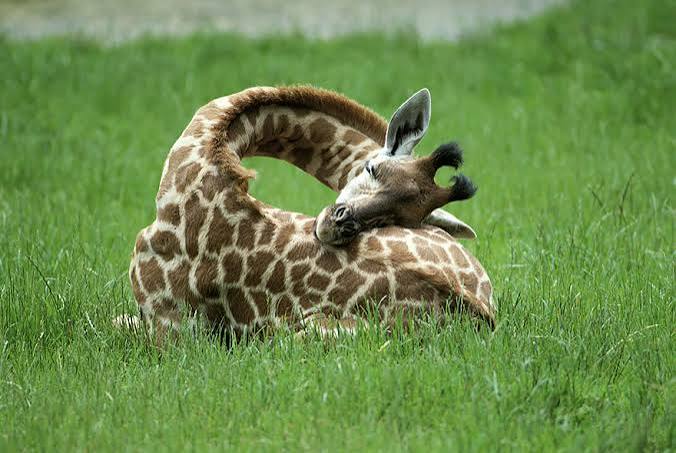
Giraffes genuinely sleep only a few minutes at a time in short bursts, often while standing, and true lying-down sleep, when a giraffe would struggle to rise and deliver an effective kick quickly enough to counter a surprise attack, occurs only rarely and briefly, meaning the species has essentially evolved to minimise exactly this kind of vulnerable, defence-compromised rest period rather than risk extended exposure the way many other large herbivores comfortably tolerate.
How Neck-Based Combat Skills Occasionally Transfer to Genuine Predator Defence
The same powerful neck muscles and coordination giraffes develop through male-to-male necking combat occasionally translate into additional defensive capability against predators, with some documented cases showing giraffes using head and neck strikes alongside kicks during a sustained attack, meaning the physical conditioning built through routine social combat behaviour genuinely carries over into a completely different defensive context when survival is at stake.
Why Adult Bull Giraffes Face Somewhat Different Predation Risk Than Females
Large adult bulls genuinely carry considerably more muscle mass and a correspondingly more powerful kick than females, meaning lion prides generally avoid targeting mature bulls outright unless a specific individual shows clear signs of injury or illness, while females and subadults, still physically capable but somewhat less overwhelmingly powerful, face a marginally higher baseline predation risk even while otherwise perfectly healthy, a difference reflected clearly in long-term predation records gathered across multiple studied giraffe populations.
Why Terrain and Vegetation Density Genuinely Change the Balance of Risk
Giraffes hunting in genuinely open, flat terrain retain the full benefit of their height advantage and clear kicking range, while dense bush or broken terrain considerably reduces both a giraffe’s early-warning visibility and its ability to manoeuvre freely enough to deliver an accurate kick, meaning lion prides operating in thicker vegetation genuinely enjoy a measurably improved success rate against giraffe compared to attacks attempted across open, unobstructed savannah terrain with clear sightlines in every direction.
Frequently Asked Questions
Can a giraffe really kill a lion?
Yes, genuinely so – a well-placed kick can shatter bone and has been documented killing lions outright during failed attacks.
Why do lions prefer to hunt giraffes at night?
Reduced visibility measurably lowers a giraffe’s ability to accurately target and counter an incoming attack with its defensive kick.
Are giraffe calves more vulnerable than adults?
Yes, considerably so – the substantial majority of successful lion predation on giraffe targets calves or already weakened individuals.
When are adult giraffes most vulnerable to attack?
While drinking at a waterhole, when splayed legs temporarily eliminate their ability to deliver an effective kick or run.
Where can I see giraffe and lion coexisting on safari?
The Serengeti-Mara ecosystem and Uganda’s Murchison Falls both offer strong resident populations of both species.
Ready to Plan Your East Africa Safari?
Whether observing giraffe behaviour firsthand, the wider predator dynamic, or a full East Africa itinerary is your priority, our team can build a trip matched to your interests. Get in touch with our team below today and let’s start planning your complete safari itinerary together.



No comment