
Elephants of Murchison Falls National Park
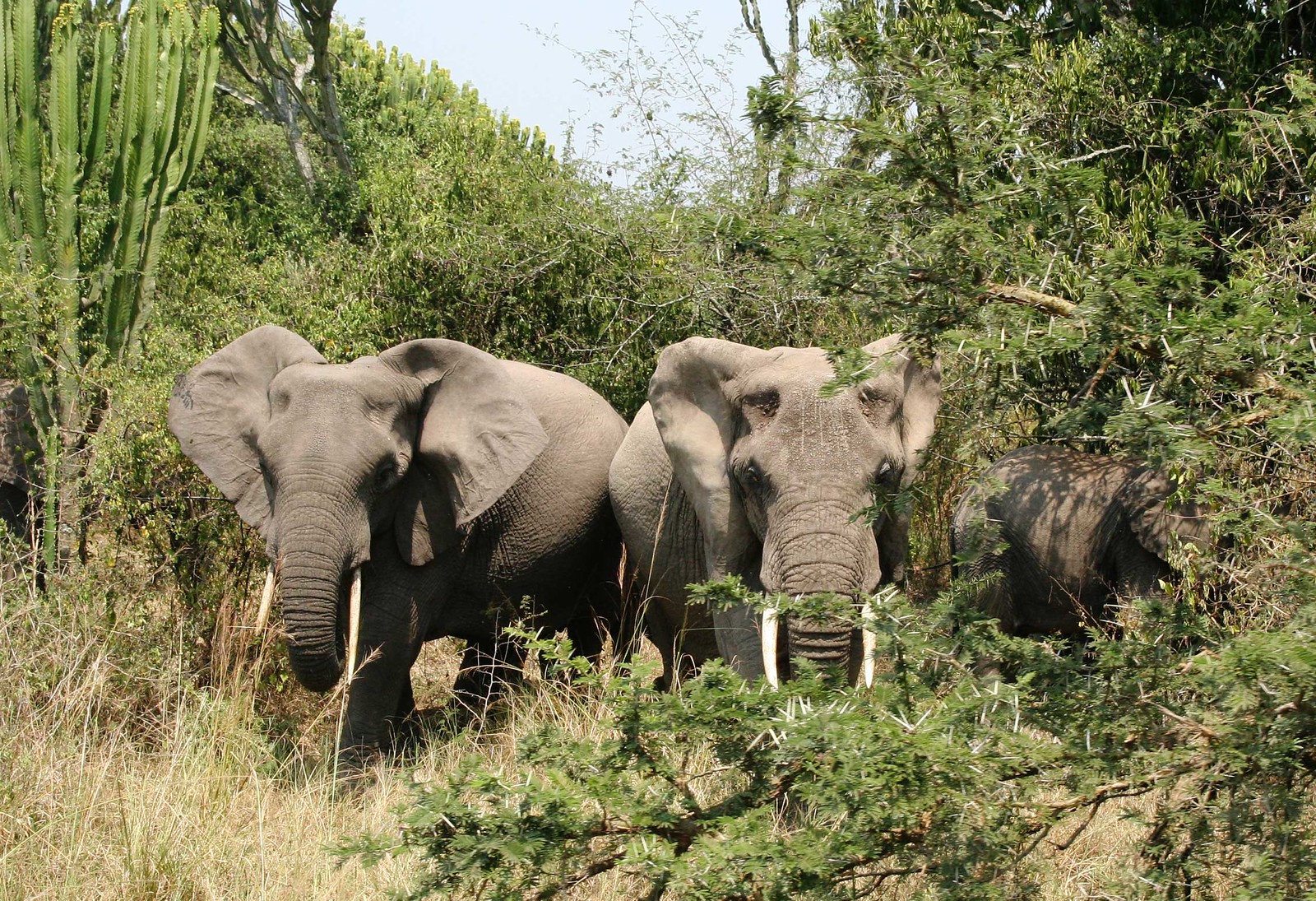
Murchison Falls National Park holds one of Uganda’s largest elephant populations, spread across the vast northern savannah on the far bank of the Victoria Nile. For many first-time visitors, the elephant herds here end up being just as memorable as the thundering falls that give the park its name, and it’s genuinely common to encounter multiple family groups in a single morning game drive without needing to search particularly hard.
Where to Find Elephants in Murchison Falls
Elephants roam widely across Murchison’s northern sector, the Buligi Peninsula wedged between the Nile and Lake Albert, though they’re rarely far from water during the dry season. Morning and late afternoon game drives along the tracks nearest the river tend to produce the most reliable sightings, since herds move down to drink at predictable times once the day’s heat sets in.
Herd Size and Behaviour
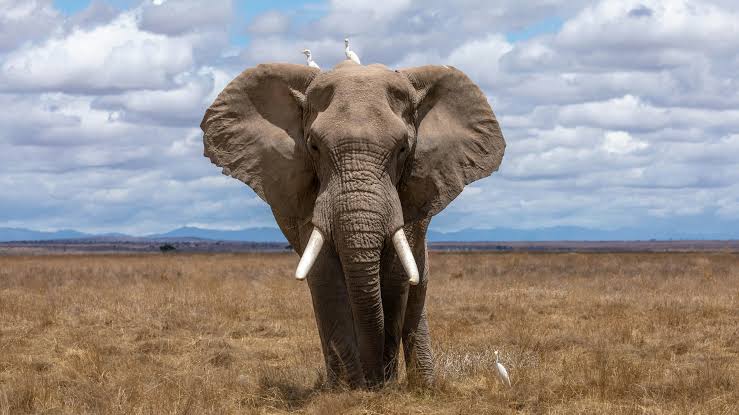
Murchison’s elephant herds are led by an experienced matriarch, with related females and their calves forming the core social unit, while adult bulls typically range more independently or in loose bachelor groups. Herds here can number anywhere from a handful of individuals to several dozen during the dry season, when smaller family groups often merge around the most reliable remaining water sources, sometimes forming temporary super-herds of well over a hundred animals in particularly dry years, a genuinely dramatic sight rarely matched anywhere else in Uganda.
The Boat Cruise: A Different Way to See Elephants
Beyond standard game drives, the launch cruise to the base of Murchison Falls offers a genuinely different elephant-viewing perspective, since herds frequently come down to drink and bathe directly along the riverbanks, visible at close range from the water. Combined with the near-guaranteed hippo and Nile crocodile sightings on the same cruise, it’s one of the most efficient wildlife-viewing activities in the entire park.
Elephant Conservation in Murchison Falls
Like most of Uganda’s savanna parks, Murchison’s elephant population was significantly reduced by poaching during the political instability of the 1970s and 80s, and has recovered steadily under Uganda Wildlife Authority protection since, growing from a fraction of historic numbers back into one of the country’s healthiest populations. Ivory poaching remains a monitored threat, and ranger patrols, community conservation programs, and tourism revenue all play a direct role in protecting the population that exists today – see our Uganda Big Five guide for how this fits into the country’s wider conservation picture.
Best Time of Year for Elephant Sightings
The dry seasons, roughly December to February and June to August, bring the most reliable elephant viewing, as herds concentrate predictably around the Nile and remaining water sources further from the river. The wet season disperses herds more widely across the park, which can make sightings less predictable but rewards visitors with dramatically greener scenery and noticeably fewer vehicles at each encounter.
Elephants and Murchison’s Other Wildlife
Elephant sightings in Murchison are rarely isolated – the same northern savannah supports healthy lion, buffalo, and giraffe populations, making a single game drive genuinely likely to produce multiple species rather than a single-animal focus, particularly during the dry season when the same water sources draw several species together at once. Our guide to Murchison’s lions covers the park’s predator side in more detail if that’s an equal priority on your itinerary.
Combining Murchison Elephants With Ziwa Rhino Tracking
Since Murchison itself lost its rhino population to poaching decades ago, most itineraries pair an elephant-focused Murchison safari with a stop at Ziwa Rhino Sanctuary, conveniently positioned on the same main road north from Kampala, to complete a fuller Big Five circuit in a single trip.
Photographing Murchison’s Elephants
The open terrain of the Buligi Peninsula makes for clean, uncluttered elephant photography, particularly in the soft light of early morning game drives. The boat cruise offers a genuinely different angle – a lower, water-level perspective on herds drinking and bathing that a standard vehicle-based game drive simply can’t replicate, and one worth building extra time into your itinerary for if photography is a priority.
Self-Drive vs Guided Elephant Safaris in Murchison
Self-driving is technically possible in Murchison, but the park’s size and the value of local tracking knowledge make a guided safari the more practical choice for most visitors, particularly for coordinating game drive timing with the separate boat cruise departure. An experienced driver-guide also knows which specific tracks along the Buligi Peninsula herds have been favouring in the days leading up to your visit, meaningfully improving sighting odds over an unguided approach.
Elephant Behaviour to Watch For
Watching a herd’s social dynamics up close is often as rewarding as the initial sighting itself – young calves shadowing their mothers closely, older siblings helping shepherd younger ones, and the matriarch’s subtle cues directing the group’s movement between feeding and water. Bulls in musth, a periodic hormonal state marked by visible temporal gland secretion and heightened aggression, are given a wider berth by guides, and spotting the behavioural signs is part of what experienced Murchison guides are trained to read at a distance.
How Murchison’s Elephants Compare to Queen Elizabeth’s
Queen Elizabeth National Park also holds a healthy elephant population, particularly around the Kazinga Channel, but Murchison’s larger overall size and lower visitor density often make for a wilder, less crowded encounter. Many longer Uganda itineraries include both parks specifically to give travelers a sense of how elephant behaviour and habitat differ between Uganda’s two flagship savanna destinations.
Elephants and the Wider Ecosystem
Elephants play an outsized role in shaping Murchison’s landscape – their feeding habits open up dense bush into the grassland mosaic that supports the park’s other grazing species, and their seasonal movement between water sources helps maintain the trail networks used by smaller animals throughout the dry season. This ecological role is part of why elephant conservation matters well beyond the animals themselves, supporting the health of the wider Big Five ecosystem across the park.
Where to Stay for the Best Elephant Sightings
Lodges positioned along the northern bank near the Buligi Peninsula generally offer the shortest drives to the park’s best elephant territory for early morning game drives, while properties closer to the falls themselves prioritise easy access to the boat cruise departure point. Discussing this trade-off with your operator when planning your exact route is worth doing early, since it genuinely affects how much game-drive time you get relative to driving time each day.
Murchison’s Elephants and the Big Five Picture
Elephant is one of four Big Five species reliably found in Murchison – alongside lion, buffalo, and leopard – with rhino requiring the separate Ziwa stop to complete the set. See our Big Five guide for how Murchison’s wildlife density compares to Uganda’s other savanna parks, and to Kenya and Tanzania’s more traditional Big Five destinations further afield.
What to Pack for an Elephant-Focused Safari
Neutral clothing, sun protection, binoculars, and a camera with reasonable zoom cover most of what a Murchison elephant safari requires, and a dry bag is worth adding if the boat cruise is part of your plan, since spray near the falls themselves can catch camera gear off guard. If gorilla trekking is also part of your wider Uganda itinerary, our gorilla trekking packing list covers the additional forest-specific gear for that portion of the trip, alongside our Uganda visa requirements guide for planning ahead.
Frequently Asked Questions
How many elephants live in Murchison Falls National Park?
Uganda Wildlife Authority monitors the population closely as part of ongoing conservation management, and while exact current figures fluctuate with births, mortality, and seasonal movement, Murchison holds one of the largest elephant populations of any Ugandan park.
Is the boat cruise or game drive better for elephant sightings?
Both are worthwhile and complementary rather than competing options – game drives cover more ground and a wider range of habitat, while the boat cruise offers closer, water-level encounters specifically along the riverbanks.
Are Murchison’s elephants dangerous to safari vehicles?
Elephants generally tolerate vehicles calmly at a respectful distance, though experienced guides always maintain appropriate spacing and read herd body language carefully, particularly around mothers with very young calves.
Can I combine an elephant-focused Murchison safari with gorilla trekking?
Yes, though it requires a long drive or short domestic flight south to Bwindi or Mgahinga, since the two regions sit at opposite ends of Uganda – see our gorilla trekking FAQ for how to sequence a combined itinerary without feeling rushed between the two.
What’s the single best activity for seeing elephants up close in Murchison?
The launch cruise to the base of the falls consistently produces the closest elephant encounters, since herds come directly down to the riverbank to drink and bathe, often well within comfortable photography range of the boat.
Ready to Plan Your Murchison Falls Safari?
Whether elephants, the falls themselves, or a full Big Five circuit with a Ziwa rhino stop is your priority, our team can build a Murchison Falls itinerary matched to your interests and available time. Get in touch below and let’s start planning your Uganda safari today.

No comment