
Samburu National Reserve, in Kenya’s arid north, offers some of the country’s most rewarding leopard sightings – a genuinely different landscape from the classic green savannah most people picture on safari, with rocky outcrops and riverine woodland along the Ewaso Ng’iro River providing exactly the cover leopards favour, and a distinctly different visual character from Kenya’s more southern parks.
Why Samburu Is Strong Leopard Territory
The dense riverine forest lining the Ewaso Ng’iro River cuts through Samburu’s otherwise dry, semi-arid landscape, creating a concentrated band of cover and prey that leopards depend on heavily in this drier ecosystem. This narrow but rich habitat corridor means leopard sightings in Samburu often cluster predictably along the river rather than being scattered across the wider reserve.
The Samburu Special Five
Samburu is famous for its “Special Five” – species adapted specifically to this arid ecosystem and found here in greater numbers than almost anywhere else in Kenya, including Grevy’s zebra, reticulated giraffe, Somali ostrich, gerenuk, and beisa oryx. Leopard sightings here are often woven into game drives alongside these Special Five species, giving Samburu a genuinely distinct wildlife character beyond the standard Big Five checklist most first-time Kenya visitors arrive expecting.
Best Places to Spot Leopards in Samburu
The riverine woodland directly bordering the Ewaso Ng’iro, particularly stretches with large doum palms and acacia trees, consistently produces the reserve’s strongest leopard sightings. Rocky kopjes scattered across the reserve also provide leopards with elevated vantage points and shelter, and experienced guides know specific formations worth checking on any given drive.
Best Time of Day for Leopard Sightings
Leopards are most active around dawn, dusk, and after dark, making early morning and late afternoon game drives the strongest windows for a sighting in Samburu, much as in any other leopard destination. The reserve’s drier climate means temperatures can be genuinely extreme by midday, which also pushes leopard activity more firmly into the cooler morning and evening hours.
How Samburu Compares to the Masai Mara for Leopards
The Masai Mara generally offers higher overall leopard density given its more extensively studied population and richer riverine forest cover, but Samburu’s genuinely different arid landscape and Special Five species give it real appeal for travelers who’ve already experienced the classic Mara safari and want something visually distinct on a return trip to Kenya.
Samburu’s Elephant Population
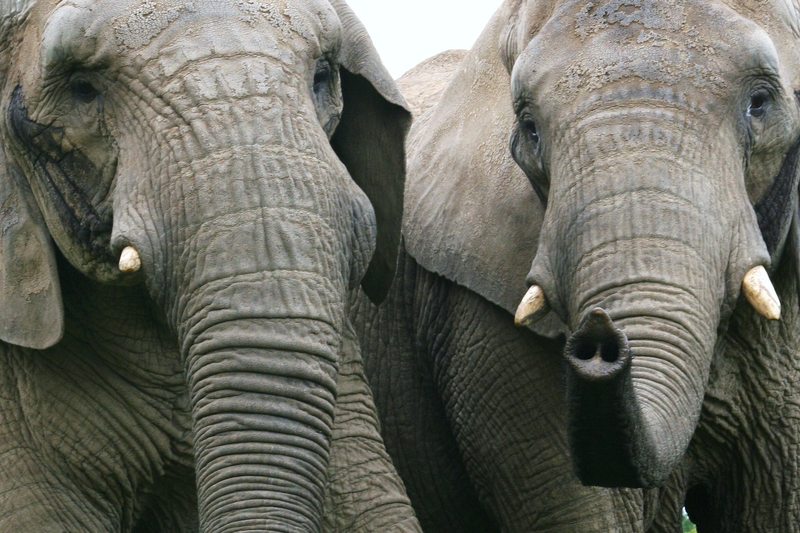
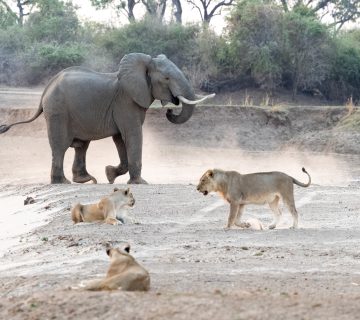
Beyond leopard, Samburu holds a significant elephant population adapted to the region’s drier conditions, with herds regularly seen moving to and from the Ewaso Ng’iro for water, particularly during the driest months. Long-running elephant research projects based in Samburu have contributed meaningfully to broader understanding of elephant behaviour in more marginal, water-scarce habitats, tracking individual family groups across multiple generations in a landscape considerably harsher than most other East African elephant strongholds.
Community Conservancies Around Samburu
Several community-owned conservancies border the core Samburu National Reserve, extending protected habitat while channeling tourism revenue directly to local Samburu communities. These conservancies often permit activities like night game drives and walking safaris that the core reserve doesn’t allow, adding real flexibility for leopard-focused travelers willing to base themselves slightly outside the main reserve boundary rather than exclusively within the core protected area.
Getting to Samburu
Most visitors reach Samburu by scenic domestic flight from Nairobi, given the considerable overland driving distance to Kenya’s north, though a road journey is possible for travelers with more time and an interest in the drive itself. The flight option is genuinely popular given how much travel time it saves compared to Samburu’s more southern counterparts like the Mara or Amboseli, freeing up additional time for game drives once you arrive.
Photographing Samburu’s Leopards
Samburu’s warm, reddish earth tones and dramatic rocky terrain provide a genuinely different photographic backdrop from the green grassland typical of Kenya’s more southern parks, adding visual variety for photographers who’ve already shot leopards elsewhere. A fast telephoto lens remains essential given how brief and often partially obscured leopard sightings tend to be, regardless of location.
What to Pack for a Samburu Safari
Given Samburu’s genuinely hot, dry climate, sun protection, a wide-brimmed hat, and extra water are worth prioritising alongside standard neutral-coloured game drive clothing. If your wider Kenya itinerary extends into gorilla trekking in Uganda or Rwanda, our gorilla trekking packing list covers that portion separately.
Leopard Behaviour Unique to Samburu’s Dry Terrain
Samburu’s leopards have adapted to hunt in noticeably drier, more open terrain than their counterparts in lusher parks further south, relying more heavily on the riverine forest’s dense cover for daytime concealment while ranging further into the surrounding dry bush during nighttime hunts. This adaptation to a genuinely harsher environment is part of what makes Samburu’s leopard population a subject of ongoing research interest beyond simple tourism value.
The Ewaso Ng’iro River as an Ecosystem Lifeline
The Ewaso Ng’iro is Samburu’s defining geographic feature, a permanent river flowing through otherwise arid terrain that sustains not just leopards but the reserve’s entire wildlife population through the driest months of the year. Nearly every species in Samburu, from elephants to the Special Five, depends on this single river corridor in some way, making it the natural focal point for almost every game drive regardless of which specific animal you’re hoping to see.
Samburu’s Cultural Context
The reserve takes its name from the Samburu people, a semi-nomadic pastoralist community closely related to the Maasai, whose traditional grazing lands once encompassed much of the wider region before the reserve’s formal establishment. Cultural visits to Samburu villages are commonly offered alongside standard game drives, giving travelers insight into a distinct Kenyan culture with its own language, dress, and traditions separate from the more commonly visited Maasai communities near the Mara.
Leopard Research and Conservation in Samburu
Ongoing research projects based in and around Samburu have contributed meaningfully to broader understanding of leopard behaviour in marginal, water-scarce habitats, complementing similar long-term studies focused on the reserve’s elephants. This research helps inform conservation strategy not just for Samburu itself but for similar dryland ecosystems elsewhere in East Africa facing comparable water-scarcity pressures as climate patterns shift.
Combining Samburu With Other Kenya Parks
Many longer Kenya itineraries pair Samburu with a wider circuit covering the Masai Mara and Amboseli, giving travelers a genuinely comprehensive picture of Kenya’s ecological diversity, from lush southern savannah to the drier northern landscapes Samburu represents. See our Big Five guide for how to sequence a multi-park Kenya itinerary efficiently.
Self-Drive vs Guided Safaris in Samburu
Given Samburu’s more remote location and the genuine value of local knowledge for finding both leopards and the reserve’s Special Five species, a guided safari is strongly advisable here over self-driving, particularly for first-time visitors to this specific ecosystem. Guides familiar with Samburu’s terrain and current wildlife movement patterns consistently produce better sighting outcomes than independent exploration would likely achieve.
Frequently Asked Questions
Is Samburu good for a first Kenya safari?
It can be, though many first-time visitors start with the Masai Mara for its higher overall wildlife density, adding Samburu on a return trip specifically for its distinct arid landscape and leopard sightings.
What is the Samburu Special Five?
Grevy’s zebra, reticulated giraffe, Somali ostrich, gerenuk, and beisa oryx – five species particularly associated with Samburu’s drier ecosystem and less commonly seen in Kenya’s more southern parks.
Can I combine Samburu with the Masai Mara on the same trip?
Yes, though the two sit at opposite ends of the country, so combining them typically requires a domestic flight between the two rather than an overland drive to keep the itinerary efficient.
How does Samburu compare to Uganda’s parks for leopard viewing?
Samburu’s arid terrain gives it a genuinely different character from Uganda’s riverine woodland leopard habitat at Murchison Falls, though both offer a real chance at sightings for patient, well-guided visitors.
Can I combine Samburu with gorilla trekking?
Not directly within Kenya, since gorilla trekking requires travel to Uganda, Rwanda, or Congo – see our gorilla trekking FAQ for how to combine a Kenya safari with a separate primate-focused leg elsewhere in the region.
Is Samburu expensive compared to other Kenya parks?
Costs are broadly comparable to Kenya’s other major reserves, though the domestic flight most visitors take to reach it adds a cost not always factored into initial budget comparisons with more overland-accessible parks.
Photography Considerations for Samburu’s Landscape
Beyond leopard-specific gear, a polarising filter helps manage the harsh midday glare common in Samburu’s open, dry terrain, and a lens cloth or cover is worth keeping handy given how dusty conditions can get during the drier months. The reserve’s warm, earthy colour palette photographs particularly well during the golden hours immediately after sunrise and before sunset, when the low-angle light softens what can otherwise be a fairly harsh, high-contrast midday landscape.
Ready to Plan Your Samburu Safari?
Whether Samburu’s leopards, its Special Five species, or a combination with Kenya’s more southern parks is your priority, our team can build an itinerary matched to your interests. Get in touch with our team below today and let’s start planning your Kenya safari together.

No comment