
Leopards of Murchison Falls National Park
Leopard is the hardest of the Big Five to see reliably anywhere in Africa, and Murchison Falls National Park is no exception – but that scarcity is exactly what makes a good sighting here feel genuinely special, rather than the near-guaranteed experience lion, elephant, and buffalo tend to offer across the same park. Travelers who go in with realistic expectations about the odds, rather than treating a leopard sighting as a given, tend to come away far more satisfied with whatever the trip actually delivers.
Why Leopards Are So Hard to Spot in Murchison
Leopards are solitary, largely nocturnal, and spend much of the daylight hours resting hidden in dense vegetation or draped across tree branches well away from open tracks – behaviour that makes them naturally elusive even in parks with healthy populations. Murchison’s mix of open savannah and denser riverine woodland along the Nile gives leopards plenty of cover to disappear into, which is part of why sightings here depend so heavily on a guide’s specific tracking knowledge rather than pure luck alone.
Where Leopards Are Most Often Seen
The riverine woodland bordering the Victoria Nile and the denser thicket areas away from the main game-viewing tracks on the Buligi Peninsula are where Murchison’s leopards are most consistently reported, particularly resting in large sausage trees or fig trees during the heat of the day. Early morning and late afternoon game drives, when leopards are more likely to be active and moving rather than settled deep in cover, offer the best realistic odds, and drivers who know the park well will often deliberately route a portion of the drive through these denser corridors specifically to improve the chances.
Best Time of Day for Leopard Sightings
Leopards are most active around dawn, dusk, and after dark, which is exactly why night game drives – where available and permitted – tend to produce a disproportionate number of Murchison’s best leopard sightings compared to standard daytime drives. Guides watch for fresh tracks in soft soil along the main tracks each morning as one of the clearest signs of overnight leopard movement worth following up on.
How Murchison’s Leopards Compare to Queen Elizabeth’s
Queen Elizabeth National Park’s Ishasha sector is better known nationally for its lions, but its dense riverine forest patches also hold a healthy, if similarly elusive, leopard population. Murchison’s larger overall size and lower visitor density can work in a leopard-focused traveler’s favour, since less vehicle traffic along back tracks means less disturbance to an animal that actively avoids attention in the first place – see our guide to Murchison’s lions for how the two predators share the same landscape.
Leopard vs Lion: Sharing the Same Territory
Leopards generally avoid direct confrontation with Murchison’s lion prides, which is part of why they favour dense cover and tree refuges – both to hunt undisturbed and to protect any cached prey from being stolen by larger, more social predators. A leopard’s habit of dragging a kill up into a tree, safely out of reach of both lions and hyenas, is one of the more distinctive behavioural signs experienced guides watch for as evidence a leopard is active in a particular area.
Completing Murchison’s Big Four
Leopard is the fourth of Murchison’s resident Big Five species, alongside lion, elephant, and buffalo, with rhino requiring the separate trip to Ziwa Rhino Sanctuary to complete a full Big Five circuit. See our Uganda Big Five guide for how Murchison fits into a wider country-wide itinerary.
Photographing Murchison’s Leopards
A fast shutter speed and a longer telephoto lens are essential, since leopard sightings are often brief, partially obscured by foliage, and at greater distance than more open-terrain species like buffalo or elephant. Patience matters more here than almost any other Big Five sighting – waiting quietly near a suspected resting tree for even twenty or thirty minutes can be the difference between a fleeting glimpse and a genuinely rewarding, extended sighting.
Self-Drive vs Guided Safaris for Leopard Sightings
Leopard sightings are one of the clearest cases where a guided safari meaningfully outperforms self-driving – an experienced local guide’s knowledge of which specific trees a leopard has been favouring that week, combined with radio communication between vehicles, produces dramatically better odds than an independent visitor scanning open tracks alone. If leopard is a genuine priority rather than a bonus, budgeting for a dedicated, experienced guide is worth the extra cost.
What to Pack for a Leopard-Focused Safari
Beyond standard game drive gear – neutral clothing, sun protection, and binoculars – a genuinely long camera lens and a stable mount or beanbag make the biggest practical difference for leopard photography specifically. If your Uganda itinerary also includes gorilla trekking, our gorilla trekking packing list covers that portion of the trip separately, alongside our Uganda visa requirements guide for planning ahead.
Leopard Markings and Individual Identification
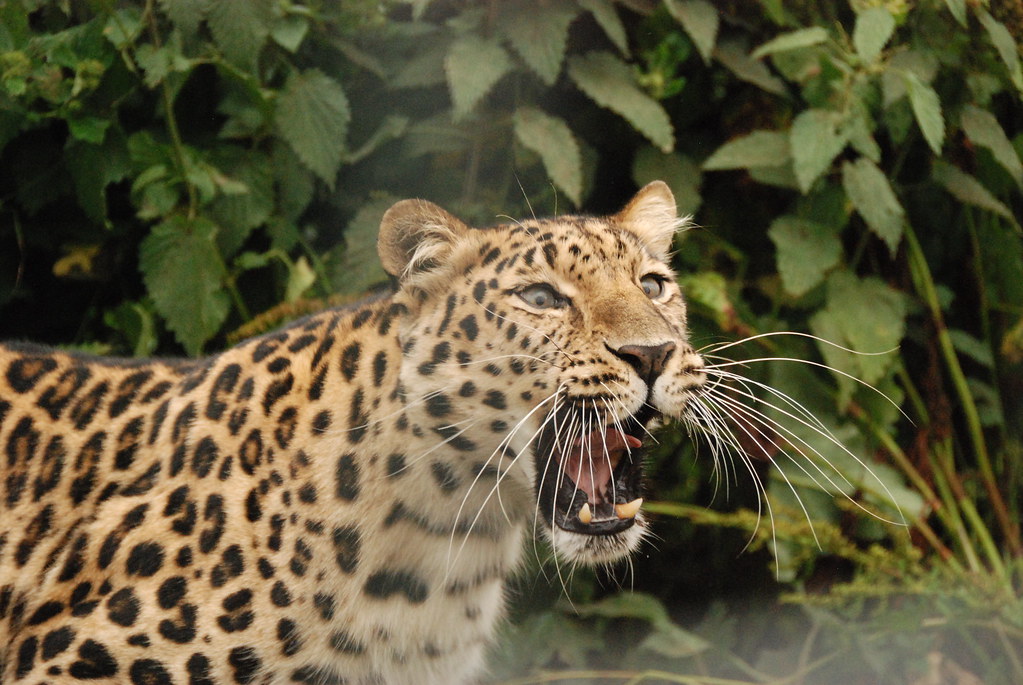
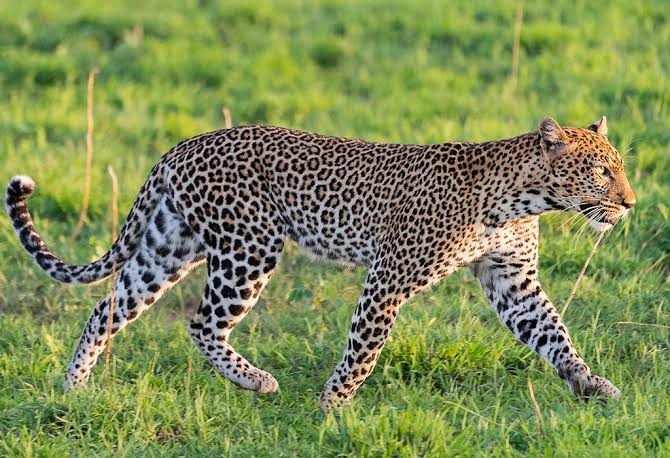
Each leopard’s rosette pattern is genuinely unique, similar to a human fingerprint, and experienced guides across Murchison and Uganda’s other parks often build up informal knowledge of specific individuals over years of sightings – recognising a particular leopard by scarring, rosette pattern, or a favoured resting tree rather than treating every encounter as an anonymous animal. This kind of accumulated local knowledge is part of what separates a genuinely excellent guide from an average one when leopard is your priority species.
How Leopards Hunt
Leopards rely on stealth and a powerful final ambush rather than the sustained chase tactics of some other predators, stalking to within just a few metres of prey before a short, explosive burst of speed. This hunting style suits Murchison’s mix of dense cover and open savannah particularly well, giving leopards enough concealment to approach unseen while still having access to the antelope and smaller mammals that make up much of their diet.
Leopard Territory and Movement Patterns
Individual leopards maintain and mark territories that can span a considerable area, moving through them on a loose rotation that means the same animal may only pass through a specific stretch of riverine woodland once every several days. This is part of why repeat visits or longer stays genuinely improve leopard odds beyond what a single game drive can offer, since you’re effectively increasing the number of chances to intersect with a moving, wide-ranging animal’s rotation.
Conservation Status of Murchison’s Leopards
Leopards remain more widespread across Africa than lions or rhino, but habitat loss and human-wildlife conflict outside protected areas continue to pressure populations even in relatively secure parks like Murchison. Ranger patrols and continued protection of the riverine woodland corridors leopards depend on for cover are both part of the wider conservation effort tourism revenue helps fund across Uganda’s national park system.
Leopard Cubs and Family Life
Female leopards raise cubs entirely alone, keeping newborns hidden in dense cover for the first several weeks before gradually introducing them to short hunting excursions. Sightings of a mother with visible cubs are rarer still than an adult leopard alone, since she deliberately keeps young cubs away from areas with lion or hyena activity, both genuine threats to leopard cub survival in shared territory like Murchison’s savannah-woodland mosaic.
Combining a Leopard Search With the Rest of Your Murchison Itinerary
Most visitors don’t dedicate an entire trip solely to leopard, and that’s the right approach – treating leopard as a bonus sighting alongside standard game drives, the boat cruise, and a top-of-falls hike tends to produce a more satisfying overall trip than fixating on a single elusive species. Our guides remain alert for leopard signs throughout every drive regardless of the day’s primary focus, since a fresh track or alarm call can turn an ordinary game drive into a memorable one within minutes.
Frequently Asked Questions
Are leopard sightings guaranteed in Murchison Falls?
No – leopard is genuinely the least predictable of Murchison’s Big Four resident species, and multi-day visits with an experienced guide offer the realistic best odds rather than any guarantee.
Is a night game drive worth adding specifically for leopards?
Yes, if it’s available through your lodge or operator – leopards are considerably more active after dark, and night drives consistently produce a disproportionate share of Murchison’s best leopard sightings.
How does Murchison compare to Kenya or Tanzania for leopard sightings?
Kenya’s Masai Mara and Tanzania’s Serengeti generally offer somewhat better leopard density and more established sighting records, though Murchison’s lower visitor numbers can mean a more exclusive, less crowded encounter when a sighting does happen.
Can I combine leopard tracking with gorilla trekking on the same Uganda trip?
Yes, though it requires a long drive or short domestic flight south to Bwindi or Mgahinga since the two regions sit at opposite ends of the country – see our gorilla trekking FAQ for how to sequence a combined itinerary comfortably.
Ready to Plan Your Murchison Falls Safari?
Whether leopard, the rest of the Big Five, or the falls themselves is your priority, our team can build a Murchison Falls itinerary matched to your interests, timeframe, and realistic expectations around what you’ll see. Get in touch below and let’s start planning your Uganda safari today.

No comment