
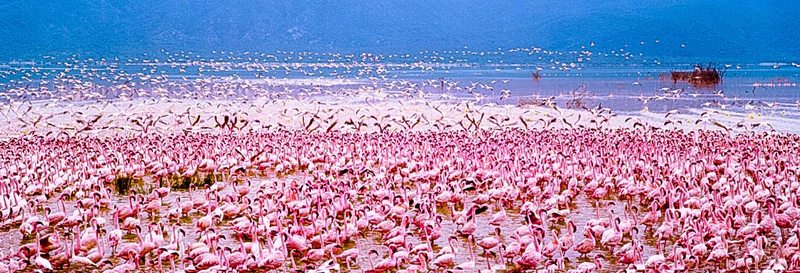
Lake Nakuru’s alkaline shoreline has long been celebrated for gathering flamingos in genuinely spectacular numbers, their pink mass forming one of East Africa’s most photographed natural sights, though the exact scale of any given visit’s flamingo population depends heavily on water levels that shift considerably from year to year.
Why Lake Nakuru Historically Drew Such Large Flamingo Numbers
Lake Nakuru’s alkaline waters support genuinely dense concentrations of the blue-green algae that lesser flamingo specifically feed on, historically making it one of the most significant flamingo feeding sites anywhere in East Africa’s Rift Valley lake system. This algae-rich food source, combined with the lake’s shallow, protected shoreline, created ideal conditions for the massive flocks the park became internationally famous for.
Understanding Recent Water Level Changes
In recent years, Lake Nakuru’s water levels have risen considerably compared to historical norms, a change that has genuinely reduced the shallow algae-rich conditions flamingos specifically favour, causing many birds to shift toward other Rift Valley lakes with more suitable current conditions. This means flamingo numbers at Nakuru can vary significantly between visits, and setting realistic expectations before booking specifically for flamingo viewing is genuinely worth doing.
Where to Find Flamingos in Lake Nakuru
When present in strong numbers, flamingos concentrate along the lake’s shallow shoreline areas where algae growth remains accessible, and viewpoints along the park’s lakeside roads offer genuinely good vantage points for observing whatever flock size is currently gathered. Checking current conditions with your operator before finalising an itinerary specifically prioritising flamingos is genuinely advisable given the variability involved.
Two Flamingo Species Found in Kenya’s Rift Valley
Both lesser and greater flamingo occur across Kenya’s Rift Valley lake system, with lesser flamingo, smaller and pinker, historically forming the massive flocks Nakuru became famous for, while greater flamingo, taller with paler plumage, tend to occur in smaller numbers feeding on small aquatic invertebrates rather than algae specifically.
Lake Nakuru’s Wider Wildlife Beyond Flamingos
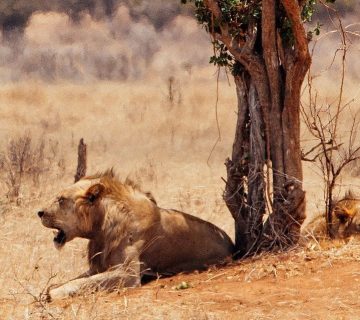
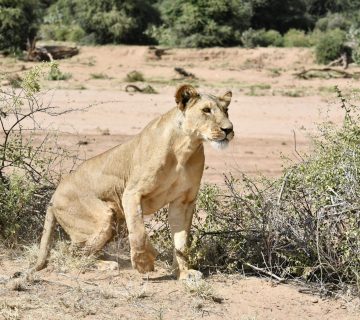
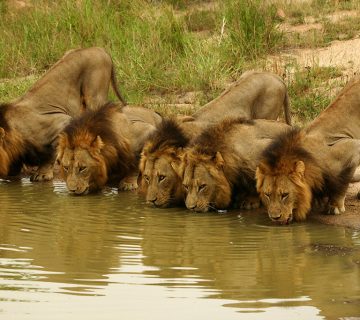
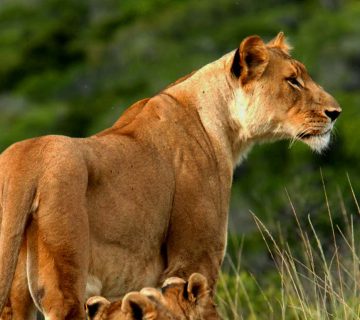
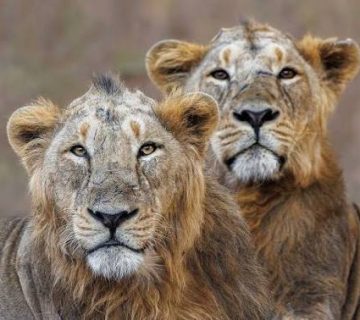
Beyond its historic flamingo fame, Lake Nakuru holds genuinely strong rhino, lion, leopard, and buffalo populations, making the park a genuinely worthwhile destination even during periods when flamingo numbers are lower than historical peaks.
Best Time of Year for Flamingo Sightings
Given the water-level dependency involved, flamingo numbers at Lake Nakuru can shift seasonally and year to year in ways less predictable than typical wildlife patterns, making current, up-to-date information from your operator genuinely more valuable than a fixed seasonal recommendation. See our regional best-time guide for how East Africa’s broader seasonal patterns still affect wider trip planning.
Self-Drive vs Guided Safaris for Flamingo Viewing
Given the genuine variability in current flamingo numbers, a guided safari with up-to-date local knowledge adds real value in directing visitors toward whatever shoreline areas currently hold the strongest concentration, rather than relying on outdated general expectations. Most visitors combine Lake Nakuru with a wider guided Kenya itinerary.
Photographing Lake Nakuru’s Flamingos
When present in strong numbers, flamingos massed along the shoreline offer genuinely spectacular photographic opportunities, particularly with a telephoto lens capturing the sheer density of pink plumage against the lake’s blue water. A capable zoom is worth prioritising, similar to the gear recommended in our camera gear guide.
What to Pack for a Lake Nakuru Safari
Standard game drive gear – neutral clothing, sun protection, and binoculars – covers most of what the park requires. If your wider itinerary includes gorilla trekking, our gorilla trekking packing list covers that portion separately.
Other Rift Valley Lakes for Flamingo Viewing
Given Lake Nakuru’s current water-level shift, nearby Rift Valley lakes including Lake Bogoria and Lake Elementaita have become increasingly significant flamingo destinations in recent years, and travelers specifically prioritising flamingo viewing over the wider Big Five experience Nakuru offers might discuss these alternatives with their operator.
Combining Flamingo Viewing With a Wider Kenya Circuit
Lake Nakuru is commonly combined with the Masai Mara on a standard Kenya itinerary, giving travelers genuine additional wildlife-viewing opportunities across two distinctly different landscapes within a single well-planned trip.
Getting to Lake Nakuru National Park
Lake Nakuru sits within a genuinely comfortable three-hour drive of Nairobi, making it one of the more accessible, convenient parks on a standard Kenya itinerary and a common inclusion on routes heading toward the Masai Mara further west.
How Lesser Flamingo Feed on Alkaline Lakes
Lesser flamingo feed by filtering blue-green algae through specialised comb-like structures in their bill, swinging their head upside-down through shallow alkaline water in a genuinely distinctive feeding motion adapted specifically to this particular food source. This specialised feeding mechanism is part of why lesser flamingo depend so heavily on the exact shallow, algae-rich conditions that Nakuru’s shifting water levels have recently disrupted.
Why Flamingo Numbers Fluctuate Across the Rift Valley
Rift Valley lakes are naturally prone to significant water level fluctuation driven by regional rainfall patterns and underlying geological factors, meaning flamingo populations have historically shifted between different lakes across decades rather than remaining permanently fixed at any single location. This natural fluidity is part of why experienced guides and researchers generally discourage travelers from treating any single lake’s flamingo population as a permanent, unchanging guarantee.
The Pink Colour Explained
Flamingo’s distinctive pink colouring comes directly from pigments in the algae and small invertebrates they consume, meaning birds feeding on a particularly rich, pigment-dense food source often display noticeably brighter plumage than those feeding on a more limited diet. This diet-linked colouring is a genuinely interesting, worthwhile piece of context that helps explain why flamingo flocks can vary quite visibly in colour intensity between different lakes and different time periods.
Flamingo Social Behaviour and Flock Dynamics
Flamingos are genuinely social birds, gathering in large flocks both for feeding efficiency and predator protection, with synchronised movement and feeding patterns that create the visually striking mass displays the species is famous for. Even in reduced numbers, a smaller flamingo flock still displays much of this same coordinated social behaviour, offering a genuinely worthwhile sighting even without the historic massive scale.
Why Lake Nakuru Remains Worth Visiting Regardless
Even setting flamingo numbers aside entirely, Lake Nakuru’s status as one of Kenya’s more reliable rhino destinations, combined with strong lion, leopard, and buffalo populations, makes the park a genuinely worthwhile stop on its own merits. Travelers who arrive with realistic flamingo expectations consistently report a rewarding overall visit regardless of the specific pink-flock scale on any given day.
Why Honest Expectations Matter More Than Marketing
Some older marketing material and outdated online resources still describe Lake Nakuru as guaranteeing enormous flamingo flocks, a characterisation that no longer reflects current conditions and can genuinely disappoint travelers who book specifically for that historic scale without discussing recent water-level changes with their operator first. A transparent, upfront conversation about current conditions genuinely produces a more satisfying visit than an expectation set by outdated information.
Best Lodges for Flamingo and Wider Wildlife Viewing
Properties positioned near the lake’s shoreline genuinely simplify logistics for travelers specifically prioritising flamingo viewing alongside the park’s rhino and predator populations, cutting down on drive time before and after game drives. Discussing lodge location directly with your operator, alongside current information on flamingo presence, is genuinely worth doing before finalising your complete Lake Nakuru itinerary.
What a Guide Can Tell You Before You Book
An experienced local operator with current, on-the-ground knowledge of Lake Nakuru’s water levels and flamingo distribution can genuinely help set accurate expectations before a trip, sometimes recommending a combined itinerary covering Nakuru alongside Bogoria or Elementaita specifically to maximise flamingo-viewing odds for travelers who prioritise the sighting highly.
Other Birdlife Worth Seeing Alongside Flamingos
Beyond flamingos, Lake Nakuru supports a genuinely impressive wider bird list, including pelicans, various stork species, and numerous raptors, making the park a genuinely rewarding, worthwhile birding destination even during periods when flamingo numbers themselves happen to be comparatively modest at that particular time.
Frequently Asked Questions
Are flamingos guaranteed at Lake Nakuru?
No, genuinely not – rising water levels in recent years have reduced the shallow algae-rich conditions flamingos favour, so numbers vary considerably by visit.
Why have flamingo numbers changed at Lake Nakuru?
Higher water levels have reduced the shallow, algae-rich shoreline conditions lesser flamingo specifically depend on for feeding.
Is Lake Nakuru still worth visiting without guaranteed flamingos?
Genuinely yes – the park holds strong rhino, lion, leopard, and buffalo populations regardless of current flamingo numbers.
Where else can I see flamingos in Kenya?
Lake Bogoria and Lake Elementaita have become increasingly significant alternative destinations given Nakuru’s recent water-level changes.
What’s the difference between lesser and greater flamingo?
Lesser flamingo are smaller and pinker, feeding on algae, while greater flamingo are taller with paler plumage, feeding on small aquatic invertebrates.
Ready to Plan Your Lake Nakuru Safari?
Whether flamingo viewing, the park’s strong rhino population, or a full Kenya itinerary combining the Mara is your priority, our team can build a trip matched to your time and interests, with current conditions factored in. Get in touch with our team below today and let’s start planning your complete Kenya safari itinerary together.

No comment