
Community Conservation and Lion Protection in Uganda
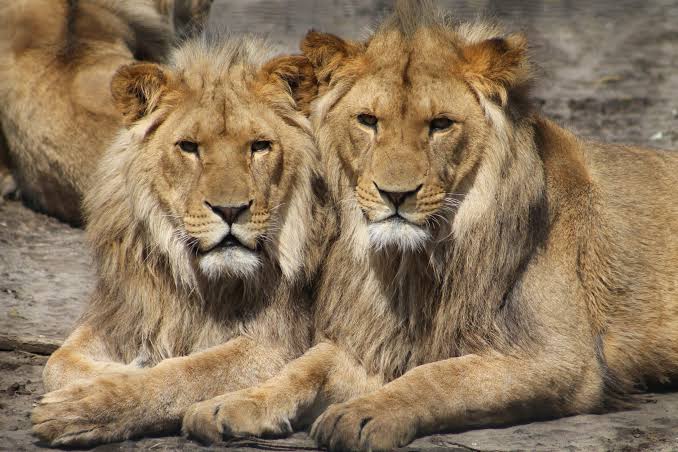
Community-based conservation plays an increasingly central role in protecting Uganda’s lion populations, since long-term survival for prides living near park boundaries depends as much on the cooperation and goodwill of neighbouring communities as it does on ranger patrols within the park itself.
This guide covers exactly how Uganda’s community conservation model works in practice, from revenue-sharing and predator-proof bomas through to education programmes and the long-term funding these initiatives require to succeed.
Why Community Cooperation Matters More Than Enforcement Alone
Uganda’s lion populations, particularly within Queen Elizabeth National Park, live alongside a considerable human population along the park’s unfenced boundaries, meaning enforcement-only conservation approaches struggle to succeed without also addressing the underlying economic pressures and safety concerns driving conflict between local communities and resident wildlife. Our guide on Queen Elizabeth’s lion population covers the park’s overall pride distribution most directly affected by this boundary dynamic, and why this specific park has become a genuine focal point for community conservation innovation.
How Revenue-Sharing Programmes Build Local Support for Conservation
The Uganda Wildlife Authority operates a formal revenue-sharing scheme, returning a defined percentage of park entrance fees to communities living adjacent to protected areas, funding local infrastructure like schools, health clinics, and roads. This gives neighbouring communities a direct, tangible stake in the park’s continued tourism success, reframing wildlife protection as something that benefits them economically rather than purely representing lost grazing land or livestock risk, a shift in perception that takes sustained years of consistent, reliable payments to fully establish.
Predator-Proof Bomas: A Practical Conflict-Reduction Tool
Reinforced livestock enclosures, known as predator-proof bomas, represent one of the most effective, practical tools reducing lion-related livestock losses near Queen Elizabeth’s boundaries, since a well-constructed boma considerably reduces the opportunity for lions to prey on cattle overnight, the period when most documented conflict incidents occur. Community-focused conservation organisations have helped fund and construct these enclosures across numerous boundary villages in recent years. Our guide on night game drives covers the same nighttime hunting pattern that makes boma protection so necessary in the first place.
Why Retaliatory Killing Remains the Core Problem These Programmes Address
Retaliatory killing following livestock predation represents one of the most significant direct threats facing lions living near unprotected community land, since a herder who has lost cattle to a lion attack has a strong, understandable incentive to kill the responsible animal or poison a nearby carcass to prevent future losses. Our guide on how many lions remain in Africa covers this same conflict dynamic at a continent-wide scale, situating Uganda’s specific programmes within this much larger, shared conservation challenge.
How Early-Warning and Rapid-Response Systems Help Prevent Conflict
Some community programmes operate early-warning systems, alerting herders when lions have been tracked moving toward grazing areas or community land, giving communities time to move livestock or take additional precautions before an encounter occurs rather than only responding after a loss has already happened. These systems often rely on the same radio-collar tracking technology used for research purposes, repurposed here for a directly practical, community-protective application.
Why Community Rangers and Local Employment Strengthen This Model
Hiring and training local community members as rangers, guides, and conservation staff creates a direct economic incentive tied to the park’s ongoing wildlife health, since community members employed within the tourism and conservation sector have a personal stake in seeing lion populations thrive rather than viewing them purely as a source of risk or lost livestock. Our guide on the lion’s role in the savanna ecosystem covers the broader ecological value this local workforce ultimately helps protect.
How Education Programmes Shape Attitudes Toward Lions Long-Term
Conservation organisations run school and community education programmes within boundary communities, building understanding of lions’ ecological role and the tourism value they represent, an investment that pays off gradually over a generation rather than producing immediate, measurable results the way a boma construction project might. Our roundup of essential lion facts for safari-goers covers some of the same foundational content these local education programmes teach to younger community members.
Why Compensation Schemes Remain a Contested but Important Tool
Some conservation programmes operate livestock-loss compensation schemes, providing financial payment when a confirmed lion attack kills livestock, though these schemes face real implementation challenges, including verification difficulty and funding sustainability, meaning their effectiveness varies considerably depending on how well a specific programme is administered and funded over time. Our guide on how climate change affects lion populations covers how drought compounds this same conflict pressure further.
How Tourism Revenue Funds This Entire Conservation Ecosystem
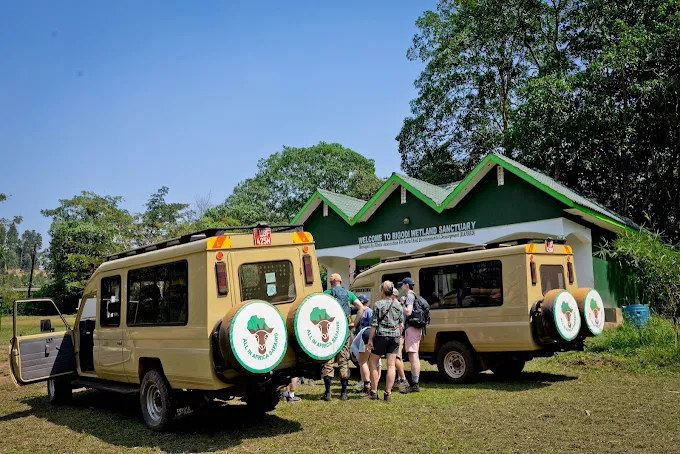
Safari tourism revenue underpins much of this community conservation infrastructure, from boma construction funding to ranger salaries to the revenue-sharing payments themselves, meaning travelers choosing responsible, well-managed safari operators contribute directly to the specific programmes covered throughout this guide. Our guide on whether lions are dangerous to safari vehicles covers the visitor experience side of this same tourism-conservation relationship, the reassuring flip side of the conservation funding story covered here.
Why This Model Offers Lessons Beyond Uganda’s Borders
Uganda’s community-based conservation model offers a template other lion range states have studied and partially adapted, since the core insight, that long-term wildlife protection requires addressing human community needs alongside enforcement, applies broadly across most human-wildlife conflict zones rather than being unique to Uganda’s specific circumstances. Our guide on Akagera’s reintroduced lion population covers a comparable community-inclusive conservation model applied in neighbouring Rwanda.
How Travelers Can Support This Work Directly
Choosing operators and lodges with genuine, verifiable community and conservation investment commitments helps direct tourism spending toward the specific programmes covered in this guide, rather than simply supporting a generic safari experience disconnected from the on-the-ground conservation work sustaining the wildlife travelers come to see. Asking a prospective operator directly about their specific community partnerships offers a useful, practical way to evaluate this commitment before booking a trip.
How NGOs and Government Agencies Coordinate This Work
Effective community conservation requires close coordination between the Uganda Wildlife Authority, international and local conservation NGOs, and community leadership structures, since no single organisation holds all the resources, local trust, and enforcement authority needed to run a comprehensive programme alone. This multi-stakeholder coordination represents one of the more complex, ongoing organisational challenges behind the visible, tangible results like boma construction and revenue-sharing payments.
Why Long-Term Funding Commitment Matters More Than One-Time Projects
Community conservation programmes require sustained, multi-year funding commitment rather than one-off project investment, since conflict-mitigation infrastructure like bomas requires ongoing maintenance, and trust-building with communities takes years of consistent engagement to fully establish, meaning short-term or inconsistently funded programmes struggle to produce the same lasting impact as well-resourced, sustained initiatives.
How Community-Owned Tourism Enterprises Add Another Income Stream
Beyond formal revenue-sharing, some communities near Queen Elizabeth National Park operate their own small-scale tourism enterprises, including cultural visits, craft sales, and community-run guesthouses, giving local households an additional, direct income stream tied to the same visitor traffic wildlife tourism brings, further reinforcing the economic case for coexisting with, rather than eliminating, nearby predator populations, a diversified approach beyond revenue-sharing payments alone.
Why Measuring Success Remains an Ongoing Challenge
Conservation organisations track metrics like reported livestock losses, retaliatory killing incidents, and boma adoption rates to assess programme effectiveness, though isolating the precise impact of any single intervention from the many overlapping factors affecting human-wildlife conflict remains methodologically challenging, meaning most programmes rely on tracking broad trends over multiple years rather than claiming precise, attributable results from any one specific initiative alone.
Frequently Asked Questions
A few quick answers to the questions travelers ask most often about community conservation and Uganda’s lions.
Does Uganda share park revenue with local communities?
Yes – The Uganda Wildlife Authority operates a formal revenue-sharing scheme funding local schools, clinics, and infrastructure.
What is a predator-proof boma?
A reinforced livestock enclosure designed to prevent lions from preying on cattle overnight, considerably reducing conflict incidents for local herders.
Why do lions sometimes get killed in retaliation?
Herders who lose livestock to lion attacks sometimes retaliate against the responsible animal, which is exactly what these community programmes aim to prevent.
Do compensation schemes for livestock loss work well?
They can help, though they face real challenges around verification and consistent long-term funding across different community programmes.
Does safari tourism fund this community conservation work?
Yes – Tourism revenue underpins much of the boma construction, ranger salaries, and revenue-sharing payments described throughout this guide.
Ready to Plan Your Uganda Safari?
Whether you’re focused on Queen Elizabeth’s lions or a wider conservation-minded Uganda itinerary, our team can build a trip matched to your interests. Get in touch with our team below today and let’s start planning your complete Uganda safari itinerary together.

No comment