
Congo’s Virunga National Park: Does It Have Lions?
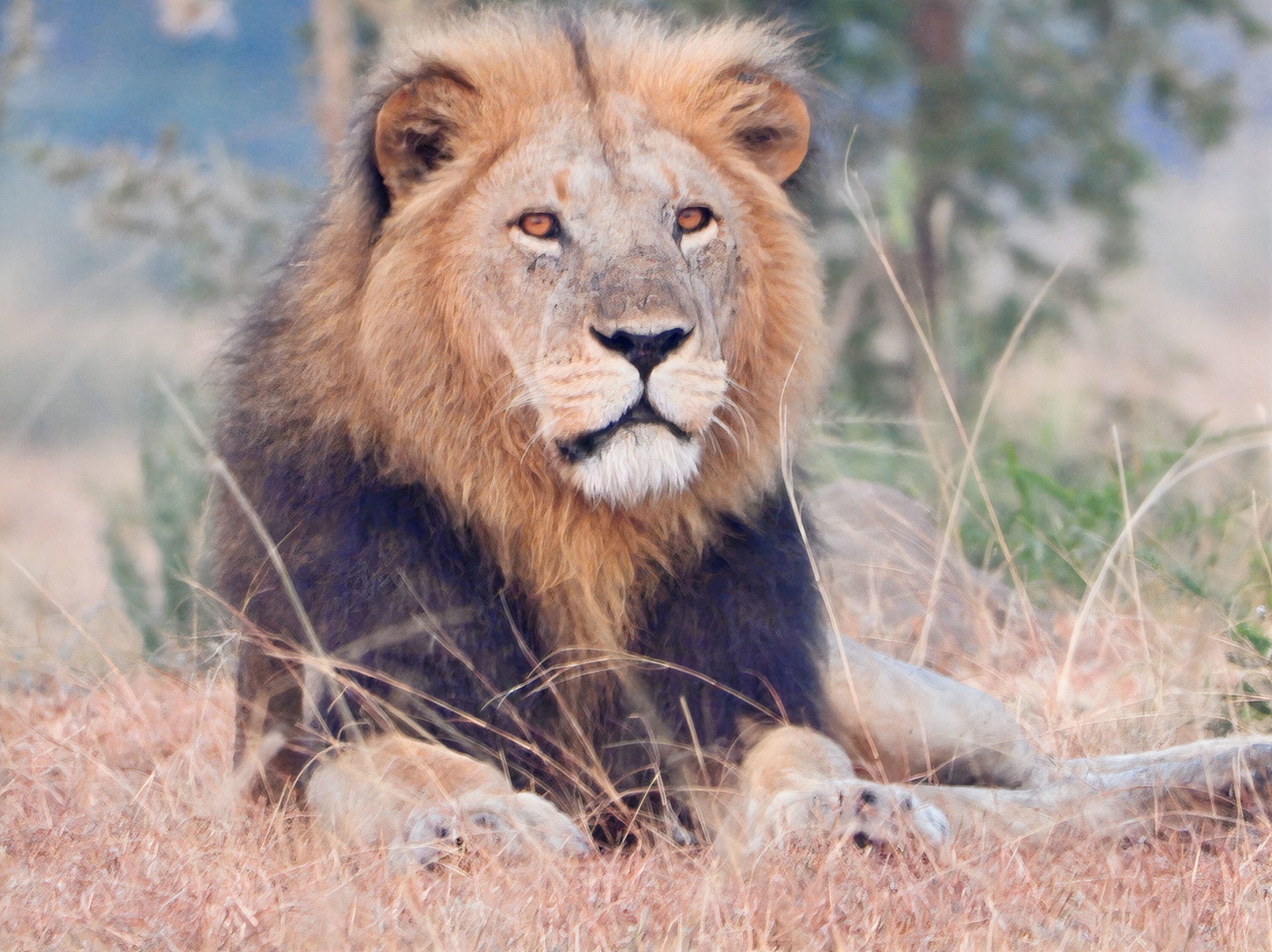
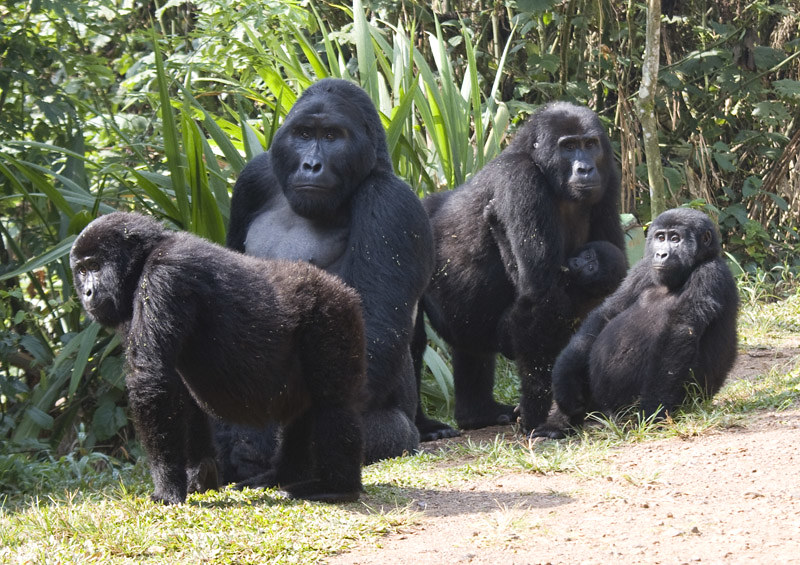
Virunga National Park does hold a resident lion population, but concentrated specifically within the park’s southern Ishasha sector savanna plains rather than the volcanic mountain and forest terrain most visitors associate with Virunga’s famous gorilla trekking, meaning lions and gorillas occupy distinctly separate zones within the same very large park.
This guide covers exactly where Virunga’s lions are found, why they remain less documented than the park’s famous gorillas, and what this means for planning a realistic visit.
Why Virunga’s Geography Supports Both Lions and Gorillas
Virunga spans an unusually wide range of habitat types for a single park, from the volcanic Virunga Mountains and dense Afromontane forest supporting mountain gorillas in the south, to savanna and swamp habitat further north around Lake Edward, a considerable geographic range that allows the park to support both lions and gorillas without either species overlapping into unsuitable terrain. This habitat diversity makes Virunga one of Africa’s most ecologically varied single protected areas, spanning from active volcanic slopes to open floodplain within one continuous boundary.
Where Virunga’s Lions Are Found
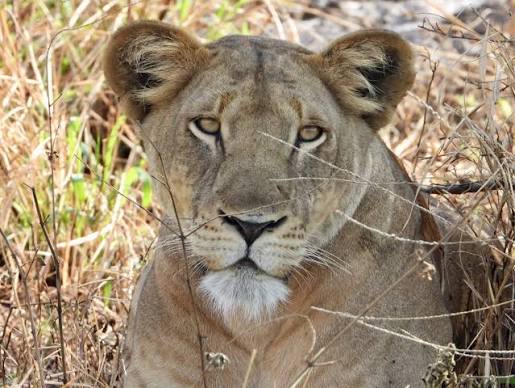
Virunga’s documented lion population concentrates around the park’s savanna sections bordering Uganda’s Queen Elizabeth National Park, an area continuous with Uganda’s own Ishasha sector, meaning lions here effectively belong to the same broader cross-border population rather than an entirely separate, isolated Congolese group. Our guide on the tree-climbing lions of Ishasha covers the Ugandan side of this same shared ecosystem in more depth, including the specific tree-climbing behaviour well documented there, a trait that likely occurs to some degree on the Congolese side too given the shared, continuous population, though far less consistently observed given limited research access.
Why Virunga’s Lion Population Remains Considerably Smaller Than Its Gorillas’ Fame
Despite this documented presence, Virunga’s lion population remains considerably smaller and less consistently studied than the park’s globally famous mountain gorilla population, a reflection of the region’s prolonged instability and considerably more limited research access to the park’s savanna sections compared to the more secure, heavily visited gorilla trekking zones. This gap between the two species’ relative fame says more about accessibility and research history than it does about the lions’ actual ecological significance within the wider park.
Why Regional Instability Complicates Lion Population Assessment
Ongoing security challenges within parts of eastern DRC limit how consistently researchers and rangers can access and monitor Virunga’s savanna sections, meaning population estimates for the park’s lions carry more uncertainty than the comparatively well-documented figures available for lion populations in more stable, heavily researched ecosystems like the Serengeti or Masai Mara. Our guide on how many lions remain in Africa covers how research access limitations like this affect population estimates more broadly across the continent.
How This Compares to Uganda’s Better-Documented Ishasha Population
Given Uganda’s considerably more stable security situation and sustained tourism infrastructure, the Ugandan side of this shared Ishasha ecosystem offers travelers a far more reliable, well-documented lion-viewing experience than attempting a lion-focused visit to Virunga’s Congolese side specifically. Our guide on Queen Elizabeth’s lion population covers this considerably more accessible population in more depth, making it the practical choice for travelers specifically prioritising a reliable lion sighting within this shared ecosystem.
Why Most Virunga Visitors Come for Gorillas, Not Lions
The overwhelming majority of Virunga’s international visitors travel specifically for mountain gorilla trekking, and the park’s tourism infrastructure, permits, and marketing reflect this focus almost entirely, meaning travelers specifically prioritising lion sightings should treat Virunga’s gorilla trekking and Uganda’s Ishasha lion sector as two separate trip components rather than expecting to combine both within a single Virunga visit. Our guide on whether lions live in rainforest gorilla parks covers this same habitat-driven separation from Uganda’s side of the border.
What Else Virunga Offers Beyond Gorillas and Lions
Beyond its famous gorillas and lesser-known lions, Virunga holds remarkable additional wildlife diversity, including the active Nyiragongo volcano, considerable primate diversity, and substantial birdlife, making the park a rich, rewarding destination even for travelers not specifically focused on either headline species alone. Our guide on how lion prides are structured covers the social system underlying whatever lion population a given ecosystem, Virunga included, ultimately supports.
Practical Considerations for Visiting Virunga
Given the park’s location within a historically unstable region of eastern DRC, travelers should research current security conditions and travel advisories carefully before planning a Virunga visit, and work with an operator experienced in current on-the-ground conditions rather than relying on general assumptions about park safety.
Conditions vary considerably by specific period and can change relatively quickly, meaning advice that was accurate even a year prior may not reflect current circumstances, reinforcing why working with an operator maintaining active, current local relationships matters considerably more here than for more consistently stable destinations elsewhere in the region.
How This Fits Into a Wider Congo or Regional Itinerary
Travelers specifically interested in Virunga typically combine the visit with gorilla trekking in neighbouring Uganda or Rwanda, given the shared Virunga Massif ecosystem spanning all three neighbouring countries’ bordering parks, a practical way to diversify a primate-focused itinerary across multiple accessible entry points and border crossings. Our guide on a sample 5-day Uganda lion safari itinerary covers a practical way to combine Uganda’s more accessible Ishasha lions with a wider regional trip.
Why This Question Comes Up Often Among Prospective Visitors
Given Virunga’s overwhelming gorilla-trekking reputation, it’s understandable that many prospective visitors assume the park is exclusively a gorilla destination, making this a common question worth addressing directly rather than leaving travelers to discover the park’s fuller wildlife picture only after arrival, since accurate expectations matter considerably more once security and logistics planning enter the picture too.
How This Cross-Border Lion Population Illustrates a Broader Pattern
Virunga and Queen Elizabeth’s shared lion population illustrates a pattern seen across several East and Central African border regions, where wildlife populations don’t recognise national boundaries and effectively function as one continuous ecosystem split across separate countries’ management and tourism infrastructure, each with its own distinct level of accessibility and research investment.
Why Conservation Collaboration Across This Border Matters
Given this shared population, effective long-term lion conservation benefits from coordination between Congolese and Ugandan park authorities, since a population effectively straddling an international border can’t be fully protected through one country’s efforts alone, regardless of how well-resourced that particular side’s conservation programme might be. Our guide on community conservation and lion protection in Uganda covers exactly this kind of coordinated approach from the more accessible Ugandan side.
How Virunga’s Lion Population Compares to Rwanda’s Reintroduced Akagera Prides
Unlike Rwanda’s Akagera National Park, where lions were locally extinct for roughly two decades before a carefully managed reintroduction rebuilt a stable population, Virunga’s lions represent a naturally persisting, never-extirpated population, though one far less consistently monitored given the region’s ongoing security challenges. Our guide on Akagera’s reintroduced lion population covers Rwanda’s different recovery story by comparison, a useful contrast in how regional instability versus full local extinction each shape a population’s conservation path very differently.
Why Long-Term Stability Remains Key to Virunga’s Wildlife Future
Virunga’s long-term wildlife future, lions included, depends heavily on sustained regional stability allowing consistent ranger presence and research access, since even a resilient wildlife population can’t be adequately protected without the basic security conditions that consistent conservation work requires across the full extent of a park this size, a challenge considerably harder to solve than any single conservation programme alone can address.
Frequently Asked Questions
A few quick, useful answers to the questions travelers ask most often about Virunga National Park and its lions specifically.
Does Virunga National Park have lions?
Yes – A resident population exists within the park’s southern savanna sections, directly connected to Uganda’s neighbouring Ishasha ecosystem.
Can I see both gorillas and lions on one Virunga visit?
Not practically – The two species occupy separate zones within the park, and most visitor infrastructure focuses almost entirely on gorilla trekking specifically.
Is Virunga’s lion population well documented?
Less so than Uganda’s Ishasha population, given regional instability limiting consistent research access to the park’s savanna areas.
Where can I reliably see this same lion population?
Uganda’s Queen Elizabeth National Park offers the far more accessible, well-documented, and consistently visited side of this same shared cross-border ecosystem.
Is it safe to visit Virunga National Park?
Security conditions vary considerably by period, so research current advisories carefully and work with an experienced local operator before planning any visit.
Ready to Plan Your Uganda or Rwanda Safari?
Whether you’re focused on gorilla trekking, Uganda’s more accessible Ishasha lions, or a wider regional multi-country itinerary, our team can build a trip matched to your interests. Get in touch with our team below today and let’s start planning your complete safari itinerary together.


No comment