
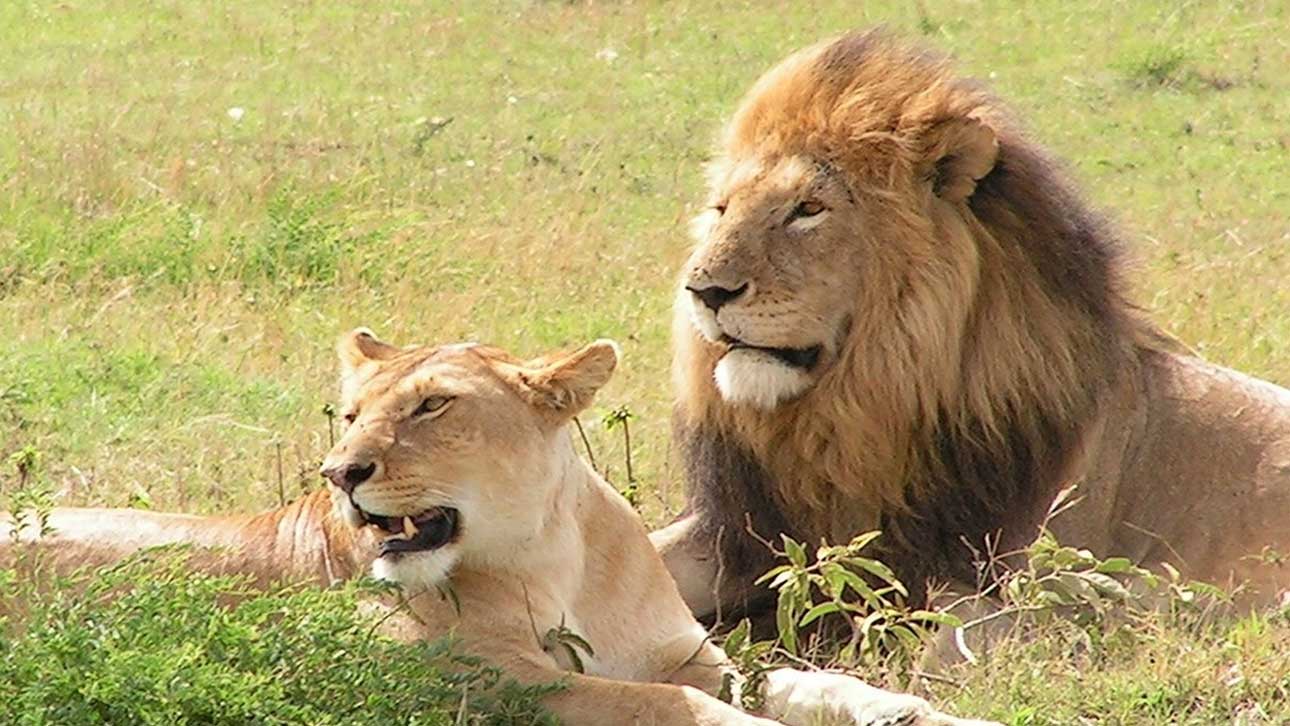
Lions in Akagera National Park represent Rwanda’s other great predator comeback story – locally extinct by the early 2000s after years of poaching and conflict-related killing, seven lions were reintroduced from South Africa in 2015, and the pride has grown steadily and consistently since into a genuinely healthy, well-established population.
The Story of Lion Reintroduction to Akagera
Rwanda’s lions disappeared entirely from Akagera during the difficult years following the 1994 genocide, when returning refugees and their cattle herds moved into the park’s boundaries, leading to conflict-driven killing of remaining predators. The 2015 reintroduction, bringing seven lions from South Africa’s Phinda and Tembe reserves, marked the first lions in Rwanda in fifteen years, a genuinely significant milestone in the park’s broader conservation recovery story.
Where to Find Lions in Akagera
Akagera’s lion prides range across the park’s savannah and woodland habitat, with rangers monitoring pride movement closely given the population’s relatively recent establishment and continued growth. Sightings have become increasingly reliable as the population has settled and expanded since the initial reintroduction, though a guided game drive with current tracking knowledge genuinely improves your odds.
How the Lion Population Has Grown
From the original seven reintroduced individuals, Akagera’s lion population has grown substantially through successful breeding, a genuine conservation success that reflects both the park’s improved security infrastructure and the underlying quality of its savannah habitat. Continued growth and genetic diversity remain an ongoing management focus, much as with the park’s parallel rhino reintroduction programme.
Akagera’s Full Big Five Picture
With lion re-established alongside reintroduced rhino and existing elephant, buffalo, and leopard populations, Akagera offers Rwanda’s only genuine Big Five game-viewing experience, a real complement to the country’s famous gorilla trekking. See our Akagera Big Five overview for the park’s wider conservation comeback story.
The Boundary Fence and Human-Wildlife Conflict
A boundary fence completed in 2013, part of the broader African Parks management partnership that began in 2010, was essential groundwork for the lion reintroduction, significantly reducing the human-wildlife conflict that had contributed to the original population’s disappearance. This infrastructure investment protects both the park’s predators and surrounding communities, a genuinely important foundation for the reintroduction’s long-term success.
Best Time of Year for Lion Sightings
Akagera’s lions are visible year-round given their resident status, though the dry seasons, roughly June to September and December to February, offer easier visibility as vegetation thins across the park’s savannah. This pattern matches the broader best-time guidance for Akagera’s wider Big Five game viewing generally.
How Akagera Compares to Uganda and Kenya for Lion Viewing
Uganda’s Murchison Falls and Queen Elizabeth both offer more established, longer-running lion populations, while Akagera’s more recent reintroduction gives it a genuinely different, actively unfolding conservation story appealing to travelers interested in witnessing recovery in progress.
Self-Drive vs Guided Safaris for Lion Viewing
Given the value of current tracking knowledge in locating a relatively young, still-establishing population, a guided safari is genuinely the better choice for lion-focused visits to Akagera rather than independent exploration. Most visitors combine guided lion tracking with standard Big Five game drives across the rest of the park.
Photographing Akagera’s Lions
Akagera’s open savannah terrain offers genuinely strong photographic conditions for lion sightings, particularly in the soft light of early morning or late afternoon game drives when prides are most active. A mid-range zoom covers most sightings well, since lions in Akagera’s more open habitat often allow reasonably close, unobstructed viewing.
Combining Lion Viewing With Gorilla Trekking
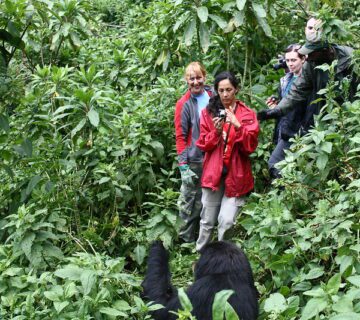
Many Rwanda itineraries now combine Akagera’s Big Five game drives, lion included, with gorilla trekking in Volcanoes National Park, giving travelers a genuinely complete Rwanda wildlife experience spanning both savannah and mountain forest ecosystems. See our guide to timing a combined Rwanda itinerary for how to sequence both experiences efficiently.
Community Benefits From Akagera’s Recovery
Akagera’s transformation has delivered tangible benefits to surrounding communities, with tourism revenue funding schools, healthcare, and other infrastructure projects, while the boundary fence has significantly reduced crop-raiding and conflict incidents involving both lion and other wildlife. This community benefit model has been central to sustaining local support for the park’s ongoing conservation work.
Getting to Akagera National Park
Akagera sits in eastern Rwanda, roughly two to three hours’ drive from Kigali, making it a genuinely convenient add-on for travelers already spending time in the capital before or after gorilla trekking further west. This relatively short transfer distance is part of why combining Akagera with Volcanoes National Park has become such a popular way to build a complete Rwanda itinerary.
What to Pack for an Akagera Safari
Standard game drive gear – neutral clothing, sun protection, and binoculars – covers most of what Akagera requires, and given the park’s warmer, lower-altitude savannah climate compared to Volcanoes National Park, lighter layers are worth prioritising. Our gorilla trekking packing list covers the cooler high-altitude portion of a combined Rwanda itinerary separately.
Why Rwanda Prioritised Lion Reintroduction
Beyond the ecological value of restoring a keystone predator to Akagera’s food web, lion reintroduction carried real symbolic and economic weight for Rwanda’s broader conservation and tourism strategy, signalling the country’s capacity to manage a genuine Big Five destination alongside its already internationally renowned gorilla trekking. This dual positioning – mountain forest primates and savannah Big Five – has become central to how Rwanda now markets itself as a complete wildlife destination rather than a single-attraction country.
Lion Pride Structure and Social Behaviour in Akagera
Like lion prides elsewhere in Africa, Akagera’s growing population operates under a social structure built around related females who remain within the pride for life, while young males eventually disperse to establish or challenge for territory elsewhere. Watching this social dynamic unfold within a genuinely young, still-establishing population offers researchers and visitors alike a rare window into pride formation dynamics rarely observable in longer-established populations.
Ongoing Monitoring and Research
Akagera’s management team continues close monitoring of the lion population’s health, breeding success, and territorial dynamics, data that contributes not just to the park’s own conservation planning but to the broader body of knowledge around lion reintroduction as a conservation tool applicable elsewhere in Africa. This research value adds a genuine layer of significance to Akagera’s lions beyond their tourism draw alone, informing similar reintroduction efforts being considered at other former lion ranges across the wider region.
Akagera’s Boat Safari and Wider Wildlife
Beyond its Big Five draw, Akagera offers boat safaris on Lake Ihema, part of the park’s wetland system, adding hippo, crocodile, and excellent birdlife to a visit alongside standard game drives focused on lion and the park’s other predators. This activity gives travelers a genuinely different perspective on the park beyond vehicle-based Big Five tracking, rounding out an Akagera visit with real variety.
Combining Akagera With a Wider East Africa Circuit
Travelers building a longer regional trip sometimes combine Akagera with Uganda’s Big Five parks or Nyungwe’s chimp trekking, given Rwanda’s convenient position within the wider Albertine Rift region and relatively short transfer distances between neighbouring countries’ key parks.
Lion Prey Base in Akagera
Akagera’s savannah supports a healthy prey base of impala, topi, zebra, and other grazing species, giving the reintroduced lion population the resources needed to sustain and grow its numbers naturally since 2015. This robust prey availability was a key factor conservation planners considered before the reintroduction, ensuring the returning lions had a genuine, self-sustaining food source rather than requiring ongoing management intervention.
Visiting Responsibly: Supporting Ongoing Conservation
Every visitor to Akagera contributes directly to the park’s ongoing conservation funding through park fees and guided activity costs, supporting the same ranger patrols, monitoring programmes, and community engagement work that made the lion reintroduction possible in the first place. Choosing a reputable local operator who works closely with park management, rather than a purely budget-driven option, further ensures your visit genuinely supports this ongoing conservation success rather than simply passing through.
Frequently Asked Questions
When were lions reintroduced to Akagera?
Seven lions arrived from South Africa in 2015, the first in Rwanda in fifteen years, following their local extinction after the 1994 genocide’s aftermath.
Is a lion sighting guaranteed in Akagera?
Not guaranteed, though sightings have become increasingly reliable as the population has grown and settled since reintroduction, particularly with an experienced guide.
Does Akagera now have the full Big Five?
Yes, with both lion and rhino reintroduced alongside existing elephant, buffalo, and leopard populations, Akagera offers Rwanda’s only genuine Big Five destination.
Can I combine Akagera’s lions with gorilla trekking?
Yes, this combination has become increasingly popular, giving travelers both savannah Big Five viewing and Rwanda’s signature gorilla trekking on the same trip.
How does Akagera compare to Uganda’s parks for lion viewing?
Uganda’s Murchison Falls and Queen Elizabeth offer more established populations, while Akagera provides a genuinely newer, actively unfolding conservation recovery story.
Ready to Plan Your Akagera Safari?
Whether Akagera’s remarkable lion reintroduction story, a full Big Five circuit, or a combination with gorilla trekking is your priority, our team can build a Rwanda itinerary matched to your interests. Get in touch with our team below today and let’s start planning your complete Rwanda safari together.


No comment