

How Climate Change Is Affecting Lion Populations
Climate change represents an increasingly significant, if less immediately visible, pressure on Africa’s remaining lion populations, working through shifting rainfall patterns, prey base disruption, and intensifying human-wildlife conflict rather than posing any direct physiological threat to lions themselves.
This guide covers the specific mechanisms through which climate change affects lion populations, which ecosystems face the greatest risk, and what conservation organisations and travelers alike are doing to help build resilience against these compounding pressures.
How Shifting Rainfall Patterns Disrupt Prey Availability
Lions depend entirely on the health of their prey base, and researchers have documented increasingly erratic rainfall patterns across parts of East Africa, longer, more severe dry spells interspersed with periods of unusually intense rainfall, disrupting the grassland growth cycles that sustain the wildebeest, zebra, and buffalo populations lions rely on. When prey herds decline or shift their movement patterns in response to changing vegetation, lion populations feel the downstream effect through reduced hunting success and lower cub survival rates.
This connection runs both ways too: healthier, well-managed grassland with strong soil and root structure withstands erratic rainfall considerably better than degraded land already stressed by overgrazing or unsustainable land use, meaning habitat management quality interacts directly with climate resilience rather than climate change acting as a fully independent, unrelated pressure on an otherwise stable ecosystem.
Why Migratory Ecosystems Face a Distinct Climate Risk
Ecosystems built around predictable seasonal migration, like the Great Migration through the Serengeti-Mara, depend on rainfall patterns staying reasonably consistent with historical norms, since migratory herds time their movement around expected grass growth and water availability. Climate-driven disruption to these patterns risks decoupling migration timing from actual conditions on the ground, a mismatch that could meaningfully affect the hunting success of resident prides timed around intercepting these herds, as covered in our guide on Serengeti lion safaris. Non-migratory populations, by contrast, face a different version of this same underlying risk, since a resident pride confined to fixed territory simply cannot follow shifting rainfall the way a migratory herd, and the lions tracking it, can.

How Drought Intensifies Human-Wildlife Conflict
Extended drought periods push wild prey populations to range further in search of water and grazing, sometimes bringing them, and the lions following them, into closer contact with human settlements and livestock than would otherwise occur. This compounds the existing human-wildlife conflict pressure our broader guide on Africa’s declining lion population covers, since climate-driven habitat stress and traditional conflict drivers increasingly overlap and reinforce one another rather than operating as separate, independent pressures.
Pastoralist communities living near park boundaries feel this compounding pressure directly too, since their own livestock face the same drought-driven grazing and water scarcity pushing wild prey closer to settlements, meaning both wildlife and human communities are competing for an increasingly constrained resource base during severe dry periods, a dynamic that makes community-focused conflict mitigation programmes considerably more important as climate variability increases rather than less.
Why Water Source Reliability Matters More Under Changing Conditions
Lions obtain a meaningful share of hydration from prey blood and body fluids, but regular access to open water still matters considerably for both lions and the prey they depend on, and increasingly unpredictable seasonal water availability forces both predator and prey populations to concentrate around a shrinking number of reliable water sources during extended dry periods, a concentration that can increase competition and disease transmission risk within an ecosystem. Our guide on what lions eat and how they hunt covers more about how lions supplement hydration through prey specifically.
How Protected Areas With Permanent Water Offer More Climate Resilience
Ecosystems with reliable permanent water sources, such as Ngorongoro Crater’s Lake Magadi and surrounding groundwater forest, offer resident lion populations somewhat more insulation against rainfall variability than ecosystems more heavily dependent on seasonal water alone. This kind of geographic and hydrological resilience matters increasingly as conservation planners factor climate projections into decisions about which ecosystems warrant the heaviest long-term protection investment.
Ecosystems fed by underground springs, similar to the groundwater forest supporting Lake Manyara’s tree-climbing lion population, offer a comparable hydrological buffer against surface rainfall variability, since groundwater sources typically respond to drought considerably more slowly than rain-fed rivers and seasonal pans do, giving resident wildlife populations more time to adjust before water becomes critically scarce.
Why Smaller, Isolated Lion Populations Face Higher Climate Risk
Smaller, more isolated protected areas have less room to absorb climate-driven habitat shifts than larger, more connected ecosystems, since a population confined to a fixed, limited territory can’t simply relocate in response to changing conditions the way a population with access to a wider connected range could. This adds another dimension to the same genetic-isolation vulnerability documented in populations like Ngorongoro’s inbred resident prides, compounding an existing structural weakness rather than introducing an entirely separate risk. Our guide on Akagera’s reintroduced lion population covers a similar isolation challenge from a different conservation angle.
How Researchers Are Modelling Future Climate Impact on Lion Range
Conservation researchers have begun incorporating climate projection models into long-term lion habitat planning, attempting to identify which currently protected ecosystems are likely to remain climatically suitable decades from now versus which may face increasing habitat stress, work that remains ongoing and carries real scientific uncertainty given how complex regional climate prediction remains at this geographic scale.
This modelling increasingly factors into decisions about wildlife corridor investment too, since connecting currently separate protected areas would give lion populations more room to shift range gradually in response to changing conditions, rather than remaining trapped within a fixed boundary as local conditions deteriorate, a long-term, resource-intensive undertaking that most conservation organisations describe as still in comparatively early stages across the region.
International funding for this kind of long-range climate-adaptation planning remains considerably more limited than funding for more immediate, visible priorities like anti-poaching patrols, meaning progress on corridor connectivity and climate-informed habitat planning tends to happen more slowly than the underlying urgency might otherwise warrant, a genuine funding gap several conservation organisations have publicly flagged as needing greater donor attention.
Why Responsible Tourism Still Matters Under a Changing Climate
Safari tourism revenue continues funding the anti-poaching, habitat protection, and community conflict-mitigation work that helps lion populations weather these compounding pressures, meaning the conservation value of responsible, well-managed tourism holds regardless of climate change’s specific trajectory, arguably becoming more important as ecosystems face additional strain rather than less. Our guide on essential lion facts for safari-goers covers several more foundational details worth understanding before your trip, climate pressures included.
What Travelers Can Do to Support Climate-Resilient Conservation
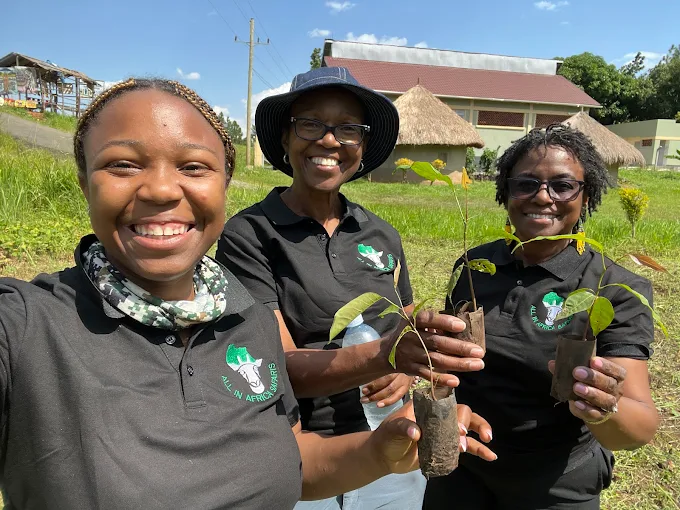
Choosing operators and lodges with genuine, verifiable conservation and community investment commitments helps direct tourism revenue toward the kind of long-term habitat and water-source protection work that builds climate resilience, rather than simply supporting a generic safari experience with no meaningful conservation dimension attached.
Travel timing also plays a role worth considering: visiting during the dry season, when wildlife concentrates predictably around remaining water sources, offers strong viewing odds while placing comparatively less additional pressure on an ecosystem already under seasonal water stress than off-peak, less predictable travel patterns might, particularly across high-visitor-volume parks already managing considerable seasonal tourist traffic.
How This Fits Into the Bigger Picture of Big Five Conservation
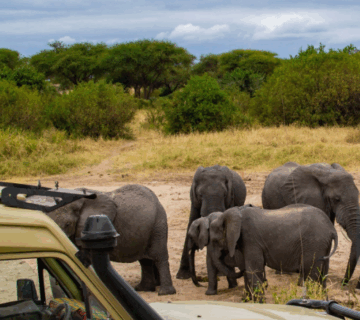
Lions aren’t unique in facing climate-linked pressure. Rhino, elephant, and buffalo populations across the same ecosystems depend on the same water sources and vegetation patterns, meaning conservation investment protecting one species’ climate resilience tends to benefit the entire shared ecosystem rather than any single species in isolation. Our guide on rhino conservation challenges covers a species facing its own distinct combination of pressures within these same shared landscapes, while elephants’ considerable water and vegetation needs, covered in our guide on elephant herd behaviour, make them an equally useful indicator species for tracking a shared ecosystem’s overall climate resilience.
Frequently Asked Questions
Does climate change directly harm lions physically?
Not directly – the impact works mainly through disrupted prey availability, water access, and increased human-wildlife conflict.
Are migratory ecosystems more vulnerable to climate change?
Yes – ecosystems built around predictable seasonal migration depend on rainfall patterns staying consistent with historical norms.
Does drought increase human-lion conflict?
Yes – drought pushes wildlife closer to human settlements and livestock, compounding existing conflict pressures.
Do protected areas with permanent water fare better?
Generally yes – reliable water sources offer more resilience against rainfall variability than seasonal-water-dependent ecosystems.
Can responsible tourism help address this pressure?
Yes – tourism revenue funds much of the habitat protection and conflict-mitigation work building climate resilience.
Ready to Plan Your African Safari?
Whether prioritising climate-resilient ecosystems, conservation-focused travel, or a wider Big Five itinerary, our team can build a trip matched to your interests. Get in touch with our team below today and let’s start planning your complete African safari itinerary together.


No comment