

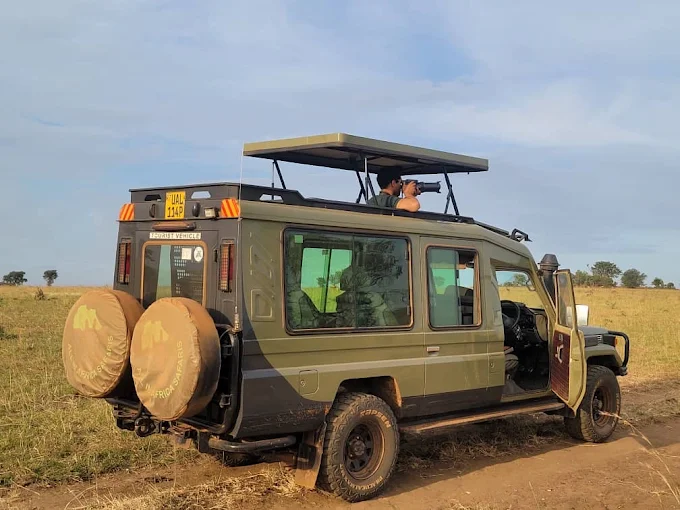

Night Game Drives: Your Best Chance to See Lions Hunting
Night game drives offer visitors one of the strongest chances to witness lions actively hunting, since lions possess considerably better low-light vision than most of their prey and use the cover of darkness to their genuine advantage, though this specific experience is only available in a limited number of locations given national park regulations.
This guide covers exactly why nighttime hunting succeeds so much more often, where the experience is legitimately available, and what to expect from a well-run night drive.
Why Nighttime Favours Lion Hunting Success
Lions see considerably better in low light than most of their prey species, a physiological advantage built around a reflective layer behind the retina that amplifies available light, giving lions a genuine edge during the low-visibility hours many prey animals are considerably less equipped to navigate safely. This advantage explains why a significant share of successful lion hunts happen after dark rather than during the daylight hours most visitors experience on a standard game drive. Our roundup of essential lion facts for safari-goers covers several more physical adaptations that support this nighttime hunting edge.
Why Core National Parks Prohibit Night Drives
Most core national parks across East Africa prohibit night game drives, including within the Serengeti itself, primarily to reduce disturbance to natural hunting behaviour and limit vehicle collision risk with wildlife crossing roads after dark. Our guide on Serengeti lion safaris covers this restriction and the private conservancies bordering the park that offer a legitimate alternative for travelers specifically seeking this experience. Ngorongoro Crater, covered in our guide to the crater’s resident lion prides, maintains a similarly strict no-night-drive policy within the crater floor itself.

Where Night Drives Are Permitted
Private conservancies and concessions bordering several major national parks operate under separate management authority, allowing regulated night drives that the core park itself prohibits. These areas typically limit vehicle numbers considerably more strictly than daytime park zones, giving visitors a more exclusive, less crowded experience alongside the specific nocturnal wildlife viewing opportunity itself.
How Spotlighting Technique Works Without Disturbing Wildlife
Experienced guides use red-filtered spotlights rather than standard white light, since red wavelengths fall largely outside the visible spectrum most nocturnal animals, including lions, are sensitive to, allowing guides to locate and observe animals without disturbing natural behaviour the way a bright white beam directly in an animal’s eyes potentially could. Guides also sweep the beam gradually across an area rather than fixing it directly on a spotted animal, a technique that further minimises disturbance.
What a Typical Night Drive Involves
A typical night drive departs after sunset, once the standard evening game drive has concluded, and covers considerably different terrain and pacing than a daytime drive, moving slower and pausing more frequently to scan for eye-shine, the reflective glow nocturnal animals’ eyes produce under spotlight, a technique guides use to locate wildlife long before headlights alone would reveal it.
Most night drives last between one and two hours, considerably shorter than a typical full-morning or full-afternoon daytime drive, since the concentrated, methodical spotlighting technique covers less total ground than a standard drive while still delivering a meaningfully different wildlife-viewing experience within that shorter window. Warm layered clothing matters more here than for daytime drives too, given how considerably temperatures drop after dark across most of the region’s higher-elevation ecosystems.
Beyond Lions: What Else Night Drives Reveal
Night drives offer strong odds of encountering other nocturnal or semi-nocturnal species considerably harder to spot during daylight hours, including genets, civets, and various nocturnal small predators, alongside the chance of catching a hyena clan actively hunting or a leopard beginning its own nighttime prowl, making the experience valuable beyond lion sightings specifically.
Nightjars, owls, and other nocturnal bird species also become considerably easier to spot under spotlight than during a standard daytime drive, adding an additional dimension to the experience for visitors with a broader interest in the ecosystem’s full range of nocturnal wildlife rather than large mammals alone.
How Night Drives Compare to Standard Daytime Game Drives
Where daytime drives reward patience watching resting prides for social behaviour, as our guide on how long lions sleep each day covers, night drives offer the inverse: a considerably higher chance of witnessing lions in their most active hunting state, a complementary rather than replacement experience worth adding to an itinerary rather than substituting for standard drives entirely.
Safety Considerations Specific to Night Drives
The vehicle-habituation safety pattern covered in our guide on whether lions are dangerous to safari vehicles still applies after dark, though reduced visibility means guides maintain somewhat greater caution around close approaches at night than they might during full daylight, prioritising a slightly more conservative distance when observing active hunting behaviour specifically.
Guides operating night drives undergo specific additional training beyond standard daytime guiding certification, covering spotlight technique, nocturnal animal behaviour recognition, and the more conservative approach protocols reduced visibility demands, ensuring the experience remains both safe and minimally disruptive to natural nighttime activity.
Photographing Wildlife on a Night Drive
Night photography demands specialised equipment and technique beyond what standard daytime wildlife photography requires, given the low-light conditions and moving spotlight beam involved. See our camera gear guide for broader equipment guidance, though manage expectations that night shots typically require a higher ISO and correspondingly more visible image grain than daytime photography produces.
Booking a Night Drive as Part of Your Itinerary
Night drives typically require booking through a lodge or camp operating within a private concession offering this specific activity, usually as an add-on to a standard multi-day stay rather than a standalone booking, so travelers specifically prioritising this experience should confirm availability when planning accommodation within a given ecosystem.
Pricing for a dedicated night drive varies by conservancy and typically sits somewhat higher than a standard daytime drive, reflecting both the specialised guiding skill involved and the generally lower vehicle-to-visitor ratio private concessions maintain compared to busier core park areas during peak daytime hours.
How Weather and Season Affect Night Drive Success
Clear, dry nights offer considerably better visibility and animal activity than heavy rain, since sustained rainfall both reduces spotting distance and tends to reduce overall wildlife movement, meaning travelers hoping specifically for a strong night drive experience should generally favour dry season timing over the heart of the wet season for this particular activity.
How Nocturnal Hunting Behaviour Differs From Daytime Hunts
Nighttime hunts rely more heavily on stealth and the lion’s low-light vision advantage than on the terrain-based positioning tactics daytime hunts often use, since darkness itself provides much of the concealment daytime hunts must otherwise engineer through cover and careful approach. Our guide on what lions eat and how they hunt covers the broader cooperative hunting strategy this nocturnal advantage builds on.
Why Prey Species Adapt Their Own Behaviour After Dark
Many prey species shift their own behaviour after dark specifically in response to this predator advantage, moving in tighter groups or favouring more open terrain with better visibility despite the darkness, a genuine behavioural adaptation that makes night drives valuable for observing predator-prey dynamics considerably more dynamic than the more settled patterns typical of daytime sightings, and worth watching for as its own distinct storyline beyond simply spotting individual animals.
Combining Night Drives With a Wider Big Five Itinerary
Night drives pair naturally with a broader itinerary built around strong daytime Big Five viewing. Our guide on the best parks to see lions in East Africa covers which ecosystems combine strong daytime pride density with bordering conservancies offering this specific after-dark activity as a genuine complement to the standard game-drive experience, rounding out a considerably fuller picture of lion behaviour across a full twenty-four-hour cycle than daytime viewing alone could ever provide.
Frequently Asked Questions
Can you see lions hunting on a night game drive?
Yes – lions have a considerable low-light vision advantage over much of their prey, making night hunts relatively common.
Are night drives allowed in national parks like the Serengeti?
No – most core national parks prohibit night drives, though bordering private conservancies typically allow them.
Do spotlights disturb wildlife during night drives?
Guides use red-filtered lights and gradual sweeping technique specifically to minimise disturbance to natural behaviour.
What else can you see on a night drive besides lions?
Genets, civets, hyenas, and leopards are all more visible on night drives than during standard daytime game drives.
Do I need to book a night drive in advance?
Yes – it’s typically offered as an add-on activity through lodges in private concessions, so confirming availability ahead matters.
Ready to Plan Your African Safari?
Whether you’re hoping to witness a lion hunt after dark or simply add a distinct nocturnal wildlife experience to your itinerary, our team can build a trip matched to your interests. Get in touch with our team below today and let’s start planning your complete African safari itinerary together.

No comment