
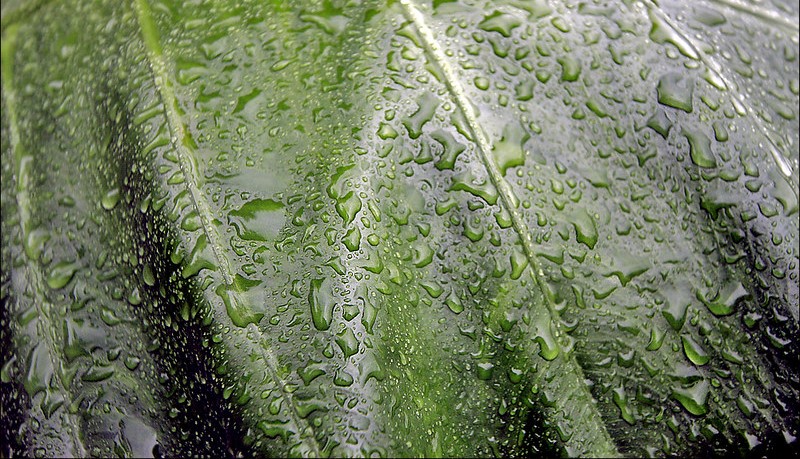
Safari activities during the wet season: despite the fact that it is preferable to conduct wildlife safaris during the dry season since there are several safari activities available in the various national parks, this does not exclude having a fantastic safari excursion during the rainy season.
The rainy season, which lasts from March to May and September to December, features various safari activities that are best done during this time, including the following:
Things to do during Uganda’s rainy season.
Gorilla hiking.
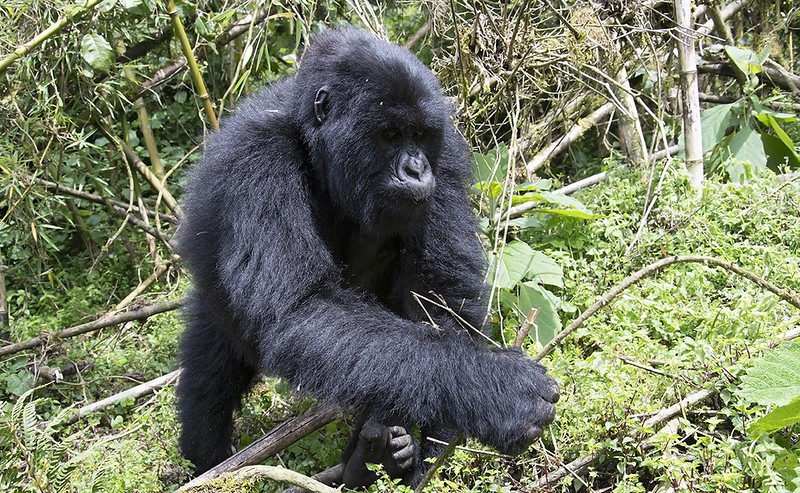
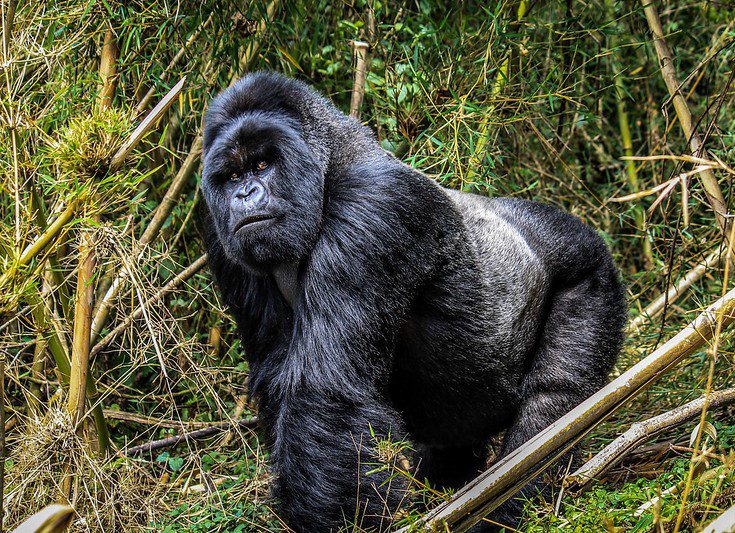
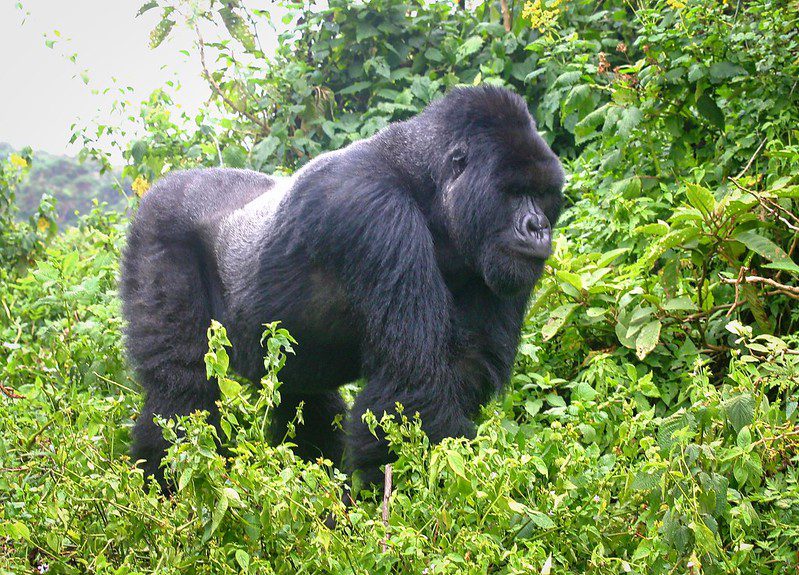
Gorilla trekking is one of the most popular safari activities in the Pearl of Africa, and it can only be done in two major national parks in Uganda: Bwindi Impenetrable National Park, which is home to over 800 endangered mountain gorilla species, and Mgahinga Gorilla National Park, which is trekked through four sectors: Nkuringo, Buhoma, Ruhija, Rushaga, and Mgahinga.
In reality, gorilla trekking during the rainy season is simpler than during the dry season because mountain gorillas minimize their travel within the park and always cluster in particular regions that they believe to be their greatest hiding spots.
The game drives.
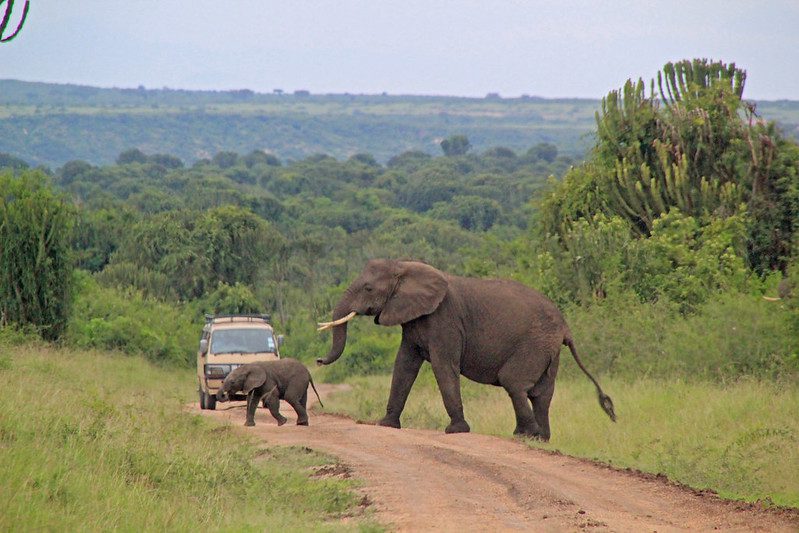
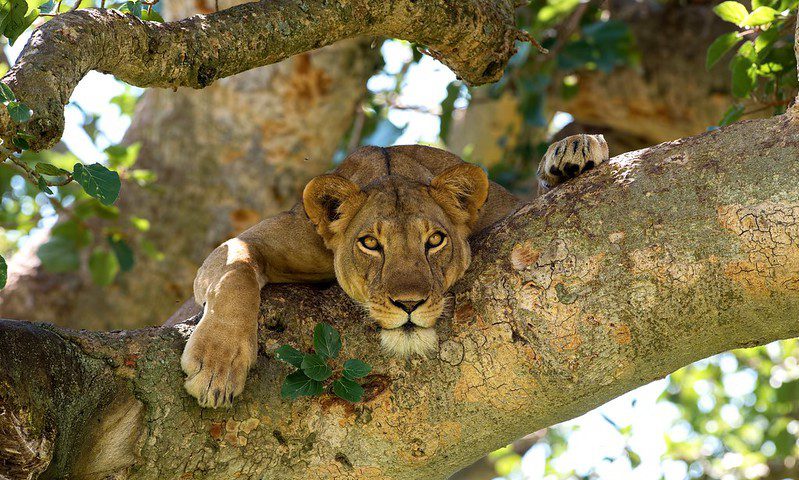
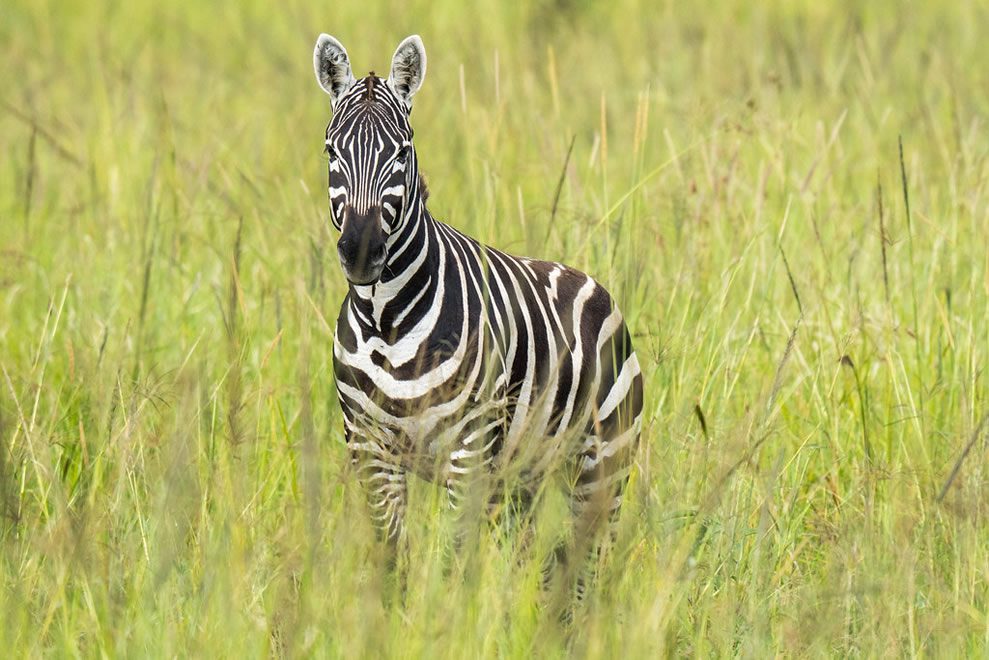
Queen Elizabeth National Park, Murchison Falls National Park, Kidepo National Park, and many others are regarded as top game drive safari destinations in the Republic of Uganda, and as visitors participate in these safari activities, they have the opportunity to see species such as impalas, gazelles, Uganda Kob, and elands, among others.
Making game drives is one of the safari activities that can be done during the rainy season, allowing travelers to catch iconic views of the Savannah Plains and lush green flora.
Chimpanzee hiking.
Chimpanzee trekking can also be done during the rainy season because the chimpanzee species always limit their movement within the park. This safari activity is best done in destinations such as Kibale National Park, Queen Elizabeth National Park, and Budongo Forest, which serve as good natural habitats for a large population of chimpanzees. Sightseers can also combine this safari activity with other safari activities in the region, such as wildlife viewing.
Bird watching.
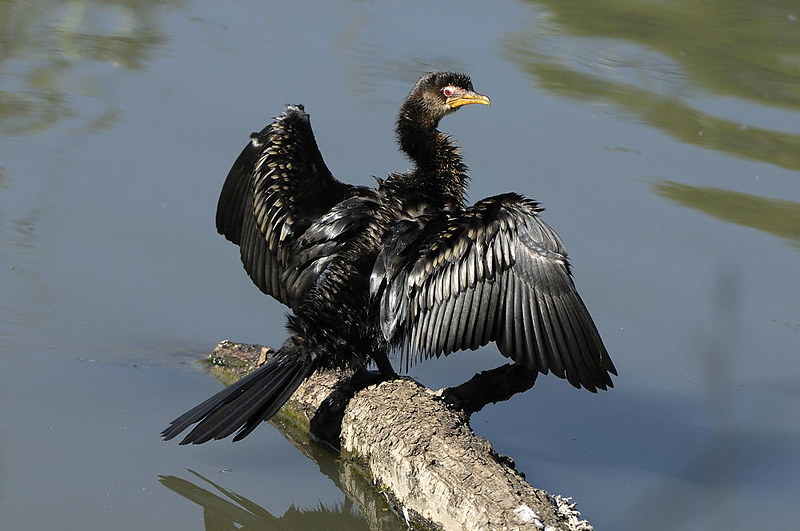
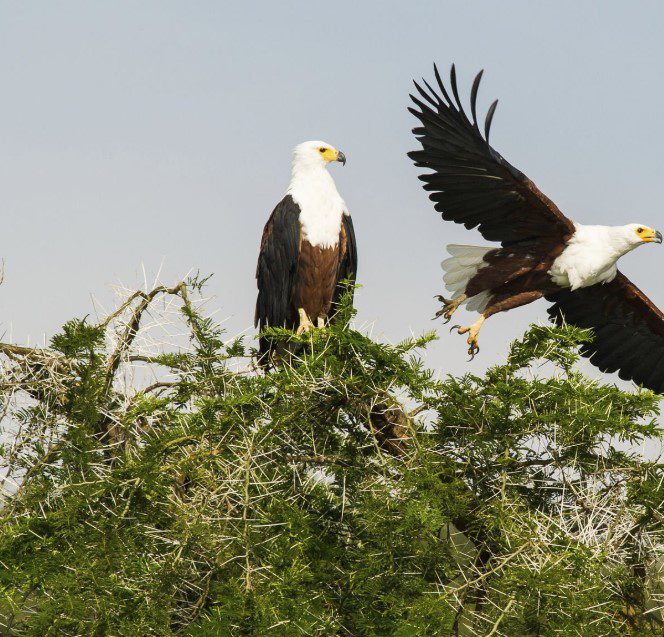
Bird watching is also not limited and can be done in the rainy season, because the rainy season is considered the best time when bird breeding occurs, and it is the best season to spot migratory birds in large numbers, flying in from Europe. These bird species that can be spotted include the blue-checked bee-eater, African darter, Great Egret, chapins flycatcher, crowned lapwing, red-throated lathe, Rockefeller’s sunbird, Rwenzori batis, African wattled lapwing, common squacco heron, Eastern grey plantain eater, chapins flycatcher and many others.
Contact All In Africa Safaris for additional information on what activities are available throughout the country’s rainy season and to book your tours and safaris seamlessly.
Cost Savings During the Wet Season
Accommodation rates across Uganda’s national parks typically drop meaningfully during the wet season compared to peak dry-season pricing, making this a genuinely attractive window for budget-conscious travelers willing to trade some weather certainty for lower overall trip costs. Combined with thinner crowds at popular sites, the savings extend beyond just lodging to a generally more relaxed, less rushed safari experience throughout the parks, from quieter game drives to more personal attention from guides.
Fewer Crowds, More Intimate Encounters
Wet-season travel brings noticeably fewer visitors to Uganda’s parks, meaning gorilla and chimpanzee treks, game drives, and boat cruises all feel less crowded than during the July-to-September and December-to-February peaks. Trekking permits are also generally easier to secure on shorter notice during these quieter months, a practical advantage for travelers without months of advance planning time.
What to Pack for a Wet-Season Safari
A reliable rain jacket, waterproof hiking boots, and quick-drying clothing layers form the core of a sensible wet-season packing list, alongside a rain cover for cameras and other electronics given the increased chance of sudden downpours. Closed, waterproof footwear matters considerably more during these months than during the dry season, given how quickly park trails can turn muddy after rainfall.
Photography During Uganda’s Rainy Season
The wet season’s dramatic cloud formations and rain-washed, clearer air often produce striking landscape photography opportunities distinct from the dustier, hazier conditions typical of the dry months. Lush, vibrant greenery across the savanna and forest alike adds visual richness that many photographers specifically seek out, even at the cost of occasionally interrupted game drives during heavier showers.
Health Considerations for Wet-Season Travel
Malaria risk rises somewhat during and just after Uganda’s wetter months, making mosquito precautions and prophylaxis worth discussing with a travel health provider regardless of which season you choose to travel. Packing a reliable insect repellent and considering long sleeves during evening hours are sensible additional precautions during this period.
Planning a Wet-Season Uganda Safari
With gorilla trekking, chimpanzee trekking, game drives, and birdwatching all genuinely viable during the rainy season, a well-planned wet-season itinerary can deliver a rewarding safari experience at a lower cost and with considerably less crowding than peak months. All in Africa Safaris can help design a wet-season itinerary tailored to these specific advantages.
Road Conditions and Getting Around
Uganda’s wetter months can turn some of the country’s murram roads genuinely difficult to navigate, particularly routes into more remote parks like Kidepo, occasionally requiring a 4×4 with real ground clearance rather than a standard vehicle. Parks closer to Uganda’s main road network, including Queen Elizabeth and Lake Mburo, tend to remain more reliably accessible year-round, worth factoring in when planning a wet-season itinerary around more remote destinations.
The Two Distinct Rainy Seasons Explained
Uganda’s wet season actually splits into two distinct windows, the longer rains from March to May and the shorter rains from September to December, each with slightly different character, the March-to-May period tends to bring more sustained daily rainfall, while the shorter rains are often more intermittent, with clear stretches between showers. Understanding this distinction helps travelers choose between the two wet windows based on their tolerance for consistent versus more variable rainfall, a genuinely useful distinction when narrowing down exact travel dates.
Why Some Travelers Actively Prefer the Rainy Season
Beyond the practical advantages of lower costs and thinner crowds, many repeat Uganda visitors specifically choose the rainy season for its dramatically lush, green landscapes and the sense of having each park largely to themselves, a genuinely different atmosphere from the more populated dry-season peak. For travelers who have already experienced a classic dry-season Uganda safari, the wet season offers a rewarding, distinctly different way to revisit the country’s parks.
Permit Availability During the Wet Season
Gorilla and chimpanzee trekking permits are generally easier to secure on shorter notice during the wet season, since demand drops noticeably compared to the dry-season peak months when permits can sell out many months ahead. This makes the rainy season a genuinely practical option for travelers whose schedules don’t allow for the extensive advance planning that dry-season trekking often requires.
Making the Most of a Wet-Season Itinerary
A well-planned wet-season Uganda trip leans into the season’s specific strengths, budget savings, quieter parks, and lush scenery, rather than simply enduring the rain as a compromise. All in Africa Safaris can help build an itinerary that genuinely capitalizes on these advantages rather than treating the wet season as a fallback option.
Rain Patterns Within a Typical Day
Uganda’s wet-season rainfall often arrives in concentrated afternoon or evening showers rather than continuous all-day downpours, meaning many mornings remain genuinely clear and well suited to game drives or trekking before rain patterns shift later in the day. Planning activities around this typical rhythm, mornings for trekking and game viewing, afternoons for rest or indoor activities, helps travelers make the most of the drier windows within each wet-season day.
Choosing Wet-Season Accommodation
Lodges with covered walkways, indoor lounges, and fireplaces suit wet-season stays particularly well, offering comfortable spaces to wait out an afternoon shower without the trip losing momentum. Many properties also lower their rates noticeably during these quieter months, making it worth asking directly about wet-season pricing when booking accommodation for this time of year, sometimes producing meaningful savings compared to the same room during peak dry-season demand.
Turning Rain Into Part of the Adventure
Rather than viewing rain as an obstacle, many experienced safari travelers come to appreciate it as part of the wet season’s distinct character, the sound of rain on a tent roof, mist rising off the forest canopy, and the particular quality of light after a shower all become part of the memory of the trip rather than a disappointment to work around. All in Africa Safaris can help set realistic expectations and build an itinerary that embraces this seasonal character fully.
Ready to Plan Your Wet-Season Safari
Between the specific advantages covered throughout this guide, cost, crowds, scenery, and permit availability, the rainy season offers a genuinely compelling case for travelers with flexibility on timing. All in Africa Safaris can turn that case into a specific, well-planned wet-season itinerary matched to your travel dates and priorities, drawing on exactly the kind of local, season-by-season knowledge that makes a wet-season safari genuinely rewarding rather than a compromise.

No comment