
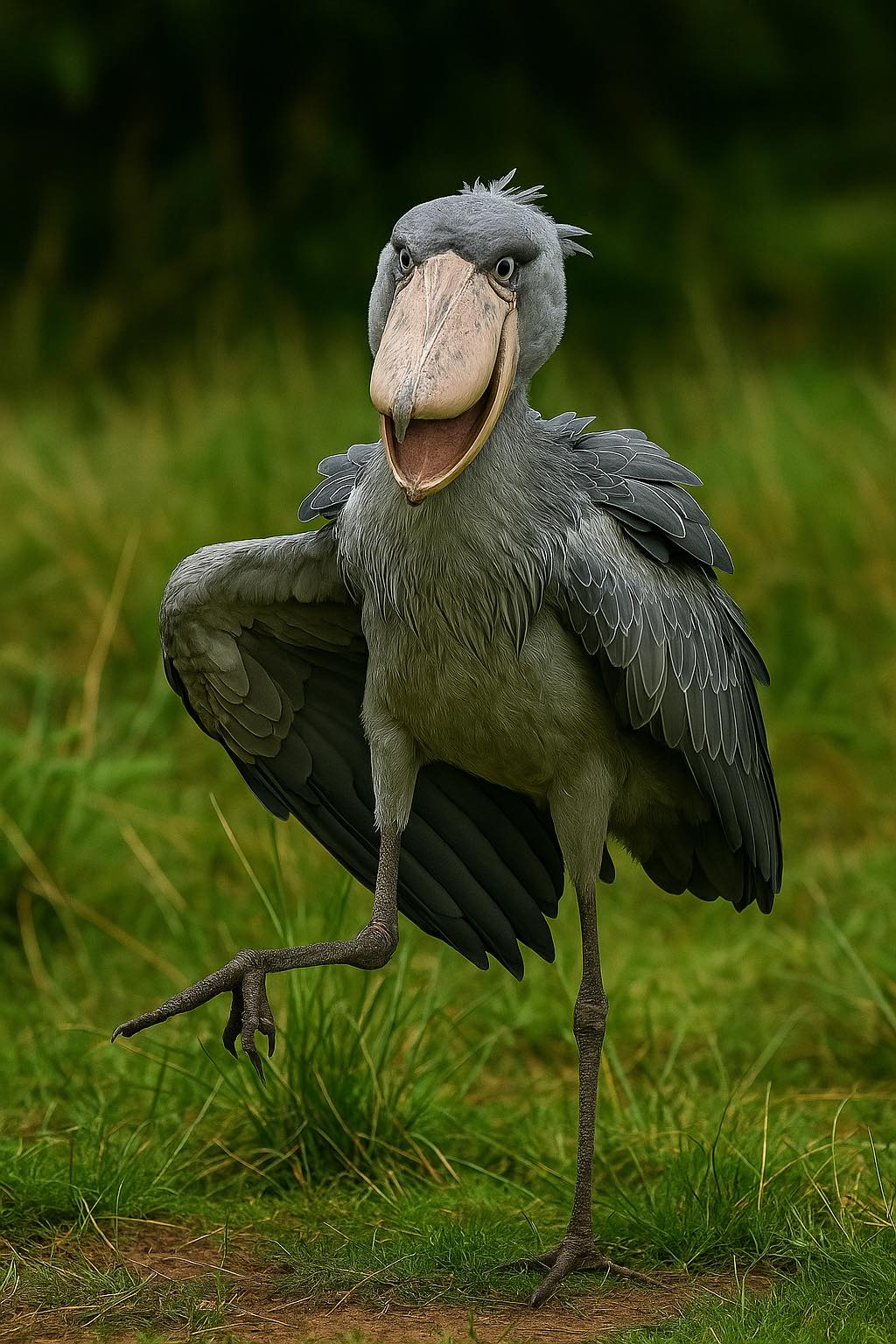
The shoebill stork, found in the papyrus swamps of Murchison Falls National Park’s Nile delta, is genuinely one of Africa’s most sought-after birds – a prehistoric-looking giant with a massive, shoe-shaped bill, standing over a metre tall, that draws dedicated birders to Uganda specifically for a chance at this single species.
Where to Find Shoebills in Murchison Falls
The delta area where the Nile meets Lake Albert, within Murchison Falls National Park, holds Uganda’s most reliable population of shoebill storks, hidden among dense papyrus swamp that requires a dedicated boat trip to access. This specific habitat requirement means shoebill sightings are genuinely tied to a particular sector of the park, distinct from standard game drive routes.
Why Shoebills Are So Difficult to Find
Shoebills are solitary, extremely still hunters, standing motionless for long periods while waiting for lungfish and other prey, a hunting style that makes them genuinely easy to overlook even when present nearby. Their preference for dense, often inaccessible papyrus swamp compounds this difficulty, meaning a dedicated boat trip with an experienced guide is essentially required for a realistic chance at a sighting.
What Makes the Shoebill So Distinctive
Beyond its massive, shoe-shaped bill, the shoebill’s prehistoric appearance, slow, deliberate movements, and piercing pale eyes give it a genuinely unusual presence that photographs and video footage rarely capture as strikingly as an in-person sighting. This visual distinctiveness is a significant part of why the species has become such a specific target for serious birders visiting East Africa.
The Boat Trip to Shoebill Territory
Reaching shoebill habitat within Murchison Falls typically requires a dedicated boat trip through the delta’s papyrus channels, separate from the park’s more famous Nile cruise toward the falls itself. This specialised trip demands a guide with genuine local knowledge of current shoebill locations, since the birds don’t maintain fixed territories in the way some other wildlife does.
Best Time of Year for Shoebill Sightings
Shoebills are resident year-round in Murchison Falls’ delta swamps, though water levels affecting papyrus swamp accessibility can shift somewhat with the seasons, with the dry season generally making boat access more straightforward. Checking current conditions with your operator closer to your travel dates is worth doing given how much local water levels can affect trip logistics.
Shoebills Elsewhere in Uganda
Beyond Murchison Falls, Mabamba Swamp near Entebbe offers Uganda’s other well-known shoebill destination, genuinely more accessible for travelers with limited time given its proximity to Kampala and the international airport. Many birding-focused itineraries include a Mabamba stop specifically for travelers who can’t fit a full Murchison Falls visit into their schedule.
Combining Shoebill Viewing With Murchison’s Big Five
A shoebill-focused boat trip pairs naturally with Murchison Falls’ wider Big Five game drives, given the two experiences use entirely different sectors of the same park. See our Murchison Falls Big Five guide for how to build a complete itinerary combining both wildlife and birding priorities.
Shoebill Conservation Status
Shoebills are classified as vulnerable, with habitat loss from wetland drainage and disturbance representing the primary threats to the species across its limited range in central and eastern Africa. Uganda’s protected papyrus swamps within Murchison Falls represent a genuinely significant stronghold for the species, making responsible, low-disturbance viewing practices a real conservation priority for visiting birders.
Photographing Shoebills
Given how still and patient shoebills remain while hunting, photography is genuinely more straightforward here than with more active wildlife, provided you can actually locate one, and a telephoto zoom in the 100-400mm range covers most sightings comfortably from a boat. Early morning light tends to produce the most flattering results against the papyrus swamp’s green backdrop.
Self-Drive vs Guided Boat Trips
Shoebill viewing is essentially impossible without a guided boat trip given the specialised access required to reach papyrus swamp habitat, making this one of the few Uganda wildlife experiences where independent exploration simply isn’t an option. Booking through an operator with genuine, current knowledge of shoebill locations makes a real difference to your odds of success.
What to Pack for a Shoebill Boat Trip
Standard birding gear – binoculars, a wide-brimmed hat, and sun protection – covers most of what a shoebill boat trip requires, and a light rain jacket is worth packing given the swamp’s genuinely unpredictable weather. If your wider itinerary includes gorilla trekking, our gorilla trekking packing list covers that portion separately.
Combining Shoebill Viewing With a Wider Uganda Birding Circuit
Serious birders often extend a Murchison Falls shoebill trip into a wider Uganda birding circuit, given the country’s exceptional overall bird diversity across its varied forest and wetland habitats. See our Uganda best-time guide for how birding season overlaps with the country’s broader wildlife-viewing calendar.
Shoebill Feeding Behaviour and Diet
Shoebills primarily hunt lungfish, a species uniquely suited to the oxygen-poor swamp water shoebills favour, along with catfish, eels, and occasionally young crocodiles or turtles when the opportunity arises. Their hunting technique involves remaining almost perfectly motionless for extended periods before an explosive, sudden strike, a behaviour pattern genuinely different from the more active foraging typical of most other large wading birds.
The Shoebill’s Evolutionary History
Shoebills are more closely related to pelicans than to storks despite their stork-like appearance, part of a genuinely ancient lineage that has changed relatively little over millions of years, contributing to their distinctive, almost prehistoric visual character. This evolutionary distinctiveness is part of why the species holds such particular appeal for serious birders specifically seeking genuinely unique additions to their life list.
Murchison Falls’ Delta Ecosystem
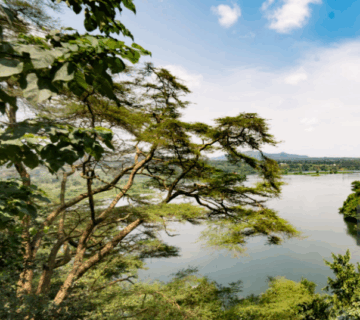
The delta where the Nile meets Lake Albert supports a genuinely rich wetland ecosystem beyond shoebills alone, including hippo, crocodile, and a wide variety of other water-associated bird species that make the boat trip worthwhile even beyond the primary shoebill target. This ecological richness reflects the delta’s unique position at the intersection of river and lake systems within the wider park.
Research and Monitoring of Uganda’s Shoebill Population
Ongoing conservation monitoring tracks Uganda’s shoebill population across its known strongholds, including Murchison Falls’ delta and Mabamba Swamp, contributing to broader understanding of how the species is faring given genuine habitat pressure elsewhere in its African range. This monitoring helps inform protected area management decisions specifically aimed at safeguarding remaining shoebill habitat.
Best Lodges for Shoebill-Focused Visits
Properties positioned near Murchison Falls’ delta area, or offering direct access to boat launches serving the shoebill sector, genuinely simplify logistics for birders specifically prioritising this species. Discussing lodge location and boat trip logistics directly with your operator is worth doing well in advance given the specialised nature of this particular activity.
Combining Shoebill Viewing With the Nile Boat Cruise
Beyond the dedicated shoebill trip, Murchison Falls’ more famous Nile cruise toward the base of the falls offers a separate, complementary boat experience focused on hippo and crocodile viewing, and many visitors combine both boat trips within the same Murchison Falls stay. See our Murchison elephant guide for more on the park’s wider Big Five wildlife.
Getting to Murchison Falls for Shoebill Viewing
Most visitors reach Murchison Falls by road from Kampala, a journey of roughly four to five hours, or via a scenic domestic flight for travelers wanting to save time. Once within the park, reaching the specific delta launch point for shoebill boat trips requires additional coordination with your lodge or operator, given the sector’s distance from the park’s main game-viewing routes.
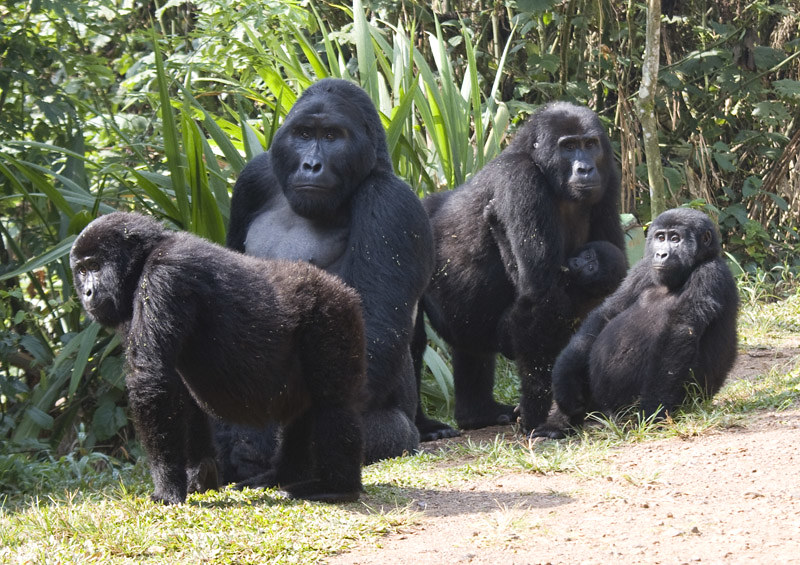
Combining Shoebill Viewing With Gorilla Trekking
Many longer Uganda itineraries combine Murchison Falls’ shoebill and Big Five wildlife with gorilla trekking in Bwindi Impenetrable National Park further south, giving travelers both a rare birding target and Uganda’s signature primate experience within a single, well-sequenced trip. See our Uganda Big Five guide for how to sequence a multi-park itinerary of this scope.
Frequently Asked Questions
Is a shoebill sighting guaranteed at Murchison Falls?
No, but odds are genuinely strong with an experienced guide who knows current locations within the delta’s papyrus swamp.
How is shoebill viewing different from a standard game drive?
It requires a dedicated boat trip through papyrus swamp rather than a vehicle-based drive, given the species’ specific wetland habitat requirements.
Can I see shoebills without visiting Murchison Falls?
Yes, Mabamba Swamp near Entebbe offers a more accessible alternative for travelers with limited time or those not visiting Murchison Falls specifically.
Why are shoebills considered vulnerable?
Habitat loss from wetland drainage and disturbance across their limited range makes protected swamps like Murchison Falls’ delta genuinely significant strongholds for the species.
Can I combine a shoebill trip with Murchison’s Big Five game drives?
Yes, this is a common combination, given the two experiences use entirely different sectors of the same park within a single visit – see our Murchison lion guide for more on the park’s savannah predators.
Ready to Plan Your Murchison Falls Birding Safari?
Whether the shoebill stork, a full Big Five circuit, or a wider Uganda birding itinerary is your priority, our team can build a trip matched to your interests. Get in touch with our team below today and let’s start planning your Uganda safari together.

No comment