
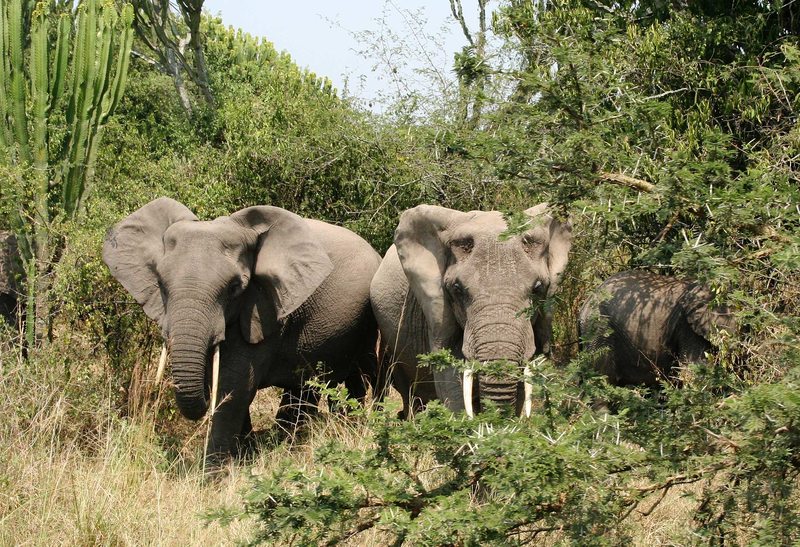
Tarangire National Park holds one of the highest elephant densities anywhere in Africa, with herds numbering in the hundreds gathering along the Tarangire River during the dry season – a genuinely spectacular concentration that makes this lesser-visited park one of Tanzania’s true elephant strongholds, often overlooked by first-time visitors focused purely on the Serengeti and Ngorongoro.
Why Tarangire Holds Such High Elephant Density
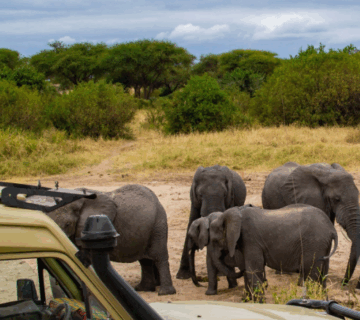
The Tarangire River is one of the only permanent water sources in the wider ecosystem during the dry season, drawing elephant herds from a vast surrounding area to concentrate along its banks between June and October. This seasonal convergence creates some of the most reliable, high-volume elephant viewing anywhere in East Africa, with multiple large family groups often visible simultaneously along a single stretch of riverbank.
Where to Find Elephants in Tarangire
Elephant herds concentrate most heavily along the Tarangire River itself, particularly during the dry season, though the park’s distinctive baobab-studded landscape also draws elephants year-round given the trees’ role as both shade and, during drier periods, an emergency water and nutrient source. The area around the river’s confluence with smaller seasonal tributaries tends to produce especially strong sightings.
Elephants and Tarangire’s Iconic Baobab Trees
Tarangire is famous for its ancient baobab trees, and elephants interact with them in a genuinely distinctive way, stripping bark for its moisture and nutrient content, particularly during the driest months when other food sources become scarce. This behaviour, while sometimes damaging to individual trees over time, is a natural part of the ecosystem’s dynamics and adds a genuinely unique visual element to Tarangire elephant sightings not found in Tanzania’s other parks.
Seasonal Elephant Migration Within the Wider Ecosystem
Unlike parks where elephants remain largely resident year-round, Tarangire’s elephant population shifts seasonally, dispersing more widely across the wider Tarangire-Manyara ecosystem during the wet season when temporary water sources become available elsewhere, before concentrating back along the river during the dry months. This seasonal pattern is part of what makes dry-season timing so important for travelers specifically prioritising Tarangire’s famous elephant density.
Best Time of Year for Elephant Sightings
The dry season, roughly June to October, is unquestionably the best time for Tarangire’s signature elephant concentration, as herds gather along the river in numbers rarely matched elsewhere in Tanzania. The wet season disperses elephants more widely across the ecosystem, meaning sightings become less concentrated, though the park’s lush green scenery during this period offers its own distinct appeal.
Tarangire’s Wider Wildlife Beyond Elephants
Beyond its famous elephant herds, Tarangire holds healthy lion, leopard, and buffalo populations, along with large numbers of giraffe, zebra, and wildebeest that migrate seasonally within the wider ecosystem. The park’s tree-climbing pythons and impressive bird list, including numerous species found in few other Tanzania parks, add further depth for visitors with broader wildlife interests.
How Tarangire Compares to the Serengeti for Elephant Viewing
The Serengeti holds a significant elephant population too, but Tarangire’s dry-season concentration along the river produces genuinely higher-density sightings within a shorter, more predictable timeframe, making it a strong choice for travelers specifically prioritising elephant volume over the Serengeti’s broader wildlife diversity and migration spectacle.
Self-Drive vs Guided Safaris in Tarangire
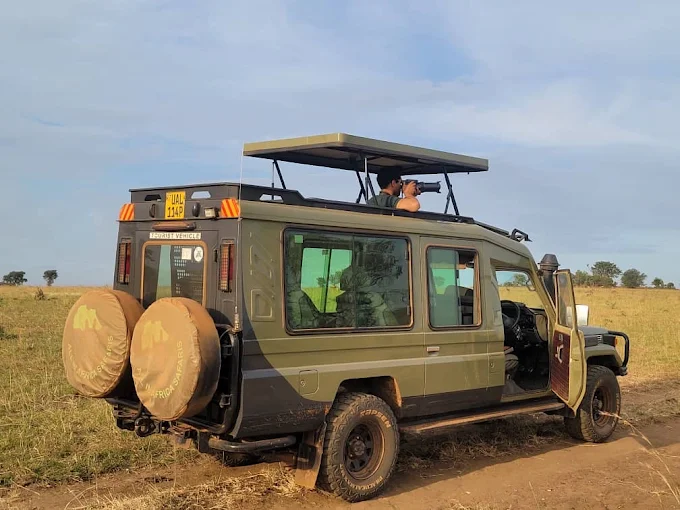
Given Tarangire’s less extensive tourist infrastructure compared to the Serengeti and Ngorongoro, a guided safari adds real value here, with local knowledge of current herd movement along the river genuinely improving sighting quality within a limited visit. Most visitors combine Tarangire with a wider Northern Circuit itinerary rather than visiting it as a standalone destination.
Photographing Tarangire’s Elephants
The combination of large elephant herds and Tarangire’s distinctive baobab-studded landscape creates genuinely striking photographic opportunities rarely available elsewhere in Tanzania, particularly during the golden light of early morning or late afternoon game drives. A mid-range zoom covers most river-based sightings well, while a wider-angle lens helps capture the scale of the baobab landscape alongside closer elephant shots.
Combining Tarangire With a Wider Northern Circuit
Tarangire is commonly included as either the first or last stop on a longer Northern Circuit itinerary spanning the Serengeti and Ngorongoro Crater, given its convenient position near Arusha and the genuine contrast its baobab landscape and elephant concentration offer against those two parks’ more famous draws.
Getting to Tarangire National Park
Tarangire sits within a two to three hour drive of Arusha, making it one of the more accessible parks on a standard Northern Circuit itinerary and a natural first or last stop given its proximity to Kilimanjaro International Airport. This convenient positioning is part of why so many longer Tanzania itineraries include a Tarangire stop even when elephants aren’t the primary draw.
What to Pack for a Tarangire Safari
Standard game drive gear – neutral clothing, sun protection, and binoculars – covers most of what the park requires, and given the dry season’s dusty conditions along the riverbed, a scarf or buff for covering your nose and mouth is a genuinely useful addition. If your wider itinerary includes gorilla trekking, our gorilla trekking packing list covers that portion separately.
Elephant Family Structure at Tarangire
Tarangire’s elephant herds follow the same matriarchal social structure found across East Africa, with an experienced older female leading related females and their calves, while adult bulls range more independently or in loose bachelor groups. Given the sheer number of family groups converging along the river during dry season, Tarangire offers genuinely rich opportunities to observe multiple herds interacting, spacing themselves along the water, and negotiating access in real time.
Conservation History and Poaching Recovery
Like much of Tanzania, Tarangire’s elephant population suffered significant losses during the poaching crisis of the 1970s and 80s, before Tanzania’s ivory trade ban and intensified anti-poaching efforts helped numbers recover substantially in subsequent decades. Today’s high-density population is a genuine conservation recovery story, reflecting both the park’s protected status and the broader ecosystem’s ability to support large numbers once poaching pressure eased.
Human-Elephant Conflict Beyond Park Boundaries
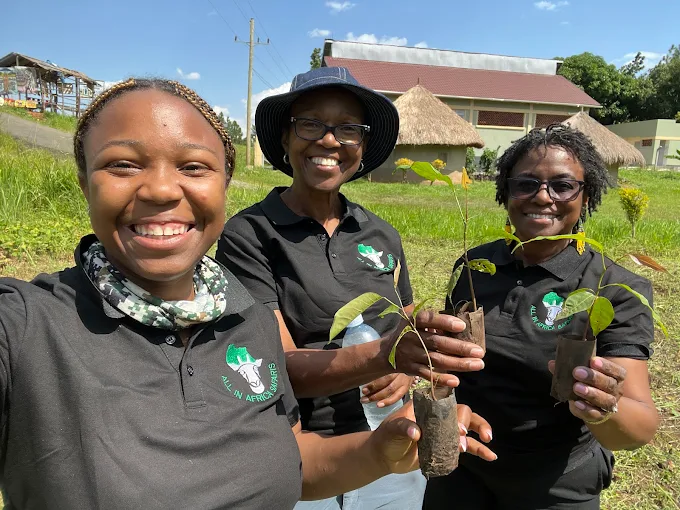
Tarangire’s elephants range beyond the park’s formal boundaries into the wider ecosystem, particularly during the wet season, occasionally bringing them into contact with surrounding agricultural communities. Conservation organisations working in the region continue to develop community-based mitigation strategies, recognising that Tarangire’s long-term elephant population depends as much on managing this boundary tension as on protection within the park itself.
Tarangire’s Ancient Baobabs as a Landscape Feature
Beyond their role in elephant diet, Tarangire’s baobab trees, some estimated to be well over a thousand years old, define the park’s visual character in a way genuinely distinct from Tanzania’s other major parks. These ancient trees, scattered across golden grassland, create a landscape that photographs as memorably as the wildlife itself, giving Tarangire a visual identity entirely its own.
Combining Tarangire With Lake Manyara
Many Northern Circuit itineraries pair Tarangire with nearby Lake Manyara National Park, known for its own tree-climbing lions and dense birdlife along the lake’s shoreline, given the short drive between the two parks. This combination adds genuine variety to a Northern Circuit trip without requiring significant additional travel time beyond what a Tarangire visit already involves, and it pairs naturally with the wider Big Five circuit most travelers build around the Serengeti and Ngorongoro.
Comparing Tarangire’s Elephants to Uganda’s Parks
Uganda’s Murchison Falls and Queen Elizabeth both hold healthy elephant populations too, though neither matches Tarangire’s dry-season river concentration, giving travelers building a wider East Africa itinerary a genuinely useful point of comparison across the region’s different elephant destinations.
Elephant Research and Monitoring at Tarangire
Ongoing research into Tarangire’s elephant population has contributed meaningfully to broader understanding of how elephants use seasonal water concentration points, tracking individual family groups and their movement patterns across the wider ecosystem throughout the year. This research helps inform conservation management not just within Tarangire itself but across the broader Tarangire-Manyara ecosystem linking it to neighbouring protected areas.
Frequently Asked Questions
Is Tarangire really better than the Serengeti for elephants?
For sheer density during the dry season, yes – Tarangire’s river-concentrated herds are genuinely hard to match, though the Serengeti offers far greater overall wildlife diversity and the migration spectacle.
When is the best time to visit Tarangire for elephants?
The dry season, roughly June to October, when herds concentrate most heavily along the Tarangire River in numbers rarely matched elsewhere in Tanzania.
Why do elephants strip bark from Tarangire’s baobab trees?
They’re accessing the moisture and nutrients stored within the bark, particularly valuable during the driest months when other food and water sources become scarce.
Is Tarangire worth visiting if I’ve already seen elephants elsewhere?
Genuinely yes – the sheer density and the distinctive baobab landscape make Tarangire’s elephant viewing a different experience from anywhere else in Tanzania.
How does Tarangire fit into a standard Northern Circuit itinerary?
It’s commonly the first or last stop, given its proximity to Arusha, offering a convenient and genuinely rewarding bookend to a Serengeti-and-Ngorongoro-focused trip.
Ready to Plan Your Tarangire Safari?
Whether Tarangire’s famous elephant herds, its baobab-studded landscape, or a full Northern Circuit itinerary is your priority, our team can build a Tanzania trip matched to your time and interests. Get in touch with our team below today and let’s start planning your safari together.

No comment