
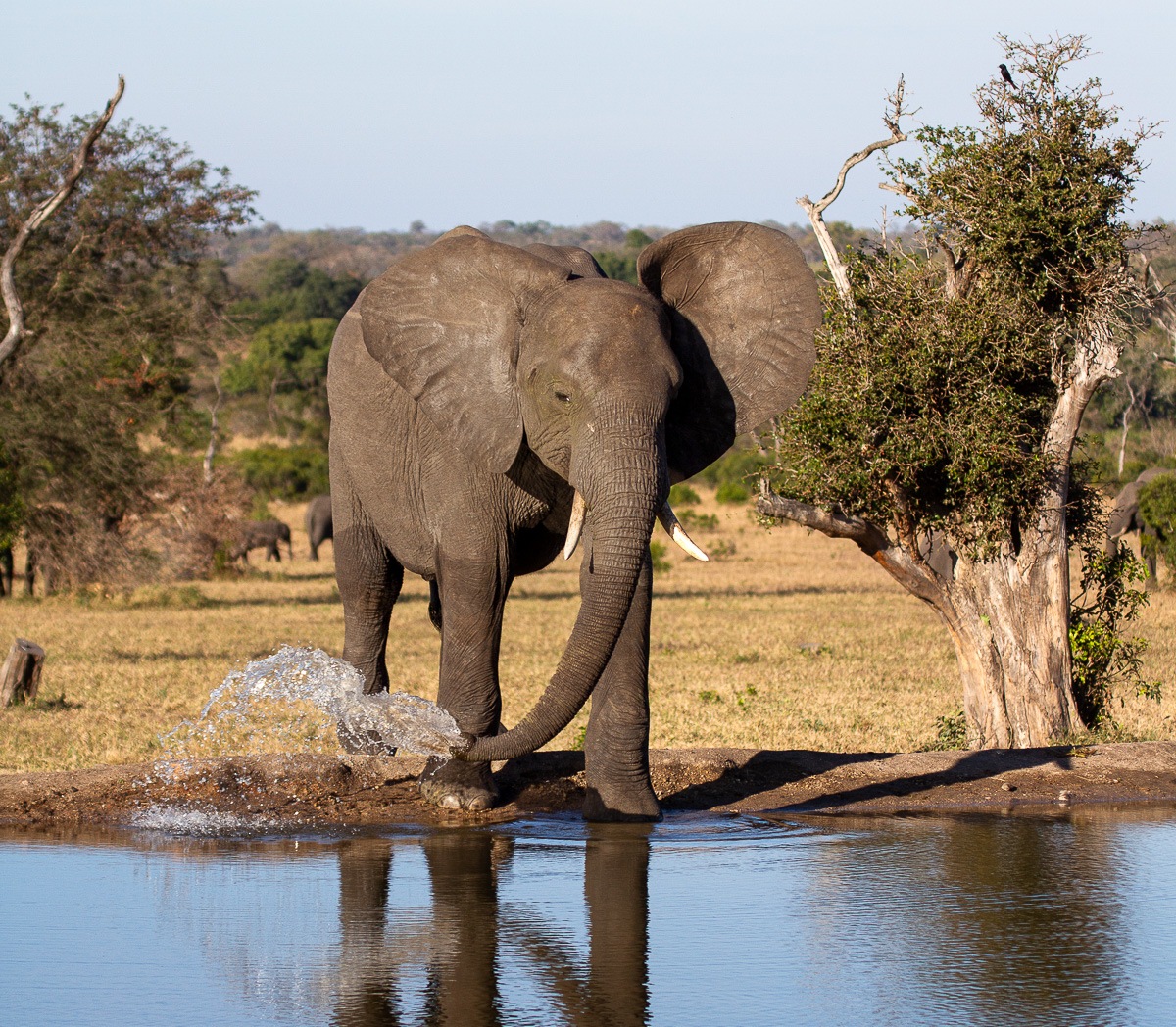
Elephants genuinely favour one tusk over the other for daily tasks, a lateral preference researchers describe as being “right-tusked” or “left-tusked,” comparable in underlying concept to human handedness, and this consistent preference genuinely becomes visible over time through measurably greater wear on the dominant tusk compared to its less-used counterpart.
Why Researchers Genuinely Compare This Behaviour to Human Handedness
Much like humans genuinely favour one hand for most fine motor tasks, elephants genuinely display a consistent individual preference for using one specific tusk over the other during activities like stripping bark, digging, or manipulating objects, and researchers studying this lateral preference have found it genuinely persists consistently across an individual’s lifetime rather than shifting randomly between tasks or time periods.
How Dominant Tusk Wear Genuinely Becomes Visibly Measurable Over Time
Given how consistently an elephant genuinely relies on its preferred tusk for repetitive daily tasks, the dominant tusk genuinely develops measurably more wear, sometimes a visibly shorter or more rounded tip, compared to the less-used tusk, meaning researchers and experienced observers can often determine an individual’s tusk preference simply by comparing the relative wear pattern between the two tusks during a direct visual examination.
Why Roughly Equal Numbers of Elephants Genuinely Show Each Preference
Research into elephant tusk preference has genuinely found the population splits roughly evenly between right-tusked and left-tusked individuals, without one preference genuinely dominating the overall population the way right-handedness genuinely dominates human populations, meaning tusk laterality genuinely represents a more evenly distributed trait across elephants than the considerably skewed handedness distribution documented in humans.
How Tusk Preference Genuinely Develops During Early Life
Researchers studying young elephants have found tusk preference genuinely emerges during early development as calves begin using their still-growing tusks for exploratory and feeding behaviour, meaning the lateral preference genuinely establishes itself gradually through early practical use rather than being genuinely fixed and predetermined from birth before any tusk-based activity has actually occurred.
Why This Preference Genuinely Affects More Than Simple Tool-Use Tasks
Beyond bark-stripping and digging, tusk preference genuinely influences how an elephant approaches physical confrontation or defensive behaviour too, with an individual genuinely favouring its dominant tusk when engaging in pushing contests with rivals or defending against a threat, meaning the lateral preference genuinely extends into socially and physically significant contexts beyond routine daily foraging tasks alone.
How This Research Genuinely Connects to Broader Studies of Animal Lateralisation
Elephant tusk preference genuinely joins a broader body of research documenting lateralised behaviour across numerous animal species, from paw preference in dogs to eye preference in various bird species, meaning the elephant tusk-preference finding genuinely contributes to a considerably wider scientific understanding of how and why lateralised, side-specific behaviour evolved across such a genuinely diverse range of unrelated animal lineages.
Where to Observe Elephant Tusk Use in East Africa
Elephants displaying observable tusk preference through bark-stripping and foraging behaviour are genuinely reliable to see across Murchison Falls National Park and Tsavo National Park.
Best Time of Year for Elephant Viewing
Elephants are visible year-round given resident family territories. See our regional best-time guide for how seasonal patterns generally affect wider game viewing.
Photographing Elephant Tusk Wear Patterns
Capturing a close, side-by-side comparison of tusk wear during feeding behaviour offers genuinely interesting close-range photography that directly illustrates this lateral preference. See our camera gear guide for broader equipment recommendations.
What to Pack for Elephant-Focused Game Drives
Standard game drive gear – neutral clothing, sun protection, and binoculars – covers most of what elephant viewing requires. If your wider itinerary includes gorilla trekking, our gorilla trekking packing list covers that portion separately.
Why Poaching Pressure Genuinely Adds an Unexpected Dimension to This Research
Given that poachers historically targeted whichever tusk appeared larger or more valuable, and considering that a dominant, more-used tusk sometimes wears down to appear smaller despite equal or greater underlying growth, tusk preference research has genuinely provided useful context for understanding some documented patterns in historical ivory trade data, adding a genuinely unexpected practical application beyond pure behavioural science interest.
How Researchers Actually Measure and Document Tusk Preference in the Field
Field researchers genuinely document tusk preference through careful visual comparison of wear patterns combined with direct behavioural observation, watching which tusk a given individual consistently uses first or more forcefully during natural foraging and manipulation tasks, a research method that has genuinely required considerable patient, repeated observation across many individuals to establish the population-wide patterns now documented.
Why Tusk Preference Doesn’t Necessarily Genuinely Correlate With Overall Tusk Size
Researchers have genuinely found that tusk preference doesn’t automatically correlate with which tusk happens to be naturally larger, meaning a smaller tusk can genuinely still be the dominant, more frequently used one despite its reduced size, a finding that reinforces how tusk preference genuinely reflects a behavioural pattern rather than simply following whichever tusk happens to offer a size or leverage advantage.
Comparing Elephant Lateralisation to Other Documented Wildlife Handedness Patterns
Beyond elephants, researchers have genuinely documented comparable lateralised behaviour patterns across various other African wildlife species, though few examples offer quite the same visibly measurable physical evidence, tusk wear, that elephant tusk preference genuinely provides, making the species a particularly well-documented case study within the broader field of animal lateralisation research.
Why Guides Value Explaining Tusk Preference to Visitors
Given how easy it is to overlook subtle wear differences between an elephant’s two tusks during a standard sighting, experienced guides genuinely value pointing out visible tusk asymmetry and explaining the underlying lateral preference research, adding real scientific depth to what might otherwise register as a purely cosmetic physical detail.
Combining Elephant Tusk Observation With a Wider Wildlife Circuit
Elephant tusk preference observation pairs naturally with a broader wildlife-focused itinerary, giving travelers genuine scientific depth alongside standard elephant sightings.
Why Trunk Laterality Genuinely Adds a Second Dimension to Elephant Lateralised Behaviour
Beyond tusks, researchers have genuinely also documented a comparable lateral preference in trunk use, with elephants tending to favour curling the trunk in one particular direction more consistently than the other during manipulation tasks, meaning tusk preference genuinely isn’t the only lateralised behaviour the species displays, suggesting a broader underlying pattern of hemispheric brain specialisation similar in concept to how elephant cognition more generally reflects considerable neurological sophistication.
How This Research Genuinely Required Overcoming Practical Field Observation Challenges
Establishing reliable tusk-preference data genuinely required researchers to overcome considerable practical challenges, since wild elephants don’t cooperate conveniently for close tusk-wear comparison, meaning much of the foundational research genuinely relied on careful long-term observation of known, individually identified elephants, similar to the extended observational approach documented in matriarch leadership research at long-term elephant study sites.
Why Tuskless Elephants Genuinely Complicate but Don’t Undermine This Broader Picture
Given that some elephant populations, particularly those historically exposed to intense poaching pressure, now include a genuinely higher proportion of naturally tuskless individuals, researchers studying these populations have found tuskless elephants still display comparable lateral preference in trunk use and general body movement, meaning the underlying lateralisation pattern genuinely persists even in individuals lacking the tusks that made the original preference so visibly measurable, similar to how physical adaptation research across other species often reveals underlying patterns extending beyond the single most visible trait.
Why This Detail Genuinely Rewards Closer Attention During a Sighting
Given how genuinely easy it is to glance past subtle wear differences between an elephant’s two tusks, taking a moment during a close sighting to compare tusk length, shape, and wear pattern genuinely offers a small but scientifically meaningful window into this individual’s lifelong behavioural preference, adding a genuine layer of personal, individual-specific detail beyond simply observing “an elephant with tusks” in passing during a standard game drive.
Why Guides With Long Experience at a Single Location Genuinely Notice These Patterns First
Guides who spend years working within the same park territory genuinely develop familiarity with specific resident elephants, and this repeated exposure often lets them notice tusk wear asymmetry and other individual traits considerably faster than a visitor encountering the same elephant for the first time, meaning local guide expertise genuinely adds real value beyond simple navigation and species identification.
Frequently Asked Questions
Do elephants really favour one tusk over the other?
Yes, genuinely so – researchers describe this as being right-tusked or left-tusked, comparable to human handedness.
How can you tell which tusk an elephant prefers?
The dominant tusk typically shows measurably more wear, sometimes appearing shorter or more rounded, than the less-used tusk.
Are more elephants right-tusked or left-tusked?
Roughly evenly split, unlike the considerably skewed right-hand dominance seen across human populations.
When does tusk preference develop?
Gradually during early development, as calves begin using their still-growing tusks for exploratory and feeding behaviour.
Where can I see this behaviour on safari?
Murchison Falls National Park and Tsavo National Park both offer genuine opportunities to observe elephant tusk use firsthand.
Ready to Plan Your Uganda Safari?
Whether observing elephant behaviour firsthand, wider wildlife viewing, or a full Uganda itinerary is your priority, our team can build a trip matched to your interests. Get in touch with our team below today and let’s start planning your complete Uganda safari itinerary together.


No comment