


Why Do Cheetahs Have Such Low Genetic Diversity?
Cheetahs genuinely carry remarkably low genetic diversity as an entire species, the result of a severe population bottleneck researchers believe occurred thousands of years ago, and this shared genetic uniformity genuinely means individual cheetahs can accept skin grafts from unrelated cheetahs without rejection, a discovery that first alerted scientists to just how genetically similar the entire global cheetah population actually is.
Why the Cheetah Genetic Bottleneck Genuinely Occurred and What It Means Today
Researchers studying cheetah genetics believe the species genuinely passed through a severe population bottleneck, a period when the total breeding population dropped to genuinely very low numbers, sometime in the past, an event that would have eliminated much of the genetic variation a larger, more stable population would normally maintain, meaning the low genetic diversity documented in modern cheetahs genuinely reflects this ancient population crash rather than any recent conservation-related decline alone.
How the Skin Graft Discovery Genuinely Revealed the Extent of This Genetic Uniformity
The genuinely striking evidence for cheetah genetic uniformity came from skin graft experiments, where researchers found unrelated cheetahs could accept skin grafts from other unrelated individuals without the immune rejection response that would normally occur between genetically distinct individuals of most other species, a result so genuinely unusual that it became one of the clearest documented examples of extreme genetic similarity within an entire wild species.
Why This Low Diversity Genuinely Creates Real Reproductive and Health Vulnerabilities
Given how genetically similar cheetahs already are as a species, the practical distinction between “related” and “unrelated” individuals genuinely carries less genetic consequence than it would in a more genetically diverse species, though researchers have still documented genuinely real vulnerabilities linked to this low diversity, including reduced sperm quality in males and heightened susceptibility to certain diseases, meaning the bottleneck’s effects genuinely extend beyond simple inbreeding risk into broader population health concerns.
How Modern Cheetah Populations Genuinely Still Attempt to Avoid Close Inbreeding
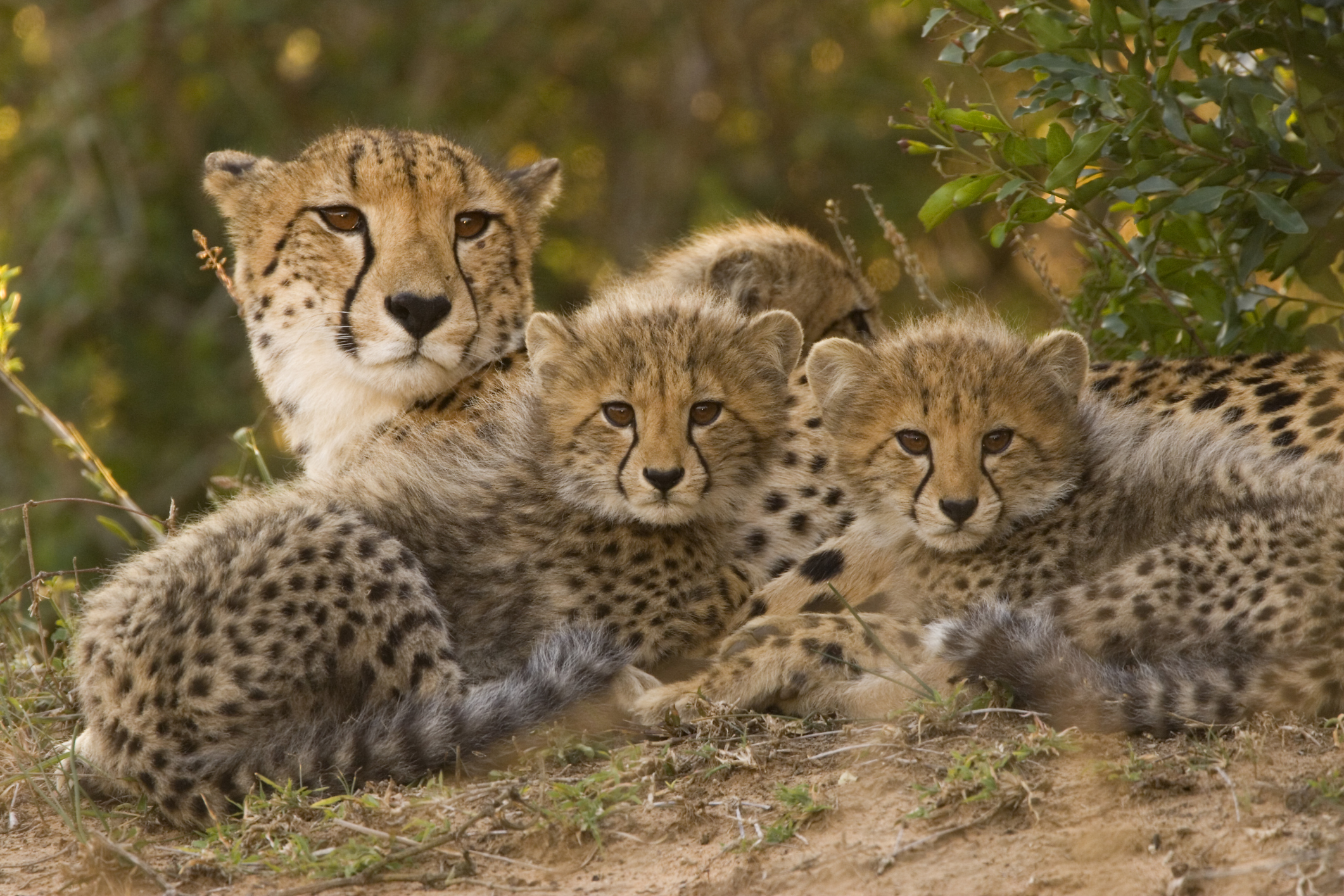
Despite the species’ overall low genetic diversity, cheetahs genuinely still display behavioural patterns that reduce mating between very close relatives specifically, including male dispersal from birth territory and female mate assessment behaviour, meaning the species genuinely retains some functional inbreeding-avoidance behaviour even though the broader genetic pool it’s drawing from remains considerably more uniform than in most other wild cat species.
Why Male Dispersal Genuinely Plays a Critical Role in This Avoidance Strategy
Young male cheetahs genuinely disperse from their birth territory upon reaching maturity, often travelling considerable distances before establishing themselves elsewhere, a behaviour that genuinely reduces the chance of mating with close female relatives remaining within the natal area, meaning geographic separation genuinely functions as the primary practical mechanism preventing the most immediate, close-relative inbreeding even within an already genetically uniform broader population.
How Conservation Programmes Genuinely Factor Genetic Diversity Into Breeding Management
Given the species’ documented genetic vulnerability, conservation organisations managing captive breeding programmes and, increasingly, wild population translocation efforts genuinely track individual cheetah lineage carefully, deliberately pairing genetically distinct individuals wherever possible to maximise whatever diversity remains available within the species’ already narrow genetic pool.
Where to Observe Cheetah Behaviour in East Africa
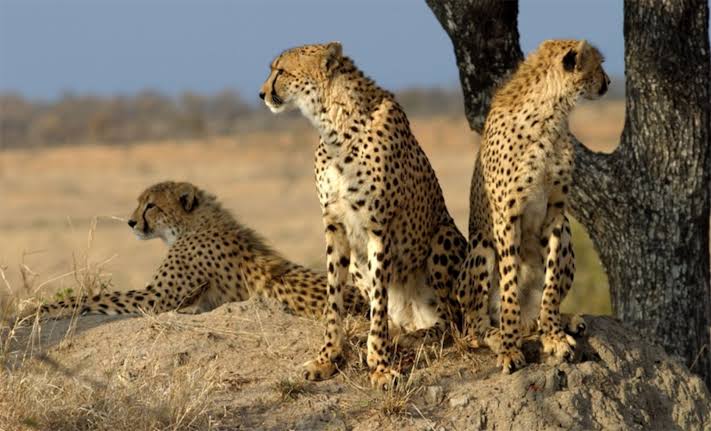
Cheetahs are genuinely reliable to observe across the Serengeti-Mara ecosystem and Samburu National Reserve, both hosting genetically important resident populations researchers continue actively monitoring.
Best Time of Year for Cheetah Viewing
Cheetahs are visible year-round given resident territories. See our regional best-time guide for how seasonal patterns generally affect wider game viewing.
Photographing Cheetah Family and Dispersal Behaviour
Capturing young males in a post-independence sibling coalition, a life stage directly connected to the species’ dispersal-based genetic strategy, offers genuinely meaningful behavioural photography beyond a standard resting portrait. See our camera gear guide for broader equipment recommendations.
What to Pack for Cheetah-Focused Game Drives
Standard game drive gear – neutral clothing, sun protection, and binoculars – covers most of what cheetah viewing requires. If your wider itinerary includes gorilla trekking, our gorilla trekking packing list covers that portion separately.
Why Genetic Diversity Concerns Genuinely Compound the Species’ Broader Conservation Challenges
Beyond habitat loss and human-wildlife conflict, cheetah conservation genuinely must also account for this underlying genetic vulnerability, since a population already carrying reduced genetic resilience faces genuinely elevated risk from disease outbreaks or environmental change compared to a species with considerably broader natural genetic variation to draw on, meaning genetic diversity concerns genuinely add a layer of conservation complexity beyond population numbers alone.
How Researchers Continue Studying Cheetah Genetics for Conservation Insight
Ongoing genetic research genuinely continues mapping variation across different cheetah populations globally, identifying which remaining populations retain relatively more genetic diversity and therefore genuinely represent particularly valuable conservation priorities, research that directly informs decisions about where translocation and breeding management efforts might most effectively support the species’ long-term genetic health.
Why This Genetic Story Genuinely Makes Cheetah Conservation Considerably More Complex Than Population Counts Alone
Given how much genetic uniformity already exists across the species, simply increasing total cheetah numbers genuinely doesn’t fully address the underlying vulnerability documented through decades of genetic research, meaning effective long-term conservation genuinely requires attention to genetic management alongside the more straightforwardly understood habitat protection and population growth goals most wildlife conservation efforts typically prioritise.
Comparing Cheetah Genetic History to Other Documented Wildlife Bottlenecks
While cheetahs represent one of the most extreme and well-documented cases, other species including certain rhino populations have genuinely experienced their own genetic bottlenecks driven more recently by poaching-related population crashes, illustrating how genetic diversity concerns genuinely affect multiple African megafauna species through both ancient natural events and more recent human-driven population decline.
Why Guides Value Explaining This Genetic Story to Visitors
Given how invisible genetic vulnerability remains during a standard sighting, experienced guides genuinely value explaining the cheetah’s remarkable genetic history whenever the topic arises, adding real scientific depth to a species visitors often appreciate primarily for speed and hunting behaviour alone.
Combining Cheetah Viewing With a Wider Conservation-Focused Circuit
Cheetah genetic and conservation awareness pairs naturally with a broader predator-focused itinerary, giving travelers genuine insight into the considerable scientific complexity underlying East Africa’s wildlife conservation efforts.
Why This Genetic Vulnerability Genuinely Adds Urgency to Existing Cub Mortality Challenges
Given how genuinely high cheetah cub mortality already runs due to predation during the mother’s solo-parenting period, the added burden of reduced genetic resilience genuinely compounds an already precarious survival equation, meaning every surviving cub carries genuinely elevated conservation significance given both the immediate predation risk and the underlying genetic vulnerability the species as a whole must manage.
How Male Coalition Formation Genuinely Interacts With the Species’ Genetic Reality
Male cheetah coalitions, typically formed among brothers from the same litter, genuinely mean related males often compete together for mating access rather than against each other, a social structure that, combined with the species’ already narrow genetic pool, means successful mating outcomes genuinely concentrate reproductive success among relatively few coalition groups at any given time within a local population.
Why This Research Genuinely Changed How Scientists Approach Wildlife Genetic Health Assessment
The cheetah bottleneck discovery genuinely became a landmark case study prompting researchers to systematically assess genetic diversity across other threatened species, similar to ongoing genetic health monitoring now applied to other severely pressured species, meaning cheetah research genuinely helped establish genetic diversity assessment as a standard, expected component of modern wildlife conservation science rather than a niche academic curiosity.
Why Understanding This History Genuinely Reframes What Visitors See in the Field
Given how genuinely invisible this genetic story remains during a standard sighting, understanding the bottleneck’s history and ongoing management challenge genuinely transforms a routine cheetah encounter into an opportunity to appreciate a species actively managing a multi-thousand-year-old genetic inheritance, adding real, considerable depth to what might otherwise register as simply an impressively fast, elegant predator crossing open ground.
Why This Story Genuinely Continues Evolving as Research Techniques Improve
As genetic sequencing technology genuinely becomes more affordable and accessible, researchers continue refining exactly how much diversity remains across different cheetah populations and precisely when the original bottleneck event occurred, meaning current scientific understanding genuinely represents an evolving picture rather than a fully settled historical account, with new genomic techniques regularly adding fresh detail to a story researchers have been piecing together for decades.
Frequently Asked Questions
Why do cheetahs have such low genetic diversity?
A severe population bottleneck thousands of years ago eliminated much of the genetic variation a larger, more stable population would normally maintain.
How was this genetic uniformity actually discovered?
Skin graft experiments found unrelated cheetahs could accept grafts from other unrelated individuals without the usual rejection response.
Does this mean cheetahs can safely mate with close relatives?
Not necessarily – behaviours like male dispersal from birth territory still genuinely reduce the most immediate, close-relative inbreeding.
What health issues does this low diversity cause?
Researchers have documented reduced sperm quality in males and heightened susceptibility to certain diseases.
Where can I see cheetahs on safari?
The Serengeti-Mara ecosystem and Samburu National Reserve both host genetically important resident populations.
Ready to Plan Your East Africa Safari?
Whether observing cheetah behaviour firsthand, wider predator viewing, or a full East Africa itinerary is your priority, our team can build a trip matched to your interests. Get in touch with our team below today and let’s start planning your complete safari itinerary together.



No comment