





Why Do Lions Yawn So Often?
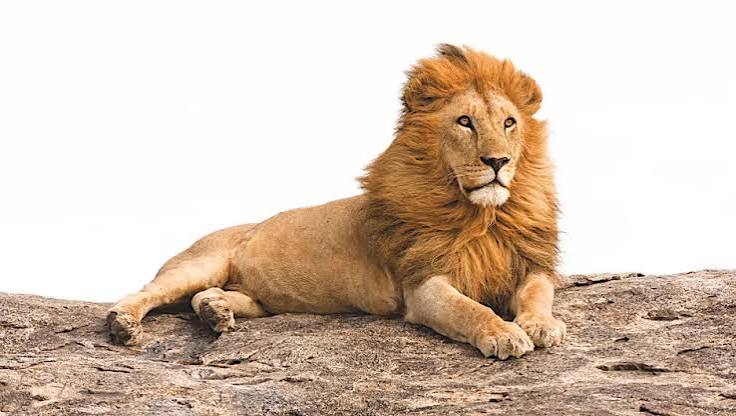
Lions genuinely yawn considerably more often than most mammals, a behaviour researchers link to several overlapping functions beyond simple tiredness, including brain temperature regulation, social communication signalling relaxation or transition between activities, and, in specific documented contexts, contagious yawning spreading between pride members much like it does among humans.
Why Brain Temperature Regulation Genuinely Explains Some Yawning Frequency
Researchers studying yawning across mammal species have genuinely found evidence that the behaviour helps cool the brain by drawing in cooler air and increasing blood flow to the head, a thermoregulatory function that would genuinely explain why lions, spending considerable time resting in warm conditions between periods of activity, might yawn frequently as a simple physiological cooling mechanism rather than purely as a sign of tiredness.
How Yawning Genuinely Signals Social Transition Within a Pride
Beyond individual physiology, lion yawning genuinely appears to function as a social signal marking transitions between activity states, with yawning frequently occurring just before a pride shifts from resting to moving, hunting, or engaging in social interaction, meaning the behaviour genuinely carries communicative value beyond its physiological function, helping coordinate group activity shifts among pride members positioned too far apart for other, more direct communication.
Why Contagious Yawning Genuinely Occurs Within Lion Prides
Researchers studying yawning contagion, well documented in humans and several other social mammal species, have genuinely found evidence that lions within the same pride will yawn in response to observing another pride member yawn, a pattern researchers believe may reflect a form of social bonding or synchronised group state, similar to contagious yawning documented in primates and some other socially complex mammal species.
How Yawning Frequency Genuinely Increases During Specific Behavioural Contexts
Lions genuinely yawn with particular frequency during specific transitional moments, including immediately after waking from extended rest periods and just before a coordinated pride movement begins, meaning yawning frequency isn’t randomly distributed throughout the day but genuinely clusters around specific behavioural transition points researchers can predict with reasonable consistency once the pattern is understood.

Why Male Lions Genuinely Yawn With a Particularly Visible Display Component
Male lions, given their considerable mane and jaw size, genuinely produce a particularly visually dramatic yawn compared to females, and some researchers believe this visible display may carry a secondary function related to demonstrating jaw strength and overall physical condition to rival males or pride members, adding a possible fitness-signalling dimension on top of the yawn’s more basic physiological and social functions.
How This Behaviour Genuinely Connects to the Considerable Time Lions Spend Resting
Given that lions genuinely spend up to twenty hours of a typical day resting or sleeping, considerably more downtime than most other African predator species, the sheer volume of rest-to-activity transitions a lion experiences daily genuinely provides correspondingly more opportunities for the transition-marking yawning behaviour to occur, meaning the species’ famously frequent yawning genuinely connects directly to its unusually rest-heavy daily activity pattern.
Where to Observe Lion Yawning Behaviour in East Africa
Lion prides displaying frequent yawning during rest-to-activity transitions are genuinely reliable to observe across the Serengeti-Mara ecosystem and Queen Elizabeth National Park.
Best Time of Year for Lion Behaviour Viewing
Lions are visible year-round given resident pride territories. See our regional best-time guide for how seasonal patterns generally affect wider game viewing.
Photographing Lion Yawning Behaviour
Capturing a male lion’s dramatic full yawn, jaw and mane fully displayed, offers genuinely striking wildlife photography beyond a standard resting portrait. See our camera gear guide for broader equipment recommendations.
What to Pack for Predator-Focused Game Drives
Standard game drive gear – neutral clothing, sun protection, and binoculars – covers most of what lion pride viewing requires. If your wider itinerary includes gorilla trekking, our gorilla trekking packing list covers that portion separately.
Why Researchers Genuinely Continue Studying the Exact Mechanism Behind Yawning
Despite considerable research interest, scientists genuinely haven’t fully resolved every detail of why yawning evolved or precisely how the brain-cooling, social-signalling, and contagion functions interact or take priority in different contexts, meaning current understanding genuinely represents an evolving area of active research rather than a fully settled scientific question, even for a behaviour as visually familiar as a yawning lion.
How Cub Yawning Behaviour Genuinely Differs From Adult Patterns
Young lion cubs genuinely display yawning behaviour from an early age, though researchers have found cub yawning appears somewhat less tied to the specific social-transition timing adult yawning follows, suggesting the social-signalling component of yawning genuinely develops or becomes more refined as a lion matures and becomes more fully integrated into the pride’s coordinated social rhythm.
Why This Seemingly Simple Behaviour Genuinely Reveals Broader Pride Coordination
Understanding yawning as a genuine social-transition signal, not just a tiredness indicator, helps reframe an otherwise easily dismissed behaviour as one small but genuinely meaningful piece of the considerable, largely nonverbal coordination system lion prides rely on to manage group activity, adding depth to how visitors might interpret behaviour beyond the more obviously dramatic hunting and territorial displays.
Comparing Lion Yawning to Cheetah Vocal Communication
Where cheetahs rely primarily on distinct vocalisations like purring and chirping for social communication, lions genuinely supplement their considerably more varied vocal repertoire, including the famous roar, with this additional non-vocal yawning signal, illustrating the range of communication channels different African big cats have evolved to coordinate social behaviour.
Why Guides Value Explaining Lion Yawning Behaviour to Visitors
Given how easily a yawning lion is dismissed as simply tired or bored, experienced guides genuinely value explaining the multiple genuine functions behind the behaviour, adding real appreciation for a subtle but scientifically interesting signal easily overlooked during a standard pride sighting.
Combining Lion Behaviour Viewing With a Wider Predator Circuit
Lion yawning and social behaviour observation pairs naturally with a broader predator-focused itinerary, giving travelers genuine behavioural depth alongside standard pride sightings.
Why Yawning Sometimes Genuinely Precedes a Documented Hunt
Beyond rest-to-activity transitions generally, researchers have specifically noted increased yawning frequency among lionesses shortly before a pride begins coordinated hunting behaviour, a pattern that suggests the yawn may function as part of the broader physiological and behavioural preparation the body undergoes shifting from rest into the heightened alertness a hunt genuinely requires.
How Yawning Frequency Genuinely Compares Between Wild and Captive Lion Populations
Studies comparing wild and captive lion yawning frequency have genuinely found the behaviour persists consistently across both settings, though captive lions sometimes display somewhat higher overall yawning frequency, a difference researchers attribute possibly to reduced environmental stimulation and correspondingly more frequent low-activity rest periods in managed care settings compared to the more varied daily routine wild pride life typically demands.
Why This Signal Genuinely Fits Into a Wider Pattern of Nonverbal Pride Coordination
Beyond yawning specifically, lions genuinely rely on a considerable range of nonverbal cues, including body posture, tail position, and ear orientation, to coordinate pride activity without needing constant vocal communication, a broader nonverbal communication system that researchers view alongside vocal signals like the roar used for individual and group recognition across the pride’s overall social structure.
Why Yawning Research on Lions Genuinely Contributes to Broader Animal Cognition Study
Given how well-documented contagious yawning is in humans and how strongly it’s been linked to empathy and social bonding in that context, finding a genuinely similar pattern in lions adds real weight to broader scientific debate about the evolutionary origins and social function of contagious yawning across the animal kingdom, meaning lion yawning research genuinely connects to a considerably wider, ongoing scientific conversation than the specific species alone would otherwise suggest.
Why This Ordinary-Seeming Behaviour Genuinely Rewards Closer Attention
Given how frequently lion yawning happens during any extended sighting, visitors genuinely have considerable opportunity to observe the behaviour firsthand, and paying closer attention to exactly when yawns occur relative to the pride’s broader activity, right before waking, right before a move, in apparent response to a nearby individual’s yawn, genuinely turns a seemingly mundane moment into a small but genuine window onto pride coordination in action.
Frequently Asked Questions
Why do lions yawn so often?
Several overlapping reasons, including brain temperature regulation, signalling social transitions within the pride, and contagious yawning between pride members.
Is lion yawning purely a sign of tiredness?
Not entirely – it also functions as a social signal marking transitions between resting, moving, and hunting activity.
Do lions catch yawns from each other like humans do?
Yes, genuinely so – researchers have documented contagious yawning within prides, possibly reflecting social bonding or synchronised group state.
Why does a male lion’s yawn look so dramatic?
Considerable mane and jaw size make the display visually striking, and it may also carry a secondary fitness-signalling function.
Where can I see lion yawning behaviour on safari?
The Serengeti-Mara ecosystem and Queen Elizabeth National Park both offer strong resident pride populations to observe.
Ready to Plan Your East Africa Safari?
Whether observing lion behaviour firsthand, wider predator viewing, or a full East Africa itinerary is your priority, our team can build a trip matched to your interests. Get in touch with our team below today and let’s start planning your complete safari itinerary together.



No comment