



Why Do Cheetahs Purr But Can’t Roar?
Cheetahs genuinely purr, a vocalisation shared with domestic cats but genuinely absent from lion, leopard, and every other African big cat, a distinction rooted directly in the structure of the cheetah’s throat and voice box, which lacks the fully ossified hyoid bone that allows lion and leopard to roar but permits the continuous purring sound instead.
Why Throat Anatomy Genuinely Determines Whether a Cat Can Roar or Purr
The ability to roar versus purr genuinely comes down to a specific anatomical difference in the hyoid apparatus, the bone and cartilage structure supporting the tongue and voice box, with roaring cats like lion possessing a genuinely flexible, partially cartilaginous hyoid that allows the considerable vocal fold vibration needed to produce a roar, while cheetahs, along with domestic cats, possess a fully ossified, rigid hyoid bone structure that physically prevents roaring but genuinely enables the continuous purring vibration instead.
How Cheetah Purring Genuinely Differs From a Domestic Cat’s Familiar Sound
While genuinely produced through the same basic anatomical mechanism as a house cat’s purr, cheetah purring is genuinely considerably louder and can continue for extended periods, sometimes during both inhaling and exhaling continuously, and researchers studying the vocalisation have found cheetahs purr in a range of contexts considerably broader than the simple contentment purring most people associate with domestic cats.
Why Cheetahs Genuinely Purr During Both Positive and Stressful Situations
Unlike the popular assumption that purring signals only contentment, researchers have genuinely documented cheetahs purring during clearly stressful situations, including veterinary examination or handling, suggesting the vocalisation genuinely serves a broader self-soothing or communicative function beyond pure pleasure signalling, meaning cheetah purring should genuinely be understood as a more complex, context-dependent behaviour than a simple happiness indicator.
How Mother Cheetahs Genuinely Use Purring to Communicate With Cubs
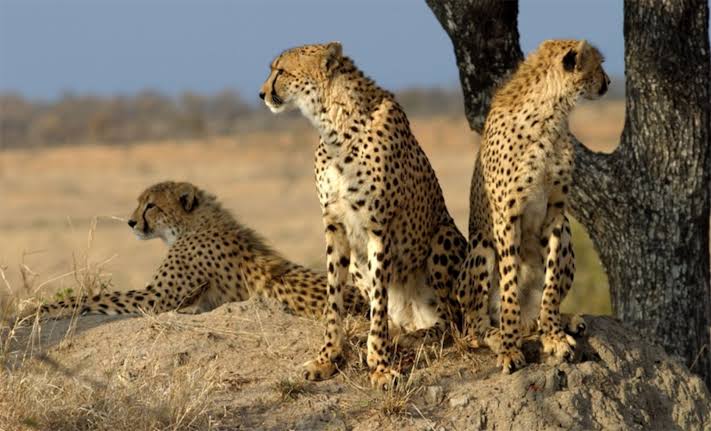
Mother cheetahs genuinely purr while nursing and interacting closely with cubs, a vocalisation researchers believe helps reinforce the mother-cub bond and may provide reassurance during vulnerable early development, meaning purring genuinely serves a real communicative function within the family unit beyond any individual emotional state, similar in underlying social purpose to vocal bonding behaviours documented across various other mammal species.
Why the Trade-Off Between Roaring and Purring Genuinely Reflects Different Evolutionary Priorities
Lion evolved roaring capability specifically to support long-distance pride communication and territorial defence across open savannah, a genuine evolutionary priority that required sacrificing the anatomical flexibility needed for purring, while cheetahs, living a considerably more solitary lifestyle with less need for long-range vocal territorial broadcast, genuinely retained the purring capability instead, meaning the roar-versus-purr distinction reflects a genuine evolutionary trade-off tied directly to each species’ different social structure.
How Other Vocalisations Genuinely Complement Cheetah Purring in Their Broader Communication Repertoire
Beyond purring, cheetahs genuinely produce several other distinct vocalisations including a bird-like chirping call used between mothers and cubs or separated individuals, and a range of growls and hisses during confrontation, meaning purring represents just one component of a genuinely varied vocal communication system rather than the species’ sole or primary vocalisation.
Where to Observe Cheetah Behaviour in East Africa
Cheetahs are genuinely reliable to observe across the Serengeti-Mara ecosystem and Samburu National Reserve, both hosting strong resident populations with good open-terrain visibility.
Best Time of Year for Cheetah Viewing
Cheetahs are visible year-round given resident territories. See our regional best-time guide for how seasonal patterns generally affect wider game viewing.
Photographing Cheetah Family Behaviour
Capturing a mother and cubs during a close, purring interaction offers genuinely intimate behavioural photography beyond a standard resting portrait. See our camera gear guide for broader equipment recommendations.
What to Pack for Cheetah-Focused Game Drives
Standard game drive gear – neutral clothing, sun protection, and binoculars – covers most of what cheetah viewing requires. If your wider itinerary includes gorilla trekking, our gorilla trekking packing list covers that portion separately.
Why Domestic Cats and Cheetahs Genuinely Share This Trait Despite Considerable Evolutionary Distance
Domestic cats and cheetahs genuinely belong to different evolutionary lineages within the broader cat family, meaning their shared purring ability reflects a genuinely ancestral trait retained from a distant common ancestor rather than a coincidental parallel adaptation, while lion, leopard, jaguar, and tiger, the roaring cats, genuinely evolved their rigid-yet-flexible hyoid structure and roaring capability from a separate branch of the cat family tree.
How Researchers Actually Study and Record Cheetah Purring in the Wild
Studying cheetah vocalisation in genuinely wild, undisturbed conditions presents real practical challenges given how sensitive the species is to close observation, meaning much of what researchers currently understand about purring context and frequency comes from a combination of careful field observation and studies conducted in managed care settings, where controlled conditions allow more detailed acoustic recording than wild tracking alone typically permits.
Why This Anatomical Trade-Off Genuinely Extends to Other Cheetah Physical Adaptations
The cheetah’s rigid hyoid and inability to roar genuinely connects to the species’ broader physical specialisation toward speed rather than raw power, since the same lightweight, streamlined build that sacrifices the roaring cats’ bulkier throat structure also sacrifices the close-combat strength lion and leopard maintain, meaning the purring-versus-roaring distinction genuinely reflects one visible marker of a considerably more comprehensive evolutionary trade-off between speed and physical power across the species’ entire body plan.
Comparing Cheetah Vocal Communication to Lion Pride Roaring
Where lion roaring serves genuine long-distance territorial and pride-coordination purposes suited to group living, cheetah purring serves a considerably more intimate, close-range communication function suited to the species’ solitary or small-family social structure, a meaningful behavioural distinction reflecting each species’ fundamentally different social organisation.
Why Guides Value Explaining This Distinction to Visitors
Given how surprising most visitors genuinely find the fact that cheetahs can’t roar, experienced guides genuinely value explaining the anatomical basis behind the roar-versus-purr divide whenever the topic arises, adding real appreciation for a physical trade-off easily overlooked without specific explanation.
Combining Cheetah Viewing With a Wider Predator Circuit
Cheetah vocalisation observation pairs naturally with a broader predator-focused itinerary covering lion and leopard sightings within the same overall trip, giving travelers genuine insight into East Africa’s varied big cat communication styles.
Why This Anatomical Difference Also Genuinely Affects How Cheetahs Breathe After a Chase
Beyond vocalisation, the cheetah’s throat and respiratory structure genuinely plays a critical role in the species’ ability to rapidly recover breath after an explosive high-speed chase, with the same overall throat and chest anatomy that permits purring also supporting the considerably increased airflow needed during the brief but intense recovery period immediately following a sprint, meaning the throat’s structural trade-offs genuinely extend beyond vocal capability into practical post-hunt physiology.
How Cheetah Family Groups Genuinely Use Purring During Reunions
Beyond mother-cub bonding, sibling cheetah groups that remain together after achieving independence genuinely use purring during reunions after time spent apart, a greeting behaviour researchers believe reinforces social bonds within these post-independence sibling groups that provide some collective vigilance and social benefit during the vulnerable transitional period after leaving maternal care.
Why Purring Frequency Genuinely Varies Across an Individual Cheetah’s Life
Researchers have found purring frequency genuinely shifts across a cheetah’s lifetime, with cubs and nursing mothers purring considerably more often than solitary adult males, a pattern that reflects the vocalisation’s genuinely stronger association with close family bonding contexts compared to the more independent, less socially interactive lifestyle adult males typically lead once fully mature and established within their own territory.
Why Understanding Cheetah Vocalisation Genuinely Matters for Managed Care Settings
Facilities caring for cheetahs, whether for conservation breeding programmes or rehabilitation, genuinely rely on accurate purring interpretation to assess an individual animal’s stress level and welfare, since misreading a stress-related purr as simple contentment could genuinely lead caretakers to overlook a genuinely distressed animal, making the nuanced, context-dependent understanding of this vocalisation genuinely practically important beyond pure academic wildlife research interest alone in this particular field.
Why This Small Anatomical Detail Genuinely Changes How Visitors Perceive the Species
For many first-time safari visitors, learning that cheetahs are anatomically incapable of roaring genuinely reframes the animal from simply “another big cat” into a species with a genuinely distinct evolutionary story, one where speed was prioritised so completely that even basic vocal capability was sacrificed, a detail that considerably deepens appreciation for just how specialised the cheetah’s entire body and physiology genuinely is.
Frequently Asked Questions
Can cheetahs really not roar at all?
Correct – their fully ossified hyoid bone structure physically prevents roaring, unlike lion, leopard, and other roaring cat species.
Do cheetahs purr for the same reasons as domestic cats?
Not always – researchers have documented purring during both positive interactions and clearly stressful situations, suggesting a broader function.
Why do mother cheetahs purr with their cubs?
It’s believed to help reinforce the mother-cub bond and provide reassurance during vulnerable early development.
Why can’t cheetahs roar like lions?
Their throat anatomy sacrifices roaring capability as part of a broader physical trade-off favouring speed over raw power.
Where can I see cheetah behaviour on safari?
The Serengeti-Mara ecosystem and Samburu National Reserve both offer strong resident populations with good visibility.
Ready to Plan Your East Africa Safari?
Whether observing cheetah behaviour firsthand, wider predator viewing, or a full East Africa itinerary is your priority, our team can build a trip matched to your interests. Get in touch with our team below today and let’s start planning your complete safari itinerary together.





No comment