



How Do Black Mambas Hunt?
Black mambas genuinely hunt using a combination of exceptional speed, considerable length providing real reach advantage, and highly potent neurotoxic venom delivered through a rapid, repeated biting strike, making this species genuinely one of Africa’s most effective snake predators despite relying on ambush and active pursuit rather than constriction or prolonged struggle.
Why Black Mambas Are Genuinely Among the Fastest Snakes in the World
Black mambas genuinely achieve considerable ground speed when actively moving, among the fastest documented of any snake species, an ability that lets the snake both close distance on prey during active hunting and cover ground quickly when relocating between hunting territory, meaning speed genuinely functions as a core hunting advantage rather than existing purely as a defensive escape mechanism.
How Considerable Length Genuinely Provides a Real Striking Reach Advantage
Black mambas genuinely rank among Africa’s longest venomous snake species, and this considerable length provides a genuine functional striking reach advantage, letting the snake deliver an accurate bite from a distance many smaller snake species simply couldn’t match, meaning prey attempting to maintain what might seem like a safe distance from a smaller snake could still genuinely fall within a black mamba’s effective strike range.
Why the Species’ Venom Is Genuinely Fast-Acting Compared to Many Other Snakes
Black mamba venom genuinely contains a potent combination of neurotoxins that act considerably faster than the venom of many other African snake species, disrupting nerve signal transmission and causing rapid paralysis in prey, a genuine biochemical efficiency that lets the snake incapacitate prey quickly rather than needing to maintain physical contact or pursuit for an extended period after the initial strike.
How the Repeated-Bite Hunting Technique Genuinely Differs From Single-Strike Predators
Unlike some venomous snakes that deliver a single bite before releasing and tracking prey as venom takes effect, black mambas genuinely sometimes deliver multiple rapid strikes in quick succession when hunting smaller, more mobile prey, a technique that genuinely maximises venom delivery and reduces the window in which prey might otherwise escape before the neurotoxic effects fully take hold.
Why Black Mambas Genuinely Hunt Both on the Ground and Within Trees
Despite the name suggesting purely ground-based behaviour, black mambas genuinely hunt effectively both across open ground and within tree branches, with considerable climbing ability that lets the species pursue birds and arboreal prey as readily as ground-dwelling rodents, meaning the species’ hunting range genuinely spans multiple habitat layers rather than being restricted to a single terrain type.
How Black Mambas Genuinely Rely on Vision and Chemical Detection Together
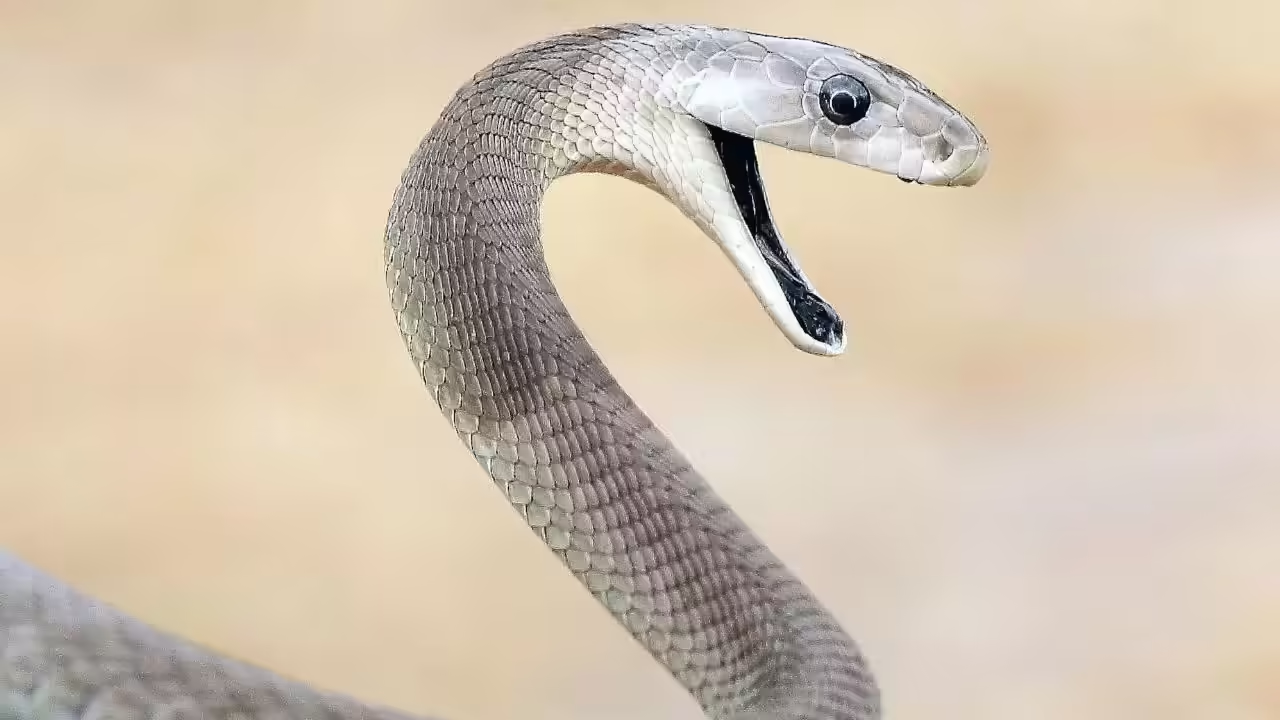
Black mambas genuinely combine reasonably capable vision for detecting movement with a highly developed chemosensory system, using the forked tongue to collect airborne chemical particles and transfer them to a specialised organ that analyses scent information, meaning the species’ hunting success genuinely depends on integrating both visual movement detection and chemical trail-following rather than relying on either sense in isolation.
Where to Potentially Encounter Black Mambas in East Africa
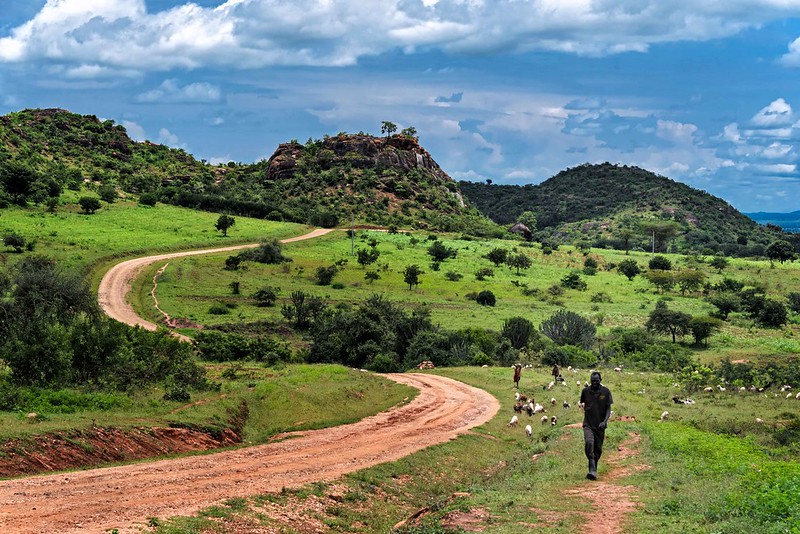
Black mambas occur across suitable savannah and woodland habitat throughout East Africa, including areas within Murchison Falls National Park and Kidepo Valley National Park’s drier terrain, though the species is genuinely shy and reclusive, meaning direct sightings remain considerably rare during standard game drives.
Best Time of Year for Reptile-Focused Viewing
Reptile activity generally increases during warmer conditions, though black mamba sightings remain opportunistic year-round. See our Uganda best-time guide for how the country’s broader seasons shape wider trip planning.
Photographing Snake Encounters Safely
Given the genuine danger black mambas present, any photography should always occur from a safe, guide-approved distance rather than close approach. See our camera gear guide for broader equipment recommendations suited to distant wildlife photography.
What to Pack for Game Drives in Snake-Present Habitat
Standard game drive gear – neutral clothing, sun protection, and binoculars – covers most of what general wildlife viewing requires, and sturdy closed footwear is genuinely worth wearing during any walking safari activity. If your wider itinerary includes gorilla trekking, our gorilla trekking packing list covers that portion separately.
Why Black Mambas Genuinely Prefer Avoidance Over Confrontation Despite Their Reputation
Despite a popular reputation for aggression, black mambas genuinely prefer fleeing from human presence whenever possible, reserving defensive striking behaviour for situations where escape genuinely isn’t available, meaning the species’ considerable hunting capability toward natural prey shouldn’t be confused with any general inclination toward unprovoked human confrontation, which remains genuinely rare despite the snake’s fearsome reputation.
How Black Mamba Prey Selection Genuinely Shifts With Age and Size
Juvenile black mambas genuinely target smaller prey including lizards and small rodents, while mature adults genuinely expand to hunting larger rodents and birds, meaning prey selection genuinely tracks the snake’s own growth and increasing size, similar to ontogenetic dietary shifts documented across many other predator species as physical capability changes with age.
Why This Species’ Venom Has Genuinely Driven Considerable Antivenom Research
Given the genuine medical significance of black mamba bites, the species’ venom has genuinely been the subject of considerable antivenom research and development, with specific antivenom treatments developed directly in response to the potency and fast-acting nature of black mamba neurotoxins, meaning the species’ hunting biochemistry carries real, practical medical relevance well beyond pure wildlife interest alone in this specific case.
Comparing Black Mamba Hunting Strategy to Mongoose Venom Resistance
While mongoose have evolved genetic resistance specifically to counter snake venom during predation attempts on snakes themselves, black mambas represent the predatory side of this broader venom-based ecological relationship, illustrating how thoroughly venom-based predation and counter-adaptation have shaped interactions across multiple unrelated African species sharing the same savannah ecosystem.
Why Guides Value Explaining Black Mamba Behaviour to Visitors
Given how much popular misconception surrounds the species, experienced guides genuinely value explaining the black mamba’s actual avoidance-first behaviour and genuine hunting biology whenever the topic arises, adding real, evidence-based understanding beyond the exaggerated reputation the species carries in popular culture.
Combining Reptile Awareness With a Wider Wildlife Safari
Understanding black mamba behaviour pairs naturally with broader wildlife safety awareness during any walking safari or bush activity across East Africa’s savannah parks.
Why Black Mamba Territory Genuinely Centres on a Fixed Den Site
Despite considerable daily hunting range, black mambas genuinely maintain a fixed den site, often a rock crevice, hollow tree, or abandoned termite mound, that the snake returns to repeatedly rather than wandering entirely nomadically, meaning individual black mambas genuinely establish a stable home base similar in concept to how many mammal predators maintain a den or core territory despite ranging considerably further during active hunting.
How Black Mamba Coloration Genuinely Contradicts Its Common Name
Despite the name, black mambas genuinely aren’t black-skinned at all, typically displaying olive, grey, or brownish colouring, with the “black” reference actually describing the distinctive dark interior of the mouth revealed during a defensive gape display, a genuinely common source of visitor confusion that guides regularly clarify when discussing the species.
Why Black Mambas Genuinely Occupy a Distinct Ecological Niche From Other Large Predators
Unlike mammalian predators such as leopard, which target considerably larger prey through stalking and ambush, black mambas genuinely specialise in smaller rodent and bird prey accessible through speed and venom rather than raw physical strength, meaning the species occupies a genuinely distinct predatory niche that doesn’t directly compete with East Africa’s larger mammalian carnivores for the same prey base.
How Genuine Misidentification Sometimes Leads to Unnecessary Fear of Harmless Snakes
Given the black mamba’s fearsome reputation, guides genuinely report visitors sometimes mistaking considerably less dangerous, non-venomous snake species for black mambas based purely on size or dark colouring, meaning part of responsible guiding genuinely involves correcting these misidentifications and explaining the real, comparatively narrow set of features that actually distinguish a genuine black mamba from other snake species sharing similar habitat, including other reptile species found within the same broader ecosystem.
Why Understanding This Species Genuinely Improves Overall Safari Safety Awareness
Beyond satisfying curiosity, understanding genuine black mamba behaviour, its preference for avoidance, its actual habitat and activity pattern, genuinely helps visitors approach any snake encounter with informed calm rather than panic, a practical benefit that extends the value of this knowledge well beyond simple wildlife appreciation into genuinely useful safari safety awareness.
Frequently Asked Questions
How fast can a black mamba actually move?
Genuinely among the fastest of any snake species when actively moving, an ability used both for hunting and quick relocation.
Why is black mamba venom considered so dangerous?
It contains fast-acting neurotoxins that disrupt nerve signal transmission and cause rapid paralysis, considerably faster-acting than many other snake venoms.
Do black mambas only hunt on the ground?
No – they hunt effectively both on the ground and within trees, pursuing birds and arboreal prey as well as ground-dwelling rodents.
Are black mambas as aggressive as their reputation suggests?
No, genuinely not – they prefer fleeing from human presence and only strike defensively when escape isn’t available.
Where might I encounter black mambas in East Africa?
Suitable savannah and woodland habitat including Murchison Falls National Park, though sightings remain genuinely rare given the species’ shy nature.
Ready to Plan Your Uganda Safari?
Whether wildlife viewing generally, a walking safari, or a full Uganda itinerary is your priority, our team can build a trip matched to your interests. Get in touch with our team below today and let’s start planning your complete Uganda safari itinerary together.


No comment