
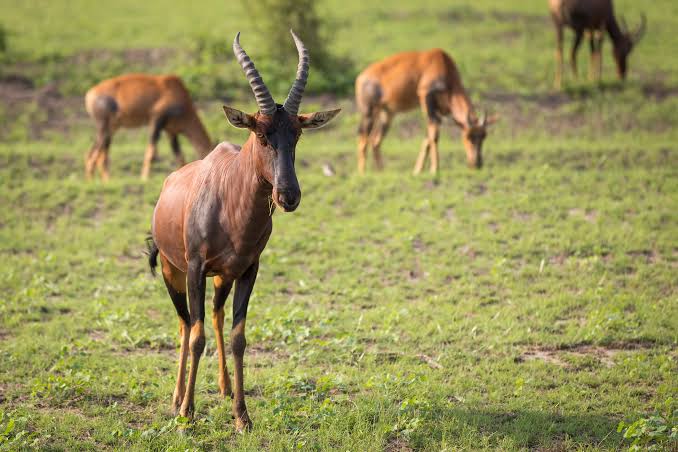
Topi genuinely stand atop termite mounds across the open plains specifically to gain an elevated vantage point for spotting approaching predators, a behaviour so consistent and distinctive that experienced guides can often identify a topi from considerable distance simply by its unmistakable silhouette perched motionless on a raised mound.
Why Termite Mounds Genuinely Provide the Ideal Elevated Vantage Point
Termite mounds genuinely rise a metre or more above the surrounding grassland, offering topi a considerable height advantage over the flat plains terrain most other grazing herbivores navigate at ground level, and this elevation genuinely extends the animal’s effective sightline across open grassland considerably further than standing at normal grazing height would allow, letting a single sentinel topi monitor a genuinely wider area for approaching danger.
How This Behaviour Genuinely Benefits the Wider Herd, Not Just the Individual
While one topi stands sentinel atop a mound, the rest of the herd genuinely continues grazing with reduced individual vigilance demand, benefiting from the elevated animal’s extended threat-detection range without every herd member needing to interrupt feeding to maintain the same level of watchfulness, meaning mound-standing behaviour genuinely functions as a shared vigilance resource benefiting the entire group rather than serving purely the standing individual’s own safety.
Why Male Topi Genuinely Use Mounds for Territorial Display in Addition to Vigilance
Beyond predator detection, male topi genuinely use termite mounds as a visible platform for territorial display during breeding season, standing prominently atop a mound to advertise territory ownership to both rival males and potential mates, meaning the same elevated position serving a defensive vigilance function also genuinely doubles as valuable real estate for reproductive signalling during the species’ breeding period.
How Topi Genuinely Rotate Sentinel Duty Among Herd Members
Rather than relying on one single individual maintaining constant mound-standing vigilance, topi herds genuinely rotate which individual occupies the elevated position over time, a shared responsibility system that prevents any single animal from bearing disproportionate vigilance burden while sacrificing its own uninterrupted grazing time, meaning the overall arrangement genuinely spreads both the benefit and the cost of sentinel duty across the wider group.
Why Topi Possess Genuinely Excellent Eyesight Suited to This Vigilance Strategy
Topi genuinely possess particularly acute eyesight even among antelope species broadly known for strong vision, an adaptation that pairs directly with the mound-standing behaviour, since the elevated vantage point’s value depends entirely on the animal’s ability to actually resolve distant movement and identify genuine predator threats from considerable range rather than simply gaining height without the visual acuity to meaningfully use it.
How Mound-Standing Behaviour Genuinely Varies With Local Predator Density
Researchers studying topi vigilance behaviour have found mound-standing frequency genuinely increases in areas with higher local predator density, meaning the behaviour isn’t a fixed, unvarying habit but rather a genuinely responsive strategy that topi herds adjust based on actual perceived risk within their specific territory, a flexible response pattern reflecting real-time environmental assessment rather than purely instinctive, unconditional repetition.
Where to Observe Topi Mound-Standing Behaviour in East Africa
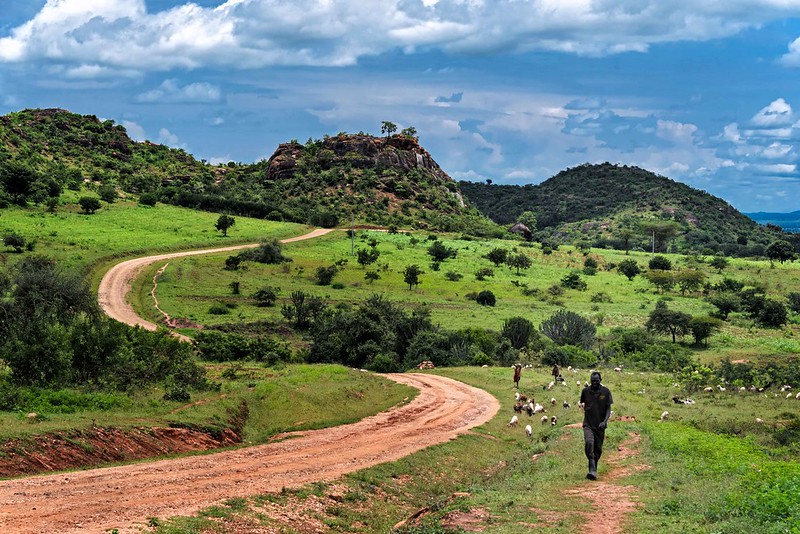
Topi are genuinely reliable to observe across Queen Elizabeth National Park and the broader Serengeti-Mara ecosystem, both offering genuine opportunities to spot the species’ distinctive mound-perched silhouette across open grassland.
Best Time of Year for Topi Viewing
Topi are visible year-round given resident populations across East Africa’s open savannah parks. See our regional best-time guide for how seasonal patterns generally affect wider game viewing.
Photographing Topi on Termite Mounds
Capturing a topi’s distinctive silhouette against the open plains horizon while perched atop a mound offers genuinely striking, minimalist wildlife photography. See our camera gear guide for broader equipment recommendations.
What to Pack for Open-Plains Game Drives
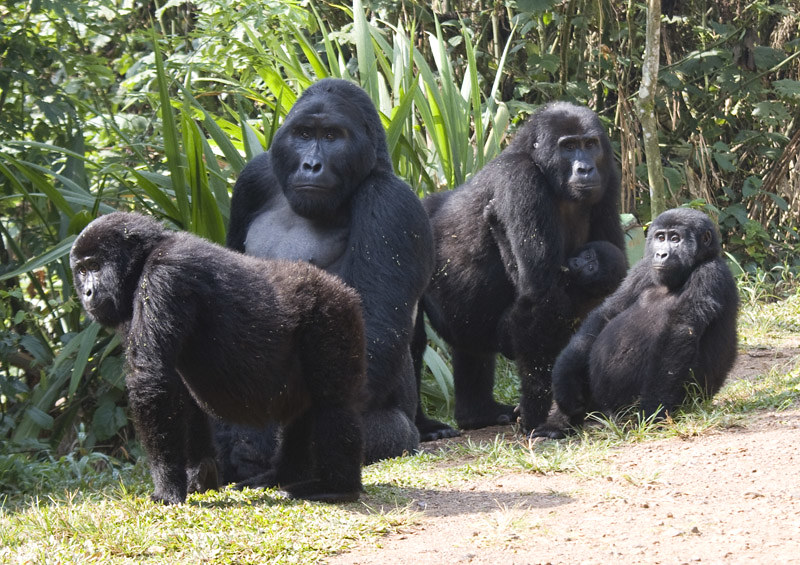
Standard game drive gear – neutral clothing, sun protection, and binoculars – covers most of what topi viewing requires. If your wider itinerary includes gorilla trekking, our gorilla trekking packing list covers that portion separately.
Why This Behaviour Genuinely Illustrates a Broader Ecological Relationship With Termites
Beyond topi’s direct use, termite mounds genuinely represent one of the savannah’s more ecologically significant landscape features, created entirely by termite colony activity yet providing considerable secondary value to numerous other species, meaning topi mound-standing behaviour genuinely illustrates just one example of how a single insect species’ construction activity can meaningfully shape the survival strategies of considerably larger, unrelated mammals sharing the same ecosystem.
How Topi Alarm Behaviour Genuinely Triggers Wider Herd Response
When a sentinel topi atop a mound genuinely detects a threat, the animal’s sudden alert posture and characteristic snorting alarm call genuinely triggers immediate response across the wider grazing herd, a rapid communication chain that lets the elevated vantage point’s early detection translate quickly into coordinated herd-wide evasive action rather than the information remaining isolated to the one individual who initially spotted the danger.
Why Topi Face Genuinely Elevated Predation Risk Despite This Vigilance Strategy
Despite their considerable vigilance advantage, topi genuinely remain a frequently targeted prey species for lion and cheetah, since the mound-standing strategy improves detection odds but doesn’t eliminate predation risk entirely, particularly given how topi often graze across genuinely open terrain offering predators clear approach visibility in return, meaning the species’ vigilance strategy represents risk reduction rather than complete protection.
Comparing Topi Vigilance Strategy to Meerkat-Style Sentinel Behaviour Elsewhere
While meerkat sentinel behaviour, well documented in southern African arid habitat, involves considerably more frequent rotation and closer physical grouping, topi mound-standing genuinely applies a broadly similar underlying vigilance-sharing principle to a considerably larger-bodied, more loosely grouped East African savannah species, showing how this general cooperative vigilance strategy genuinely recurs across quite different African ecosystems and body sizes.
Why Guides Value Explaining This Behaviour to Visitors
Given how distinctive yet easily overlooked mound-standing behaviour can be during a fast-moving game drive, experienced guides genuinely value pointing out a sentinel topi and explaining its dual vigilance and territorial function, adding real behavioural depth to what might otherwise register as simply an antelope standing on a bump in the landscape.
Combining Topi Viewing With a Wider Open-Plains Circuit
Topi mound-standing observation pairs naturally with a broader open-plains itinerary covering other savannah species within the same overall trip, including zebra and other grassland grazers sharing the same terrain.
Why Researchers Believe Topi Vigilance Behaviour Reflects Genuine Cost-Benefit Trade-Off
Standing atop a mound genuinely comes with a real cost, since the sentinel individual sacrifices grazing time compared to herd members feeding continuously at ground level, meaning researchers view mound-standing as a genuine cost-benefit trade-off rather than a cost-free behaviour, one that only makes evolutionary sense because the shared vigilance benefit to the wider herd, and indirectly to the sentinel’s own genetic relatives within it, outweighs the individual grazing time sacrificed.
How This Behaviour Compares to Impala’s Different Vigilance Strategy
Where impala rely primarily on distributed, simultaneous group vigilance without any single elevated sentinel, topi’s mound-based approach represents a genuinely more specialised, role-differentiated strategy, reflecting how different antelope species have evolved somewhat distinct solutions to the same underlying predator-detection challenge based on their available terrain features and social structure.
Why Termite Mound Distribution Genuinely Shapes Topi Territory Preference
Given how central mound access genuinely is to both vigilance and territorial display, topi herds genuinely favour territory containing a good density of usable termite mounds over otherwise comparable grassland lacking this specific landscape feature, meaning mound distribution across a given stretch of savannah genuinely influences topi settlement patterns in a way considerably more specific than simple grass quality or water access alone would predict, similar to how landscape features shape elephant movement during drought conditions.
How Guides Use Mound-Standing Topi as a Practical Tracking Indicator
Because a sentinel topi’s alert posture genuinely signals detected danger before most other visible cues appear, experienced guides sometimes use a suddenly alert, mound-standing topi as a practical real-time indicator that a predator may be active nearby, treating the species’ own vigilance behaviour as a genuinely useful tracking tool worth investigating further, an approach comparable to how other species’ alarm behaviour helps guides locate nearby predator activity.
Frequently Asked Questions
Why do topi stand on termite mounds?
Primarily to gain an elevated vantage point for spotting approaching predators across the open plains.
Does this vigilance benefit the whole herd or just the standing individual?
The whole herd genuinely benefits, since other members can graze with reduced vigilance while the sentinel watches for danger.
Do male topi use mounds for anything besides vigilance?
Yes – males also use mounds as a visible platform for territorial display during breeding season.
Do topi take turns standing sentinel?
Yes, genuinely so – herds rotate which individual occupies the elevated position rather than relying on one animal alone.
Where can I see topi mound-standing behaviour on safari?
Queen Elizabeth National Park and the broader Serengeti-Mara ecosystem both offer strong opportunities.
Ready to Plan Your Uganda Safari?
Whether observing topi behaviour firsthand, wider open-plains wildlife, or a full Uganda itinerary is your priority, our team can build a trip matched to your interests. Get in touch with our team below today and let’s start planning your complete Uganda safari itinerary together.

No comment